January 25, 2024

🍻 Welcome to Senate Friday! We hope you’re staying dry in the January heat.
🚨 Situational awareness: Industrial Energy Consumers of America urged Energy Secretary Jennifer Granholm to pause approvals of new LNG export facilities "given the increasing risks to reliability."
🎶 Today's last tune is from Senate EPW Dems' Natasha Dabrowski: "yes, and?" by Ariana Grande. Have you seen the music video yet?
♥️ Our special condolences to Sen. John Barrasso and his family following the tragic loss of his wife Bobbi. May she rest in peace.
1 big thing: High hopes for Good Sam
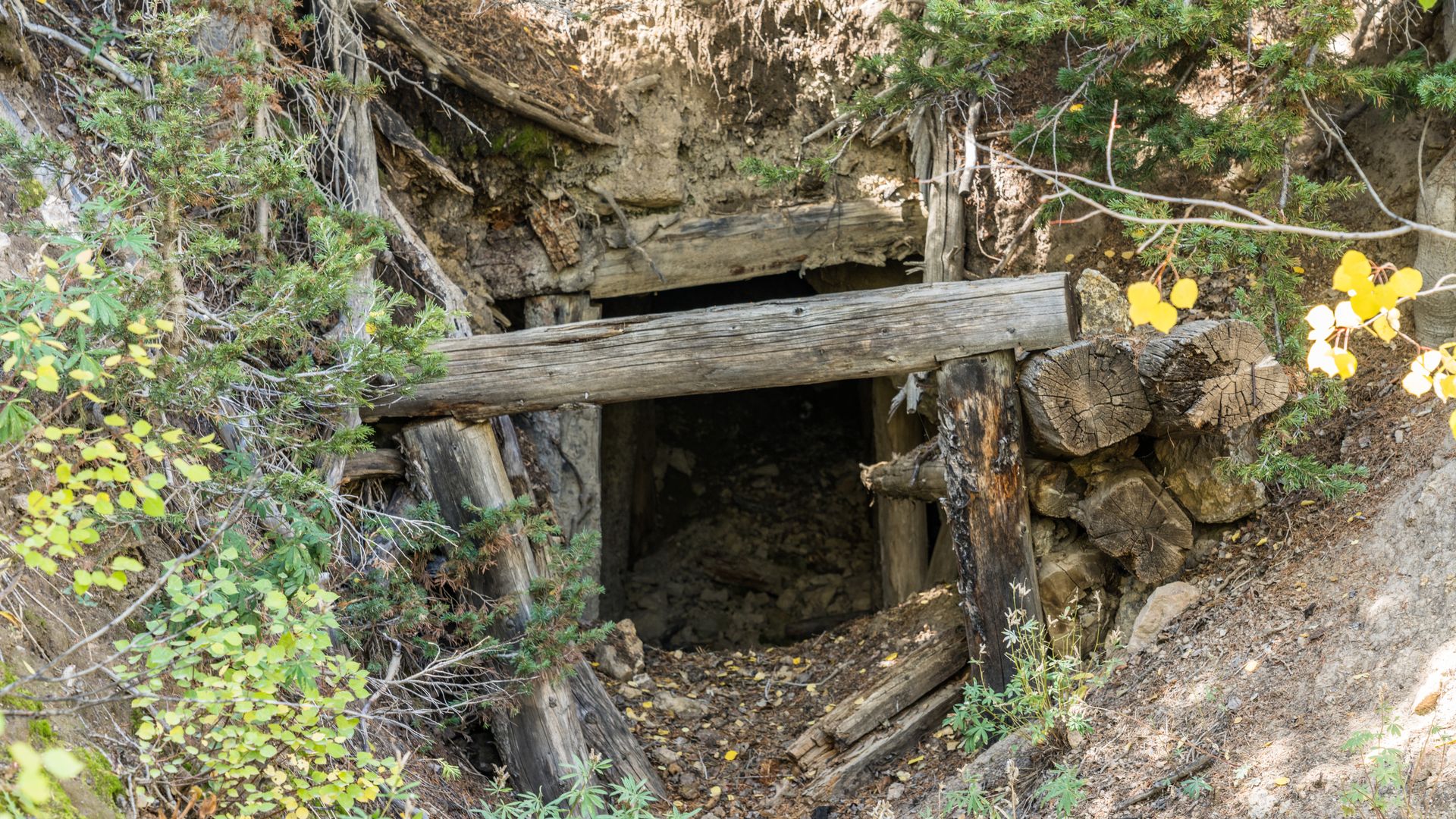
Entrance to an abandoned gold mine near Marysvale, Utah. Photo: Jon G. Fuller/VW Pics /Universal Images Group via Getty Images
A long-sought mine cleanup bill is closer than ever to passing Congress. But it'll have to weather a behind-the-scenes clash between outdoorsmen and environmentalists, Nick and Jael write.
Why it matters: The bill, which would waive liability rules for outside groups to restore abandoned mine lands, has long been stuck in political limbo.
- "I'm as optimistic as I have been about this bill in 22 years," Trout Unlimited CEO Chris Wood told Nick.
Details: The Good Samaritan Remediation of Abandoned Hardrock Mines Act advanced through Senate Environment and Public Works on a voice vote last week.
- It would create a 15-project pilot program over seven years to clean up abandoned hardrock mines.
- The idea is to allow folks who aren't responsible for the original pollution (i.e. a nonprofit or state agency) to improve a few of the thousands of abandoned sites around the country.
- They'd get to do this without meeting stringent standards and liability rules under the Clean Water Act.
The bill has lots of backers, with 28 bipartisan cosponsors in the Senate, as well as support from industry and a range of conservation groups.
The intrigue: Lead sponsor Martin Heinrich told Nick that the measure "is effectively permit reform."
- "This creates one more thing that people want in that generalized bucket of permit reform," he said. "So I think we probably have a number of different potential pathways to get this done."
- There's no House companion yet. Proponents are focused on finding a legislative vehicle or getting it through the Senate by unanimous consent.
Of note: Trout Unlimited and other groups briefed Speaker Mike Johnson about a month ago, Wood said.
- Johnson's response, according to Wood: "This sounds like common sense to me." (Johnson's office didn't immediately respond to a comment request.)
Yes, but: Versions of this idea have been dogged by fights within the environmental community.
- Earthjustice, Earthworks and the Center For Biological Diversity sent a letter to EPW last week opposing the bill and what they view as its "unintended consequences" — that it could let mining companies off the hook for legal liabilities.
- That's because it would, in their view, potentially allow a "Good Samaritan" to reprocess and sell materials found at an abandoned mine.
- A mining company could get a waiver under section 404 of the Clean Water Act for so-called "dredge and fill" activities "under the guise of cleaning things up," said Aaron Mintzes, senior policy counsel for Earthworks.
- House Natural Resources ranking member Raúl Grijalva told Jael last week he has similar concerns.
Zoom in: Sen. Ben Cardin echoed those sentiments during the markup: "As this legislation works its way forward, I think we have to be extremely cautious about waivers to the Superfund rules or the Clean Water Act."
- Cardin told Nick he would work with the sponsors "to try to find a path forward."
The other side: Wood argued it's a trial run for a handful of "well-regulated" projects: "I think the whole message behind this bill is, let's not let the perfect be the enemy of the good."
What we're watching: The legislation could face jurisdictional challenges in the House, where it would cross the purview of Energy and Commerce, Natural Resources, and Transportation and Infrastructure.
- House committees sometimes try to make their own mark on a bill before agreeing to tack it onto an omnibus or the NDAA (see: the ADVANCE Act).
2. E&C subpoena threat spotlight
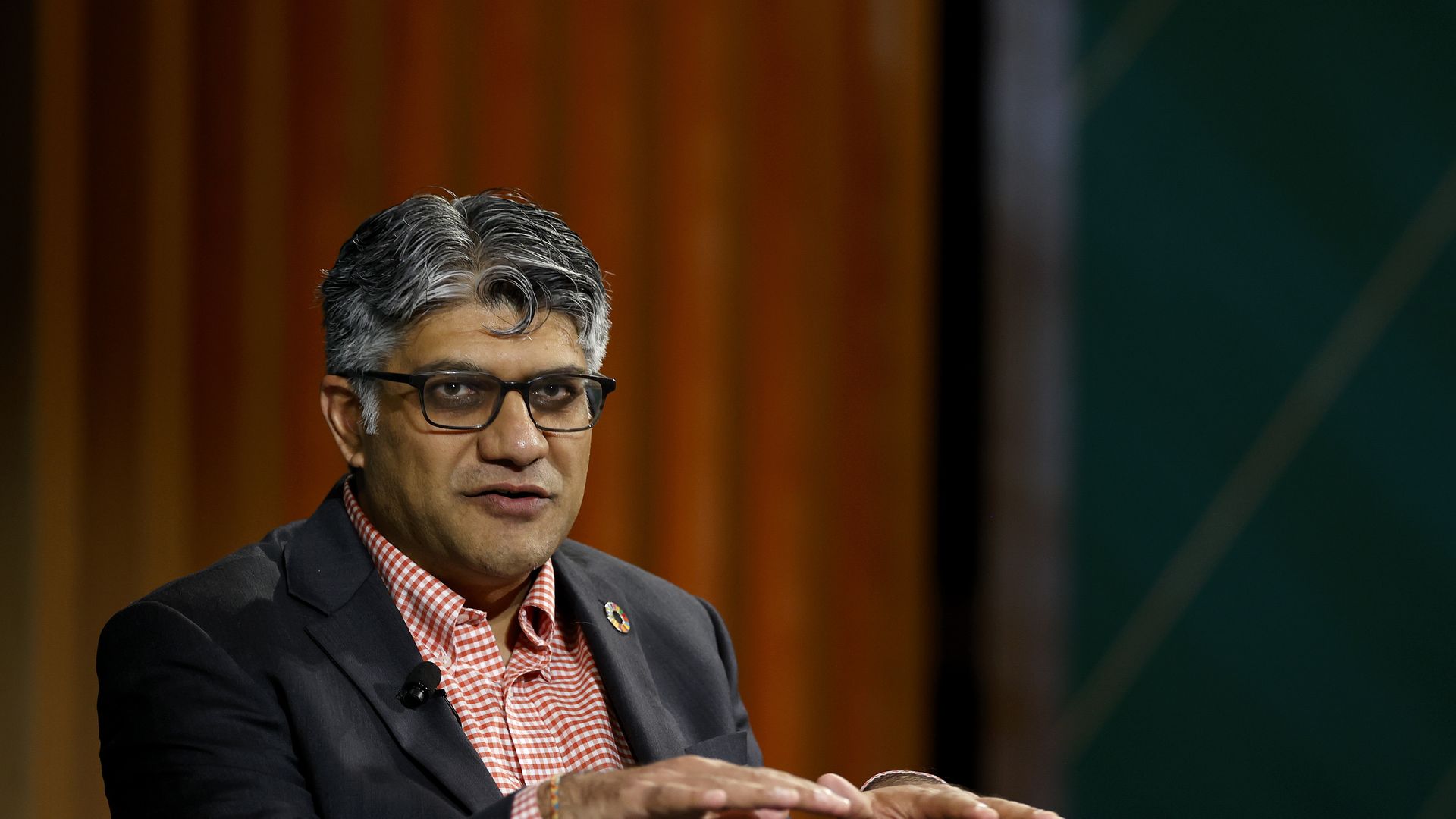
Shah last March. Photo: Aaron M. Sprecher/Bloomberg via Getty Images
House Republicans are threatening to subpoena Jigar Shah, director of the Energy Department's Loan Programs Office, Jael writes.
Why it matters: The hunt for a new Solyndra-like political scandal is coming for perhaps the staunchest defender of President Biden's domestic decarbonization financing.
Driving the news: House E&C Chair Cathy McMorris Rodgers wrote Shah yesterday threatening "compulsory measures" if Shah's office didn't provide information Republicans had previously requested.
- At issue, per Republicans: A conditional loan commitment to Li-Cycle, a lithium-ion battery recycling startup; a partial loan guarantee to Sunnova, a residential solar company; and Shah's experience working with the Cleantech Leaders Roundtable, which is essentially a renewables industry ensemble of CEOs.
The other side: Shah declined to comment, directing Axios to DOE's media team. It said the agency had already provided information to Republicans.
- "We look forward to working together to achieve our shared goals of advancing next-generation technologies, lowering energy costs, and creating new, high-quality jobs in communities across the nation," a spokesperson said.
3. Catch me up: Acronym fest!

Illustration: Tiffany Herring/Axios
🛢️ LNG clash: The Biden administration's reported decision to hit pause on a new natural gas export terminal is already making political waves on the Hill.
- "Putin must have designed this strategy," Sen. Bill Cassidy said in a statement.
🏭 FERC fight: Sen. Tom Carper and other Democrats wrote a letter to FERC today urging it not to undermine EPA's power plant greenhouse gas rules, as the commission considers grid reliability challenges.
- It follows a letter from Republicans last month asking FERC to scrutinize the power plant proposal more closely.
🧪 CFATS still stuck: Sen. Gary Peters had "no updates" on moving the CFATS reauthorization when Nick asked him about it again this week.
- The Cybersecurity and Infrastructure Security Agency's Kelly Murray recently told reporters the government has missed roughly 900 chemical facility inspections since the program lapsed.
- "There are likely more than 300 facilities with security gaps," she said.
✅ Thank you for reading Axios Pro Policy, and thanks to editors Chuck McCutcheon and David Nather and copy editor Amy Stern.
View archive