Axios What's Next

July 01, 2024
Tech leaders, investors and others are joining forces in an ambitious attempt to rejuvenate American manufacturing, Joann reports today.
Today's newsletter is 1,213 words ... a 4½-minute read.
1 big thing: Rebooting American manufacturing
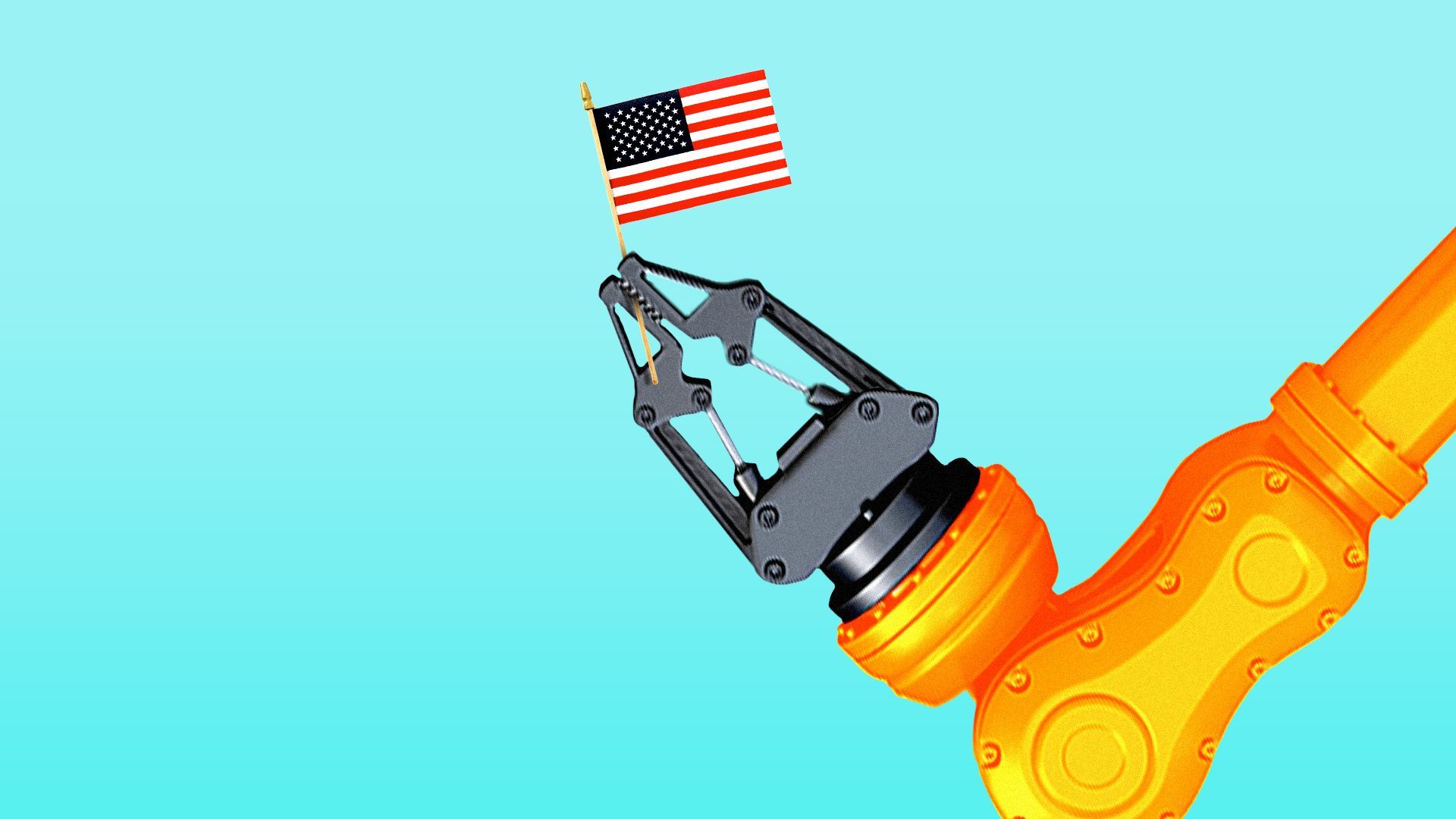
A new grassroots effort to propel innovation in American manufacturing is flexing its muscle across the Rust Belt and the Beltway.
Why it matters: Decades of globalization have left U.S. industry dependent on foreign supply chains — and at risk of falling behind China and other countries.
- The way back is to out-innovate the rest of the world, movement leaders say.
Driving the news: At a sold-out "Reindustrialize Summit" last week in Detroit, organizers unveiled the New American Industrial Alliance.
- The trade group plans to advocate for bipartisan, growth-oriented industrial policies and investment in advanced manufacturing.
- The goal is to ensure growth in the U.S. industrial sector, boosting economic prosperity and domestic productivity.
- The inaugural summit, held at a Detroit tech hub called Newlab, attracted 700 people from manufacturing, finance, military and government sectors across the U.S.
Zoom in: Participants included companies like Califorinia-based Divergent 3D, whose patented technology harnesses generative AI, 3D printing and automation to drastically reduce the cost and complexity of manufacturing.
- It already has contracts to produce specialty products for six aerospace companies and seven automakers, including Bugatti, Aston Martin and Mercedes-AMG.
- "If there ever was a Manhattan Project for manufacturing, this is it," Divergent founder and CEO Kevin Czinger tells Axios of the new alliance.
Backstory: The Reindustrialize Summit was the brainchild of a handful of young ideologues, including Aaron Slodov, co-founder and CEO of Atomic Industries, a Toyota-backed startup using software to reimagine the moribund U.S. tool & die industry.
- Slodov says we're facing an "existential moment" for American manufacturing.
- "There's tons of innovation going on right now between AI and robotics, materials and software," he tells Axios. "A lot of people are looking for places to park money and invest in this space."
The summit was meant to galvanize such momentum into a more collaborative effort to rebuild U.S. industrial leadership.
- "This has just been us taking the pulse of what actually is brewing in this country," says Gregory Bernstein, general partner at Acequia Capital, an early-stage investment company backing Atomic Industries and others.
Between the lines: Geopolitical and national security concerns are also motivators as China's prominence grows.
- Globalization didn't work, these leaders say, because the U.S. wound up giving away working class jobs — and its industrial advantage.
- "The fact that we can't make anything here has screwed our ability to stay leaders in the battery industry," for example, says Austin Bishop, co-founder of Atomic Industries and now a general partner at Tamarack Global, an early-stage investment firm.
- "Once we lost the ability to make basic batteries, then we missed the entire revolution with cellphones, and leading the lithium ion generation, and then that means we've now missed the opportunity to be the leader in [electric] cars."
What they're saying: The alliance's goal is to modernize manufacturing, not re-create the past.
- "So much of this is not about bringing back the jobs that were necessarily lost in the past because a lot of those jobs are antiquated, quite frankly," Bishop says.
- "The way we win is by leveraging tech policy and our peerless capital market structure, and its willingness to invest, to increase the efficiency" of U.S. manufacturing, he says.
What to watch: The group is already drumming up policy support in Washington.
- "This is the most bipartisan thing in the world," Bishop says.
2. Ford CEO: U.S. policy keeping Chinese EVs at bay
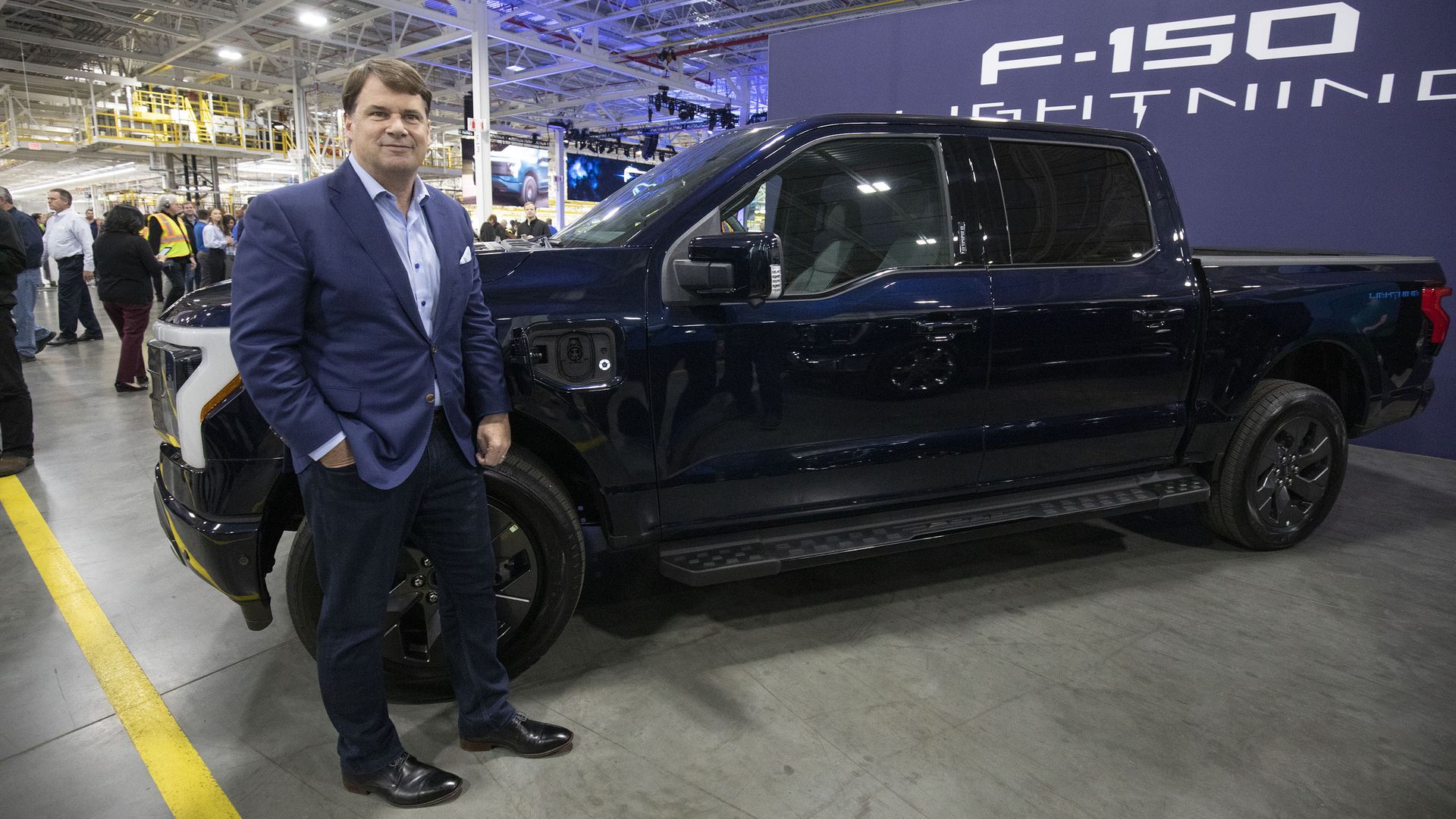
Ford Motor CEO Jim Farley says he's growing more confident the automaker can produce EVs profitably in the U.S. because government policies have helped level the playing field with low-cost Chinese competitors.
Why it matters: Ford is the second-largest EV brand in the U.S. — although well behind Tesla — thanks to the popularity of its Mustang Mach-E, F-150 Lightning pickup and E-Transit commercial van.
- But EVs are still a money-losing proposition for Ford, which expects to lose a whopping $5.5 billion on them this year.
Driving the news: The next generation of EVs will be cheaper to build, Farley told Axios last Friday after speaking at the Aspen Ideas Festival in Colorado.
- That's in part because of EV incentives in the Inflation Reduction Act (IRA), plus other government policies.
- For example, the Biden administration has imposed 100% tariffs on Chinese EVs and moved to crack down on technology that could track U.S. drivers — all part of a broader effort to block low-cost Chinese EVs from coming to the U.S.
What they're saying: "It seems like the government is very serious about passing policy around data privacy and autonomous technology coming from those OEMs," Farley told Axios, referring to Chinese manufacturers.
- "With the recent changes, I am more confident than I was before that we would have a level playing field with the Chinese in the U.S."
State of play: An existing 27.5% tariff has all but barred low-cost Chinese EVs from the U.S. so far.
- But some models from BYD, which recently surpassed Tesla as the world's largest EV manufacturer, sell for less than $11,000 — far below comparable American models.
- And China is already on America's doorstep, with Chinese imports now accounting for 20% of new car sales in Mexico.
Threat level: It's only a matter of time, Farley says, before Chinese manufacturers set up factories in Mexico and begin shipping EVs to the U.S.
- Ford's answer is to attack the EV market with its next generation of vehicles from two angles, Farley said.
- "We're now betting on an affordable platform with multiple vehicles. And we're betting on commercial vehicles."
3. Hot steak summer
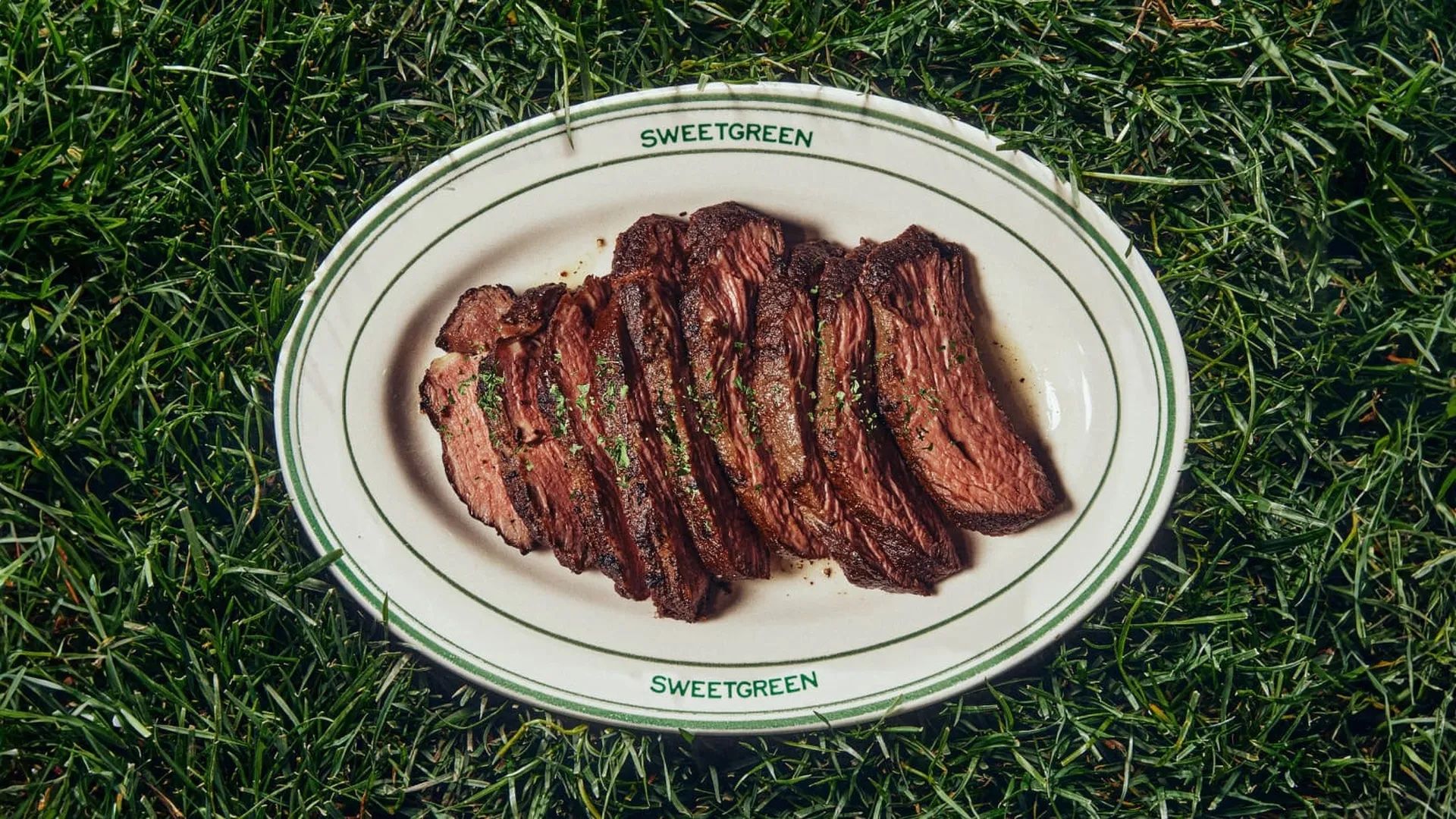
Fast-casual restaurants Cava and Sweetgreen recently added steak to their veggie-heavy menus at hundreds of locations nationwide, another sign that chains are suddenly bullish on beef.
Driving the news: Some diners are giving real meat another look amid health concerns over highly processed foods.
- Steak is also a potential revenue driver, despite the rising cost of meat.
Zoom in: Sweetgreen is touting steak as the anti-Impossible Burger — a whole, holistic food.
- "Our [steak] launch comes at a time when consumers are leaning into conversations around health and the power of protein," Sweetgreen co-founder Nicolas Jammet tells Axios.
Cava co-founder Ted Xenohristos tells Axios that adding Mediterranean steak — which customers can see cooking on live-fire grills — was about "meeting a huge pent-up demand."
- "When you ask Americans 'What do you want for dinner,' as diverse as the county has become, steak and potatoes is still the answer."
4. One fun thing: Gotta catch 'em all

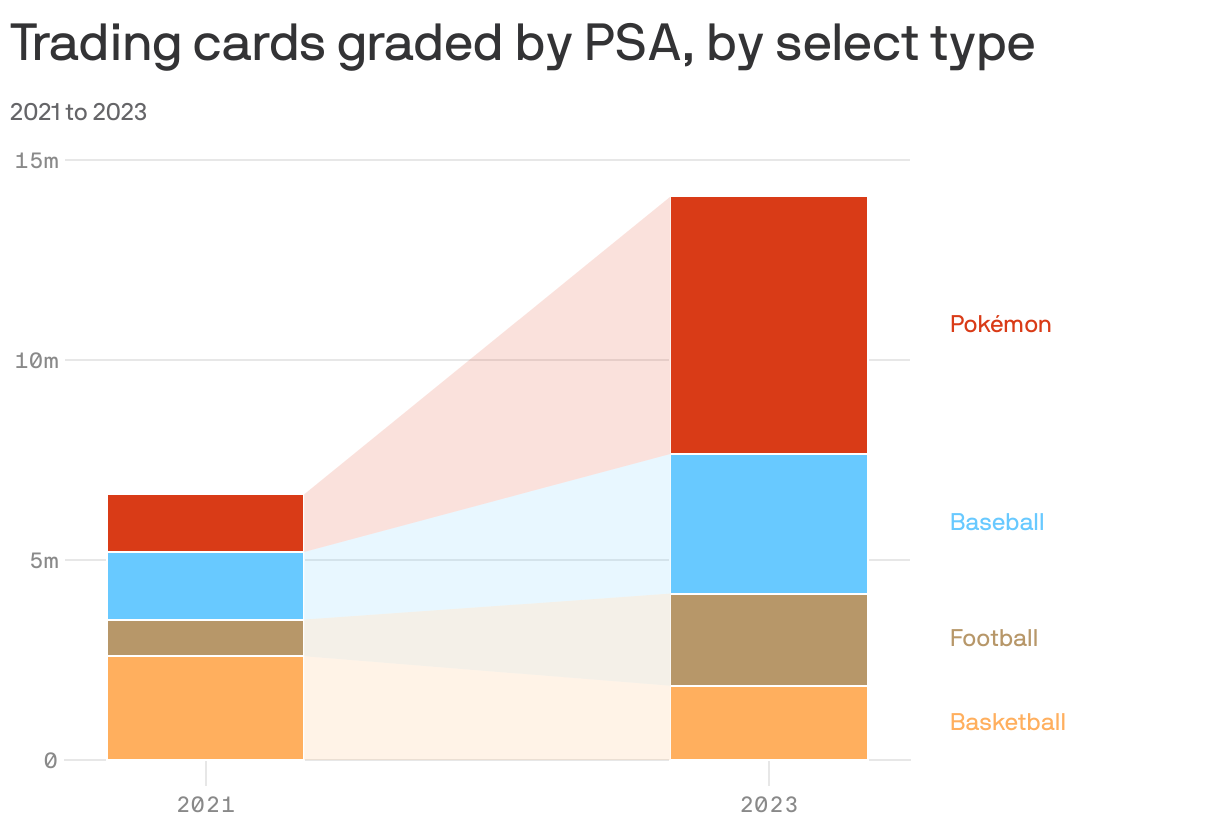
Pokémon cards are surging in popularity, with collectors getting millions of them professionally graded each year.
By the numbers: Professional Sports Authenticator (PSA) — the world's leading certifier of trading cards — says 43% of the cards it graded in 2023 were Pokémon, up from 17% in 2018.
- Each card costs at least $15 to grade, rising to as much as $8,000 for cards worth more than $250,000.
The big picture: The Pokémon boom stems from a new generation of collectors — people who were kids when the cards debuted in the late 1990s and thereafter — becoming serious about the hobby, PSA president Ryan Hoge tells Axios.
- "They're in their early 30s now, they have some disposable income, and they're going back and wanting to reconnect with that and find their favorite characters — the same way somebody might have gone back and collected Michael Jordan rookie cards."
Big thanks to What's Next copy editor Amy Stern.
Was this email forwarded to you? Get your daily dose of What's Next by signing up here for our free newsletter.
Sign up for Axios What's Next