Axios Vitals

May 20, 2026



Halfway there, gang. Today's newsletter is 1,138 words, a 4.5-minute read.
1 big thing: The FDA's high-stakes hiring spree


Finding a new commissioner is only the beginning of what the Trump administration needs to do to rebuild the FDA — and none of it is easy.
Why it matters: More than a year of upheaval has left the agency's leadership decimated and its reputation for predictable, evidence-based decisions damaged.
- That's as China is threatening U.S. dominance in biopharma, the drug development pipeline is full of promising treatments and the rise of AI poses unprecedented regulatory questions.
The big picture: Former commissioner Marty Makary's departure from the agency was accompanied by a wave of additional exits and staff shakeups, including the removal of the heads of both the drugs and biologics arms of the agency from their positions.
- Dozens of other leadership roles within the agency had been unfilled or lacking a permanent director prior to Makary's departure, according to a recent Raymond James analyst tally.
- Concerns about brain drain have persisted for the vast majority of Trump's second presidency, fueled by DOGE cuts and the voluntary departure of other agency veterans.
- "Makary oversaw what must be the most damaging period in FDA history, given its losses in manpower, experience, and agency capabilities," Capital Alpha's Rob Smith wrote in a note on his departure.
Between the lines: A fresh start at the commissioner level could bring some top talent back and attract new recruits — if the right candidate passes muster with Health Secretary Robert F. Kennedy Jr. and can be confirmed by the Senate.
- "The loss of talent at the agency has been profound," said former commissioner David Kessler. "People are willing to come back, but they're going to have to be assured there's stability."
- Part of the administration's sell to high-value candidates is the new leadership structure put in place over the past few months, with chief counselor Chris Klomp running the day-to-day operations of the department, a senior HHS official said.
- That could help convince candidates worried about working under Kennedy.
Yes, but: Confirming a nominee could be very difficult, especially after Senate health committee Chair Bill Cassidy (R-La.) — a physician increasingly at odds with Kennedy on matters like vaccines — lost his primary to a Trump-backed challenger.
2. Senate Dems launch long-term care effort

Senate Democrats have launched a third plank of their health care affordability initiative, this one focused on affordable long-term care.
Why it matters: It not only elevates the subject as a top health care priority for Democrats, but indicates they're betting it will have a political payoff.
- As America ages, care shortages intensify and larger swaths of the population are exposed to the inadequacies of the existing system.
Driving the news: A group of 17 Senate Democrats, led by Finance Committee Ranking Member Ron Wyden (D-Ore.), released a "dear colleague" letter this morning outlining the initiative.
- It follows similar efforts, also led by Wyden, focused on prescription drug prices and private health insurance reforms.
- The policymaking initiatives are intended to prepare for when Democrats are back in power on Capitol Hill.
Details: The long-term care initiative has three pillars: making home care "affordable and accessible," improving the quality of care in nursing homes and strengthening the long-term care workforce.
- It's heavy on aspirations but light on details, which members and staff plan to work through.
Yes, but: Long-term care is extraordinarily expensive, and expanding government subsidization of it in a meaningful way would be very difficult.
- The Democrats' letter calls for both "invest[ing] in Medicaid home- and community-based services and establish[ing] a home care guarantee for people with Medicare."
3. Scope of Ebola outbreak still unknown
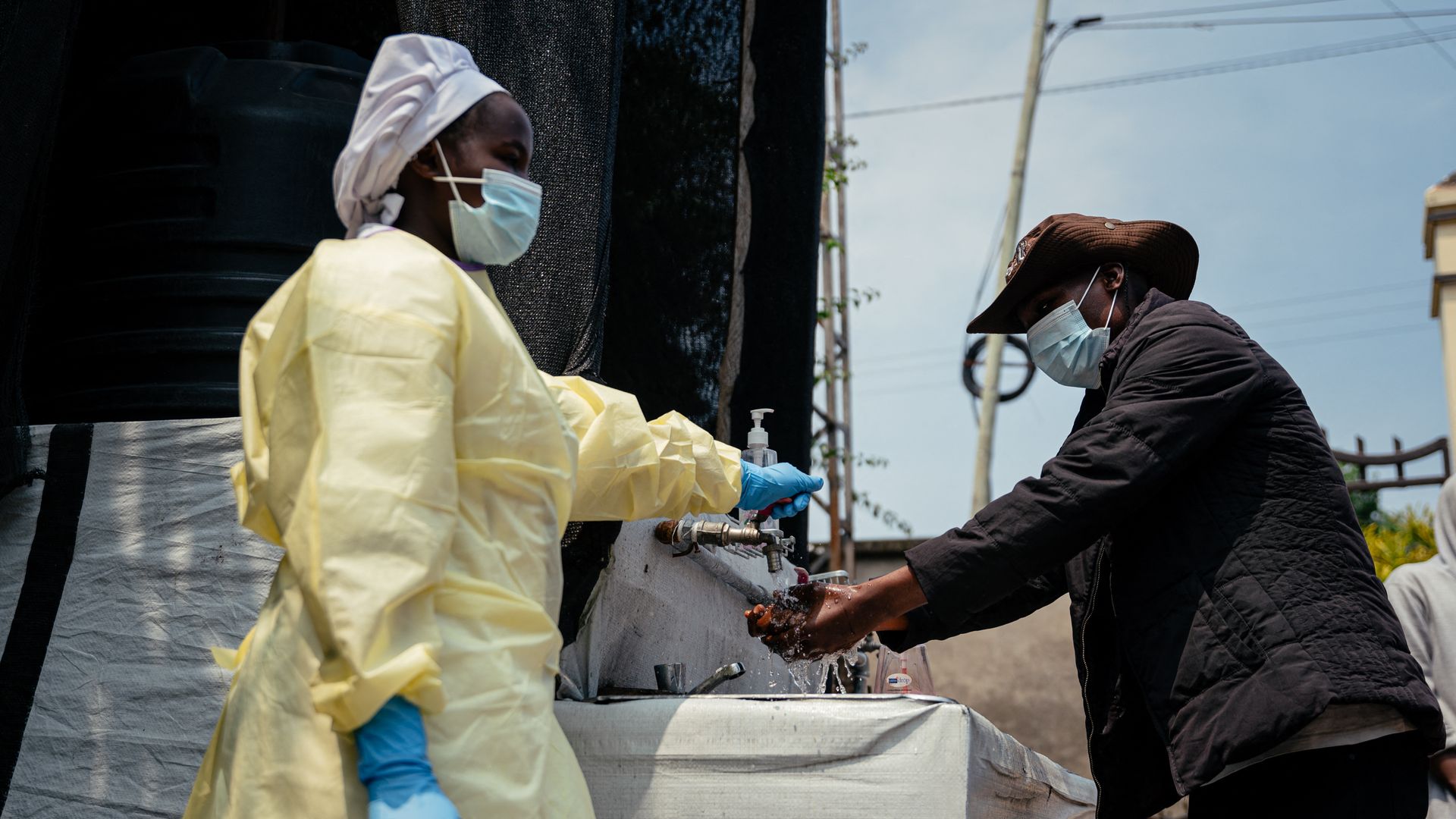
Concern over the Ebola outbreak in parts of Central Africa intensified Tuesday, with the WHO representative in the Democratic Republic of Congo saying there's "significant uncertainty" about the number of people who've been infected with the deadly virus and how it's spread.
- Meanwhile, the CDC increased screening and traveler monitoring, including restricting non-U.S. citizens from entry if they've been to the DRC, Uganda or South Sudan in the last 21 days.
The big picture: Ebola outbreaks aren't new, but the current one involves the rare Bundibugyo variety, for which there's no vaccine. The epicenter also is a populated and conflict-stricken region with a mobile population.
- Once spillover to humans occurs, the Ebola virus is hard to contain and regularly leads to life-threatening cases of viral hemorrhagic fevers.
- A 2014-2016 surge in West Africa infected more than 28,600 people and killed 11,325, per the WHO.
What they're saying: "The conditions on the ground and the lack of tools to combat this particular Ebola virus make people very worried that we could see similar circumstances happen again," said Jennifer Nuzzo, the director of the Pandemic Center at Brown University School of Public Health.
- The CDC indicated it's sending on-the-ground support to the DRC and that the risk to the U.S. public remains low.
4. GAO cites VA medical facilities' security gaps
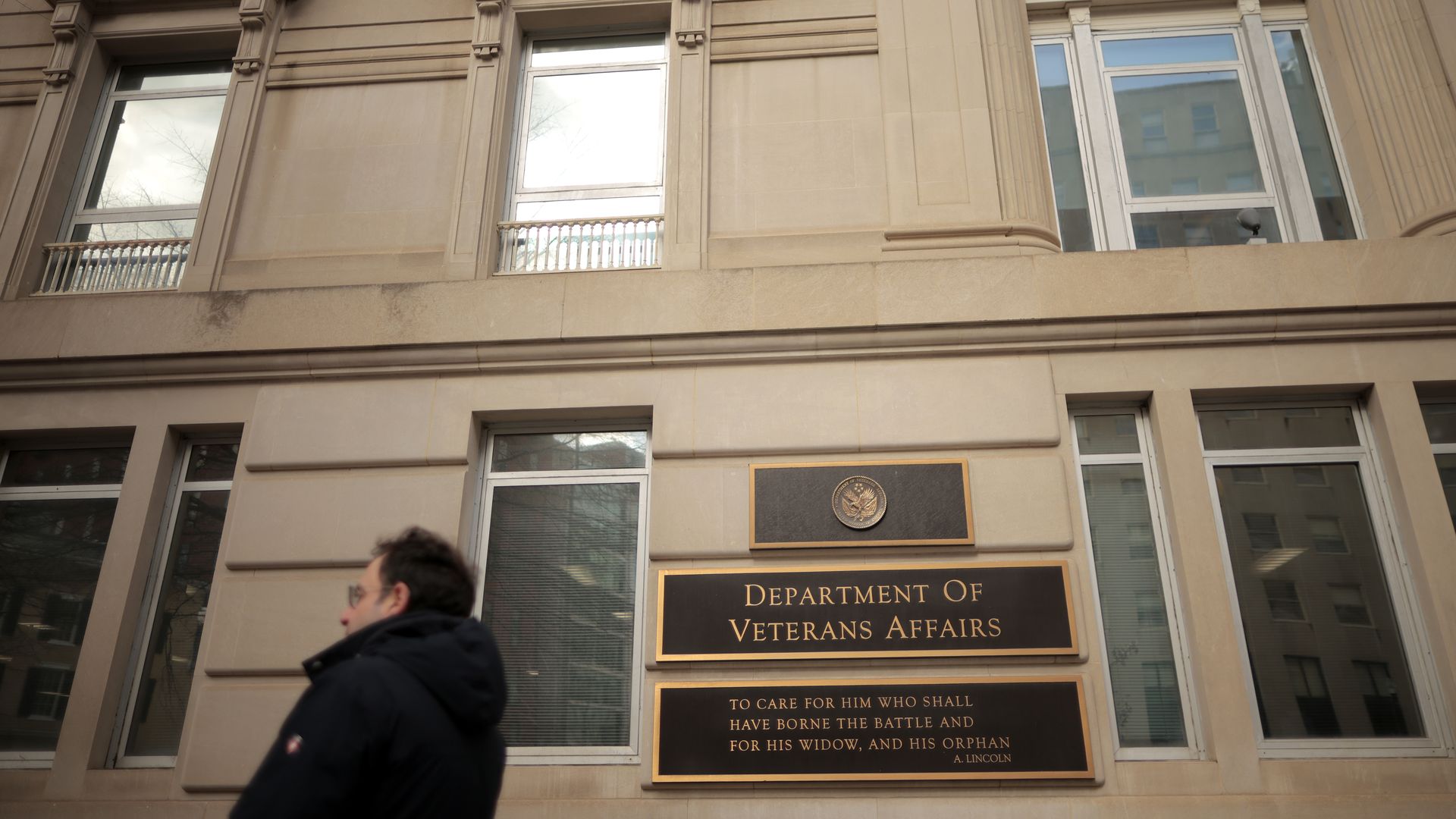
Federal investigators entered VA medical facilities with a prohibited weapon, accessed nonpublic areas and appeared to drink an alcoholic beverage in plain view during a series of unannounced site visits.
Why it matters: The VA manages the nation's biggest integrated health system and there's growing concern about medical facilities being the targets of violence, threats and other security concerns.
- The covert tests were part of ongoing efforts by the Government Accountability Office to see how the VA was implementing federal facility security requirements.
What they found: VA staff didn't detect a concealed Swiss Army knife-type tool with a blade that exceeded 2.5 inches in any of the 30 selected facilities tested. There were metal detectors at two of the facilities, but one was not in use.
- In 25 of the 26 tests at selected VA facilities, staff didn't detect and confront an undercover investigator appearing to drink from a bottle labeled as containing vodka in plain view.
- Investigators were able to access nonpublic spaces in eight of 16 locations, including patient treatment rooms and a lab for drawing blood.
The GAO said the VA hasn't finished incorporating federal standards into its risk management policies — a recommendation made in 2018.
- A department spokesperson told FedWeek that VA has taken steps such as consolidated police operations under a new office of security and preparedness.
5. Catch up quick
💉 An FDA analysis of adverse events found no child deaths were directly linked to COVID-19 vaccines, as a leaked internal memo claimed last year. (BioSpace)
😷 An American woman who may have been exposed to hantavirus on board the MV Hondius cruise ship is fighting a federal order to quarantine at a Nebraska facility. (Fox News)
👀 Kennedy's latest effort to reconstitute a CDC vaccine advisory committee backs away from some changes he announced just weeks ago. (Reuters)
Thanks for reading Axios Vitals, and to editors Adriel Bettelheim and David Nather and copy editor Matt Piper. Please ask your friends and colleagues to sign up.
Sign up for Axios Vitals