Axios Vitals

May 26, 2026


Welcome back. Today's newsletter is 1,001 words, a 4-minute read.
🚨 Join Axios AM Live for conversations with leaders shaping Washington and the economy, including Mayor Muriel Bowser, Office of Personnel Management director Scott Kupor and Nasdaq CFO Sarah Youngwood. Register here.
1 big thing: Insurers point fingers over health costs
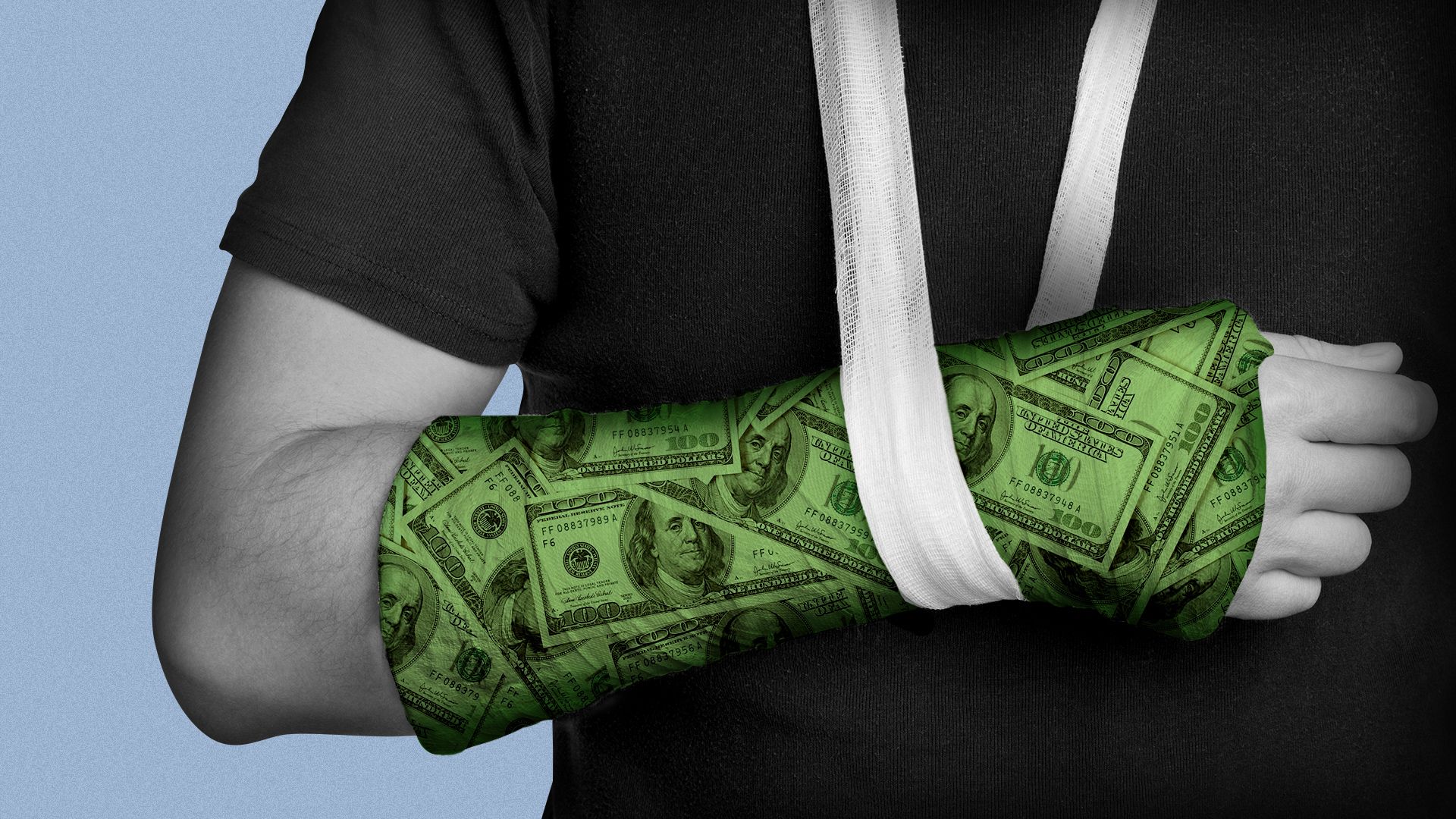
Health insurers facing growing criticism over rising premiums are trying to shift the narrative by portraying hospitals and drugmakers as the real culprits behind health care's affordability crisis.
Why it matters: Health insurance gets more expensive almost every year. But now, more of those added costs are being passed through to workers who are already reeling from inflationary pressures.
- That's raising the temperature for health plans already getting blamed for coverage denials and other business practices.
State of play: Insurers and employer-backed advocacy groups such as Better Solutions for Healthcare and its Hospital Watch initiative are running ads pointing out hospitals' outsized presence in some markets, with messages like "hospital monopolies put profits over patients."
- Insurers also are touting voluntary moves they've made to cut down "prior authorization" reviews of doctor-ordered treatments.
- An insurer-aligned group called Affordable Health Care Initiative is running ads with the message "we understand why you're frustrated" and "America's health insurers are on the side of people, working hard to negotiate costs down."
What they're saying: "Health care costs too much ... so that scrutiny is valid and needed, and we embrace that," Mike Tuffin, CEO of AHIP — the insurers' big Washington lobby — told Axios.
- "The most effective message is rooted in the plain facts about the causes of rising health care costs in the U.S.," he added.
- Those are "anticompetitive practices by multinational brand drugmakers" and "opaque and sometimes deceptive practices by certain hospital systems," he argued.
Between the lines: The Affordable Health Care Initiative is backed by UnitedHealth Group, sources say. A UnitedHealth spokesperson declined to comment.
- Within the industry, there is some disagreement over how best to push back.
- Some have expressed doubts about whether the upbeat tone of the group's ads resonates with an increasingly frustrated public.
The big picture: Insurers were the first industry group called before Congress to testify earlier this year as House Republicans held a series of hearings on health care costs.
2. RFK Jr.'s legal shield for hantavirus treatment

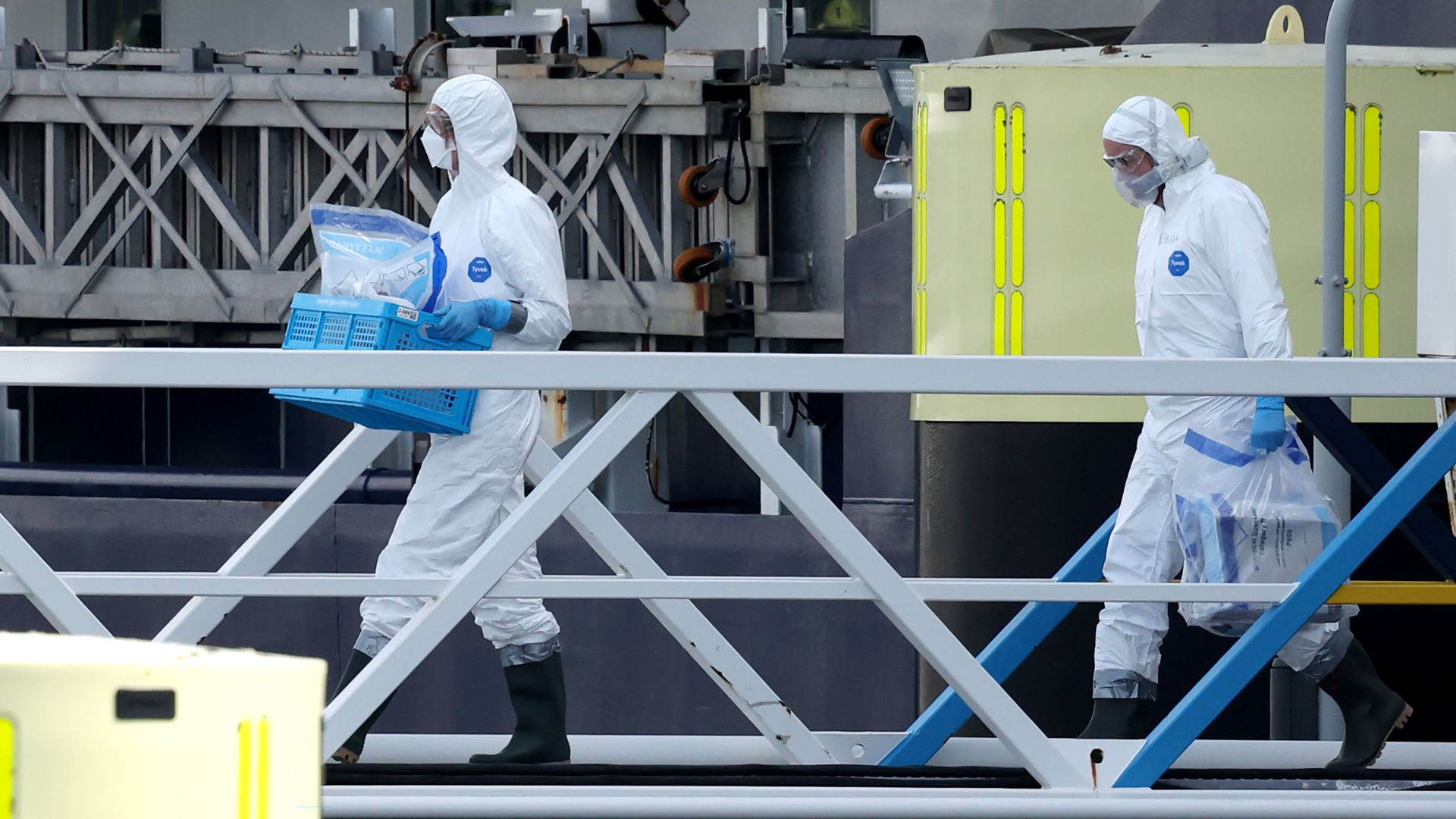
HHS Secretary Robert F. Kennedy Jr. is offering to shield drugmakers from legal liability as an incentive to develop treatments for the Andes hantavirus that caused a deadly outbreak on a cruise ship this month.
Why it matters: The move is stirring criticism within Kennedy's "Make America Healthy Again" movement and harks back to COVID-era protections the government gave to obtain antivirals, vaccines and other products during the health emergency.
- There's no antiviral treatment or vaccine currently available for the Andes type of hantavirus.
Driving the news: Kennedy extended legal protections through July 18 to develop favipiravir, an experimental antiviral used to manage influenza and other infections, according to a Federal Register filing.
- Britain obtained supplies of the drug from Japan last week as part of its response to the hantavirus outbreak linked to the MV Hondius cruise ship, Reuters reported.
- Kennedy invoked the PREP Act, which limits drugmakers' financial losses connected to the use of treatments in a public health emergency and has been the object of repeal attempts by some Republicans in Congress.
What they're saying: "This action helps remove barriers to research and response efforts while we continue monitoring the recent outbreak linked to the South Atlantic cruise ship," Kennedy wrote on X.
- "HHS is taking this situation seriously and will continue working to protect public health and support the safe development of potential treatments and countermeasures."
- The post drew quick criticism from some Kennedy allies — including his former campaign communications director Del Bigtree — who questioned whether Kennedy was reversing past stands on corporate accountability.
3. Booker: Why Dems should reach out to MAHA
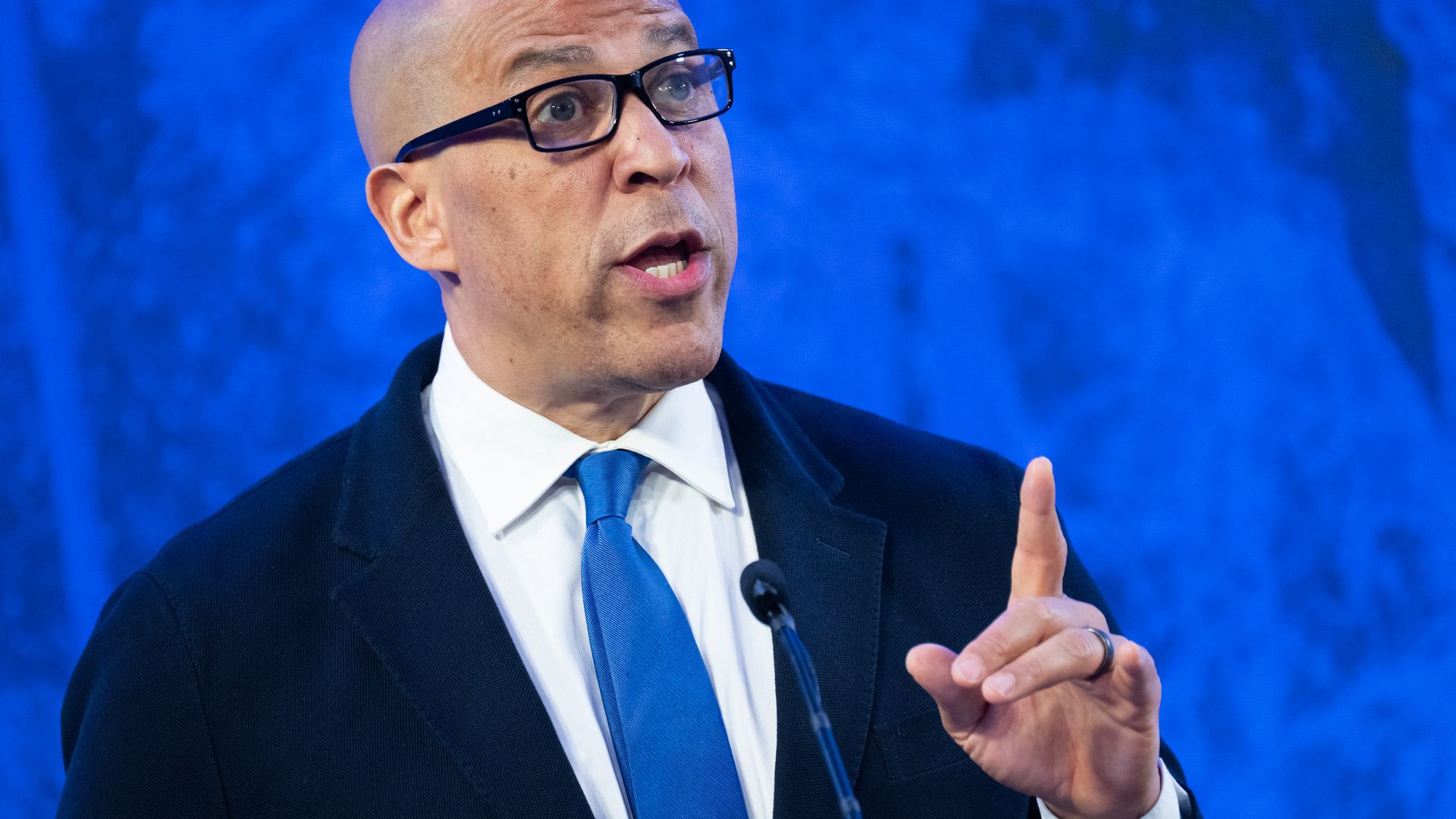
Many Democrats hate Kennedy. But New Jersey Sen. Cory Booker told Axios he "absolutely" supports some of his policies — particularly when it comes to food.
Why it matters: Booker, a potential 2028 presidential candidate, wants to appeal to some of the health-conscious voters Kennedy rallied during his 2024 presidential bid — first as a Democrat, then as an independent who eventually endorsed Donald Trump.
- "There are moves that they've made that I think are really important, and I wish they were more robust," Booker told Axios about food-related actions by HHS.
Driving the news: At a Center for American Progress conference last week with several other potential 2028 presidential candidates, Booker said Democrats need to reach out to the "Make America Healthy Again" movement.
- "A movement called MAHA caught fire in the vacuum we left behind," he told fellow Democrats.
- Voters should be worried about cancer rates in young people, obesity, diabetes, factory farms and "cheap, ultra-processed foods making us sick," he said.
4. Lilly tops health brands in Axios-Harris poll


Eli Lilly was the only health company with an excellent reputation in the latest Axios Harris Poll 100 that ranks companies most on the minds of Americans.
The big picture: The Indianapolis pharma giant ranked 13th after a year in which it became the dominant player in an anti-obesity drug market. It was the only health company to crack the top 50.
UnitedHealth Group (ranked 77th) saw one of the biggest year-over-year improvements in its reputation — a sign of how a chaotic news cycle and fragmented news consumption habits make it easier to quickly forget social media-fueled rage over the company's business practices.
- CVS Health placed 51st, Pfizer stood at 60 and Johnson & Johnson was 65th, as measured by the poll's reputational quotient scores.
5. While you were weekending

😷 NIH confirmed two incidents where employees at Rocky Mountain Laboratories in Montana were potentially exposed to hemorrhagic fever. (Billings Gazette)
⚕️ Kennedy's push to curb the use of antidepressants shook an annual meeting of psychiatrists. (NYT)
🏋🏼♀️ As biohacking gains momentum among elites, a Las Vegas sports spectacle aims to normalize longevity drugs. Critics call it dangerous and unethical. (WashPost)
Thanks for reading Axios Vitals, and to editors Adriel Bettelheim and David Nather and copy editor Matt Piper. Please ask your friends and colleagues to sign up.