Axios Vitals

March 06, 2025


It's (finally) Thursday! Today's newsletter is 924 words or a 3.5-minute read.
🚨 Situational awareness: House Republicans still are weighing big changes to Medicaid that are targeted at the expansion population with incomes up to 138% of the federal poverty level, Peter Sullivan wrote first on Pro.
Situational awareness, part two: CMS on Wednesday warned hospitals of what the Trump administration claims are dangers surrounding gender-affirming care and said it may begin adjusting policies to reflect "the lack of medical evidence in support of these harmful treatments."
1 big thing: States push back on mRNA vaccines
The mRNA vaccines that helped to end the COVID pandemic — and stoked a considerable amount of vaccine skepticism and misinformation — are now a target of legislators in some conservative-led states.
Why it matters: The efforts risk further politicizing science and illustrate how the COVID experience we'd all like to put in the rearview continues to drive policymaking.
Driving the news: No state has enacted a ban so far. But Iowa, Montana and Idaho have all introduced legislation this year aimed at cutting the use of mRNA vaccine technology.
- In Iowa this week, a bill advanced out of a legislative subcommittee that would penalize providers with fines of as much as $500 for each shot of mRNA-based vaccine they provide.
- After pushback, state Sen. Doug Campbell, who introduced the bill, later backtracked and reworked it instead to require mRNA vaccine makers to waive federal liability protections.
Meanwhile, an Idaho bill that would outright ban the use of mRNA-based vaccines for 10 years is being considered in a state Senate committee but hasn't advanced. Montana's measure also would have criminalized the administration of mRNA shots but was ultimately defeated in February after two dozen Republicans voted against it.
The big picture: President Trump's "Make America Healthy Again" commission is preparing to review certain vaccines for links to chronic illness. HHS is also reviewing federal funding of mRNA vaccines for pandemic influenza.
- The commission and the state efforts are unfolding against a backdrop of ongoing suspicion of public health officials and the tools they employed to fight the pandemic.
- In Florida on Wednesday, Governor Ron DeSantis called for lawmakers to ban vaccine mandates of mRNA shots.
What they're saying: "I'm extremely disappointed, indeed distressed, at that sort of activity," William Schaffner, a professor of preventive medicine at Vanderbilt University, told Axios about the efforts to block the use of vaccines made with mRNA.
2. NIH nominee lays out vision for agency revamp
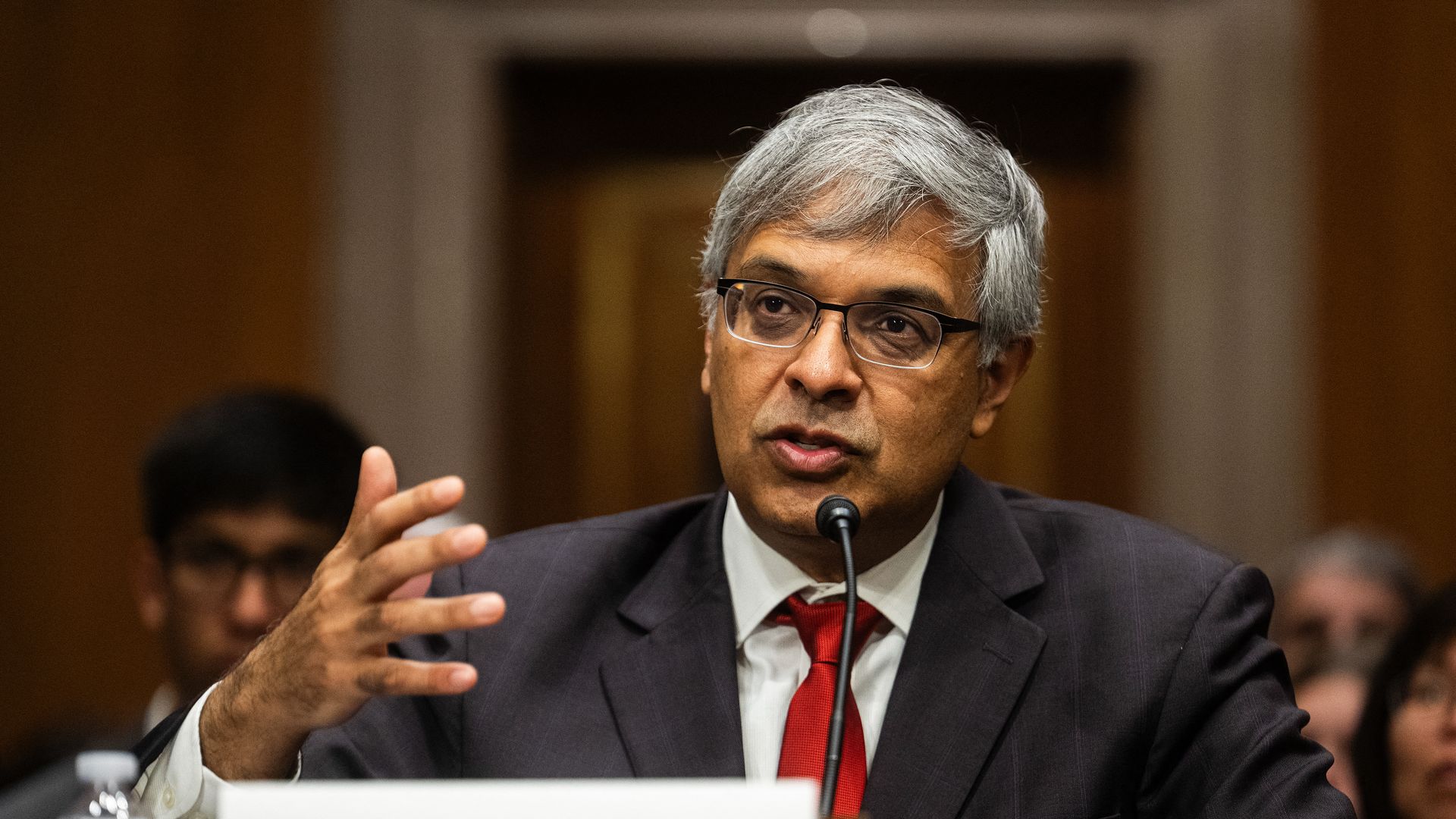
NIH director-designate Jay Bhattacharya appears headed for confirmation after a Senate HELP hearing Wednesday at which he portrayed the nearly $48 billion biomedical research institution at a crossroads, Victoria Knight wrote first on Pro.
Why it matters: The Stanford professor, whose views on the COVID-19 response and herd immunity rattled the scientific establishment, is expected to satisfy skeptics' calls for a reexamination of how NIH works.
Driving the news: Bhattacharya outlined five steps to revamp the agency he would take if confirmed.
- They include focusing research on chronic diseases and establishing what he termed a culture of respect for free speech in science and scientific dissent.
- He pledged to fund the most innovative biomedical research possible and vigorously regulate high-risk research on pathogens that could cause another pandemic, and to make those efforts transparent.
What they're saying: HELP Chair Bill Cassidy used the deadly measles outbreak in western Texas to press Bhattacharya on whether he believed there was a link between measles vaccine and autism.
- Bhattacharya responded that he didn't generally believe so but added there is "tremendous distrust in medicine and science coming out of the pandemic."
If you need smart, quick intel on health care policy for your job, get Axios Pro Policy.
3. Employers pressured on obesity care coverage

Health care providers and patient groups are pressing the country's top workplaces for women, including Nike, Hilton and Comcast NBCUniversal, to cover comprehensive obesity care for workers.
Why it matters: Six million people lost their commercial coverage of GLP-1 drugs for weight loss between 2024 and 2025, GoodRx reported this week.
- Employers should cover all evidence-based obesity care options, including drugs, nutrition therapy, behavioral health services and surgery, the groups say.
The big picture: The groups, led by the Alliance for Women's Health and Prevention, note in a letter that obesity is a chronic condition that costs employers approximately $425.5 billion annually.
- It's unclear how many employers cover the full spectrum of obesity care, since the information isn't public.
What they're saying: "Covering obesity care is about prevention," Millicent Gorham, CEO of AWHP, said in a statement. "If you prioritize preventing breast cancer, heart disease, mental health issues or hundreds of other diseases, then you should also prioritize obesity care."
The fine print: The advocacy campaign has backing from Eli Lilly, the manufacturer of Zepbound, according to a news release from AWHP.
Editor's note: The item has been corrected to show Eli Lilly manufactures the GLP-1 drug Zepbound (not Wegovy).
4. Volunteers revive pre-Trump CDC website

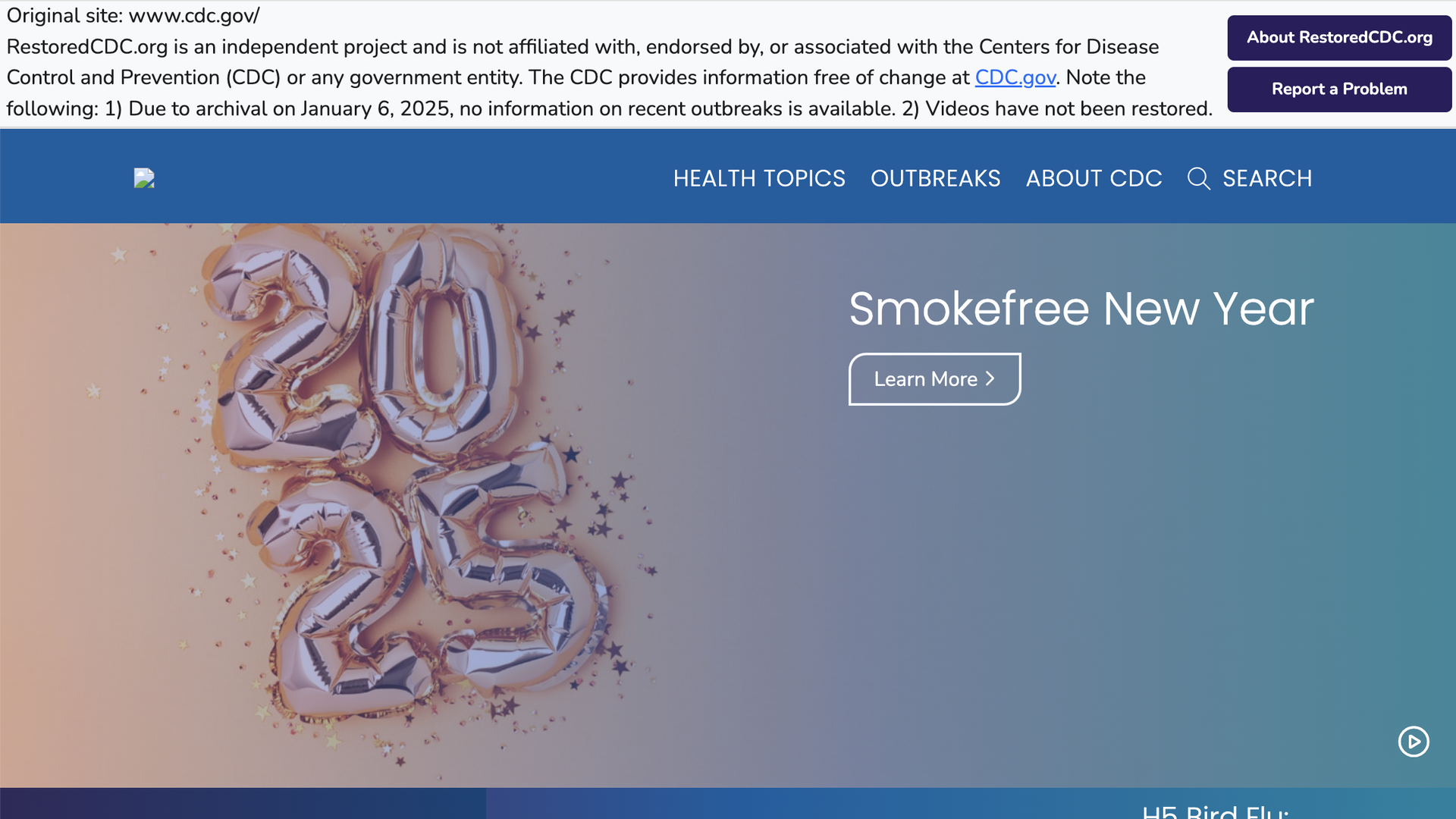
A team of volunteer archivists has recreated the CDC website as it appeared the day President Trump was inaugurated and made it available at RestoredCDC.org.
The big picture: The effort aims to backfill information after HHS took federal webpages and datasets offline to comply with executive orders that President Trump issued on DEI and gender identity. Several links on those sites are broken, and pages are not easy to locate through web searches.
What they're saying: "We still have some work to do and we want to make a comparison tool where you could compare what the site used to say and compare it to what it says now," an epidemiologist on the team told Axios.
Zoom out: Restored CDC is among a handful of archiving projects directed at saving government websites after the Trump administration began changing them.
- Other archiving projects that have saved government websites include the End of Term Archive and the Wayback Machine.
5. Catch up quick
🧠 LGBTQ+ youth experience high rates of mental health distress, and significant hurdles to accessing care. (Axios)
🐦 Why Australia is the only continent without a case of H5N1 bird flu. (Axios)
🏛️ A federal judge extended the pause on Trump's cuts to medical research overhead funding. (U.S. News)
❌ NIH canceled its summer internship program, cutting off a pipeline for biomedical research talent. (Stat)
Thanks for reading Axios Vitals, and to senior health care editor Adriel Bettelheim, managing editor Alison Snyder and copy editor Matt Piper. Please ask your friends and colleagues to sign up.