Axios Vitals

April 23, 2025

Good morning, Vitals crew! Today's newsletter is 1,224 words or a 4.5-minute read.
1 big thing: MAGA world signals it will protect Medicaid


There are growing signs that Trump-aligned forces are ready to go to war with House Republicans if they attempt to pass large Medicaid spending cuts.
Driving the news: New polling from a top Trump campaign pollster shared exclusively with Axios has found the Medicaid program is popular among all voters, including those who cast their ballot for Trump — yet another sign of the political peril of cutting it.
- The results of the polls aren't surprising; it's the names of the firms conducting them and concluding that lawmakers who vote to cut Medicaid could lose voter support.
The big picture: Some proponents of major spending reductions within the Medicaid program say they're simply eliminating waste, fraud and abuse, or returning the program to its original purpose.
- It's been unclear whether moderate Republicans in the House and Senate will buy this line. It's now becoming increasingly unclear whether MAGA world will, either.
Zoom in: New polling conducted by McLaughlin & Associates — a top Trump campaign polling firm — found overwhelming majorities of voters in battleground congressional districts support the Medicaid program, including 78% of Trump supporters.
- The poll was paid for by Franciscan Missionaries of Our Lady Health System, which operates hospitals in Louisiana and Mississippi. The group has also hired Chris LaCivita Jr., son of Trump 2024 co-campaign manager Chris LaCivita, to lobby for it.
- "Voters clearly want Congress not only to protect Medicaid, but they will reward those who strengthen Medicaid and increase benefits to patients," pollster Jim McLaughlin said in a statement.
- Similarly ominous polling for congressional Republicans looking to make cuts to the program was released earlier this month by the firm of Tony Fabrizio, another Trump 2024 campaign pollster, Politico reported.
What they're saying: "It would just be absolutely detrimental to Republicans to cut Medicaid, cut Social Security, and the president has been very clear in saying we will never touch it," a key MAGA-world adviser and source close to the administration told Axios.
- "If you talk to MAGA Republicans, no MAGA Republican wants to touch it. The only people who want to touch it are part of the old guard [GOP] establishment, who are becoming extinct."
2. Stressed vibe at vaccine congress
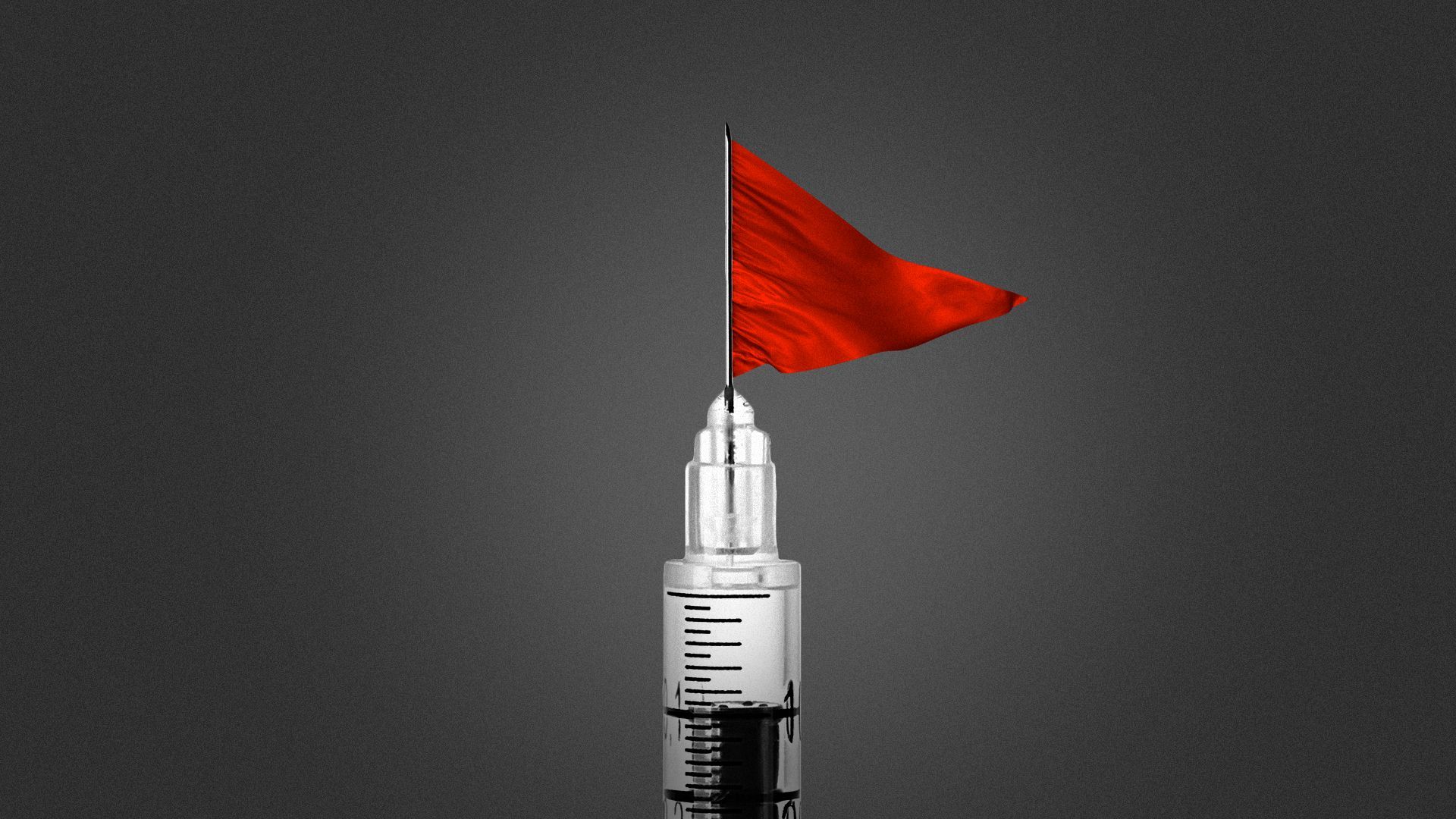
Hundreds of vaccine researchers gathered in Washington, D.C., yesterday, still struggling to counter rising anti-vaccine sentiment and mistrust many blamed on top Trump administration health officials.
Why it matters: Researchers and manufacturers are facing federal funding cuts and other policy shifts, including a move by HHS Secretary Robert F. Kennedy Jr. to consider removing COVID-19 vaccines from the government's schedule of recommended childhood immunizations, first reported by Politico.
- An HHS spokesperson said late Tuesday that no final decision had been made on whether to pull the COVID shots.
What they're saying: "Today, we face the great unraveling, an anti-science regression back toward a world we thought we had left behind," Gregory Poland, chairman of the World Vaccine Congress, told the assembly Tuesday morning.
State of play: This year's multiday gathering comes amid outbreaks of vaccine-preventable illnesses like measles and whooping cough, as well as fears of a potential pandemic from bird flu and lingering worries about COVID.
- There were few federal health officials on the agenda of speakers, in contrast to past years.
- Several attendees said there are back-channel efforts to strengthen ties among research organizations, build new vaccine infrastructure between various foreign governments and to harness funding from wealthy individuals while addressing gaps in public health.
Yes, but: "There are a bunch of small, underfunded efforts that are working independently," Peter Hotez, a vaccine researcher at Baylor College of Medicine, told Axios.
3. FDA moves to eliminate artificial food dyes

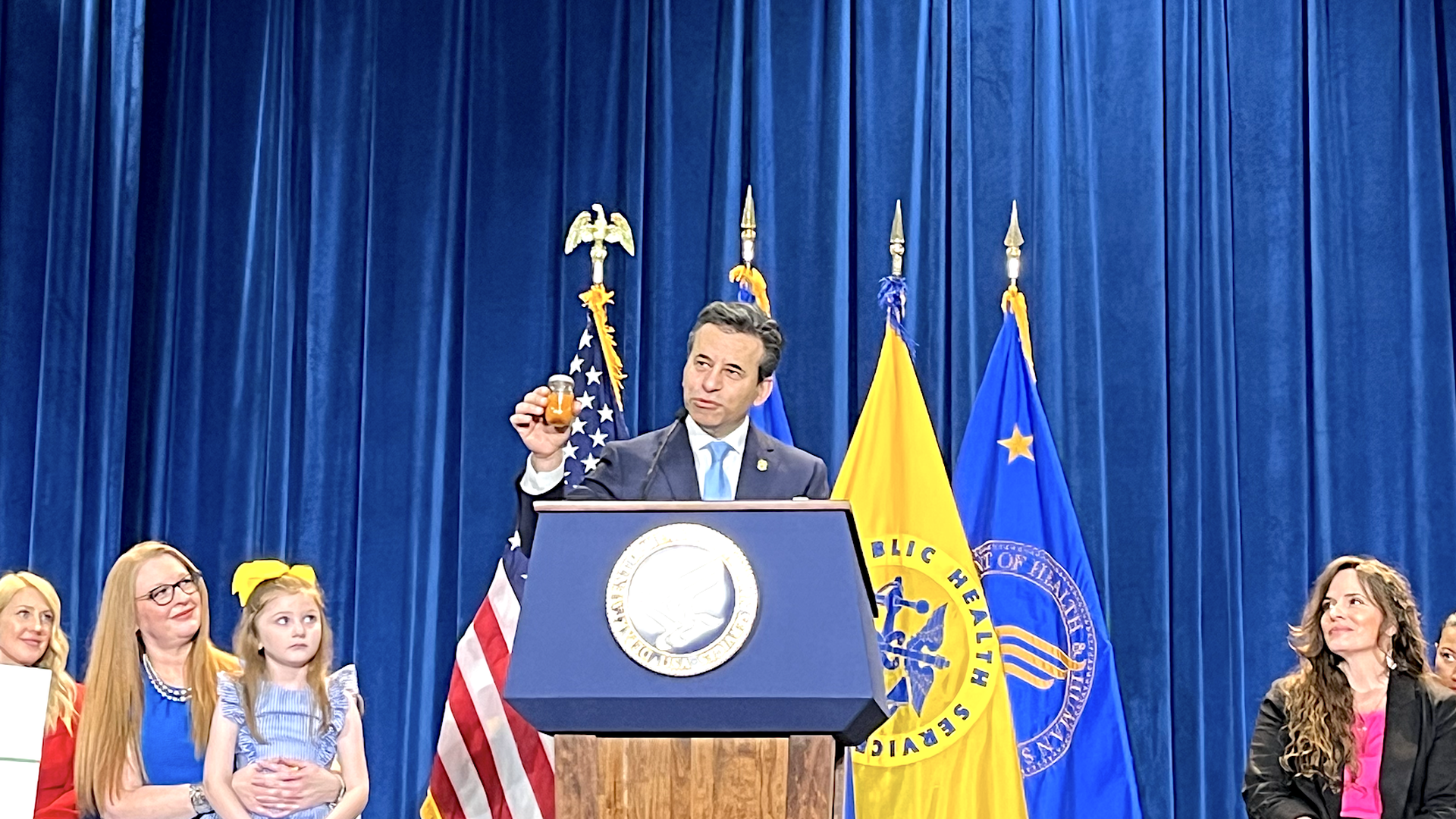
The Trump administration on Tuesday moved to remove eight common artificial dyes from the food supply over the next two years, continuing Robert F. Kennedy Jr.'s push to revamp what Americans eat.
Why it matters: The action by the FDA is part of a broader push to target additives in sodas, snacks and processed foods that the administration contends are a risk to children's health, though decades of evidence suggests they're safe at the levels currently used.
- Kennedy and other officials argue that research into the effects of these ingredients has been largely stifled, pointing to increasing rates of childhood illnesses like obesity, diabetes and ADHD as justification for substituting natural ingredients.
- Officials are hoping for voluntary compliance by food and beverage companies,
Yes, but: Experts warn phasing out the dyes without robust evidence they are harmful could set a worrying precedent for food regulation that's not backed up by science.
Driving the news: The FDA plans to phase out six artificial food dyes still used in the U.S. food supply by the end of 2026.
- The agency will also begin the process of revoking FDA authorization for two other synthetic dyes — Citrus Red No. 2 and Orange B.
- Kennedy and FDA commissioner Marty Makary also announced the agency would authorize four new naturally derived dyes.
- NIH will partner with the FDA "to conduct comprehensive research on how food additives impact children's health and development," according to a press release.
4. Exclusive: Deaths at work decreased slightly

Fewer workers died on the job in 2023, though nearly 400 fatalities a day were still attributed to dangerous conditions, according to the latest installment of the AFL-CIO's annual health and safety report.
The big picture: The findings, first shared with Axios, come as the Trump administration moves to eliminate nearly all roles at the National Institute for Occupational Safety and Health, the CDC's occupational safety arm and the only federal agency dedicated to researching worker health and safety, the union said.
- "The most recent policy decisions that we're seeing at the national level are only going to make the situation worse," said Rebecca Reindel, AFL-CIO's safety and health director.
What they found: The 2023 job fatality rate in the U.S. was 3.5 deaths per 100,000 workers. That's down slightly from 3.7 deaths per 100,000 workers the prior year, per AFL-CIO's analysis of federal data.
- About 385 workers died each day in 2023 from hazardous working conditions.
- Black and Latino workers were more likely to have work-related deaths than their white counterparts, at 3.6 and 4.4 deaths per 100,000, respectively.
5. Walgreens to pay workers' tuition
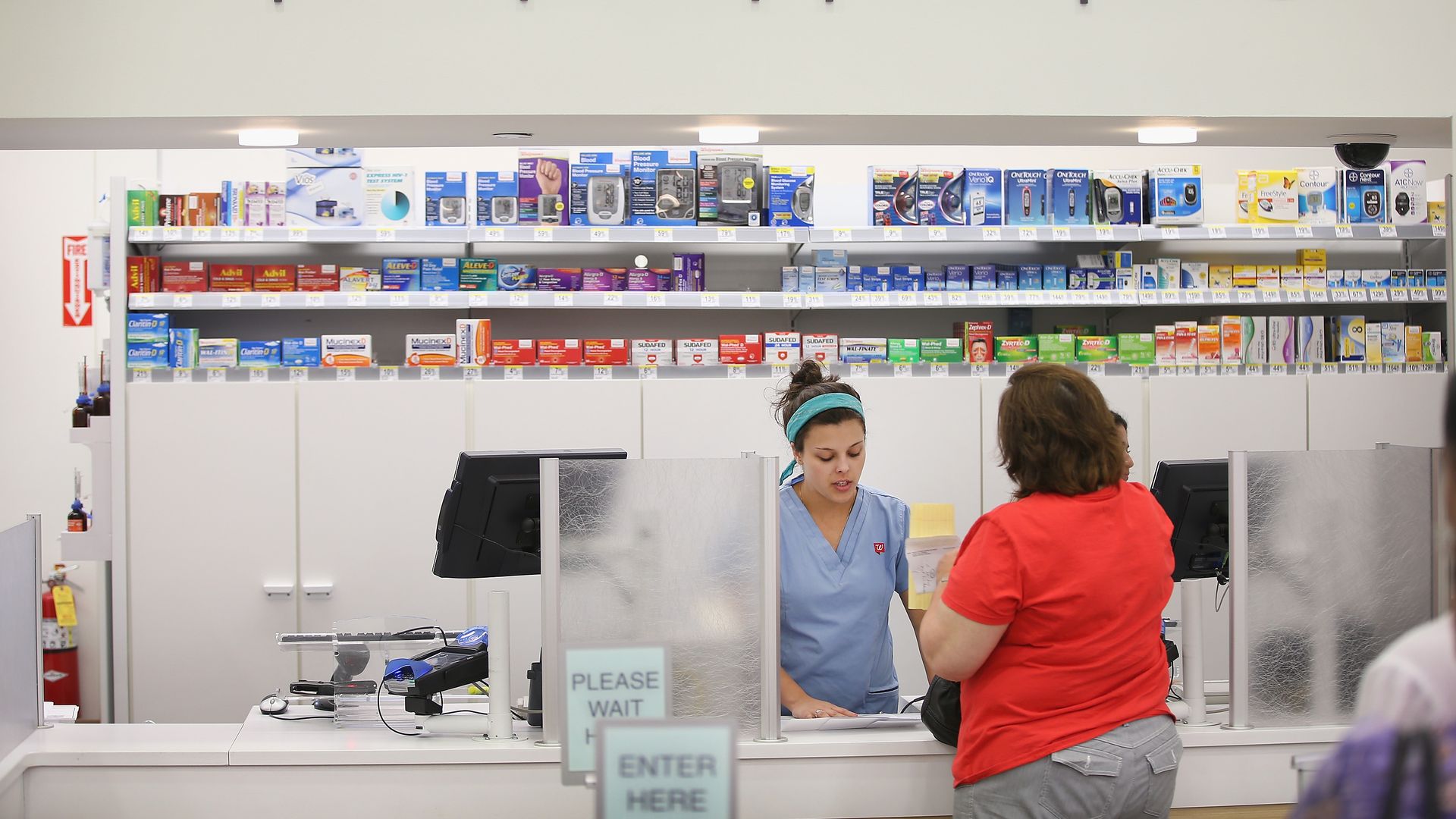
Walgreens is rolling out a new tactic to replenish its ranks of pharmacists: paying for current employees' college prep to better position them for pharmacy school.
Why it matters: Long hours, burnout and tuition costs are hindering pharmacy chains' ability to fill workforce gaps, even as they position themselves to offer more services and patient monitoring.
- Efforts to encourage technicians and other support staff to take the next step in their careers haven't caught fire because of the high cost and time to get prerequisite schooling.
Driving the news: Walgreens today is set to announce an initiative called PharmStart with talent development company Guild to offer prerequisite classes online and paid for in full, the company told Axios first.
- Up to 300 workers across six states, including Oklahoma, Texas, Oregon, Illinois, Wisconsin and Kentucky, will be selected to take advantage of the program.
6. Catch up quick
✂️ DOGE has cut more funding for HHS than any other domestic agency. (NOTUS)
🩺 North Carolina communities still struggling to recover from Hurricane Helene feel the loss after a CDC disaster team is cut. (CNN)
💊 Swiss pharma company Roche will invest $50 billion in U.S. operations over five years as tariffs loom. (CNBC)
Thanks for reading Axios Vitals, and to senior health care editor Adriel Bettelheim, managing editor Alison Snyder and copy editor Matt Piper. Please ask your friends and colleagues to sign up.
Sign up for Axios Vitals