Axios Twin Cities

August 18, 2026

Good morning!
- High around 80 with a chance of showers or thunderstorms, NWS says.
🎂 Happy birthday to our members Jackie Davis, Cheryl Schak and Rich Dresser!
⚡️ BREAKING: Gov. Tim Walz issued an executive order this morning directing his state agencies to stop issuing leases and permits for nonferrous mining in the Rainy River Headwaters Watershed.
- The move, which also calls for review of existing leases, is the latest twist in a yearslong political fight over a proposed copper-nickel mine near the Boundary Waters Canoe Area Wilderness.
Today's newsletter is 1,109 words — a 4-minute read.
1 big thing: Who speaks for the trees?
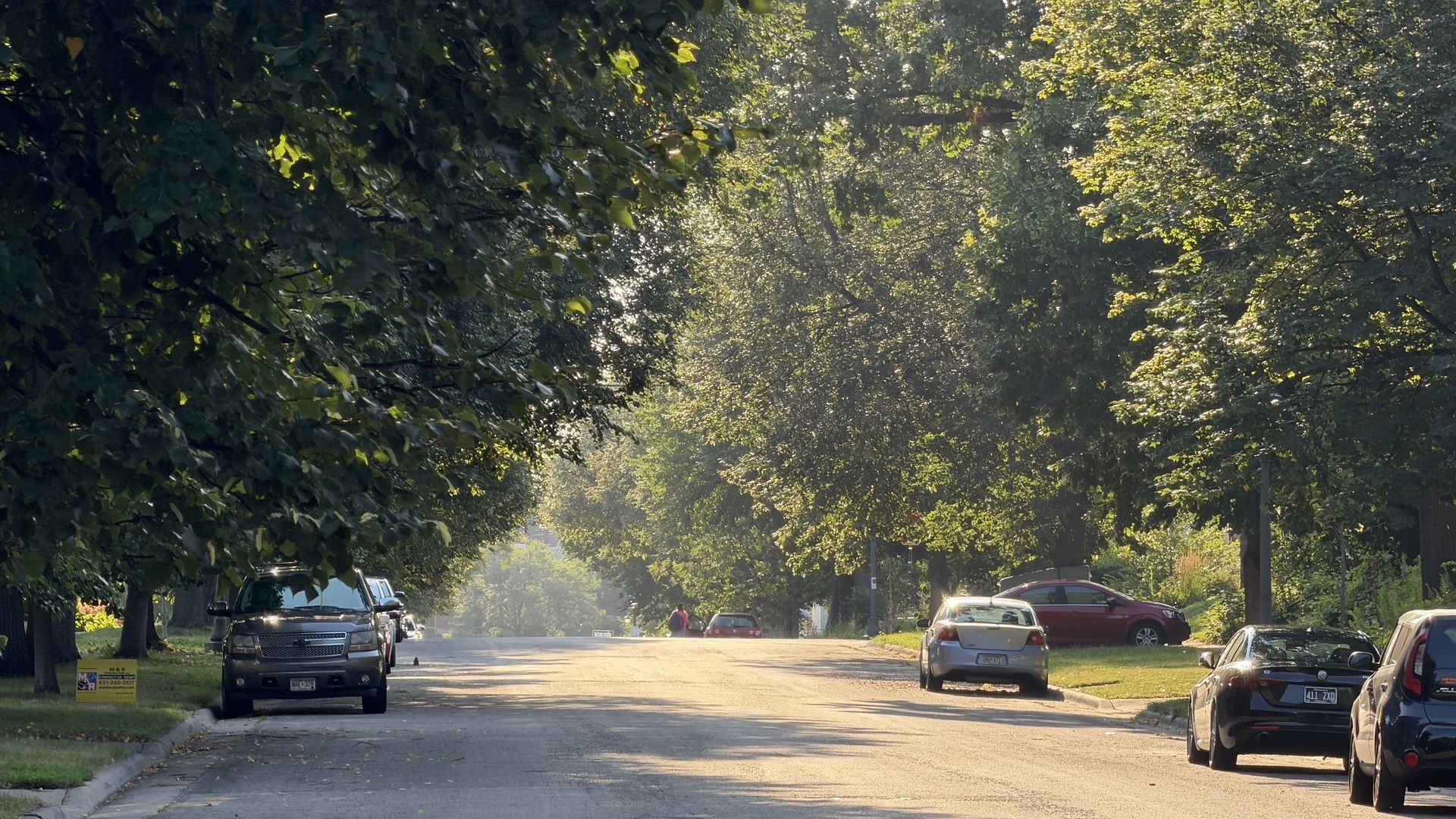
Pests, disease and poor planning have decimated the urban forest in the Twin Cities, which has lost 11% of its tree cover over the last decade, according to an Axios analysis of state data.
Why it matters: The numbers largely reflect the invasive emerald ash borer's devastation of Twin Cities tree populations and represent a huge setback to Minnesota's goals to put more communities in the shade.
- Trees cool neighborhoods, improve air quality, manage stormwater runoff, raise property values and even boost our mental health.
Yes, but: Canopy size is only one indicator of tree health. Tree population is another — and there, the news is better.
- The Twin Cities gained at least 1 million new trees between 2013 and 2023, according to data the Minnesota Department of Natural Resources released this spring.
- These new trees don't offer much shade now — but will one day.
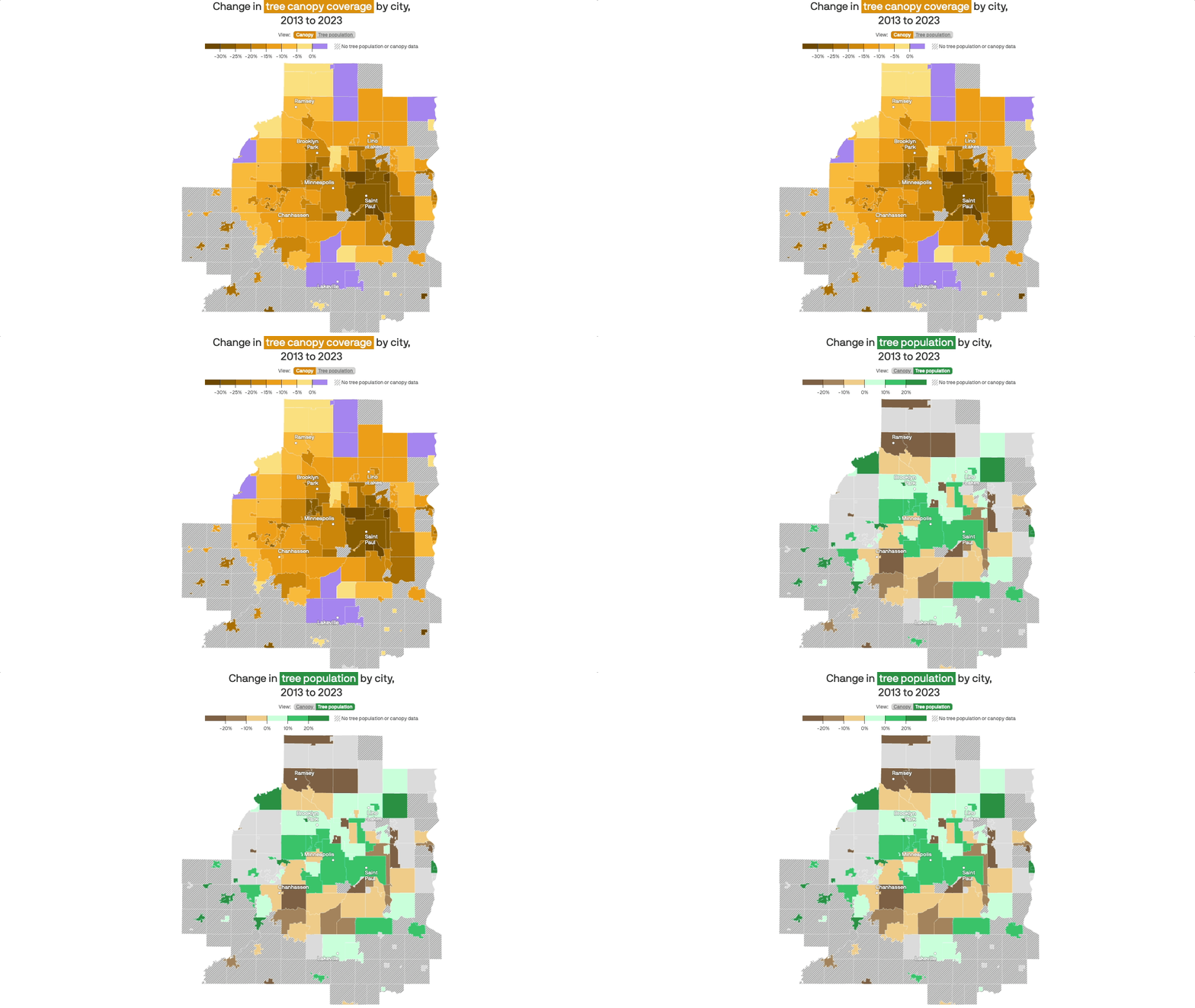
Between the lines: Considering these two metrics together offers a more complete measure of a city’s tree health, DNR urban forester Rachel Morice tells Axios.
- "A community that proactively removed declining ash and replanted with diverse, resilient species might show the same canopy loss as one that did nothing, but those two communities are in very different positions for the next 20 years,” Morice says.
Case in point: St. Paul lost 30% of its tree canopy between 2013 and 2023 as it removed roughly 35,000 ash trees from parks, boulevards and the public right-of-way to contain emerald ash borer.
- But St. Paul also replanted a tree for almost every tree cut down, spokesperson Clare Cloyd tells Axios. Overall, the city’s tree population grew by 108,000 trees over the decade — an 18% increase, per the DNR data.
Flashback: Minnesota once had more ash trees than any other state. The trees were planted in the 1970s and '80s to replace populations lost to Dutch elm disease, largely because ash is resilient against disease, Morice says.
- Planters weren’t counting on the arrival of a pest.
2. 🌳 Bonus: Trees, by the numbers
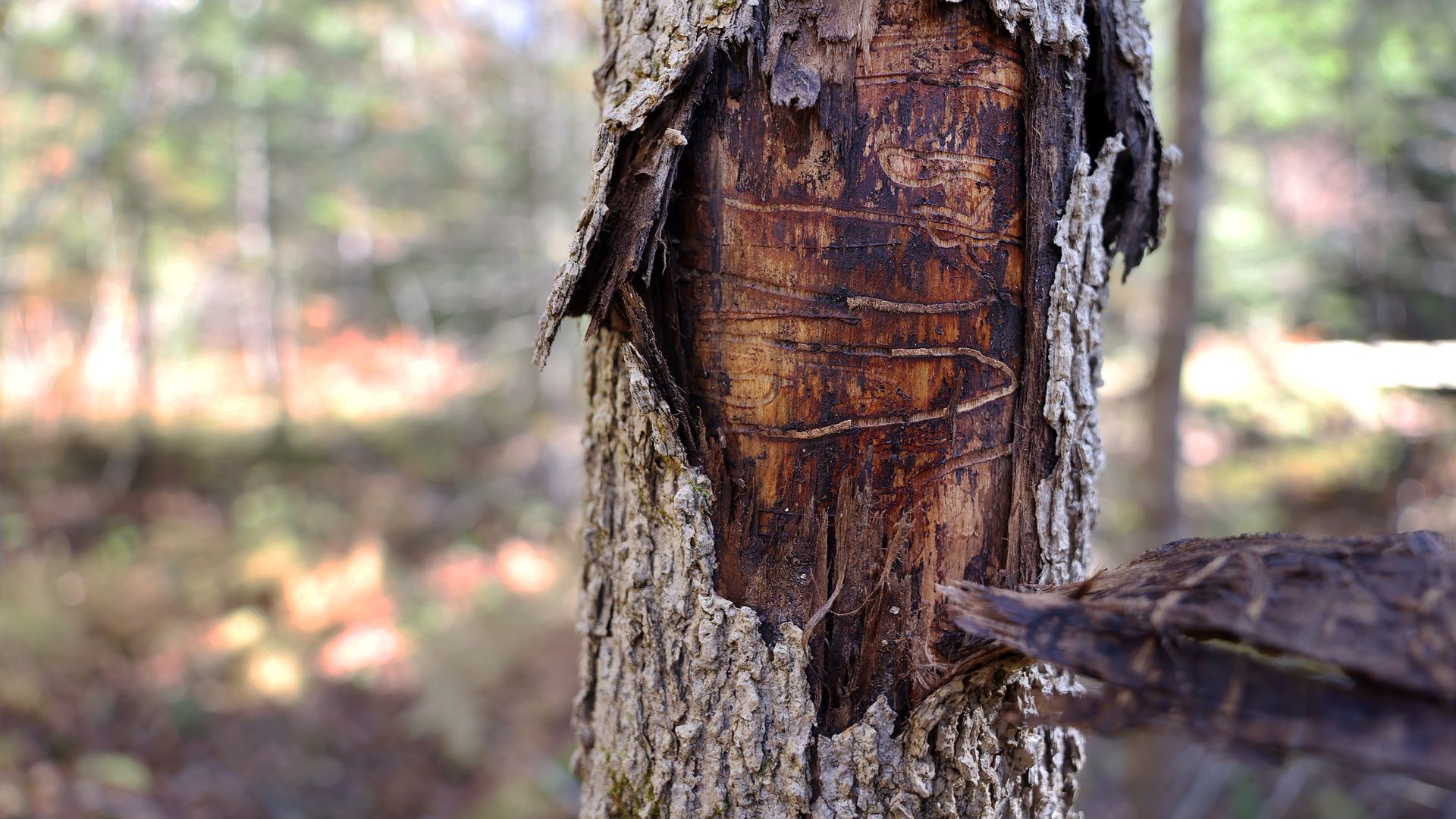
Ash was the fastest-declining species in the Twin Cities over the last decade, with some 563,000 trees lost over the decade in 97 metro cities where the DNR took detailed surveys.
Zoom in: Fungal diseases ravaged the metro's populations of spruce (-374,000 trees) and pine (-249,000 trees).
- Those losses also reflect poor planning: The Colorado blue spruce, for example, is susceptible to those fungal threats and ill-suited to Minnesota's climate — yet it's "commonly planted in Twin Cities yards," says Morice, who coordinated the DNR's data-collection effort.
The good news: The metro gained more than 791,000 northern white cedar trees — a species that's native to the region and seen by many forestry experts as a good replacement for a lost ash.
What we're watching: Dozens of communities have tapped into DNR grant programs meant to plant trees and build canopy. Cities like Edina and St. Paul have also enacted tree protection ordinances.
The bottom line: "The real measure of success isn't what we've lost," Morice says. "It's what's being planted to replace it."
3. The Spoon: Changing face of the 'burbs

📈 Brooklyn Center and Brooklyn Park were once nearly all white. Now, people of color are the majority in those suburbs, reflecting the demographic transformation of Minnesota's bedroom communities. (Star Tribune)
⚖️ Luigi Mangione's New York state trial is on hold following his guilty plea on federal charges in the 2024 slaying of United Healthcare's CEO. (Axios)
❌ A federal judge dismissed a sweeping Justice Department bid to obtain Minnesota's voter data. (KARE 11)
🦽 Thousands of nursing home workers will receive raises in September, following federal approval of new minimum wages set by the state's Nursing Home Workforce Standards Board. (Minnesota Reformer)
📺 Twin Cities PBS will rebrand as Minnesota PBS on Sept. 1 after taking over southern Minnesota's KSMQ. The Austin-based public broadcaster was at risk of shutting down after federal funding cuts. (Release)
4. More change in the Midway
Fairview plans to sell its St. Paul Midway campus, the health care giant confirmed to Axios.
Why it matters: Fairview's departure — from a site it wasn't fully using — frees 7 acres for redevelopment in a neighborhood already full of cranes and construction.
- It's just two blocks from high-profile projects near Allianz Field.
What they're saying: "Midway is clearly experiencing long-overdue change and investment," St. Paul City Council Member Molly Coleman told Axios.
- Fairview "has no preferred buyer," a spokesperson said.
5. 🗞️ HBD, Racket
Congratulations to our colleagues at Racket on reaching a milestone: The news and culture site launched five years ago today.
Why it matters: While several upstart local newsrooms have quickly built themselves into essential reads, Racket's survival feels especially precious after a bleak era that claimed too many legendary alt-weekly newspapers.
- Racket was born from the ashes of the City Pages, which closed after five years under Star Tribune ownership in 2020.
Flashback: They picked up right where City Pages left off, winning awards, filling a local lefty media niche, and carrying on the alt-weekly tradition of needling the powerful and self-important.
- They even once poked fun at our "Smart Brevity" style in a fundraising email. We wouldn't have it any other way.
6. 🎅 1 jingle to go
Bemidji is a very merry finalist in Hallmark's Merriest Christmas Town contest.
The big, jolly picture: The home of everyone's favorite corny holiday romcoms is honoring communities that bring "the spirit of Christmas to life."
- The winning town will have an opportunity to serve as a filming location for an upcoming Hallmark film.
How it works: You can vote online once a day until the Sept. 4 deadline, so in this case, stuffing a ballot box is not naughty, but nice.
- The winner will be announced in late October.
The bottom line: Bemidji is giving Bentleyville a run for its money.
Sign up for Axios Twin Cities