Axios AM Thought Bubble

June 20, 2025

🇫🇷 Bonjour from Cannes, France, where Axios' Sara Fischer is covering the Cannes Lions advertising festival. Here's the latest from the Côte d'Azur, where celebrities, influencers, brands and Big Tech are talking deals over glasses of rosé.
- Smart Brevity™ 583 words ... a 2-min. read.
1 big thing: Everyone is trying to sell your attention
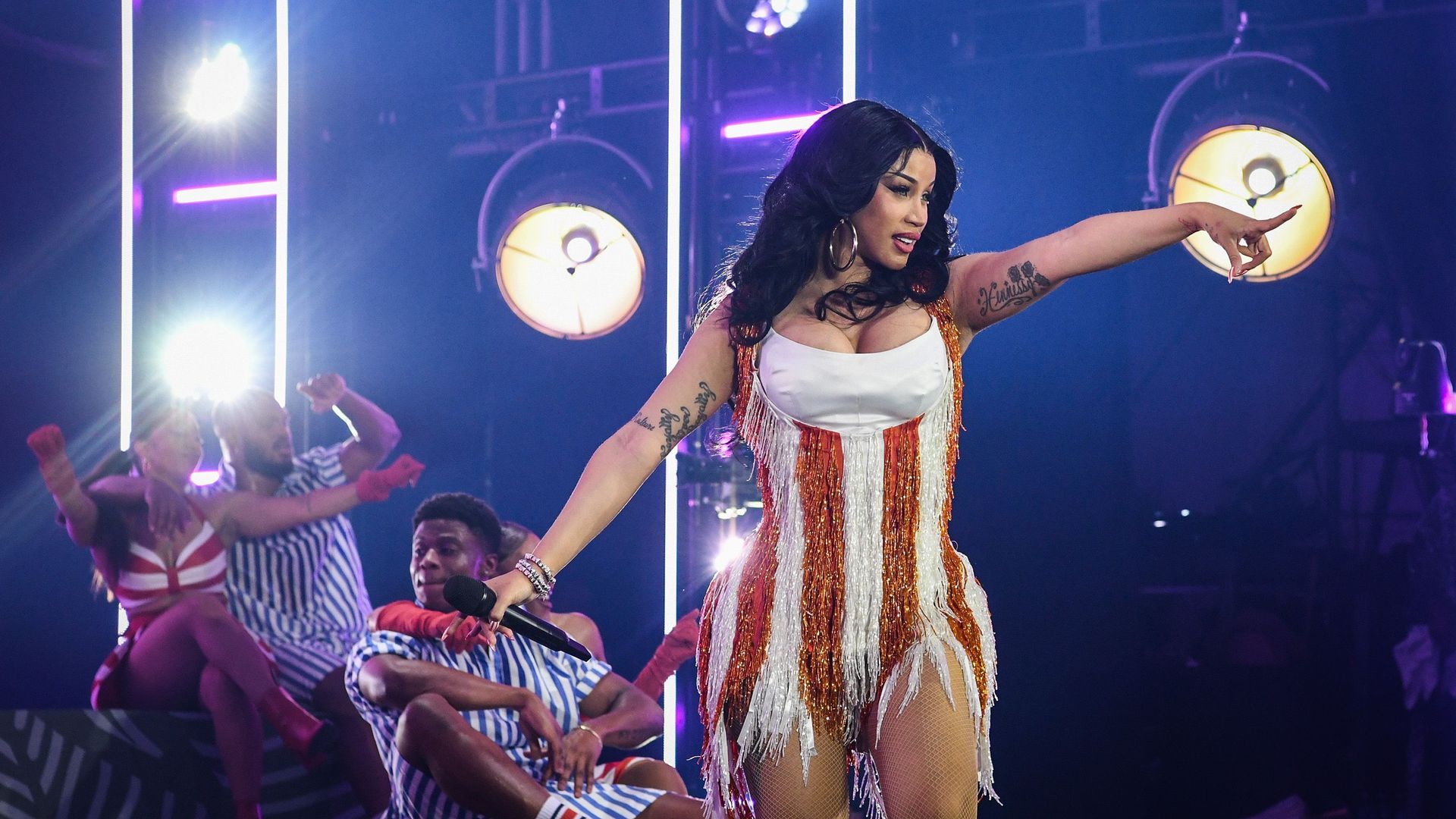
CANNES, France — The millions of dollars spent on extravagant programming, concerts and parties have made Cannes Lions a bigger spectacle than the annual Cannes Film Festival, which takes place just a few weeks before, Axios' Sara Fischer writes.
- Why it matters: The Cannes Lions advertising festival has quickly become one of the most important global convening spaces not just for brands and agencies, but for celebrities, athletes, influencers and creatives looking to tap into that growth.
🌟 State of play: A-list stars made appearances, including Jason and Travis Kelce, Ryan Reynolds, Reese Witherspoon, Dwyane Wade, Gabrielle Union, Ilona Maher, Sue Bird, Megan Rapinoe, Carmelo Anthony, Serena Williams and Jordan Chiles. So did influencers and podcasters popular among Gen Z, such as Jake Shane, Alix Earle, Alex Cooper and Anna Sitar.
- Big Tech firms and agencies looking to curry business with major advertisers mostly covered travel and accommodations in exchange for stars showing up at their venues.
👀 Stunning stat: Global ad revenue has doubled over the past decade — to $1 trillion. And Cannes Lions has grown along with it.
- Cannes Lions "is pretty different than it probably was a decade ago for sure," United Talent Agency CEO David Kramer told Axios in a stage interview Monday. "It's more expansive [than Cannes Film Festival] in terms of who it interacts with."
🔎 Zoom in: Big Tech's dominance was on full display as companies like Meta, Spotify, Google/YouTube, Pinterest and Yahoo took up many of the expensive, high-profile beach spaces along the Croisette.
- Traditional publishers were mostly relegated to smaller boats docked nearby and cheaper hotel suites and restaurants across the street.
🤳 How we got here: The massive growth in advertising with the dawn of the smartphone allowed social media and search companies to start selling a lot more inventory.
- Other companies with scaled audiences, such as grocers, retailers and travel firms, have followed suit, building their own ad businesses as a way to make more money and upsell existing customers.
- That has transformed the industry, shifting sales power from traditional publishers to technology firms.
Case in point: In 2011, the top five advertisers globally were Google, Viacom and CBS, News Corp and Fox, Comcast, and Disney, per WPP Media.
- Today, the top five advertisers globally are Google, Meta, ByteDance, Amazon and Alibaba.
What's new: Brands traditionally attended the festival to explore places to spend ad dollars — but now they're becoming ad platforms themselves.
- United Airlines, for example, handed out drinks to customers boarding its flights from Newark to Nice last weekend, celebrating the first anniversary of its ad network, Kinective Media.
- "We flew 174 million people in 2024, so we've certainly got scale. The quality of audience is obviously there. By definition, they're not bots. They're real people," United MileagePlus CEO Richard Nunn told Axios in an interview.
- Fliers interact with a plethora of screens during their journey — from mobile devices to TVs in lounges, at gates and on the plane — which Nunn said serves as a "multi-channel" digital platform with reach.
The bottom line: Everyone's in the ad business now, and Big Tech has only accelerated that shift.
Thanks to Christine Wang for editing and Sheryl Miller for copy editing.