Axios Tampa Bay

August 07, 2026


1 big thing: "The situation is dire"

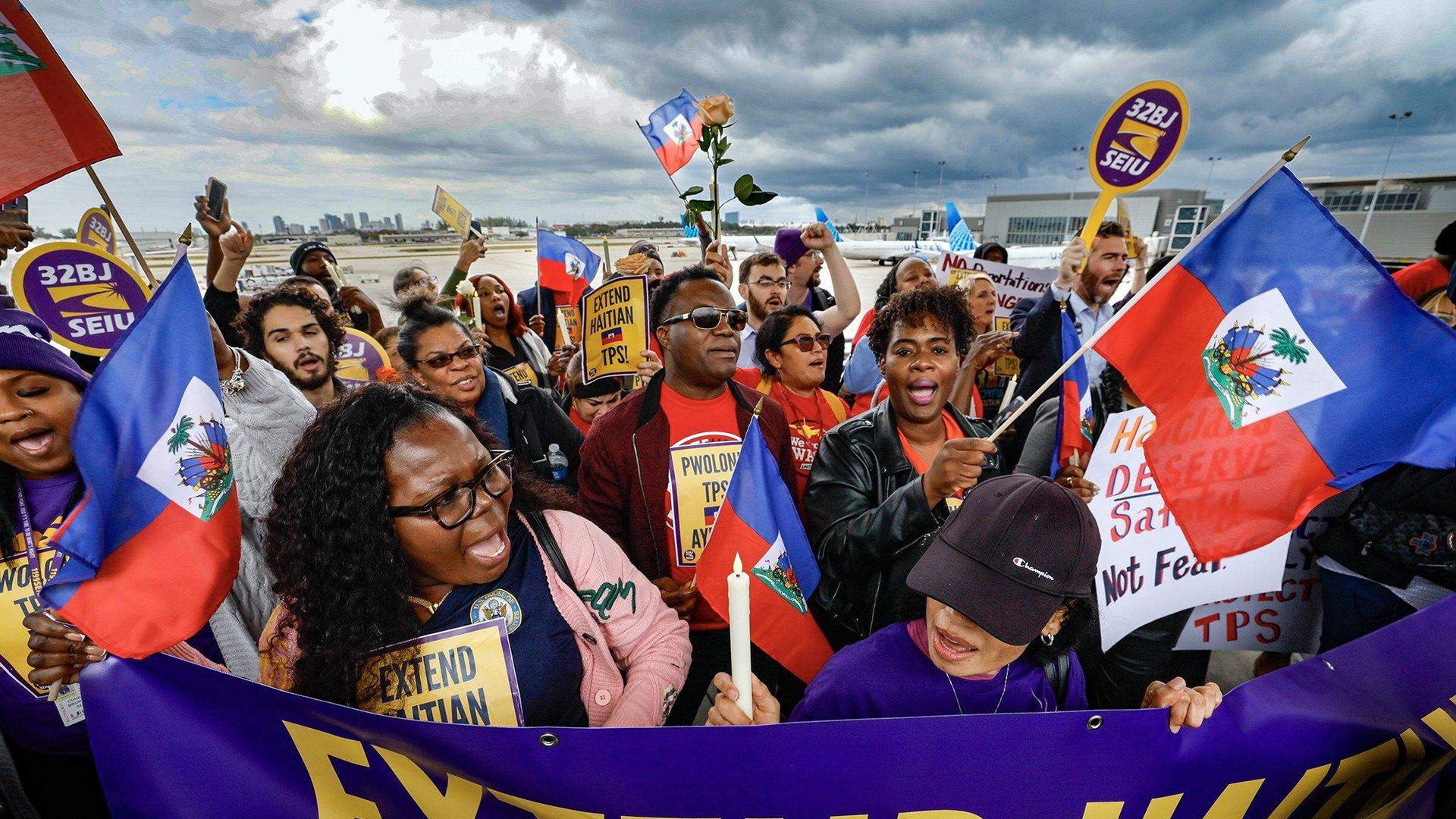
As the Haitian and Venezuelan communities grapple with the end of Temporary Protected Status, immigration activists hope that a bipartisan House bill could help those who lost their legal status.
The big picture: In Florida, which is home to more Haitian and Venezuelan immigrants than any other state, those with expired TPS now live in fear of deportation.
- Those populations are primarily concentrated in South Florida, but thousands of Haitian and Venezuelan immigrants live in Tampa Bay, per the Migration Policy Institute.
- Last year, the Trump administration ended TPS for about 650,000 Venezuelans. This summer, an estimated 350,000 Haitians lost their TPS.
Driving the news: The American Dream and Promise Act would give permanent residency to eligible TPS holders, along with certain immigrants brought to the U.S. as children.
- Miami Republican Congresswoman María Elvira Salazar and other co-sponsors of the bill are trying to force a vote in the House through a discharge petition, which currently has 210 of the needed 218 signatures to call a vote.
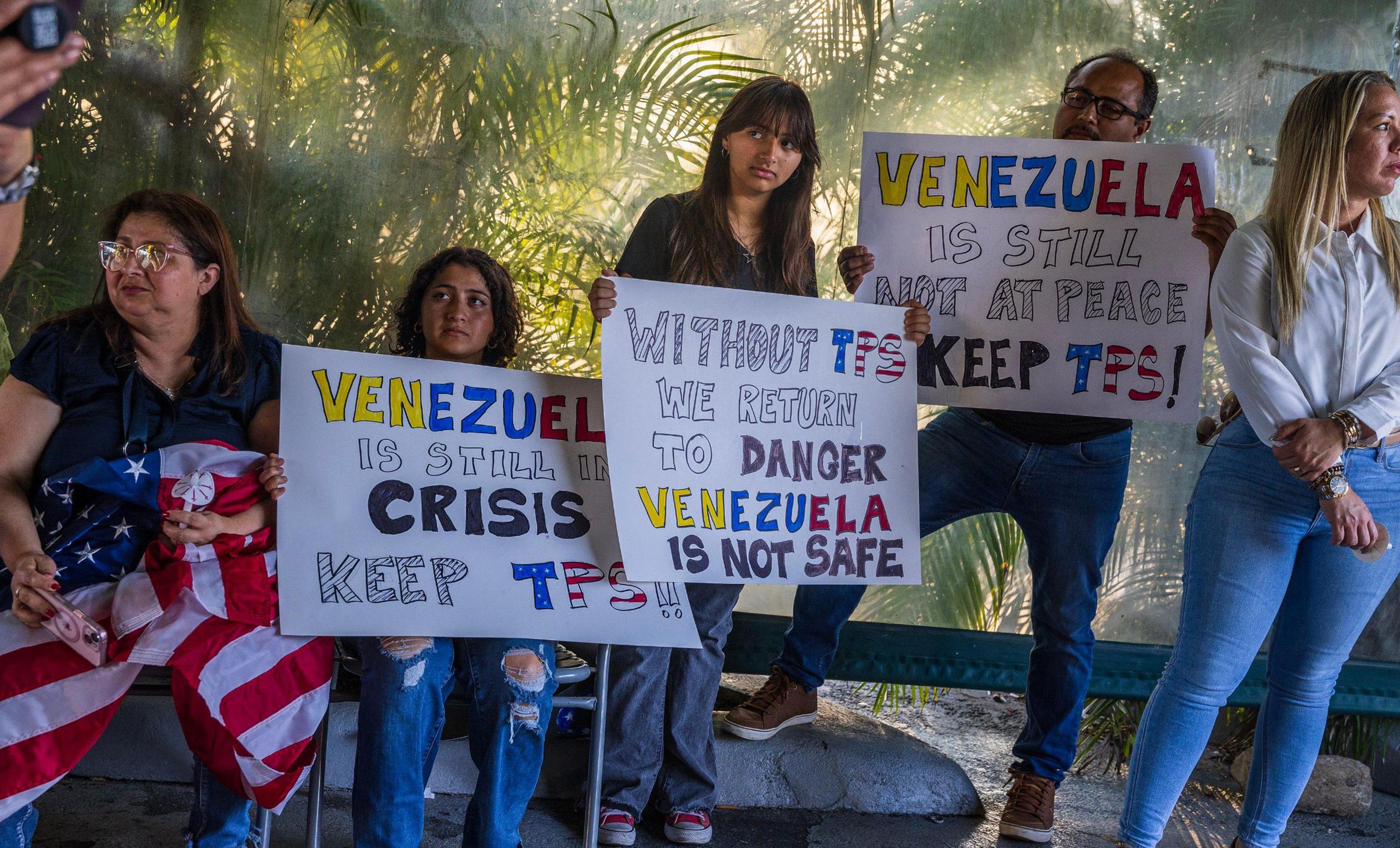
How it works: The bill would give permanent residency to TPS beneficiaries who were eligible for TPS in 2017, have lived three years in the U.S. and follow other requirements.
- It would also give residency to eligible immigrants brought to the country as children who have been living in the U.S. since 2021 and pursued their education here.
What they're saying: Salazar tells Axios she signed the discharge petition "because the situation is dire, and we cannot allow Congress to keep avoiding the issue."
- She said conditions remain unsafe in Venezuela and Haiti for TPS recipients to return.
Zoom in: Adelys Ferro, executive director of the South Florida-based Venezuelan American Caucus, said in a video posted to Instagram that the bill is the best current legislative path for TPS holders to stay in the country.
- She tells Axios that Venezuelan TPS holders in Miami are living in hiding because they no longer have legal status.
- Many have stopped working, sold their businesses and houses, and now live with friends and family members, she said.
- "People are terrified to leave their houses, people are terrified to open the doors to their houses."
What we're watching: Even if the bill passes the House, it would then head to a Senate that recently blocked a proposed extension of Haitian TPS.
- "We're gonna fight, we're not giving up until we find a way to help them," Ferro says.
2. 📈 Florida among measles hot spots


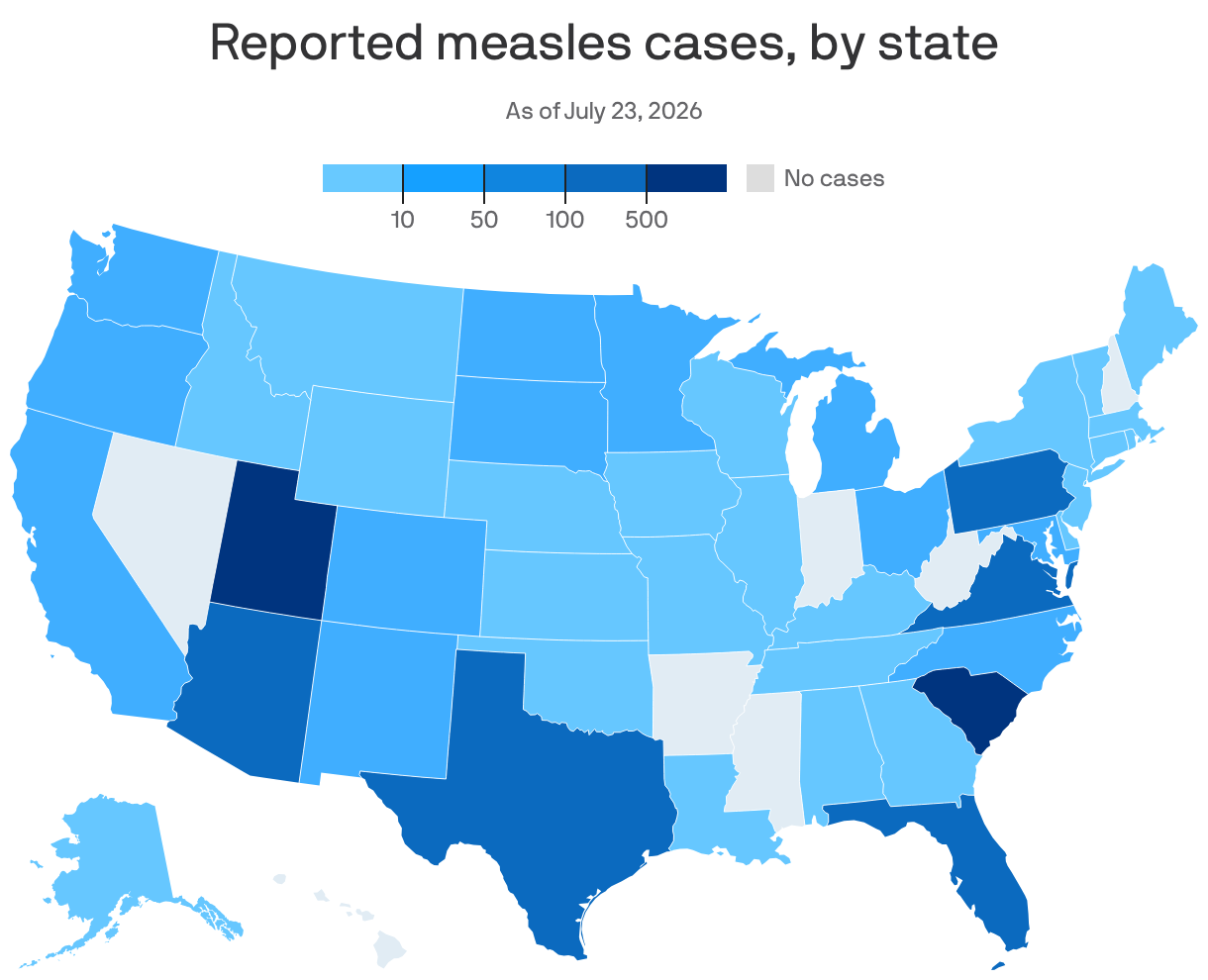
Florida is among seven states that account for the majority of measles cases in the U.S., becoming hot spots for the life-threatening disease.
Why it matters: The U.S. measles case count has officially shattered last year's record — hitting levels unseen in more than three decades, according to recently released Centers for Disease Control and Prevention data.
- The numbers continue to climb even as school is set to resume.
The latest: As of late July, the CDC had recorded 2,318 cases for the year. The vast majority of those sickened are under 20 years old and are either unvaccinated or their status is unknown. There have been no recorded deaths.
- Measles was declared eliminated in the U.S. some 26 years ago, thanks to an effective vaccination program.
- When more than 95% of people are vaccinated in a community, most people are protected — but vaccination coverage among kindergarteners has slipped — including in Florida.
Yes, but: Sustained outbreaks over the past two years signal that the virus is finding new footing in areas with low vaccine coverage.
By the numbers: Seven states — South Carolina, Utah, Texas, Virginia, Florida, Pennsylvania and Arizona — represent more than 84% of the national count of cases, according to CDC data.
Zoom in: Florida has seen 141 cases this year through July after only seeing eight cases in 2025 and 11 in 2025, per the CDC.
- The Sunshine State saw a surge of cases earlier in the year, but there were signs that the state's outbreaks were slowing down.
3. The Pulp: PIE could get facelift

4. 😰 How heat shapes our lives

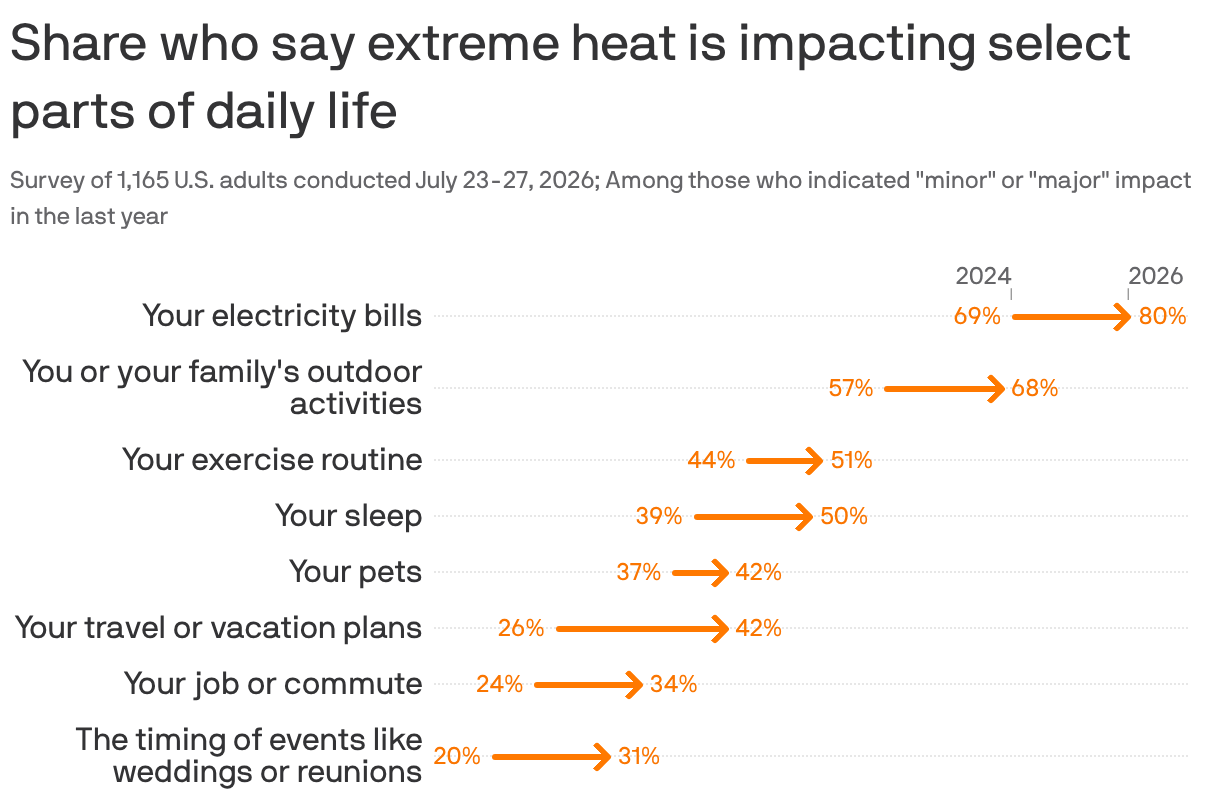
Greater shares of Americans now say that extreme heat has affected various parts of day-to-day life compared to just two years ago.
Why it matters: The findings, from the AP-NORC Center for Public Affairs Research, suggest that people are increasingly aware of extreme heat's impact on their health, budgets, travel plans and more.
By the numbers: 90% of Americans now say that extreme heat has had at least a minor impact on their lives broadly, up from 83% two years ago.
- 80% now say that extreme heat has had at least a minor impact on their power bills, up from 69% in 2024.
- 68% say it's affecting their outdoor activities, up from 57%.
- 42% say it's affecting their travel or vacation plans, up from 26%.
Between the lines: Researchers have found that climate change is making extreme heat events more frequent and more intense.
- Yet the share of Americans who say that climate change is happening is dropping: 66% said so in this latest survey, down from 73% last year.
5. 🤔 Take our News Quiz!

Axios Tampa Bay
