Axios Seattle

August 19, 2025

It's Tuesday!
🌥️ Today's weather: Partly sunny. High near 77.
🧩 Become a core piece of our newsroom when you become a member today.
🎂 Happy birthday to our Axios Seattle member Mel Eslyn!
Situational awareness: The northbound Highway 99 tunnel lanes will close for construction from 11 tonight to 4:30am tomorrow, per WSDOT.
- Northbound closures may continue for up to three more nights — then, nighttime work will shift to the southbound tunnel lanes. (It's all supposed to be done before Labor Day weekend.)
Today's newsletter is 1,004 words, a 4-minute read.
1 big thing: 💡 Rethinking higher ed
Western Governors University, a nonprofit online school, is quietly transforming how working adults in Washington earn degrees.
Why it matters: WGU's flat-rate tuition and competency-based model have helped nearly 14,000 Washington students — and 47,000 alumni — earn degrees faster and cheaper, advocates say.
The big picture: The school's model — in place for nearly 30 years and built around employer-designed programs, virtual labs and simulations — is gaining momentum as a national workforce blueprint.
Driving the news: The Departments of Labor, Commerce and Education last week released a sweeping plan to shift away from the "college for all" model and invest in skills-based, employer-led training that echoes WGU's efforts.
- It prioritizes apprenticeships, AI-powered tools and outcome-based funding to realign the U.S. workforce with high-demand careers.
How it works: Most WGU students are "working learners" with full-time jobs and an average age of 33, president Scott Pulsipher told Axios.
- WGU charges a flat tuition rate of about $4,000 per six months.
- It offers 75 bachelor's and master's degrees, as well as certifications across business, education, healthcare and technology.
- The average bachelor's degree student finishes in 2.5 years at a cost of about $20,000, according to the university.
WGU — now the nation's largest university, with more than 180,000 enrollees — was founded in 1997 by a coalition of governors, including Washington's Mike Lowry, to build a pipeline of skilled workers.
What they're saying: The goal is "increasing access to high-quality education at affordable costs," Pulsipher said.
By the numbers: Nearly seven in 10 alumni say their degree was worth the cost, almost double the national average, per a 2024 alumni survey by Gallup for WGU.
- The typical alumni salary boost is $22,000 annually, per the university.
The other side: Some critics argue the model sacrifices critical thinking in favor of transactional training, and a 2017 federal audit found courses resembled correspondence classes and student-faculty interaction was limited.
- WGU pushed back and the Department of Education ultimately declined to pursue action.
What we're watching: Whether WGU's model — which mirrors the America's Talent Strategy blueprint — becomes a template for future federal funding in higher ed.
2. Sea-Tac to get biometric "eGates"

CLEAR and TSA are piloting biometric "eGates" this month at Seattle-Tacoma International Airport and two other airports, with plans to eventually roll out the technology nationwide, the identity verification company told Axios exclusively.
Why it matters: U.S. airports are bracing for record-breaking crowds in 2026 with the FIFA World Cup.
- Millions of international visitors are expected for the global sporting event, which will put historic pressure on security checkpoints — including in Seattle, which is hosting six matches next summer as part of the tournament.
What they're saying: "This is frictionless travel. This is more secure," CLEAR CEO Caryn Seidman-Becker told Axios. "This is making airports great again, ahead of the World Cup."
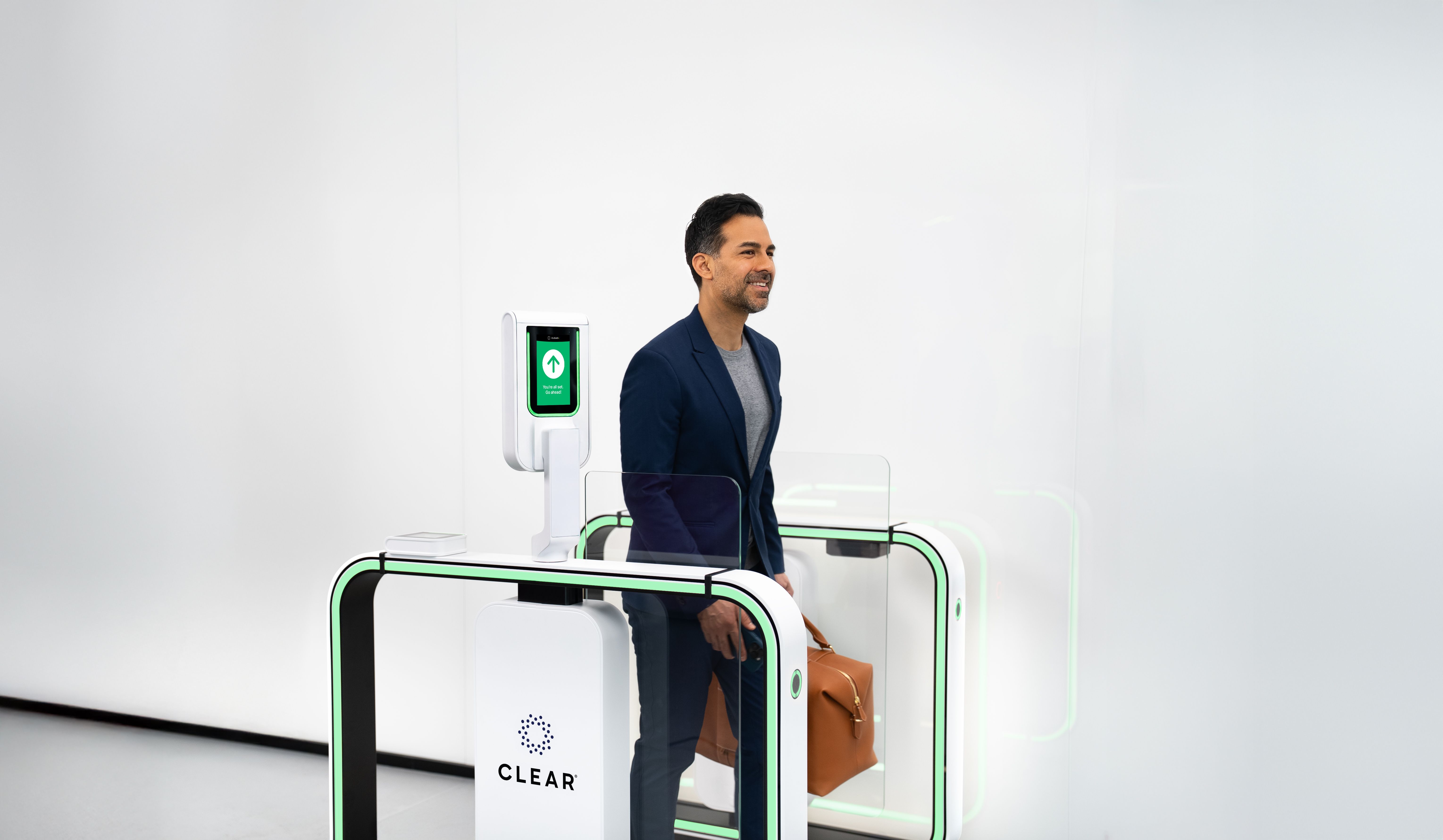
How it works: Travelers step into an eGate that conduct real-time biometric verification, matching a traveler's face to their ID and boarding pass.
- TSA keeps full operational control, from triggering gate access to vetting security, CLEAR said.
- Once cleared, passengers move directly to screening and bypass the TSA podium.
- "It's fully integrated. It's one step. And the total transaction time should be between three and six seconds," Seidman-Becker said, noting it frees CLEAR employees "to bring other services to travelers."
Between the lines: The rollout underscores TSA's growing comfort with biometric identity verification, once controversial but now increasingly mainstream.
Yes, but: Only CLEAR+ members can opt-in to eGates.
What's next: The eGates are set to debut at Sea-Tac the week of Aug. 31.
- They're debuting at the Atlanta airport today and next week at Reagan National Airport in Washington, D.C.
- A nationwide rollout is planned ahead of the World Cup next summer, Seidman-Becker said.
3. Morning Buzz: 👀 In-N-Out bypasses Seattle
🍔 California burger chain In-N-Out will open its first Washington state location Wednesday in Ridgefield. (KIRO 7)
- For die-hard fans, that's only about a 2.5 hour drive from Seattle — if you can avoid I-5 traffic (doubtful).
🧠 Use of a free mental health therapy service for youth in Seattle has doubled in recent months, with more than 500 young people signing up for the teletherapy program since its launch last December. (Seattle Times)
4. Pumpkin spice superfans
Washington state residents are bigger fans of pumpkin spice lattes than people in most other states, according to DoorDash data.
- And, if you think August is too early for anyone to be putting in those PSL orders, you'd be wrong.
By the numbers: Among U.S. states, Washington ranks fifth in terms of per-person pumpkin spice latte (PSL) orders, according to DoorDash data shared with Axios.
- That's based on pumpkin spice orders placed through the app from Aug. 1 to Dec. 1 of last year.
The big picture: Last fall, national PSL demand spiked on Aug. 19 — nearly two weeks earlier than it did in 2021 — per DoorDash.
- And searches for "pumpkin spice" in July increased by 49% this year, according to Yelp data.
What's next: Starbucks won't start rolling out pumpkin spice lattes in its cafes until Aug. 26 this year.
- But the Seattle-based coffee giant has already made pumpkin spice creamers and coffee — as well as ready-to-drink beverages — available in grocery stores, Axios' Kelly Tyko reports.
☕️ Melissa doesn't do pumpkin spice. She drinks her coffee black and her whiskey neat (like every reporter stereotype you've ever heard).
🔑 Clarridge is booking her first escape room adventure.
This newsletter was edited by Geoff Ziezulewicz.
Sign up for Axios Seattle