Axios San Francisco

March 07, 2023
What up? It's Tuesday.
☀️ Today's weather: Mostly sunny, with a high near 52. Showers are likely this evening.
Like what you see? Support local journalism by becoming a member today.
Today's newsletter is 901 words — a 3.5-minute read.
1 big thing: Uber launches airport guides
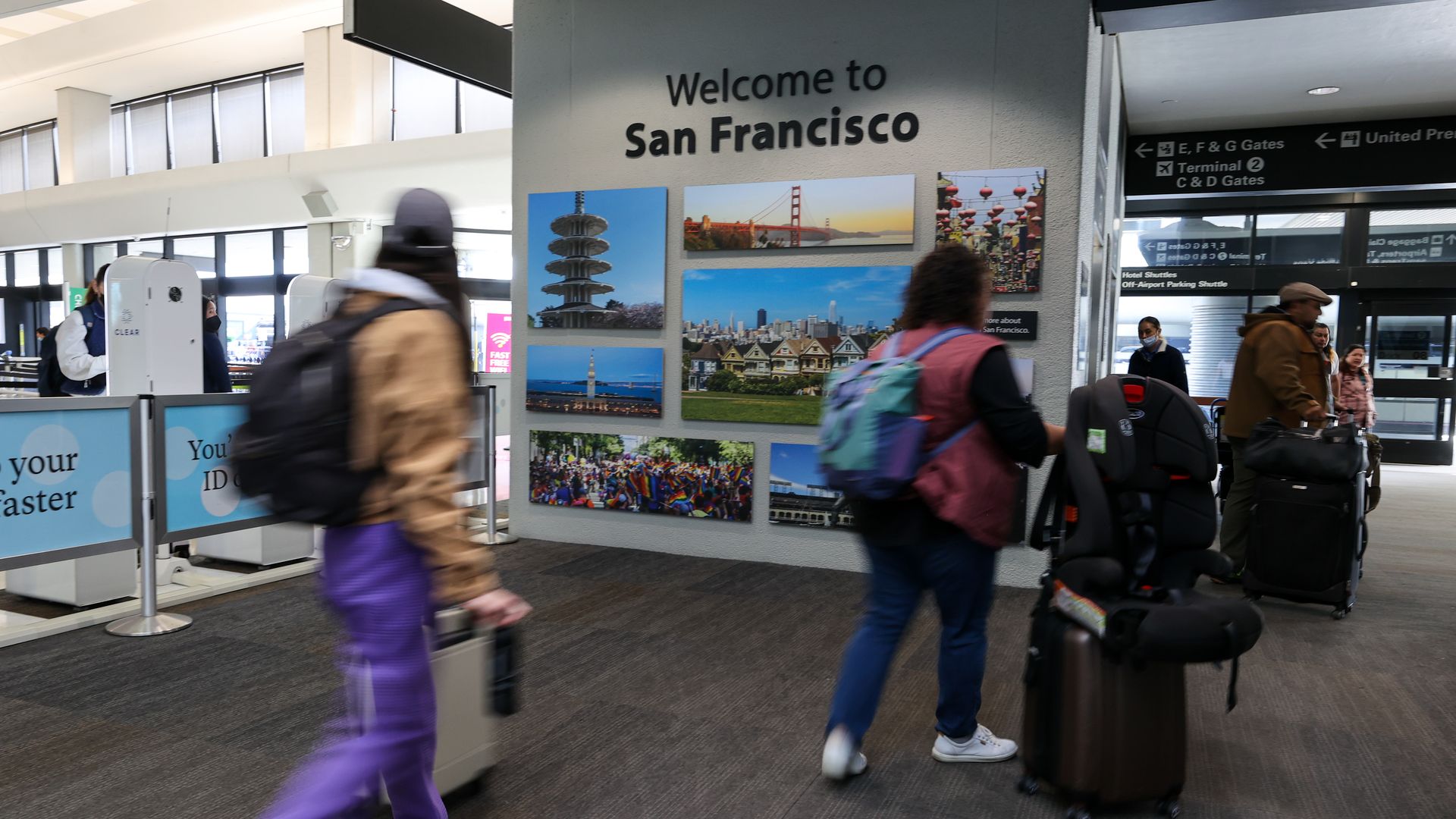
Passengers arrive at SFO. Photo: Tayfun Coskun/Anadolu Agency via Getty Images
We've all been there before — at an airport, tired after a long flight and searching for the rideshare pickup area. Uber now hopes to simplify that experience.
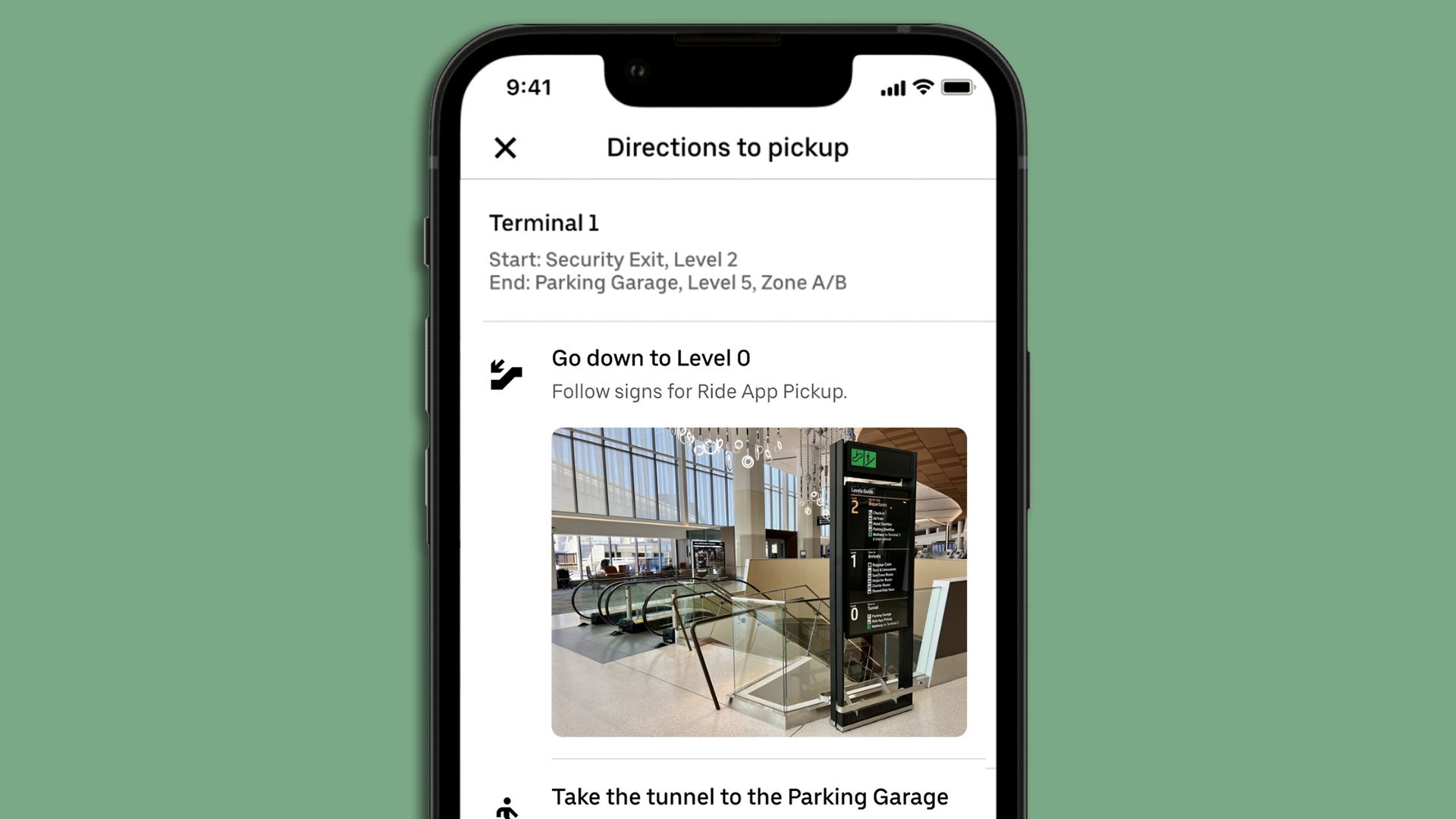
What's happening: The rideshare giant announced today that it's adding step-by-step instructions within its app to navigate travelers from the plane to their Uber pickup zone.
- The handy feature — which will include directions and accompanying photos — will be available at more than 30 airports worldwide to start, including San Francisco International Airport.
Why it matters: Trips to-and-from the airport represent around 15% of Uber's total rideshare bookings. And with competition emerging from driverless services like Waymo and Cruise, the company will need to continue to hone its user experience to maintain a foothold in the market.
Details: As part of the announcement, Uber also said it'll soon roll out "walking ETAs" at more than 400 airports, so travelers can more accurately know when to call for a ride and cut down on their wait times.
- The company's expanding its reservation feature in several cities as well to include more ride types.
What they're saying: "Travel is already so unpredictable and such a load on people's minds, especially when traveling with family and kids," Jen You, head of product for rides at Uber, told Axios. "We want ride logistics to be the easiest part of your day."
💭 Nick's thought bubble: The Wall Street Journal recently rated SFO the best large airport in America, and I totally agree. It's clean, the food's great, and for the most part, it's easy to navigate.
- My one beef is its rideshare pickup area. Or, the lack of instructions for getting there. No matter how often I travel, I'm always slightly confused.
- Now, I'm looking forward to finding that random, bottom-level passageway easier next time I fly!
Take your career to the next level
💼 Check out who's hiring on our Job Board.
- Director, Global Customer Success at Olympus.
- Director, Corporate Internal Communications at Toast.
- Product Analyst at Pandora.
Want more opportunities? Check out our Job Board.
Hiring? Post a job.
2. Shoplifting deterrents can drive down sales
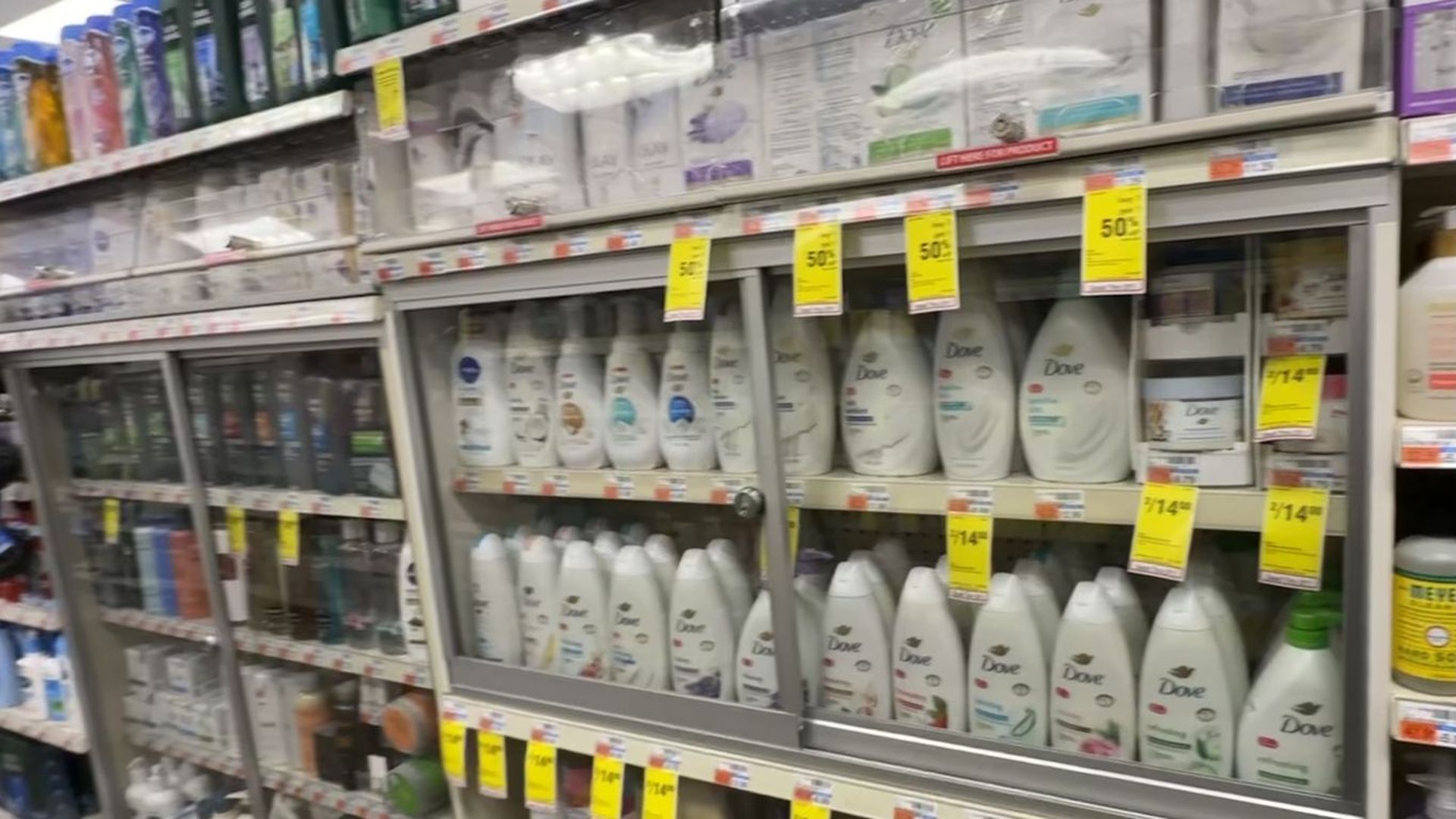
Body wash, a commonly stolen item, is locked up in some stores. Photo: Kelly Tyko/Axios
San Francisco and Oakland are among the top areas affected by organized retail theft, according to a recent survey, but efforts to combat theft can cause sales to drop.
Why it matters: Precautions to prevent a rise in retail theft mean everything from toothpaste to laundry detergent to baby formula is kept under lock and key. But these safeguards are deterring shoppers from making in-store purchases, Axios' Kelly Tyko reports.
State of play: Large metro areas where retail theft has been higher often have more inventory behind locked cases than rural areas, and San Francisco and Oakland together rank second on the list of areas most affected by organized retail crime, according to the National Retail Federation's 2022 National Retail Security Survey.
- Locked cases can cause sales to drop 15% to 25%, Joe Budano, CEO of anti-theft technology company Indyme, told Axios.
- The inconvenience of locked cases — and having to find an employee to open them for things like razors, body wash and technology items — end up driving customers to shop online, GlobalData retail analyst Neil Saunders said.
- Stolen merchandise is also often sold on online marketplaces like Amazon, eBay and Facebook, Saunders said.
💭 Megan's thought bubble: I refuse to buy dish soap, deodorant and other basic items at certain Walgreens and Safeway stores in San Francisco because of these deterrents.
- The time it takes to get an employee to come over and unlock the case is just not worth the hassle, especially when I can easily buy these items elsewhere.
Between the lines: Earlier this year, Walgreens said it may have overblown concerns about retail theft at its stores.
- Meanwhile, San Francisco grabbed headlines in 2021 following the robberies of several high-end stores in Union Square.
What to watch: In December, state Assemblymember Al Muratsuchi (D-Torrance) introduced a bill (AB 23) that would lower the threshold for more serious retail theft from $950 to $400.
- "We need to protect our communities against retail theft crimes, or the 'smash and grab' crimes that have become commonplace," Muratsuchi previously told Axios.
3. The Wiggle: Navigating the news
Illustration: Allie Carl/Axios
💸 Amazon is closing all four of its Go convenience stores that operate without cashiers in San Francisco, along with some stores in Seattle and New York City. (SF Chronicle)
The San Francisco Standard's Astrid Kane recently shared their journey navigating the bureaucratic hurdles to legally change their gender identity to nonbinary. Spoiler alert: It wasn't easy. (SF Standard)
🏈 49ers quarterback Brock Purdy will undergo elbow surgery on Friday, after he injured it in the NFC championship game against the Philadelphia Eagles in January. (SF Chronicle)
4. "Sorry for killing most of humanity"

Illustration: Sarah Grillo/Axios
A new art installation aims to increase awareness about artificial intelligence's power both for good and for destruction.
What's happening: The installation, called the Misalignment Museum, held its grand opening on Friday in the Mission, Wired's Khari Johnson reports.
- One exhibit, "Spambots," types an AI-generated version of Aldous Huxley's novel "Brave New World," while another piece of art features broom-equipped Roomba vacuum cleaners.
- The installation is scheduled to run through May 1, but the creators hope to make it a permanent exhibit.
Of note: One of the walls, which Mission Local says is visible from the street, reads, "Sorry for killing most of humanity."
What they're saying: "There's so much goodness this kind of tech can engender, so much suffering it can prevent, and then there's the aspect of how much destruction it can cause and how much can get lost in that process," Audrey Kim, the museum's curator, told Wired.
What's next: The installation is open to the public Thursdays and Fridays from 4-7pm and Saturdays from 2-5pm.
🤷🏾♀️ Megan was shamed at the Toyota maintenance shop for somehow bending her car key.
🙈 Nick can't stop watching the Tahoe car sliding video.
This newsletter was edited by Rachel La Corte and copy edited by Yasmeen Altaji and David Chiu.
Sign up for Axios San Francisco

Get smarter, faster on what matters in San Francisco with Nadia Lopez and Shawna Chen.