Axios Raleigh

February 26, 2026
Hello! It's Thursday.
🌧️ Today's weather: Rain, with a high of 60 and a low of 44.
Today's newsletter is 939 words — a 3.5-minute read.
1 big thing: North Carolina farmers are in tariff limbo
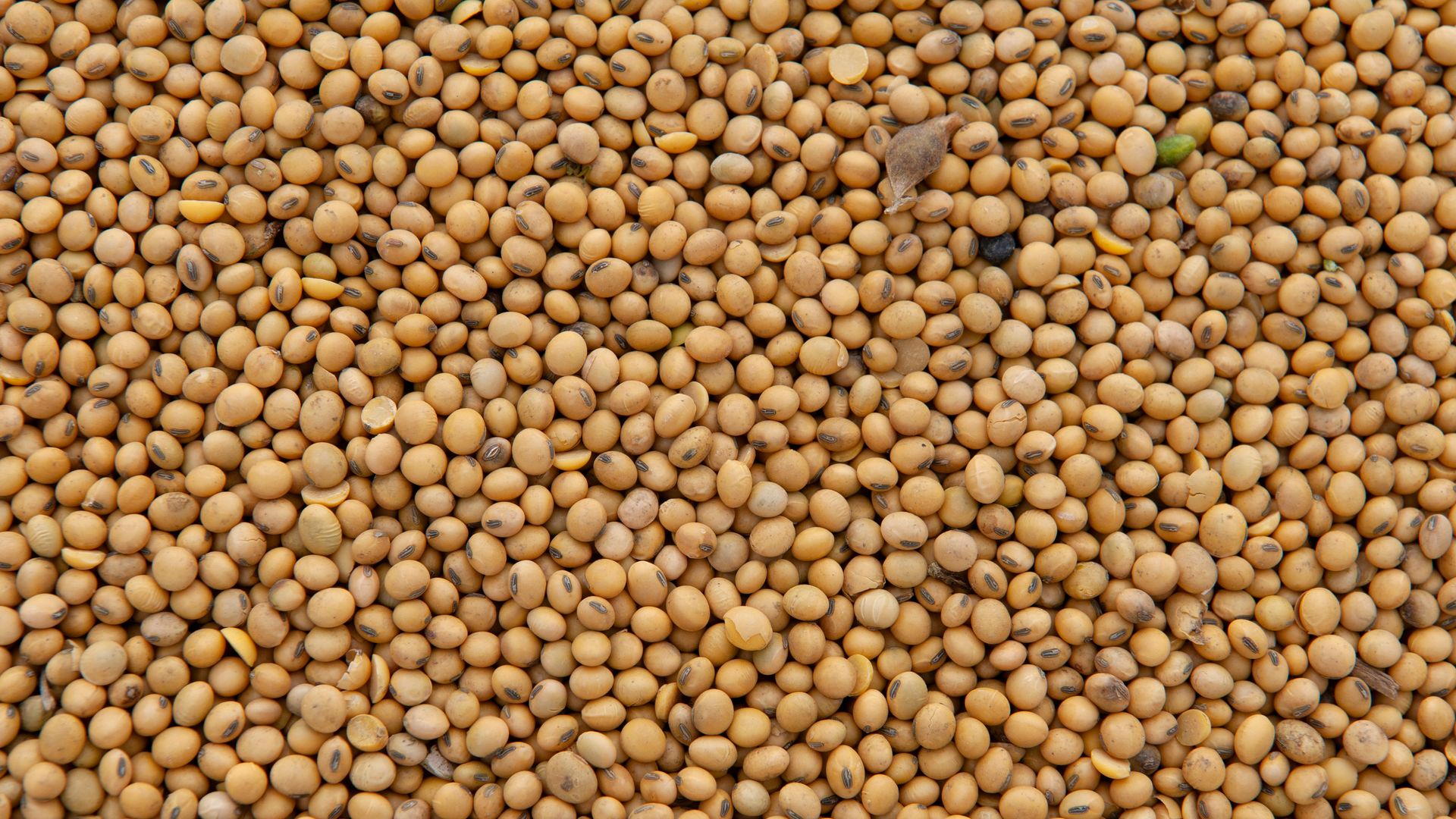
North Carolina farmers are grappling with renewed uncertainty after the U.S. Supreme Court struck down many of the Trump administration's sweeping global tariffs.
Why it matters: North Carolina farmers of soybean and corn, the state's two biggest crops by acreage, are stuck in a cost-price squeeze that has been elevated by tariffs, said Charles Hall, the executive director of the N.C. Soybean Producers Association.
- In other words, farmers are paying more for equipment and other inputs — in part because of tariffs — than they're earning from crop sales.
- "There's probably even less clarity now than there was before" on tariffs, Hall told Axios.
Driving the news: That's due in part to the Trump administration moving immediately to a different tactic to implement the tariffs it would like to see. This is likely to draw more litigation, Axios' Courtenay Brown writes.
- For its part, the N.C. Soybean Producers Association and its national counterpart are calling on the Trump administration to refrain from imposing tariffs on agricultural inputs such as fertilizer, equipment and pesticides.
What's happening: Hall said the costs of those key inputs, especially fertilizer, are making it more expensive to plant their key crops, and haven't come down since the pandemic.
- At the same time, prices for soybeans and corn have not tracked those input increases, making it unprofitable for many farmers.
- China's unpredictable buying of soybeans because of its trade disputes with the U.S. is keeping prices down, and experts are predicting a third year of losses for soybean farmers.
Zoom out: North Carolina paid out an estimated $3.5 billion in tariffs last year under the International Emergency Economic Powers Act, a previously untested law.
Context: In a good year, soybeans and corn generate more than $1 billion for North Carolina farmers. They also support other vital industries in the state, including pork and poultry.
The big picture: Rising prices are causing a "winnowing of farmers" in North Carolina every year, as farmers have to decide whether to plant or not, Hall said.
- Many of them, Hall said, aren't even able to make the choice themselves. Banks, he noted, won't lend to them, given the way prices are and the previous losses they might be carrying.
- "We're losing good farmers," he said. "It's a stressful period for them all."
2. 👀 Waymo's on our doorstep

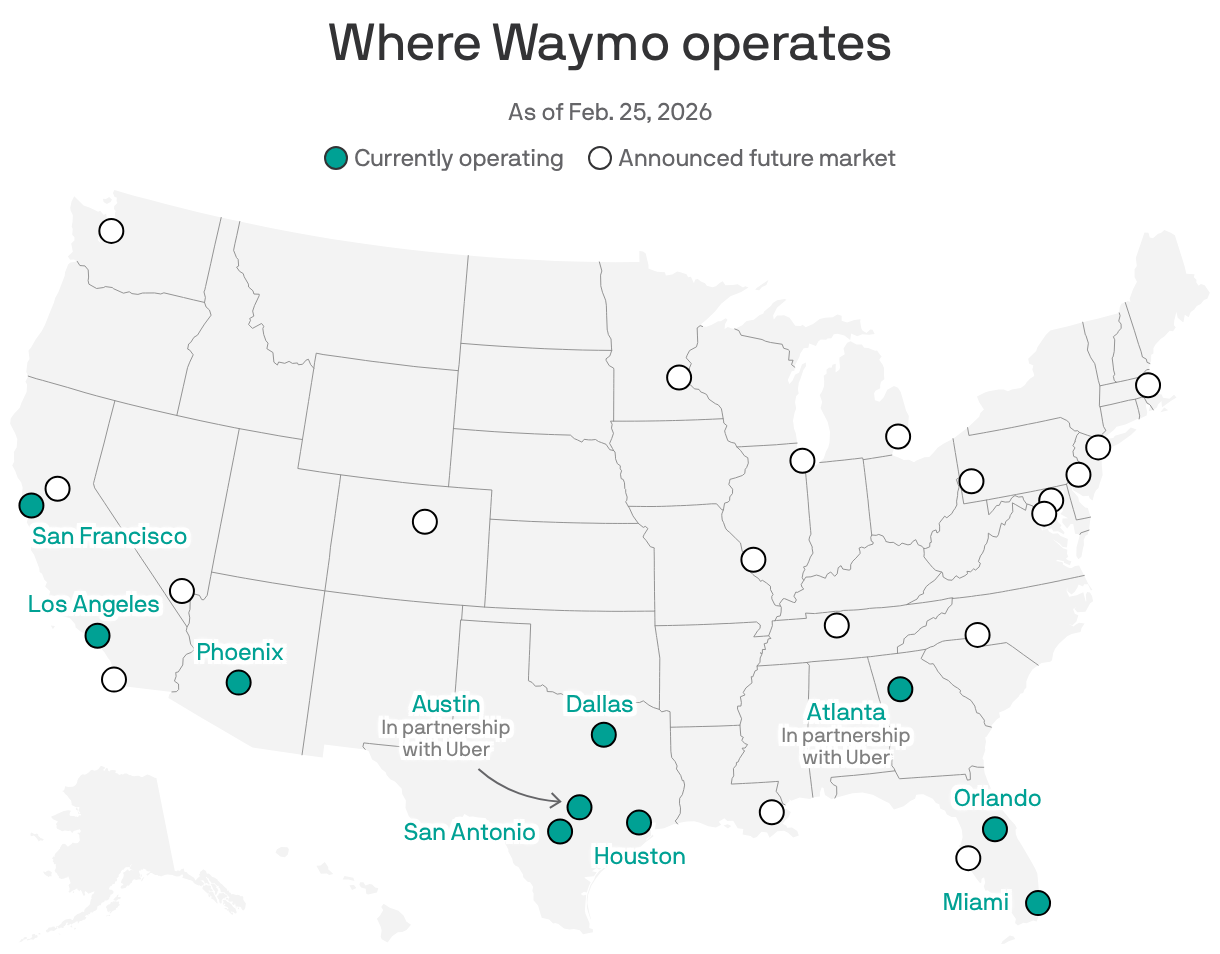
A fleet of Waymo's vehicles has arrived in Charlotte, bringing a new era of driverless vehicles to the Tar Heel State.
Why it matters: Armed with $16 billion in fresh capital from parent company Alphabet and others, Waymo is quickly extending its lead over other players like Tesla and Amazon-owned Zoox, which are still mostly in testing mode.
- And while it hasn't announced plans for the Triangle yet, this is the closest driverless cars have come to the area since Cruise briefly tested here. Cruise shut down its robotaxi service soon after.
Driving the news: While Waymo appears to be training its cars on the streets of Charlotte right now, a spokesperson for the company said they didn't have any plans to share for the Raleigh market at this time.
By the numbers: Now in 10 cities, Waymo has doubled the number of markets it serves in a matter of months.
- It's laying the groundwork for service in at least 20 cities, and is on track to provide more than one million driverless rides per week by the end of the year.
- Waymo has about 3,000 robotaxis deployed nationwide; more than one-third of them are in the San Francisco Bay area.
What we're watching: Waymo's robotaxis are adapting quickly to new markets, but basic operational challenges — such as charging and maintenance — could constrain network growth, Axios' Joann Muller writes.
3. The Tea: Triangle Town Center's slow decline
🛍️ Triangle Town Center, north Raleigh's dying mall, has been dragged down by crime and changing shopper habits over the years, and now even attracts "urban explorers" — online content creators who wander through abandoned eyesores. (News & Observer)
A Raleigh man has pleaded guilty to having "machine gun conversion devices" near the Lenovo Center during the North Carolina State Fair. (WRAL)
🗳️ The road to victory in North Carolina's 4th District runs through western Wake County. (INDY Week)
4. 🍻 Party like it's 1951
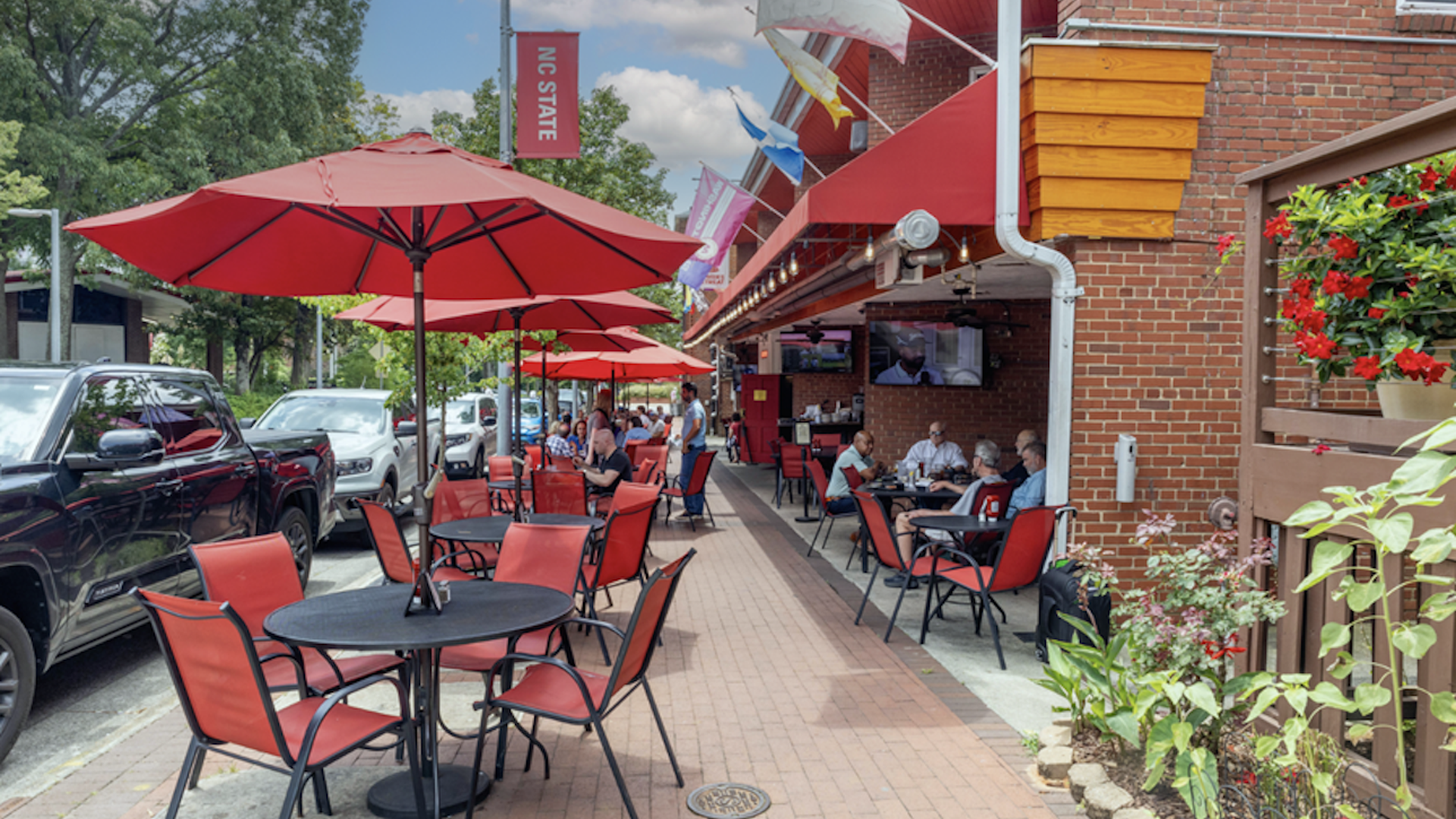
The Players Retreat celebrates its 75th birthday today.
Why it matters: The venerable watering hole has fed N.C. State students and Raleighites for generations, hosting everyone from gossiping politicos in its booths to the Wolfpack faithful gathered around the television for big games.
Driving the news: In honor of its 75th birthday, it's turning back the clock on prices.
- The PR will be slinging 25-cent hot dogs and 35-cent Budweiser drafts until 9pm (or until all hot dogs and Budweisers are depleted).
Zoom in: The Players Retreat was originally founded by Bernie and Mickey Hanula, a married couple who wanted to create a gathering place for local actors to celebrate after performances.
- But it quickly became a place for all slices of the community to hang out, eat, and throw back cheap drinks or its wide selection of Scotch whiskeys.
- Nowadays, it's owned by Gus Gusler, a lawyer who had been coming to the PR since the 1960s as a student and now watches over the place with an eye for preservation.
Between the lines: Get there early. Lines are no doubt going to be long.
🎢 Zachery wants to see how a robotaxi handles a busy day on Wade Avenue.
🎶 Katie, who edited this newsletter, just learned that PR's Gus Gusler represents entertainers like Darius Rucker.
Sign up for Axios Raleigh