Axios Portland

January 14, 2026

Good morning, Wednesday.
🗓️ On this day: In 1969, the Portland City Council passed a resolution to create TriMet, which manages the city's bus system and provides regional transportation.
- The agency is currently facing steep budgetary constraints impacting its routes and services.
Today's weather: Patchy fog this a.m., but mostly cloudy throughout the day. High around 49, low near 39.
Today's newsletter is 1,138 words — a 4.5-minute read.
1 big thing: 🦎 Animals that thrive post-megafires
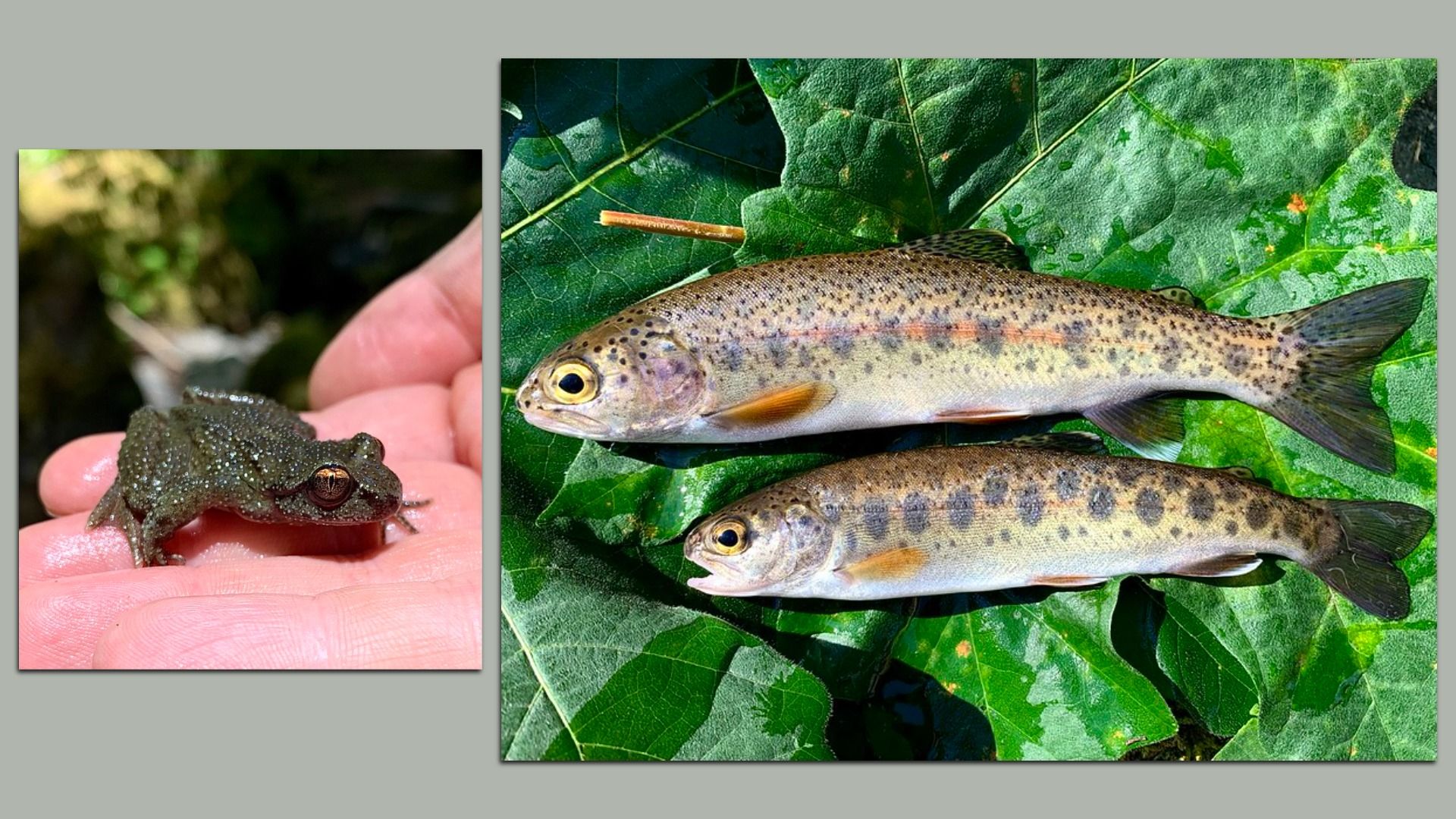
Despite megafires that reduced much of their habitat to ash, some fish, amphibian and crayfish species in the Cascades persisted — and in some cases flourished — after their homes burned.
Why it matters: With large wildfires expected to grow more severe and more frequent, understanding how the natural world recovers will become more important as more ecosystems are affected.
What they did: A team of researchers from Oregon State University looked at 30 watersheds in the western Cascades that were burned in the Riverside, Beachie Creek and Holiday Farm fires around Labor Day of 2020.
- They looked at areas that burned at different severities, accounted for salvage practices — removing burned trees and planting new ones — and analyzed the number and size of different animals in each watershed for the three years starting immediately after the fires.
- They analyzed 18 species of fish, amphibians and crayfish — including coastal cutthroat trout, coastal giant salamanders and Pacific chorus frogs.
What they found: Surprisingly, the areas that were most severely burned had the densest numbers of all animals.
- Areas with the most salvage also had higher densities of trout and crayfish, as well as a higher total of organic material, though densities of some frog species were lower.
- The findings were published in the journal Nature.
The researchers couldn't pin down an exact reason for the surprising results, but hypothesized that, with less tree cover, rivers and streams receive more sunlight in the aftermath of a fire.
- More sunlight elevates stream temperatures — increasing metabolic demands on fish and amphibians — but it also drives more production of microinvertebrates, a food source for the larger animals in the study.
Yes, but: Not all the species found in the watersheds responded in the same way and more research will be needed to find causal links between fire and animal abundance.
The bottom line: "Understanding the fire ecology of freshwater ecosystems is critical to our learning to co-exist with fire in ways that are socially and ecologically just," said Meg Krawchuk, a professor in the OSU College of Forestry and co-author of the study.
2. 🔥 The hottest spot on the Columbia
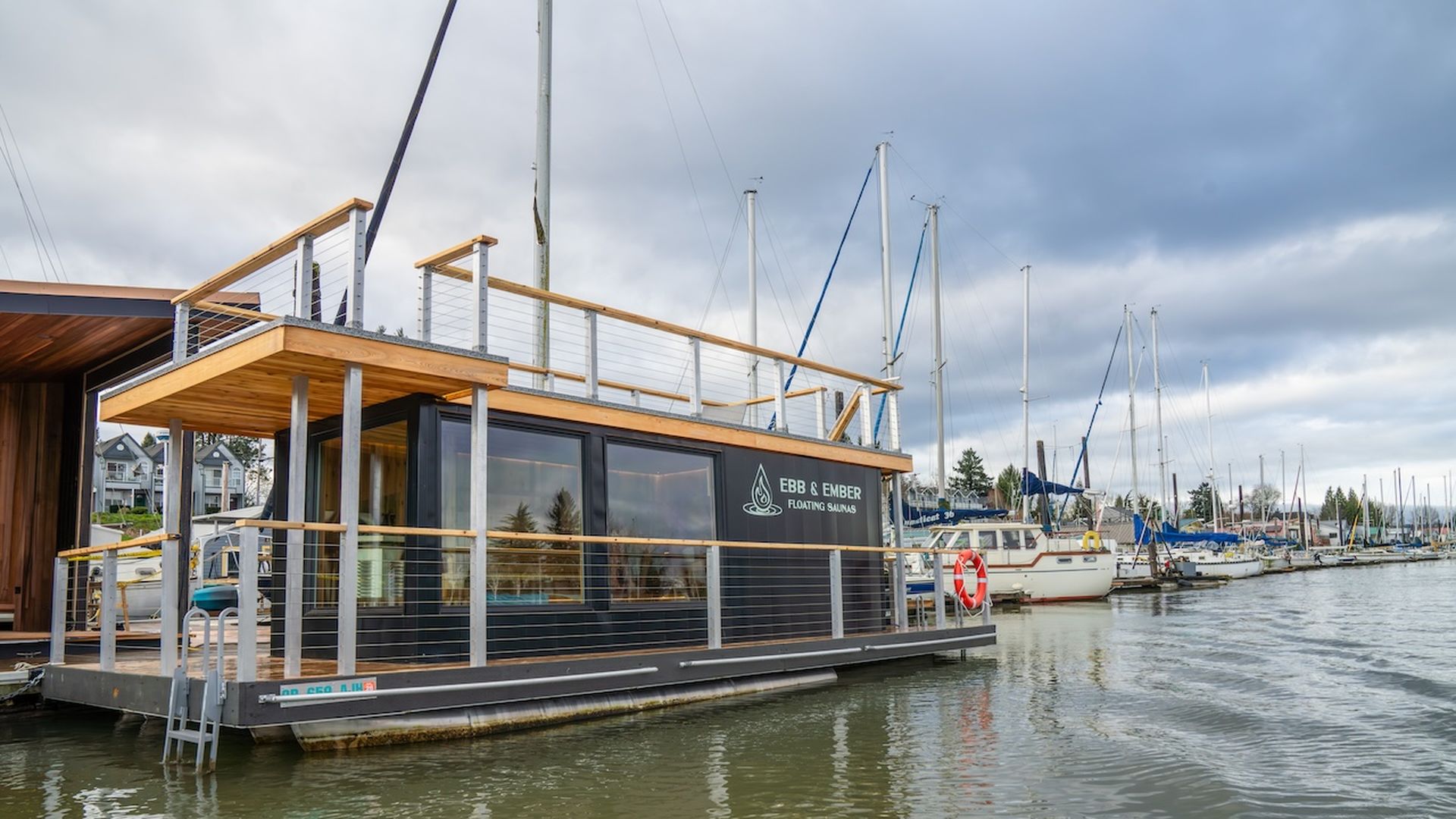
It's 170 degrees inside. Outside, it's the Columbia River in January.
- Handling the heat isn't the hard part, it's deciding whether or not to jump in the bone-chilling water.
The big picture: Portland's first Norwegian-inspired floating sauna and cold plunge destination, Ebb and Ember, opened earlier this month — offering panoramic views of Mount Hood and a deeply restorative self-care experience year round.
Zoom in: The sauna fits up to 10 guests, includes an upper deck for lounging, showers and changing rooms.
- There's also a ladder into the river (plus some floaties and life vests) and a diving platform up top for those brave enough to dip into the Columbia's frigid, quick current between sauna cycles.
- Prices for a 1 hour and 45 minute social sauna session start at $49, while private bookings start at $450. Memberships are also available for between $99 and $149 a month.
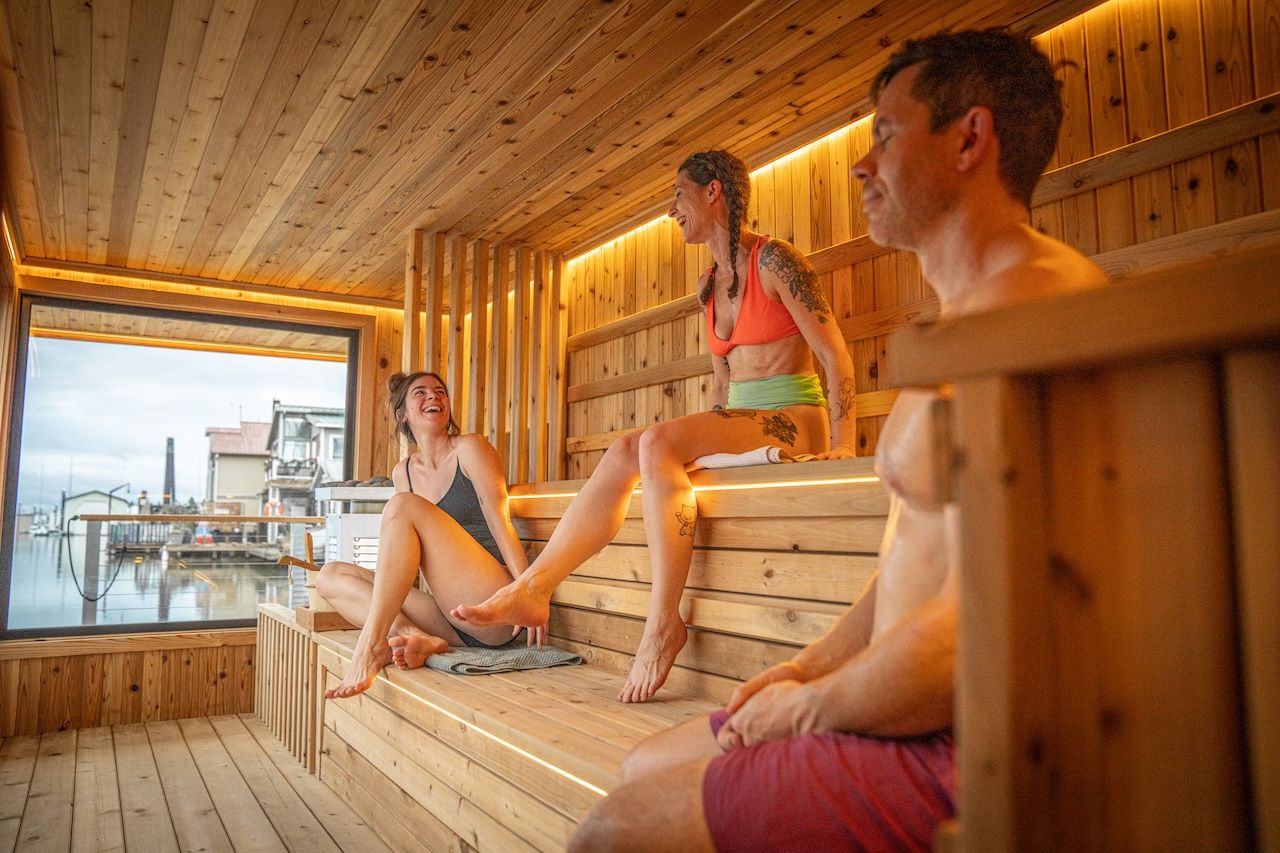
💭 My thought bubble: With large, north-facing windows, Ebb and Ember offers something most other saunas in the city don't: Nothing but river and sky (which helps to make the small space not feel suffocating even with passing boats rocking the room).
- A friend of mine from Minnesota told me floating saunas are already popular in Midwest states, meanwhile they've only just recently been popping up across the country.
- With ample access to water here in Portland, I don't expect Ebb and Ember to be one of a kind for long.
If you go: Ebb and Ember (173 Northeast Bridgeton Rd.) is open daily from 7am to 9pm.
3. Rose City Rundown
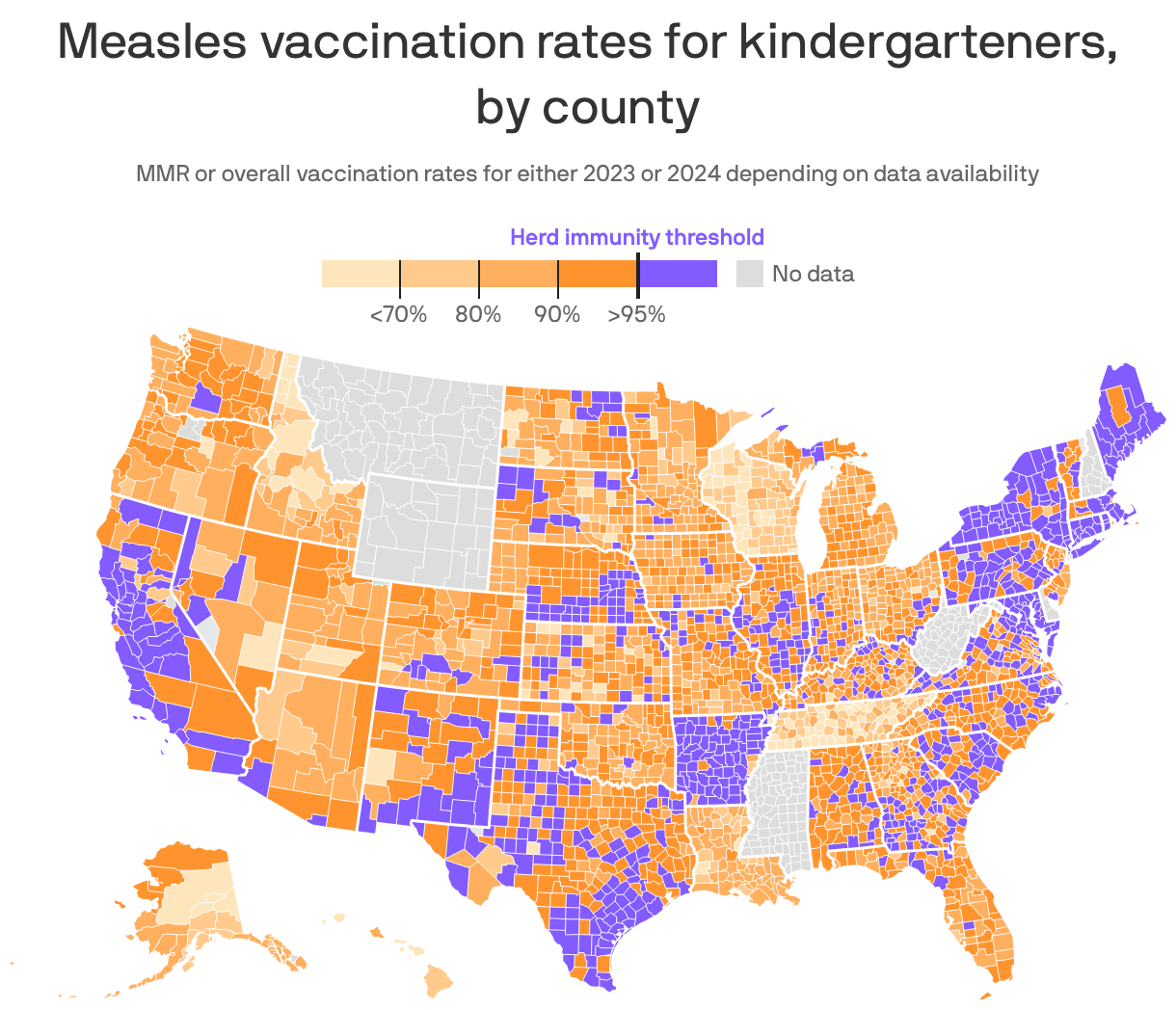
🦠 The first two cases of measles in Oregon were confirmed last week in Linn County, per the Oregon Health Authority. (Oregon Capital Chronicle)
- Related: Where measles vaccination rates declined the most for kindergarteners, by county. (Axios)
🌾 A $12 billion federal bailout for farmers is likely to only cover a small fraction of what wheat producers in the Pacific Northwest shell out on their crops as they face low prices and high production costs. (OPB)
🛹 Cal Skateboards — which has been slangin' decks, wheels and trucks in Old Town since 1976 — will stay shredding for the foreseeable future after long-time manager Chris Nakula took over ownership on Jan. 1. (Willamette Week)
🧳 The lost and found at Portland International Airport logged roughly 21,500 items last year — including more than 3,300 electronics, 2,600 articles of clothing and 2,100 IDs. (The Oregonian)
🏛️ Democratic state lawmakers will propose several bills to strengthen protections for immigrants in the upcoming short session as federal enforcement continues to roil Portland other cities around the country. (KOIN)

4. 🤑 Bigger Social Security checks
Social Security retirement and disability benefits for 2026 will begin rolling out for millions of Americans tomorrow.
Why it matters: Benefits are rising 2.8%, or about $56 a month for the average retiree, but higher Medicare premiums and tax rules will determine how much of that increase ends up in retirees' pockets.
- The adjustment is higher than the 2.5% increase last year, but below the decade average of 3.1%.
Driving the news: Nearly 71 million Social Security beneficiaries will see the increase.
- Benefits for recipients with birthdays between the first and 10th of the month will receive their first bigger check tomorrow.
- Those with birthdays between the 11th and 20th will receive them Jan. 21, and those between the 21st and 31st will see their checks Jan. 28.
The big picture: More than 10,000 Americans turn 65 every day, pushing a record wave of retirees into Social Security as benefit increases, Medicare costs and new tax rules collide.
5. 🏙️ 1 number to go: 27.3%
Driven by sluggish demand and falling prices of on-the-market buildings, the Portland metro's office vacancy rate rose to a record-high of 27.3% in the last quarter of 2025, per a new CBRE report.
- In downtown proper, the direct vacancy rate was much higher at 34.7%.
Leasing momentum has shifted to suburban markets, while downtown continues to see negative absorption (where more space becomes vacant than occupied) and not much interest in older, commodity office space.
- Absent any new, large return-to-office pushes or efforts to convert unused office space into housing, Portland's urban core faces a prolonged drag on property values, tax revenues and street vitality in 2026, the report concluded.
🌿 Meira is currently obsessed with dill, an herb she was previously revolted by.
🤔 Kale is still thinking about what's real after watching "Bugonia" last night.
This newsletter was edited by Geoff Ziezulewicz.
Sign up for Axios Portland