
Axios Media Trends

March 03, 2026

Good afternoon. Today's Media Trends, edited by Christine Wang and copy edited by Sheryl Miller, is 2,108 words, an 8-minute read. Sign up.
- Thanks to Kerry Flynn and Christine Wang for managing our media coverage while I was out. Axios Media Trends returns to its weekly cadence today.
📉 Situational awareness: Versant reported 2025 revenue declined 5.3% from the prior year in its first earnings report since spinning out from Comcast, as linear distribution revenue dropped 5.4% and ad revenue fell 8.9%.
- CEO Mark Lazarus said the company, which owns networks like CNBC, MS Now and USA Network, is looking to grow its non pay-TV revenue in the next three to five years to 33% of its total, up from 19% in 2025.
1 big thing: Scoop... The meeting never happened
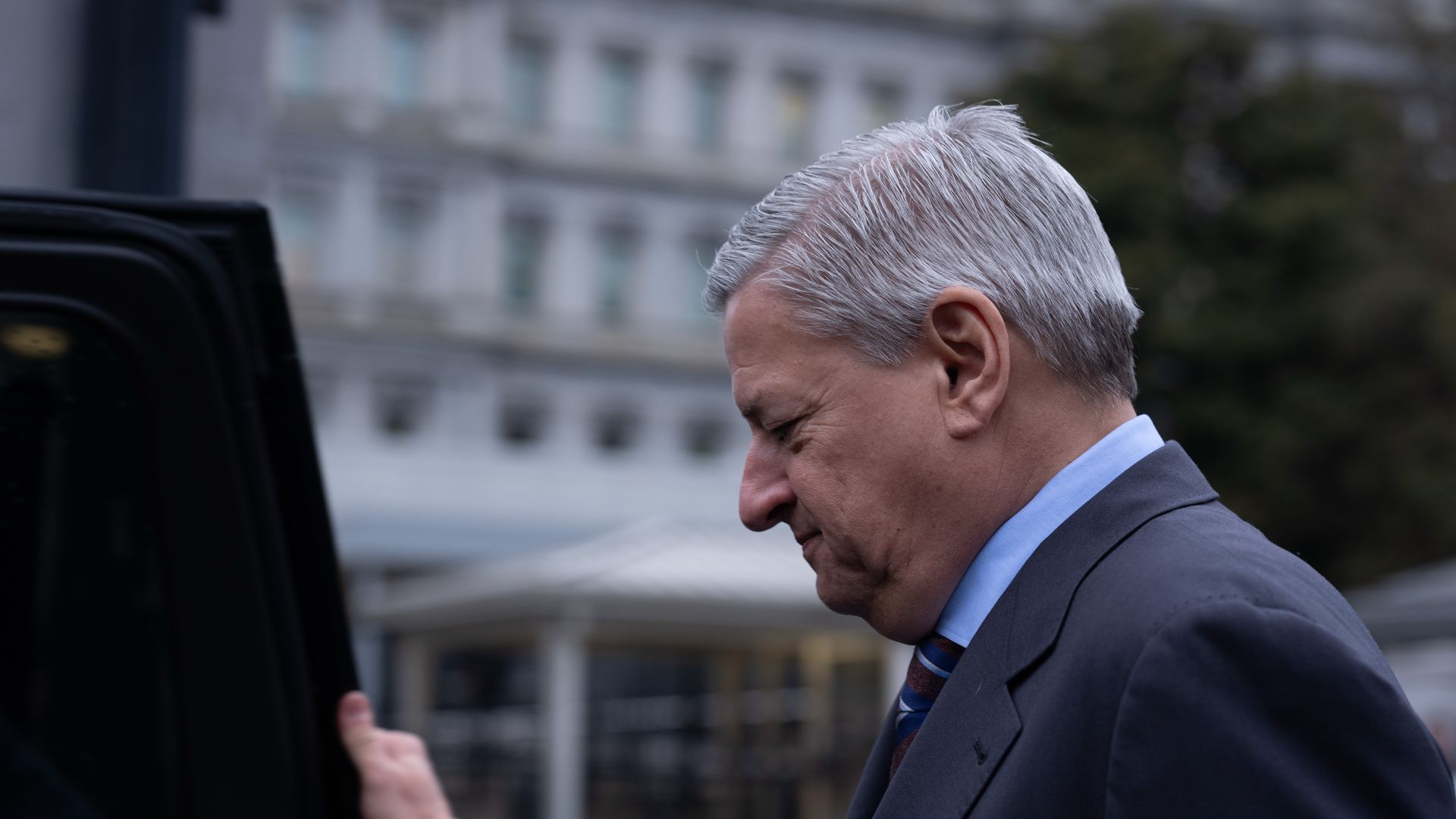
Netflix co-CEO Ted Sarandos never met with President Trump or any White House officials last week when he visited Washington, according to sources familiar with the engagement.
- Sarandos was informed shortly after arriving at the White House that his meeting was canceled because of a last-minute scheduling conflict, and then he promptly left the building.
👀 Why it matters: Media onlookers were quick to speculate that Sarandos' meeting at the White House on Thursday prompted Netflix to drop out of the bidding war for Warner Bros. Discovery.
- But Netflix had already determined at that point that it wouldn't up its bid, Sarandos told Bloomberg.
📞 Zoom in: Trump talked to Sarandos on the phone later that evening after Netflix had already announced it didn't plan to continue bidding, a source familiar with the matter told Axios.
- Sarandos' call was the first time he had spoken to the president in several weeks.
- When they spoke about the deal last year, Trump advised Sarandos not to overpay for the asset, the source noted.
- Netflix declined to comment when asked about the call. The White House did not respond to a request for comment.
Between the lines: Sarandos did meet with Justice Department officials last Thursday in D.C.
- A source familiar with the conversations characterized the meeting with DOJ officials as productive. Another noted that DOJ officials never threatened Netflix and told Sarandos they planned to run a fair process.
The big picture: Sarandos' visit to the White House hit a nerve with Democratic lawmakers, who on Monday alleged the streaming giant's meetings with Trump administration officials may have discouraged the company from upping its bid, therefore handing the WBD deal to Paramount.
- A source told Axios that Sarandos' D.C. visit was scheduled weeks in advance of Paramount submitting its final offer.
2. 🔍 Paramount's DOJ probe
Now that Paramount Skydance has won the bidding war for WBD, it faces a complicated road of regulatory approvals from governments across the globe.
Why it matters: Antitrust experts do not expect regulators in the U.S. or abroad to block the deal, but the approval process will likely be long and cumbersome, which could impact how quickly the company can realize synergies and growth opportunities.
State of play: The Justice Department is currently probing the merger, a source familiar with the matter confirmed to Axios.
- That is not unusual for a merger of this size, and antitrust experts do not believe the DOJ will ultimately sue to block the deal. But the approval process and timeline for this particular transaction has been somewhat atypical, given the savvy of Paramount's policy team.
- Paramount, whose regulatory efforts are being led by former DOJ antitrust chief Makan Delrahim, filed pre-merger notifications required under the Hart-Scott-Rodino Act to regulators before it signed a merger agreement with WBD, which is unusual but legal.
- Typically, the HSR notification is filed after a merger agreement is signed. But Paramount expedited the submission, which gives the DOJ less time to sue to block the deal before the transaction is legally allowed to close.


🇪🇺 Zoom out: The European Union needs to approve the deal as do many of its individual member states, but it's atypical for member states to block approval if the EU ultimately green-lights it.
- While antitrust experts expect the EU to clear the deal, regulators there typically take longer to review mergers than in the U.S.
- Because the combined company will own two major U.S. movie studios that distribute films in China, it's likely Paramount will need approval from Chinese regulators.
⏳ The bottom line: Longer approval processes overseas could buy the DOJ and state attorneys general time to assemble a case, if they think the deal violates federal or state antitrust laws.
- While some state attorneys general have individually spoken out against the deal, it's likely that a lawsuit to block it would come from a coalition.
- For the states, "the most viable antitrust argument is reducing five studios to four, and having fewer bidders for services," said Samuel Weinstein, a former DOJ antitrust attorney and now a professor at Cardozo School of Law. That could impact jobs and theatrical distribution.
- California Attorney General Rob Bonta has already said that the state's Department of Justice has an opened investigation into the deal and that "we intend to be vigorous in our review."
Context: Antitrust experts do not expect the Committee on Foreign Investment in the United States or Trump to block this deal, despite the fact that regulatory filings for Paramount's previous bids indicated that around 60% of the $40 billion in equity funding came from sovereign wealth funds from Saudi Arabia, Abu Dhabi and Qatar.
- To ease national security risk concerns, the company promised last year that its foreign partners wouldn't have any voting or governance rights.
3. ➕ Paramount to combine HBO Max and Paramount+


Paramount said yesterday it plans to combine its Paramount+ streaming service with WBD's HBO Max after the companies complete their merger.
Why it matters: With over 210 million subscribers, the combined streamer would have better scale to rival Netflix, which has 325 million global paid subscribers.
Yes, but: Paramount will need to convince investors that the enormous amount of debt it's accruing to be competitive in the streaming wars is worth it.
- Shares in the company fell more than 6% today after Fitch Ratings downgraded the firm's debt rating to junk.
4. 🇮🇷 Iran war shines spotlight on VOA's identity crisis
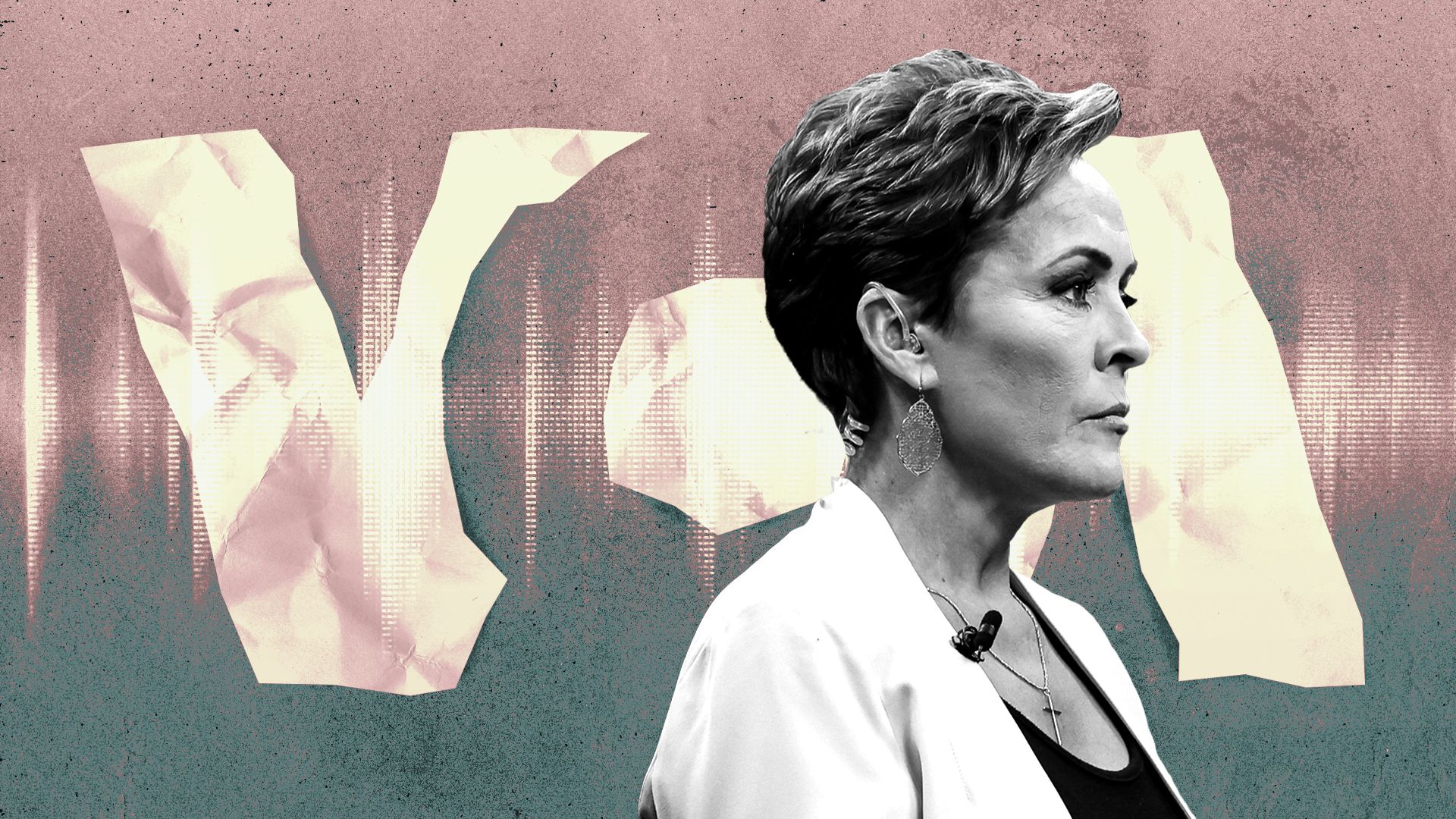
The war in Iran has reignited the debate over the role that Voice of America and U.S. state-funded international media should play in supporting the United States' national security interests.
Why it matters: Congress' bipartisan approval of $643 million in funding for VOA's parent, the U.S. Agency for Global Media, suggests Republican lawmakers understand the value of funding nonpartisan broadcasters to provide truthful accounts of what's happening to citizens of autocratic nations.
- But the content being broadcast into Iran right now, VOA veterans argue, is "almost exclusively the administration's point of view," which violates VOA's charter and mission.
- Amid a widespread internet blackout in Iran, radio and satellite broadcasts have become an even bigger lifeline for information to reach people in the country.
📡 Zoom in: Jennifer Griffin, Fox News' chief national security correspondent, reported last week that VOA's Persian service "has been broadcasting messages into Iran addressing the Iranian people along with Reza Pahlavi, the son of the former Shah."
- "They are urging the people of Iran to rise up against the Iranian leadership," she wrote.
- VOA and other USAGM-funded outlets were established to fight autocratic propaganda with accurate reporting, not advocacy.
- The recent broadcasts have ruffled the feathers of staffers inside the VOA, a source familiar with operations inside VOA told Axios.
⏮️ Catch up quick: VOA was founded in 1942 and relies on congressionally approved funds. VOA's Persian-language programming launched in 1979.
- Last year, USAGM acting head Kari Lake, a Trump ally, announced plans to shutter VOA. But as conflict in Iran escalated last June, lawmakers criticized USAGM for cutting operations in the region.
- USAGM had terminated dozens of VOA Persian journalists and production staff, but later recalled around 40 federal employees in the division amid the 12-Day War between Israel and Iran last year, Axios reported.
🗣️ State of play: USAGM last week said it had "significantly expanded" its VOA Farsi operation in recent months, allowing it to deliver President Trump's speech announcing combat operations in Iran "directly to the brave people of Iran across every available platform, including satellite."
- But a recent Washington Post op-ed suggests USAGM and Lake have simultaneously denied a Farsi radio network run by VOA's sister broadcaster Radio Free Europe/Radio Liberty from reaching people in the region via U.S.-owned transmission facilities in Kuwait
- Marc A. Thiessen, a senior fellow at the conservative think tank American Enterprise Institute and an unpaid member of RFE/RL's board, said Lake abruptly cut off Radio Farda's access to the facilities.
- Lake denied the allegations to Thiessen, arguing the transmitting station "has been shut down," but Thiessen writes that RFE/RL was informed that "USAGM does not agree to the use of the tower or for grant funds to be used for this purpose."
- Griffin reports that Radio Farda has around 40 journalists reporting on the conflict from Prague.
- USAGM did not respond to a request for comment.
What to watch: A federal judge ruled last year that USAGM workers who were placed on leave or fired should return to work and that the Trump administration must restore funding those outlets.
- That same judge is expected to rule in the coming weeks on the legality of Lake's authority to make sweeping cuts to USAGM-funded broadcasters.
5. 🗳️ Trump dominates midterm messaging


The vast majority of Republican midterm advertisements for House and Senate candidates are about President Trump, according to Axios analysis of AdImpact data on ad airings between Jan. 1, 2025, to Feb. 18, 2026.
Why it matters: As primary season gets underway, candidates are focused on distinguishing themselves from rivals within their parties.
- For Republicans, Trump has proven a more formidable message than the economy.
💸 Zoom in: The data shows Democrats are significantly more focused on economic issues, such as inflation and taxes, in their ads compared with Republicans.
- Not surprisingly, their ads are also much more likely to mention social welfare issues, such as health care and education.
- Republicans, on the other hand, are much more likely to reference immigration and LGTBQ issues.
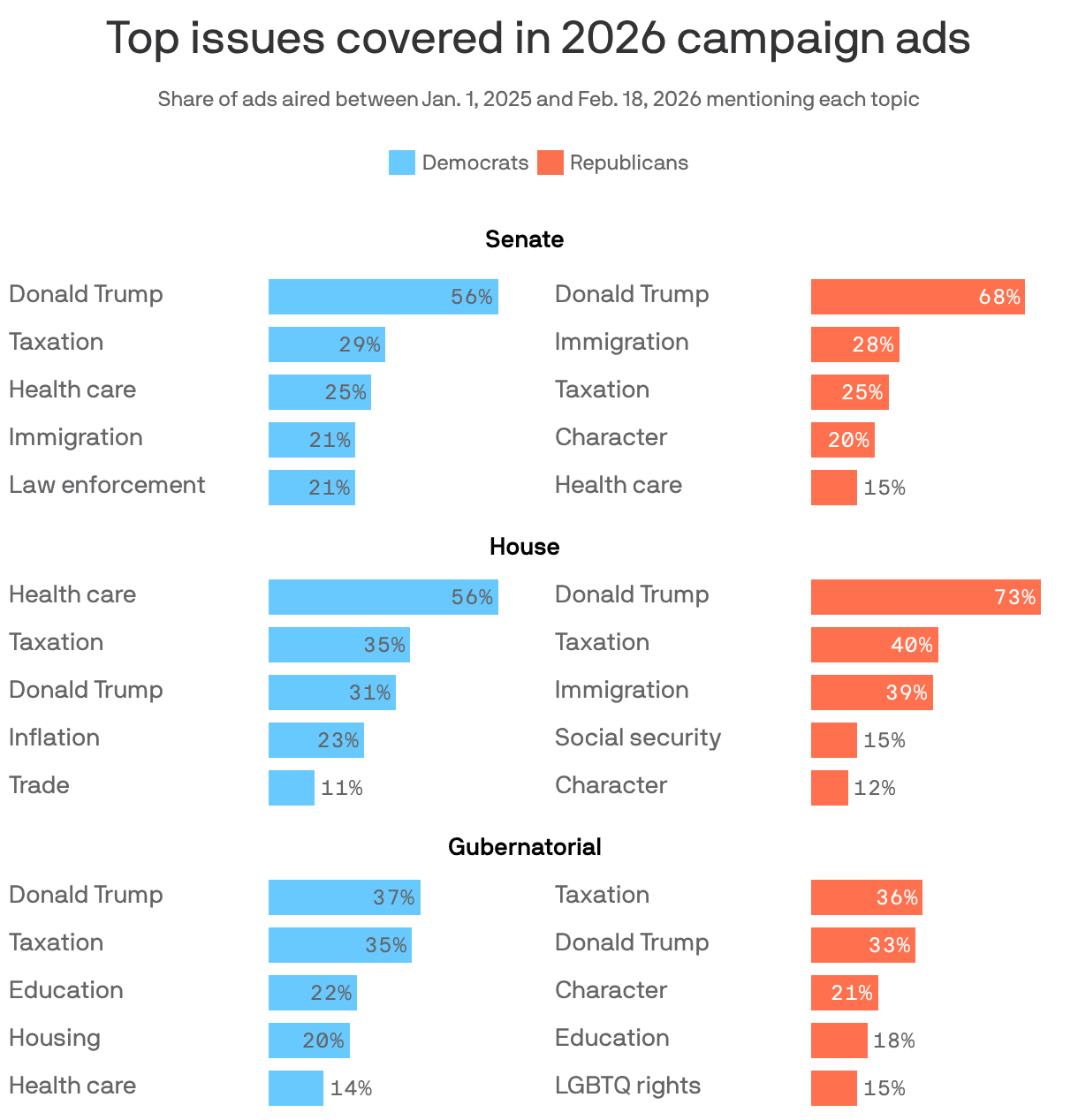
Flashback: The Democrats' focus on health care is notable and echoes the down-ballot message strategy they used to retake the house in 2018.
🌍 The big picture: Despite U.S. actions overseas dominating headlines, midterm messaging for both parties barely acknowledges foreign policy issues.
- That's typically the case for elections, as the economy tends to be what moves the needle the most for voters.
- But the AdImpact data shows just how much candidates are distancing themselves from complicated national security issues that don't hit home directly.
Between the lines: It's notable that many Republican ads over the past year have focused on immigration as a key message given that recent polling presented to White House officials suggests Trump's immigration policies aren't resonating with voters ahead of the midterms.
What to watch: Messaging strategies will likely shift after the primaries, which kick off today in Texas, North Carolina and Arkansas.
6. 💰 Zucker on his next big bet
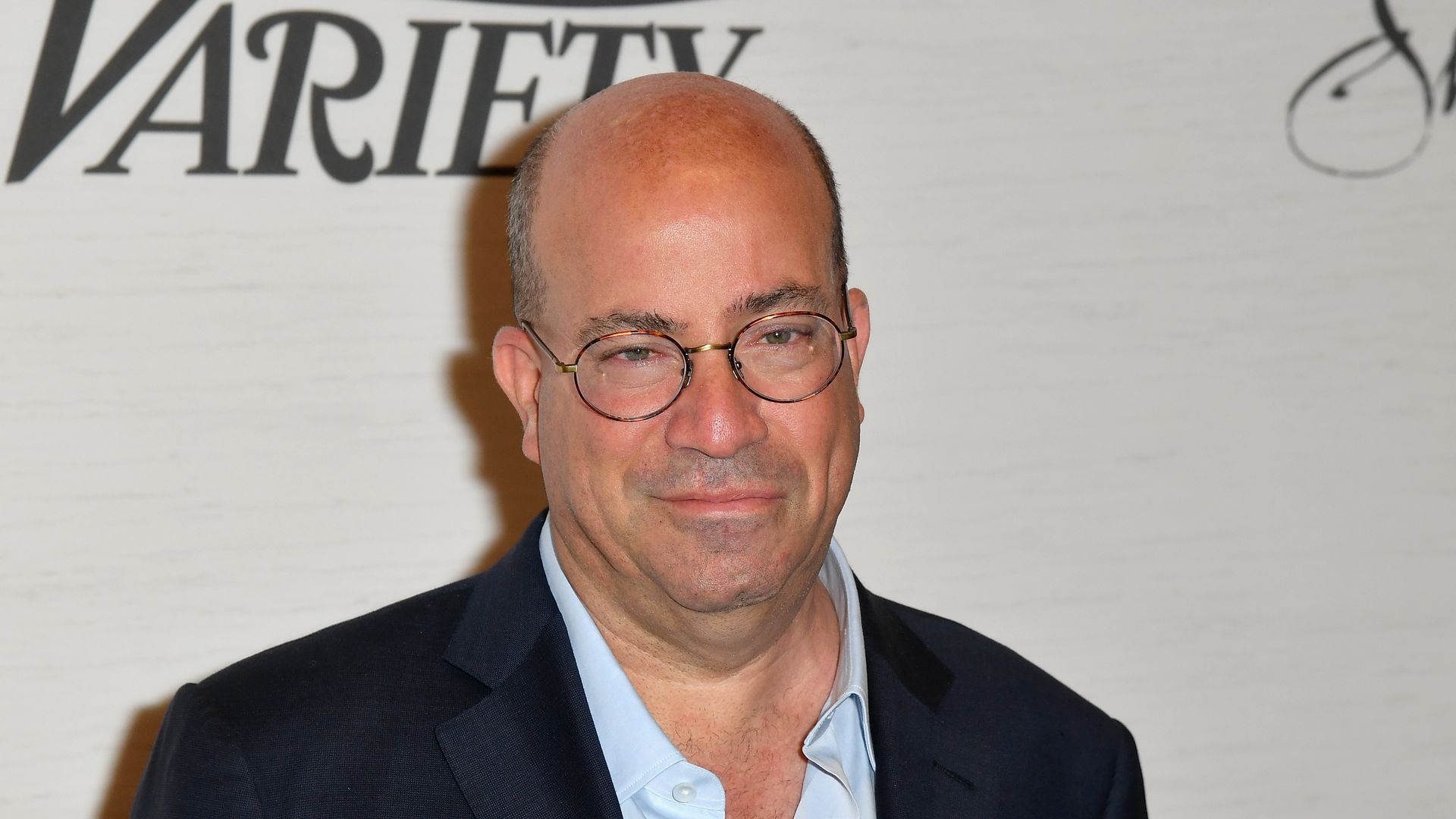
All3Media, an independent TV production firm, has merged with Banijay Entertainment, a publicly traded French production company to create a European TV production behemoth worth $8 billion, the chair of the newly combined company Jeff Zucker told Axios in an interview today.
- The new company will be jointly owned by Banijay Group and RedBird IMI, the joint venture between U.S. investment firm Redbird and Abu Dhabi-based investment firm IMI that's led by Zucker, the former president of CNN.
Why it matters: The combined company will be better positioned to continue to grow outside of Europe and particularly in the U.S., Zucker said.
- "This is a huge opportunity for this new company to play across all of the major global streaming platforms," he said.
Zoom in: The new combined company, which will be called Banijay, produces 260,000 hours of content and 20,000 hours of programming a year.
- Banijay is behind huge global hits such as "Big Brother," "Survivor" and "Peaky Blinders." All3Media is known for hit series such as "The Traitors" and "The Assassin."
- While All3Media and Banijay are best known for their TV production businesses, both companies have footprints outside of TV.
- All3Media produces film, theatrical shows and digital content. Banijay has a sizable live events production business.
By the numbers: Banijay is expected to generate around €4.4 billion annually in revenue and around €690 million in profit, according to a pro forma analysis of the 2024 financials from each company.
What to watch: Zucker said the consolidated company has the opportunity to realize synergies across corporate functions and revenue. The team doesn't plan to focus any synergies on creative teams.
- "The thing that we're committed to is not cutting in any way the creative strength and the creative backbone of this new company," Zucker noted.
Sign up for Axios Media Trends