Axios Media Trends

April 28, 2026

Good evening from Miami. Today's Media Trends, edited by Christine Wang and copy edited by Sheryl Miller, is 1,928 words, a 7½-minute read. Sign up.
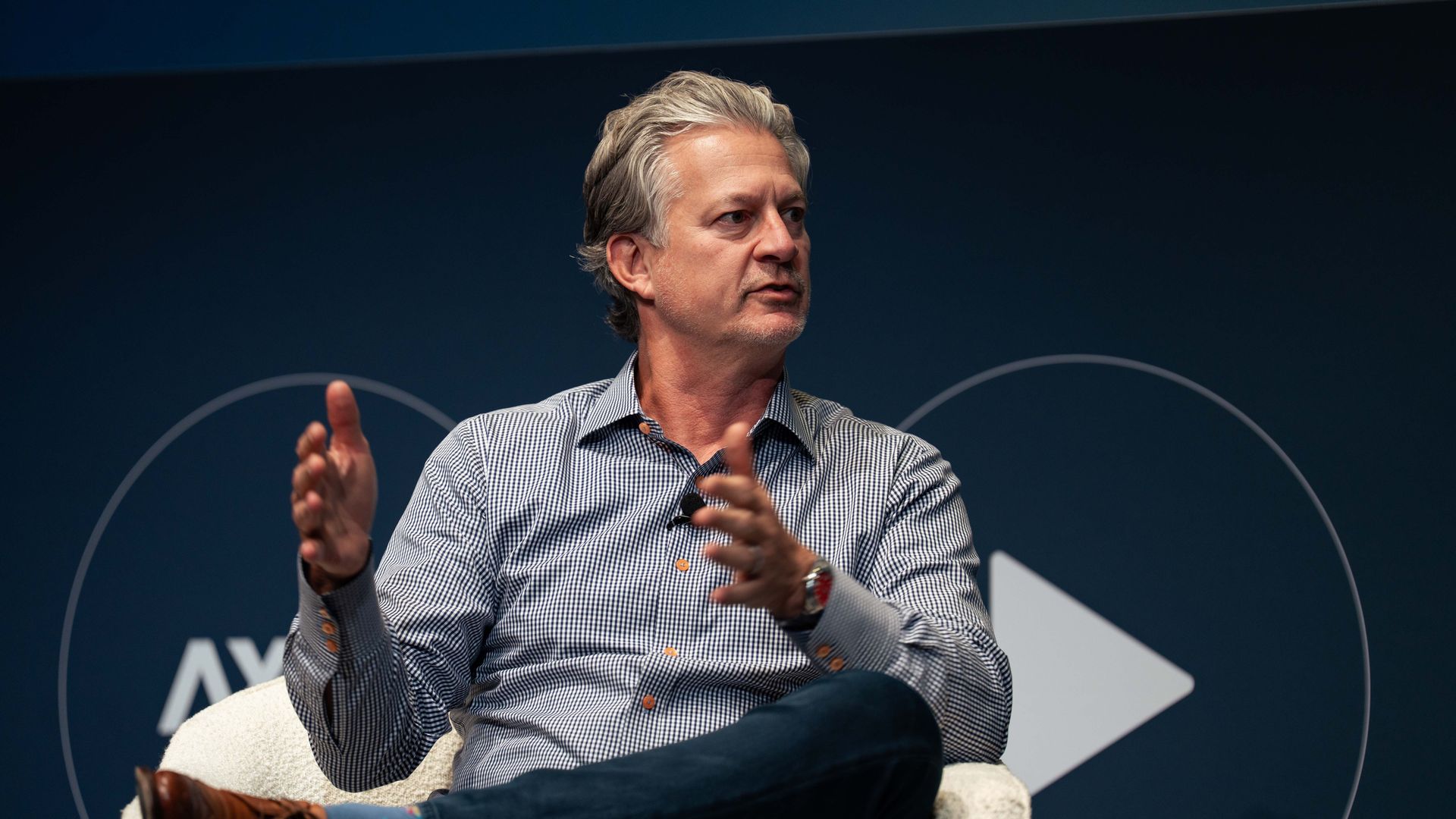
☀️ If you're in Los Angeles this Sunday ahead of Milken, request an invite to join Axios business editor Dan Primack on stage with Peter Chernin.
Situational awareness: It's been a big week for music news.
- Bertelsmann, a German media conglomerate that owns music companies, has struck a deal to increase its stake in Concord, making it the majority owner.
- Spotify's stock plunged this morning on weak guidance, despite an earnings beat.
- SiriusXM and iHeartMedia are in talks to merge. (More below)
1 big thing: Scoop... Netflix pressure campaign
Consumer groups and professional trade unions, including the Writers Guild of America West, have written a letter to the FTC and the Justice Department urging them to investigate Netflix for antitrust.
Why it matters: In backing away from the expensive bidding war for Warner Bros. Discovery, Netflix dodged what would've been a complicated regulatory review process, but the saga still put a spotlight on Netflix's scale.
📝 Zoom in: The letter, addressed to FTC chair Andrew Ferguson and the DOJ's acting assistant attorney general of the antitrust division Omeed Assefi, asks regulators to examine whether Netflix is leveraging its dominant position in streaming to "harm competition, creators, and consumers," according to a copy seen by Axios.
- It asks regulators to "take the appropriate action to address such behavior."
📣 State of play: The letter is signed by groups representing a range of interests, including writers, open market advocates and fair competition groups.
- Those groups include the American Economic Liberties Project, Center for Digital Democracy, Demand Progress Education Fund, Institute for Local Self-Reliance, NextGen Competition, Revolving Door Project and The Tech Oversight Project.
- The signatories argue Netflix's scale "may create meaningful barriers to entry and expansion for current and prospective competitors, while also positioning Netflix as a critical gatekeeper between creators and audiences."
- "Such power can enable a dominant firm to dictate terms across many markets simultaneously," they say.
🏛️ The big picture: Netflix has invested more in its Washington presence over the past year as it considered a possible deal with Warner Bros.
- Last year, the company hired veteran D.C. trade attorney Clete Willems, who has experience working for both the Trump and Obama administrations.
- Netflix executives met with Justice Department officials earlier this year as the WBD bidding war neared its end.
Netflix did not immediately comment.
2. 🎬 The Ankler leaves Substack
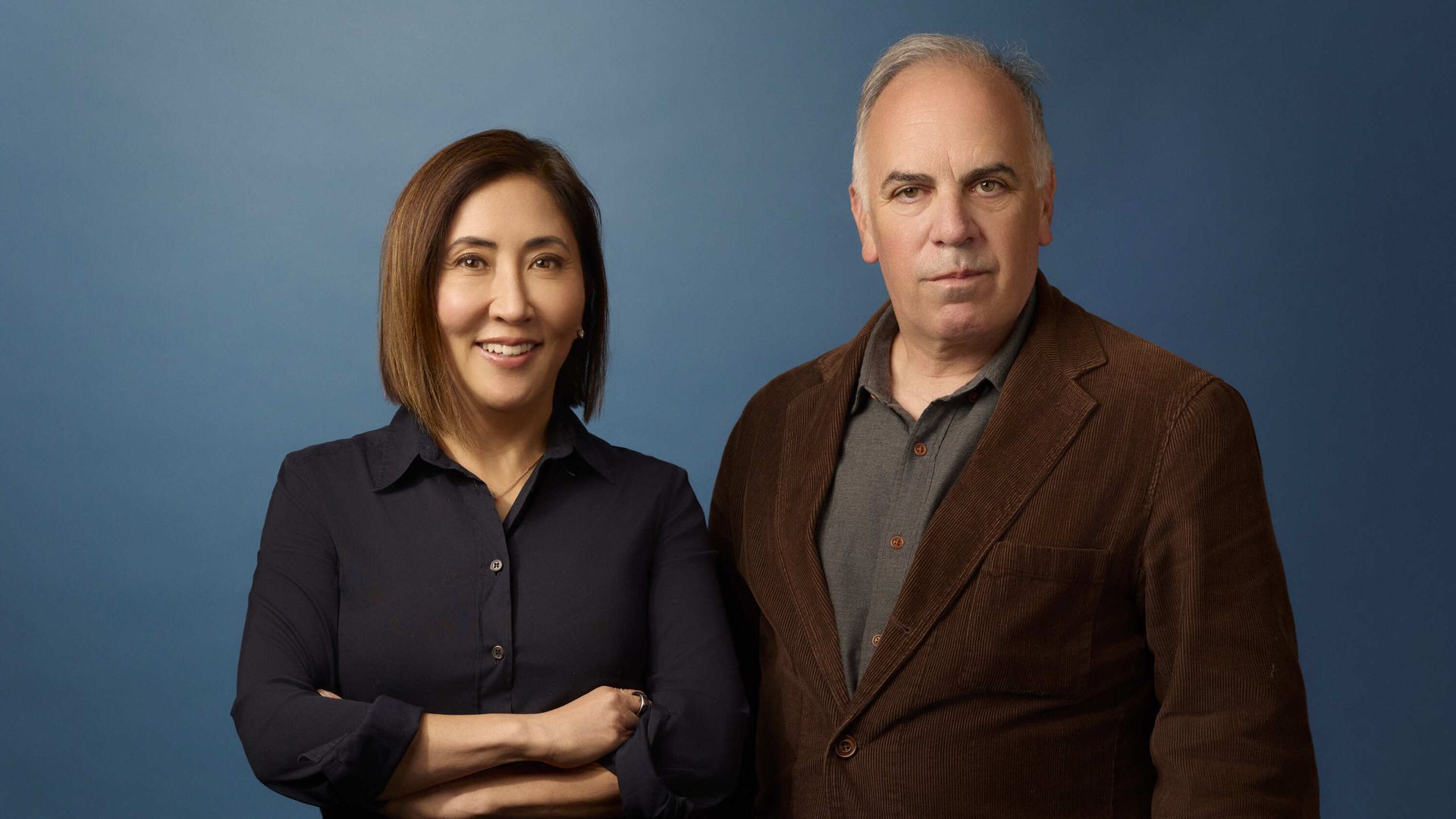
The Ankler, an entertainment media startup led by veteran Hollywood editor Janice Min and insider columnist Richard Rushfield, is moving its publishing operations from Substack to a new subscription management platform called Passport that was created by Ben Thompson, an influential independent tech journalist.
Why it matters: While Substack does offer enterprise solutions for bigger publishers, it's used primarily by independent creators with less complex subscription offerings.
🤝 Zoom in: The new Passport platform is being built in partnership with Automattic, the creator of the popular publishing platform WordPress.
- It has yet to be rolled out publicly. The Ankler is its first major publishing partner besides Stratechery, the popular subscription newsletter written by Thompson since 2013.
- Passport will give The Ankler more flexibility to bundle offerings and to market certain subscriptions and other products, such as podcasts and events, to more niche audiences.
- Moving forward, The Ankler will publish its content on an owned-and-operated site, supported by Passport's subscription infrastructure. Its coverage focus, products and editorial voice will not change, per Min.
📧 State of play: The Ankler's success is a testament to how well Substack serves independent creators and smaller startups looking to tap into a broader network of readers.
Yes, but: As it's grown, "the network effects aren't quite as strong for us as they are for individual creators," Min said.
- The outlet will maintain a presence on Substack, including a weekly newsletter and live video product from Rushfield.
The big picture: The Ankler is one of several news organizations, including The Bulwark and The Dispatch, that started out on Substack but have since migrated to broader platforms to scale.
3. 👀 Neil Vogel's big promotion
IAC, the publicly traded internet holding company, said today it would change its name to People Incorporated to reflect its focus on its People Inc. publishing business.
- People Inc. CEO Neil Vogel and CFO Tim Quinn will become CEO and CFO of the new publicly traded entity, respectively.
- IAC founder Barry Diller will remain chair and senior executive, advising the company, which — in addition to fully owning People Inc. — has a 26% stake in MGM Resorts and a 32% stake in car rental company Turo.
⏮️ Why it matters: IAC was created in 1995 as a vehicle for Diller, 84, to buy and build internet platforms that he could grow and spin out to create more value. It's become less acquisitive in recent years as it focused on its fastest-growing asset.


Zoom out: Under Vogel and his management team, People Inc. has become much more profitable, despite headwinds from AI and changes to the search advertising market.
📈 By the numbers: In 2022, the first full year after the Meredith acquisition closed, the combined profit for Dotdash Meredith was roughly $152 million. In 2025, it was around $357 million.
- While IAC has yet to report earnings for the first quarter of 2026, Diller said in his shareholder letter that the quarter will represent People Inc.'s 10th straight quarter of digital revenue growth.
What to watch: IAC will likely continue to divest noncore assets, such as its stake in Turo, to generate cash that it can use to invest in core assets.
4. 📻 Audio giants look to consolidate

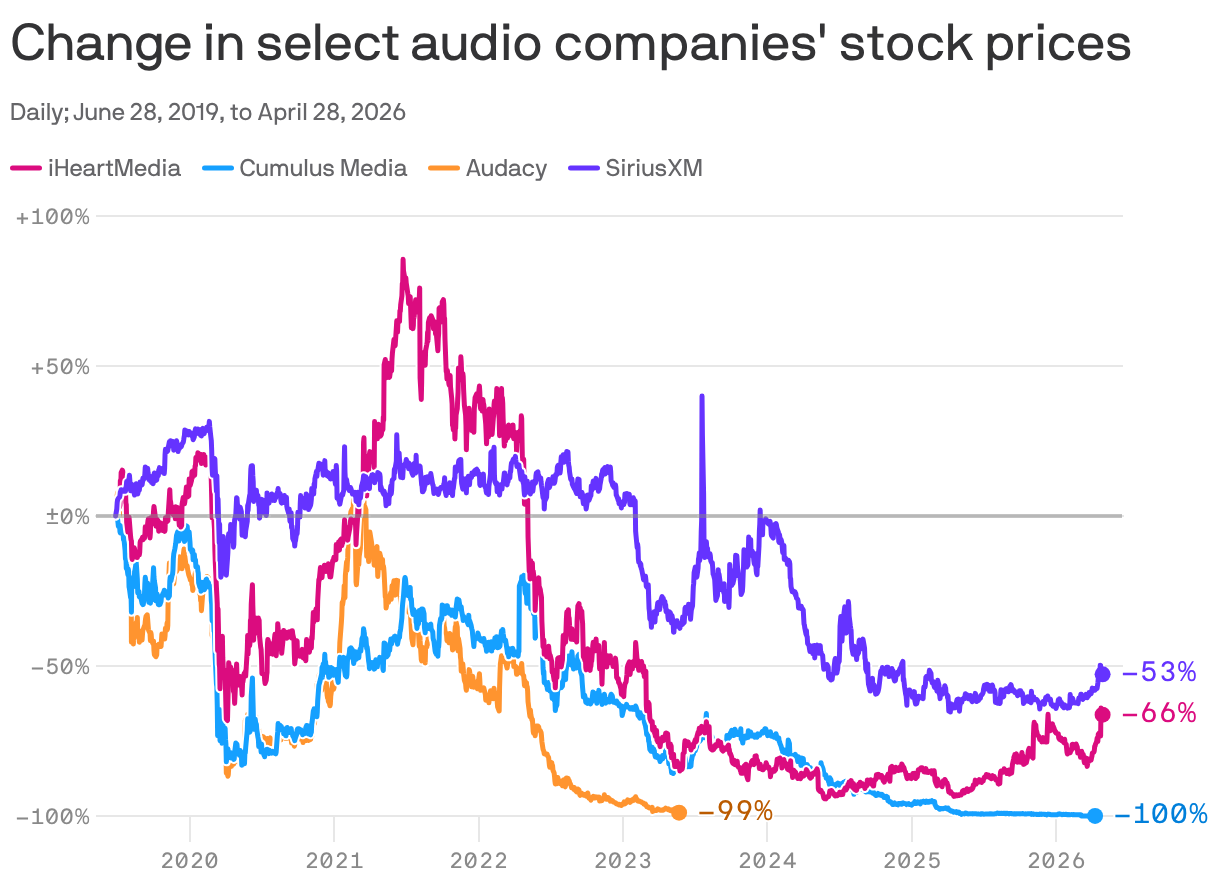
SiriusXM is in talks to acquire iHeartMedia, a deal that would combine America's largest radio provider and its biggest terrestrial radio station owner.
🎧 Why it matters: Audio is having a moment. But the businesses of some traditional players have been under strain, limiting their ability to invest in digital as Big Tech giants like Spotify and YouTube surge.
The latest: "I don't address a rumor, period. But what I'll say is the intensity around audio is as high as it's ever been," Lizzie Collins, SVP and head of B2B marketing and ad innovation at SiriusXM, told Axios onstage at Possible on Tuesday.
Between the lines: Audio's major challenge has been infrastructure. Inventory is fragmented and the complexity of ad buying and creation has slowed digital ad growth.
- While the TV industry has quickly embraced streaming advertising, audio has been slower to migrate from traditional to digital.
- The digital audio market reached $8.4 billion last year with podcast advertising reaching $2.9 billion, per the Interactive Advertising Bureau. The global radio advertising market today hovers around $28 billion, per ResearchAndMarkets.
📉 Zoom in: The merger talks come after years of financial restructuring and cuts across the audio industry.
- iHeart filed for bankruptcy protection in 2018. It went public again in 2019 after spinning off its outdoor advertising business.
- Audacy filed for Chapter 11 in 2024 and emerged as a private company.
- SiriusXM completed a debt refinancing last month.
- CBS News Radio shut down last month.
The big picture: Traditional audio players face steep competition from digital-native companies with healthier balance sheets.
- But their audio expertise coupled with the scale of their radio footprints make them attractive to creators.
- Speaking at Media Trends Live on whether he was going to renew his deal with iHeart, Charlamagne tha God said, "Nobody does audio better than iHeart."
5. 🌍 Charted: Paramount's foreign funding


Paramount Skydance is asking the FCC for advance approval for the foreign backers of its deal to acquire Warner Bros. Discovery to possibly increase their equity stakes or voting control in the company up to 20% at some point in the future, according to a regulatory notice.
💸 Why it matters: The deal, which represents one of the most highly leveraged transactions in history, has significant backing from foreign investors.
- Paramount previously said that the Middle Eastern sovereign wealth funds backing its bid would forgo voting control in order to ensure the deal doesn't trigger any national security concerns.
State of play: The FCC doesn't need to approve the request as a condition for Paramount to close its deal, which is valued at about $111 billion, including debt.
- Paramount is essentially asking the FCC to approve potential changes to its cap table and voting control in the future.
- Last week, WBD shareholders voted overwhelmingly to approve the deal.
📊 By the numbers: According to the filing, foreign funders will own 49.5% of the equity in the combined entity.
- The majority (77.8%) of that funding will come from the Middle East.
- In total, funds from the United Arab Emirates, Qatar and Saudi Arabia will own 12.8%, 10.6% and 15.1% of the total combined company, respectively.
- U.S. backers, including the Ellison family, investment firm RedBird Capital Partners and merchant bank LionTree, will own 50.5% of the combined entity.
Zoom out: Paramount is still awaiting key regulatory approvals from regulators in Europe and the U.K. for the deal to proceed.
- Meanwhile, state attorneys general in the U.S. say they are taking a close look at whether the deal violates antitrust laws.
- Paramount says the deal would be good for consumers. Regulators worry the combination of two giant companies — in particular, two rival movie studios — could impact competition and jobs.
6. 📡 FCC opens review of ABC's broadcast licenses
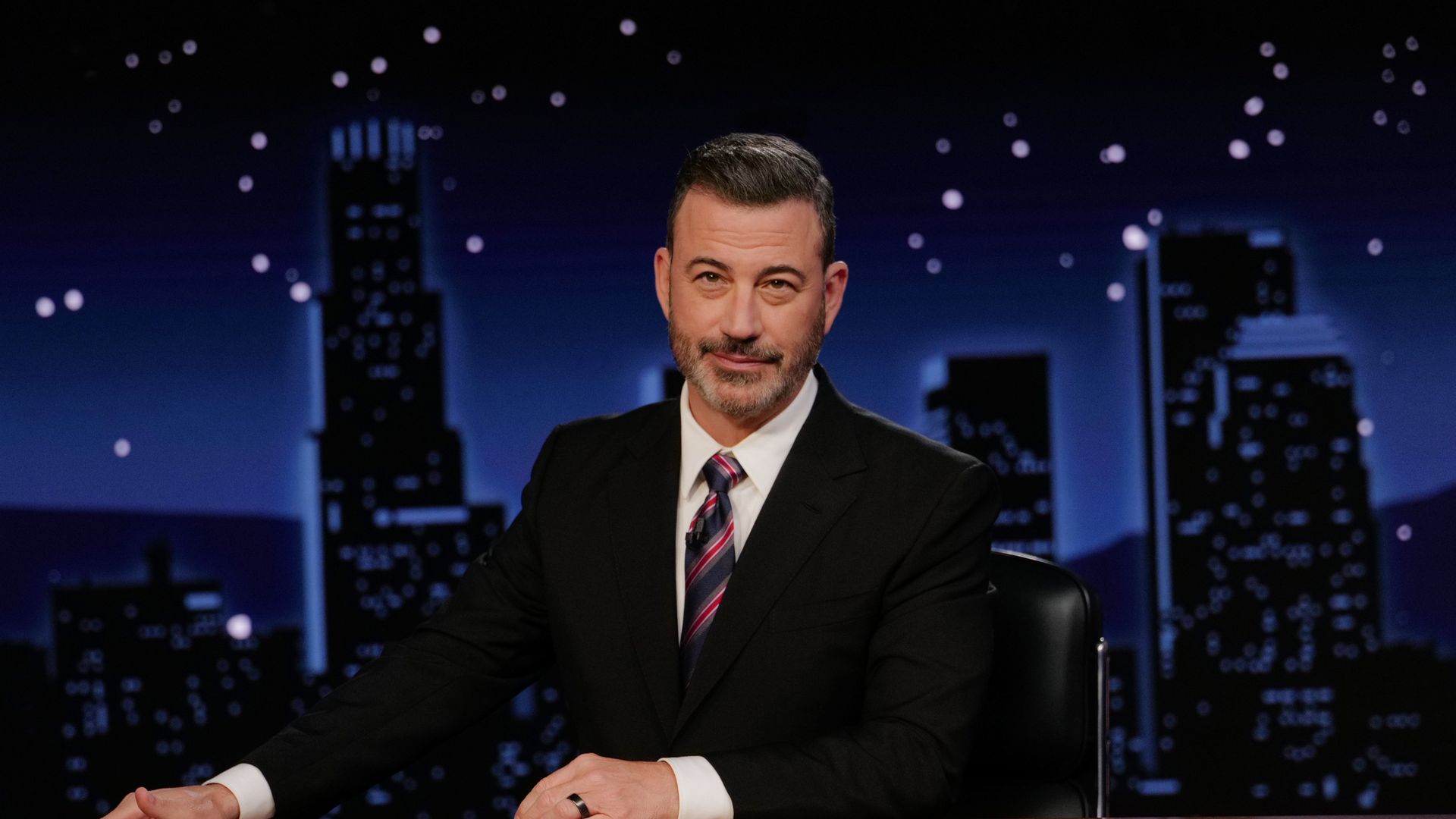
The FCC today ordered an accelerated review of ABC's local station broadcast licenses as it investigates whether those stations violated the FCC's rules that are meant to prevent "unlawful discrimination" related to ABC's diversity, equity and inclusion policies.
💥 Why it matters: The move is unprecedented, and it puts pressure on ABC and its parent Disney as they continue to clash with the Trump administration over the content they broadcast.
- While the FCC does have jurisdiction to review local broadcast licenses, the agency has never declared a review this sweeping, and especially not in relation to a network's DEI practices.
😬 State of play: The review comes shortly after President Trump and first lady Melania Trump condemned ABC for a joke made by its late-night host Jimmy Kimmel.
- President Trump and the first lady called for Kimmel to be fired for the remark.
How it works: ABC's programming is nationally syndicated across hundreds of local stations, but ABC itself only owns a handful of those stations.
- Networks like ABC need to apply for license renewals every eight years. National networks don't hold FCC licenses, which is why the agency can only go after local station licenses.
- In this case, ABC's station licenses were originally scheduled to be renewed between 2028 and 2031.
- The FCC says it's calling in Disney's ABC licenses for early renewal because it's investigating ABC for violating a vague FCC rule called the "public interest standard."
⚖️ Reality check: The FCC would likely face ample legal pushback if it tried to actually revoke ABC's licenses, but triggering an investigation represents a distraction for ABC.
- Press freedom experts argue these types of probes are intended to silence networks that air content that the president may find disagreeable.
Our thought bubble: ABC pulled Kimmel from the air last year for a few days following pressure from local syndicates, but it has less incentive to do the same this time around.
- ABC has more leverage now than it did then, in part because the FCC has already blessed Nexstar's local merger with Tegna.
- Nexstar's merger is being challenged by Democratic state attorneys general, who argue the deal would be anticompetitive. A judge has issued an injunction temporarily pausing the merger.
- Blocking a popular program while trying to convince a judge that the merger wouldn't give one voice too much power is a losing argument.
Sign up for Axios Media Trends