Axios Markets

November 19, 2025

🔴 Stocks declined for the fourth straight session yesterday, something that has not happened since August. AI bubble worries, rate cut confusion, credit risks and consumer health concerns keep making investors skittish. Nvidia earnings tonight, however, could change it all.
- Today: I interviewed Skims founding partner and Good American CEO Emma Grede about tariffs, the consumer, women at work, and more.
- Plus: American companies have become sanguine about tariff policy.
Let's get into it. All in 1,060 words in 4 minutes.
1 big thing: Emma Grede stands by beliefs on success
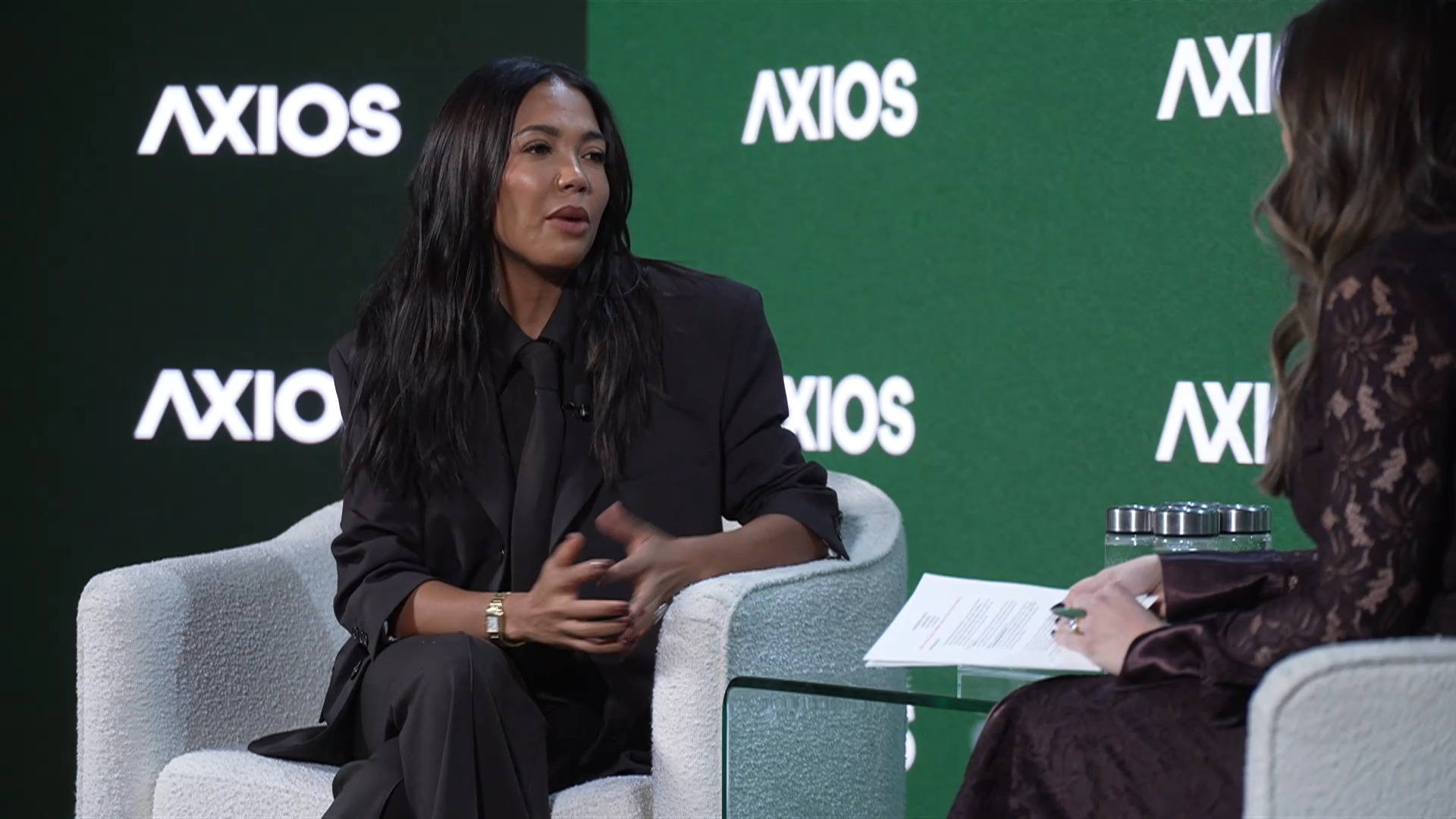
Entrepreneur Emma Grede rejected the notion that women must adhere to certain expectations regarding work/life balance in an exclusive interview at an Axios event in New York yesterday.
The big picture: A clip of Grede speaking on the subject went viral earlier this year after she expressed her belief that people need to be willing to put in extra work, including night and weekend shifts, to be successful.
- Grede said that "a lot of people" disliked her comments, but that a male entrepreneur like Mark Cuban would not go viral for talking about the sacrifices necessary for success.
- "So there is an element of behavior and expectation that is affixed to women, whether we like it or not," Grede said. "And when you behave counter to that, somehow you're a monstrous human being."
- "Two things can be true at once: You can at once be a sympathetic, empathetic fantastic leader, and be absolutely laser-focused on building something great and succeed at that."
Zoom out: Grede cofounded the inclusive fashion line Good American and is a founding partner of Skims. Both brands were launched in collaboration with the Kardashians.
The latest: Skims raised $225 million in new funding last week, valuing the shapewear brand at $5 billion, nearly double the market capitalization of its rival Victoria's Secret.
- Grede said the large majority of the funding will go toward more physical Skims stores. The brand is opening about one new store a month, bucking a broader trend in retail, which saw over 7,000 physical stores shutter in 2024.
Friction point: Good American has helped normalize inclusive sizing, but a 600% surge in Americans using GLP-1s is reshaping what body inclusivity means.
- Despite the rise in Americans using weight loss medications, Good American has not seen major shifts in size sales, Grede said.
- She added that Good American differs from other brands by focusing on "fringe" sizes that others often neglect, including clothes for traditionally plus size or very tall individuals.
Zoom in: Grede believes tariffs are "here to stay," but neither Skims or Good American has raised prices to offset the costs.
2. U.S. firms more confident on trade than global peers
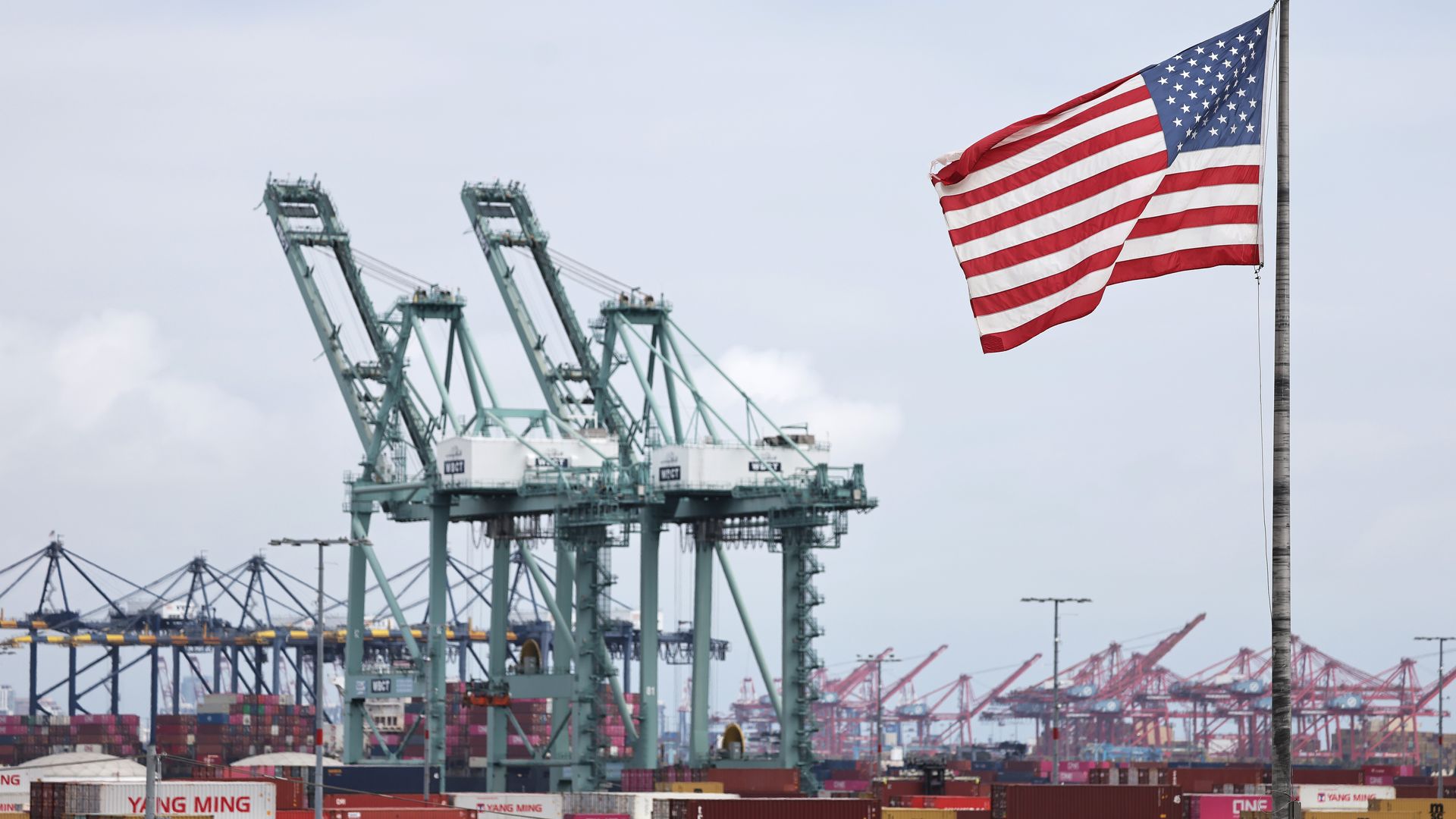
U.S. companies are much more confident than their international peers about crossborder trade in coming years, even with the uncertainty of tariffs, HSBC said yesterday.
Why it matters: This is a sign that American companies have accepted and adapted to a new global trade order faster than competitors elsewhere.
Driving the news: AI adoption is driving some of that gap, HSBC executives said, as American companies are take the broad shift in trade as a moment to invest in new technologies.
- "I do think the U.S. has that advantage," says Marissa Adams, regional head of global trade solutions at HSBC. "We have the largest AI companies in the world."
By the numbers: 57% of U.S. companies are "very confident" about international trade the next two years, compared with 38% of global respondents, the HSBC Trade Pulse survey found.
- The bank surveyed over 6,750 companies active in international trade from 17 countries, including 1,000 U.S. businesses.
The intrigue: As disruptive as tariffs have been, it has been somewhat easier for American companies exporting than for foreign companies importing.
- 52% of U.S. businesses said they feel "informed and prepared" to handle trade disruptions versus 36% of businesses globally.
What they're saying: "There's only so long companies can wait, and we are starting to see some of the corporates go, 'I'm going to make a decision that is based on long-term business trends rather than a specific trade policy,'" Adams tells Axios.
Friction point: Even as American companies express confidence in trade at a high level, they remain cautious in making decisions, in part due to costs.
- 73% say they are experiencing more pressure on working capital, significantly higher than companies elsewhere.
The bottom line: Corporate America is feeling the effects of the trade war, but also trying to push past it much more aggressively than businesses in the rest of the world.
3. "Digital gold" loses its luster as a safe haven in 2025


Investors looking to bitcoin as a safe haven in 2025 are feeling anything but safe.
Why it matters: Once billed as a hedge against inflation and economic angst, "digital gold" is acting more like a risk-on technology stock than its physical counterpart.
By the numbers: After a 26% slide from its record high in early October, bitcoin is now trading roughly flat since the start of the year.
- Gold, meanwhile, has soared 55% in 2025.
The big picture: The gold rally is fueled by expectations for lower interest rates, a weaker dollar, rising market volatility and rising economic unease.
- Traditional bitcoin logic would say those same conditions should boost bitcoin but, instead, the opposite is now happening.
Reality check: Despite features such as a controlled supply and distance from traditional financial markets, bitcoin's record as a safe haven has been spotty at best.
- Its correlation to U.S. stocks turned positive in 2020 and has stayed that way ever since then, CME Group economist Mark Shore wrote in May.
- Over the past year, more bitcoin than ever before has flowed into the hands of institutional investors through ETFs and publicly traded crypto treasury companies.
The impact: Bitcoin is now performing like the ultimate risk asset, one of the first things to fall as investors increasingly question the sustainability of the stock rally driven by AI.
- Crypto's latest slide comes as the Nasdaq is down 6% over the past month.
The bottom line: NFL hall of fame coach Bill Parcells once said, "You are what your record says you are."
- By that measure, bitcoin in 2025 looks far less like "digital gold" and far more like a barometer for investor risk appetite.
👀 Got tips? Email me at [email protected]. I would love to hear from you about anything that may be of interest for our investor audience.
Thanks to Jeffrey Cane for editing and to Anjelica Tan for copy editing. See you tomorrow!
Sign up for Axios Markets