Axios Markets

May 21, 2025

☀️ Good morning! Today we're spotlighting presidents trying to influence businesses by talking down prices, a tradition not without controversy.
- Plus: DOGE's Social Security troubles, and a historic union-business split.
👀 Tune in here at 5:00pm ET to hear from Commerce Secretary Howard Lutnick, CIA Deputy Director Michael Ellis, Sen. Jeanne Shaheen, Bayer CEO Bill Anderson and more on the evolving trade landscape.
All in 1,120 words, a 4-minute read.
1 big thing: Trump tries to manage "the store"
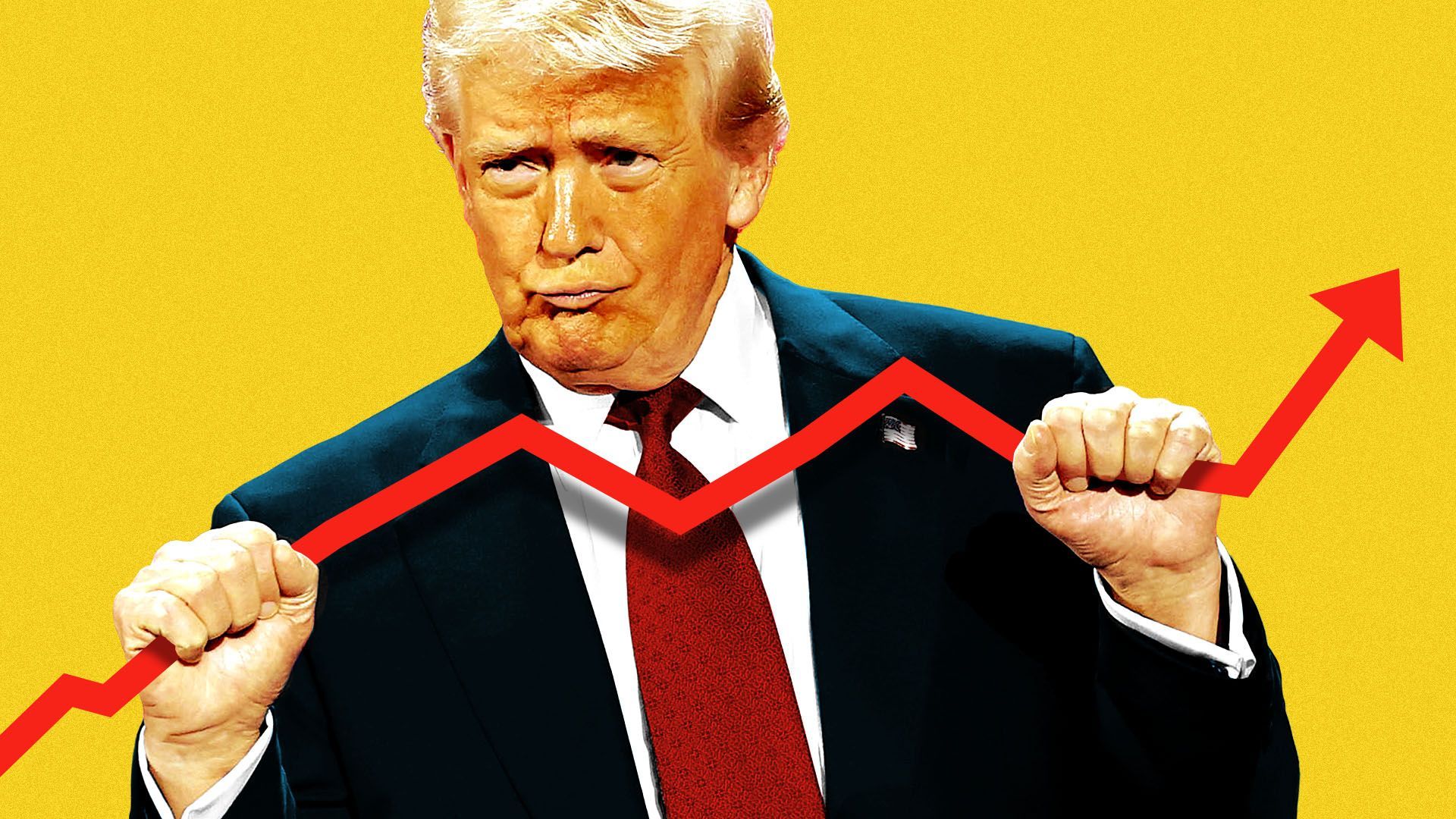
When the president warns companies like Walmart not to hike prices in response to tariffs, he's acting in a long-standing tradition.
Why it matters: Politicians routinely use their bully pulpit or pull policy levers to control prices of critical goods.
- The difference is that Trump was the one who set the price hikes in motion by raising tariffs.
Driving the news: Trump has not been shy about using his presidential sway to influence prices.
- Over the weekend, he railed against Walmart for saying they would raise prices and demanded they "EAT THE TARIFFS."
- In an interview with Time magazine, he compared his administration with "the biggest department store in history" and said he sets prices with tariffs.
- "And on behalf of the American people, I own the store, and I set prices, and I'll say, if you want to shop here, this is what you have to pay."
Yes, but: The White House says the administration is making an effort to help the free market lower prices by relaxing regulations or encouraging more oil drilling, for instance. Tariffs are simply one way to level the playing field with other countries who impose price controls or import restrictions, officials say.
- That is distinct from traditional notions of "price controls."
- Says White House spokesman Kush Desai: "Our full suite of supply-side reforms — rapid deregulation, domestic energy production, and tax cuts — along with our America First trade policies have now delivered multiple below-expectation inflation reports, robust jobs reports, trillions in historic investment commitments, and a UK trade agreement that opened up billions of dollars in export opportunities for American producers, with many more custom-tailored trade deals to come."
Flashback: When Joe Biden was in office, he made statements urging grocery stores to lower prices, and when Target announced it would do just that on a limited number of goods — basically a sale — the White House took credit.
- Meanwhile, presidential candidate Kamala Harris caught plenty of flak from conservatives and others over her proposal to ban price gouging. Trump called her a communist during the campaign.
- In 1971, Richard Nixon actually took the drastic step of freezing prices and wages for 90 days to push inflation down. It was "economically ineffective and politically disastrous," Politico wrote last year.
Between the lines: During the inflation spike in 2022, talk of price controls got a lot of pushback from the right.
- At the same time, the left railed against "greedy" companies for raising prices beyond what was necessary, a simplified version of a theory popularized by Isabella Weber, an economist at the University of Massachusetts Amherst.
State of play: The tides have shifted, and Trump and his supporters are pushing back on the notion that companies must raise prices.
What they're saying: "In fact, with the major exception that Trump's own actions caused this, the message isn't that different from President Biden inveighing against grocery price markups during his watch," Jared Bernstein, who chaired the White House Council of Economic Advisors during the Biden administration, wrote in a Substack post this week.
2. DOGE faces pushback at Social Security
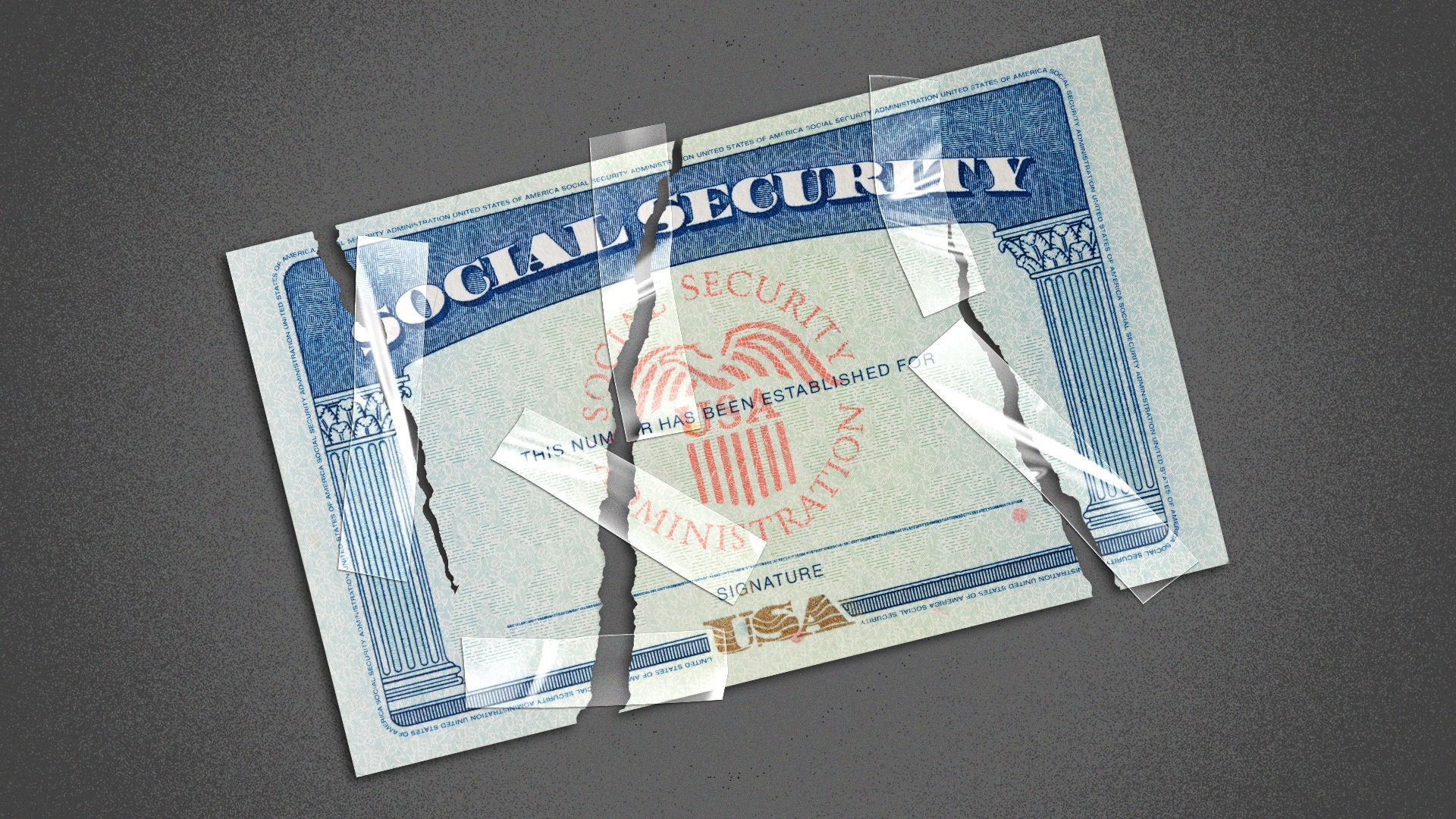
Some changes implemented by the Department of Government Efficiency at the Social Security Administration are reportedly being rolled back, but the agency is still struggling with fallout from the Elon Musk chainsaw.
Why it matters: The retreat shows the limits of DOGE's slash-and-burn strategy at an agency that is deeply enmeshed with Americans' lives.
Where it stands: Last week, multiple outlets reported that Social Security was ending a key DOGE policy, a three-day hold put on telephone claims to conduct fraud checks.
- The policy did not turn up any significant fraud and was slowing the processing of retirement claims, Nextgov first reported. Last month the agency walked back a different part of its new phone policies.
- Many of the changes DOGE pushed at the agency have been abandoned or reversed, the Washington Post reported, because they resulted in customer service issues, delays and outrage from seniors, advocates and lawmakers.
Yes, but: The agency is now improving an anti-fraud algorithm for telephone claims, a Social Security official told Axios. Only the cases with "the highest probability of fraud" will be flagged, which should improve processing times, they said.
- The agency official said AI-improvements are making it so Social Security can serve "more customers than ever," pointing to its own data on customer service.
What they're saying: The constant churn is creating chaos inside the agency as offices try to adjust to the changes, only to have them quickly pulled back, one recently retired Social Security executive told Axios.
- Add to that the huge loss in experienced talent at the agency: "You've got this policy and procedural churn going on, and the people dealing with it are some of our least experienced employees," they said, speaking on the condition of anonymity for fear of retribution.
- The agency is nearing a "breaking point," they said.
- The current agency official pushed back on this as well: "Social Security is being led by highly-qualified individuals who are committed to protecting and strengthening the program."
Zoom out: Earlier this year, the agency said it wanted to eliminate 7,000 employees, which is 12% of staff.
- 3,000 have voluntarily left so far, according to an agency press release, pushed out by DOGE. And another 2,000 have been reassigned to field offices from headquarters or regional hubs.
- It remains unclear if more cuts are coming. Now that commissioner Frank Bisignano is confirmed, he is "evaluating staffing levels," the agency official said.
- Complicating matters is a surge in retirement claims, according to an analysis from the Urban Institute reported in the New York Times.
The other side: "DOGE has played a critical role in improving the Social Security Administration, from modernizing its technology infrastructure to enhancing efforts to identify waste, fraud and abuse," according to White House spokeswoman Liz Huston.
3. The big switch from business to labor


The popularity of labor unions surged over the past decade, while American sentiment toward big business has fallen, according to new data published by the liberal Economic Policy Institute yesterday.
Why it matters: The approval switcheroo helps explain, in part, why the Republican Party has been courting labor unions in recent years.
Zoom in: For the past 60 years, American National Election Studies has been surveying Americans, asking them to rate their feelings toward labor unions and big business.
- Up until 2012, sentiment moved together, but in the recovery from the Global Financial Crisis things changed.
Zoom out: After the pandemic, public support for labor unions and workers increased even more.
- At the same time, increasing populism meant less support for businesses, even from Republicans who typically support their interests.
The bottom line: Americans are more likely to support unions than big companies by the widest margin in 60 years.
Thanks to Ben Berkowitz for editing and Anjelica Tan for copy editing. See you tomorrow!
Sign up for Axios Markets