Axios Markets
August 19, 2026


1 big thing: How AI explains recent stock market weirdness


Stocks have been behaving oddly recently, with downright dull moves for the S&P 500 index, even as companies within it swing like mad.
Why it matters: This dynamic — individual stocks posting large, uncorrelated moves that cancel each other out — is another way the AI boom is reshaping the markets.
By the numbers: A measure of single-stock volatility — based on readings on each S&P 500 stock from the options market — spiked to more than 50 during July, trouncing the previous decade's average of roughly 32.
- It last got to 50 when the Trump tariffs spooked the market in April 2025. Before that, it only got there during the depths of the pandemic.
- But unlike those previous panicky episodes, the key gauge of index level volatility for the S&P 500 — not its individual constituents — barely budged this time.


The intrigue: "We saw the same thing in the '90s, the late '90s" Ben Bowler said of the recent divergence between volatility of individual stocks and the index itself. Bowler heads up equity derivatives research for Bank of America Global Research.
- "That's actually quite indicative of an asset bubble brewing in tech and AI," he said.
- "The market coalesces around this idea that the future is going to be a magical place and people don't want to miss out on that," Bowler said. "At the same, time there's a huge uncertainty with respect to how it's going to unfold and when it's going to unfold."
What they're saying: It's AI. In recent years, the market has been less focused on economic developments — which tend to be broadly good, or bad, news for most stocks simultaneously.
- Instead, the market's view of a company as an AI winner or loser is what moves shares.
- That's resulting in price moves that are individual one-offs rather than market-wide, correlated swings.
Behind the scenes: A lot of big hedge funds put on a trade designed to take advantage of this volatility regime.
- Known as the dispersion trade, it involves betting against big swings in the S&P 500 index — using the options market — while also betting on choppiness for individual stocks.
Yes, but: The prevailing winds shifted in July as new Chinese AI models prompted questions about whether cheaper options could compete with offerings from Anthropic and OpenAI. Stocks associated with the AI buildout tumbled.
- Some of those stocks were big positions of the hedge fund Situational Awareness, which was betting on them using borrowed money, or margin. When they started to tumble, it faced margin calls it couldn't meet without unloading more shares, worsening the downturn.
- At the same time, macro risk re-emerged as it became clear that the Iran war was far from done and dusted. Oil prices rose, reigniting worries about inflation.
- And the shaky performance of Federal Reserve chairman Kevin Warsh at his first press conference last month prompted government bond yields to climb.
Zoom out: The result was a big unwind of trades that had previously been working well. As hedge funds pulled in risk taking, volatility fell sharply for individual stocks.
State of play: Analysts say, despite the recent trade unwind, AI is still the most important thing for the markets. So it's likely that the swings in individual stocks will stay sharper than usual, at least compared to the index, for a while.
- "An AI‑driven stock market is one where we should expect higher levels of dispersion relative to history as the power of disruption can accelerate the separation between perceived winners and losers," Katrina Rodriguez, a derivatives trader at JPMorgan Private Bank, wrote in a statement to Axios.
- "Broader impacts will be felt only if the market questions the aggregate gains to corporate revenues from AI," Goldman Sachs analysts noted last week.
The bottom line: It's still all about AI.
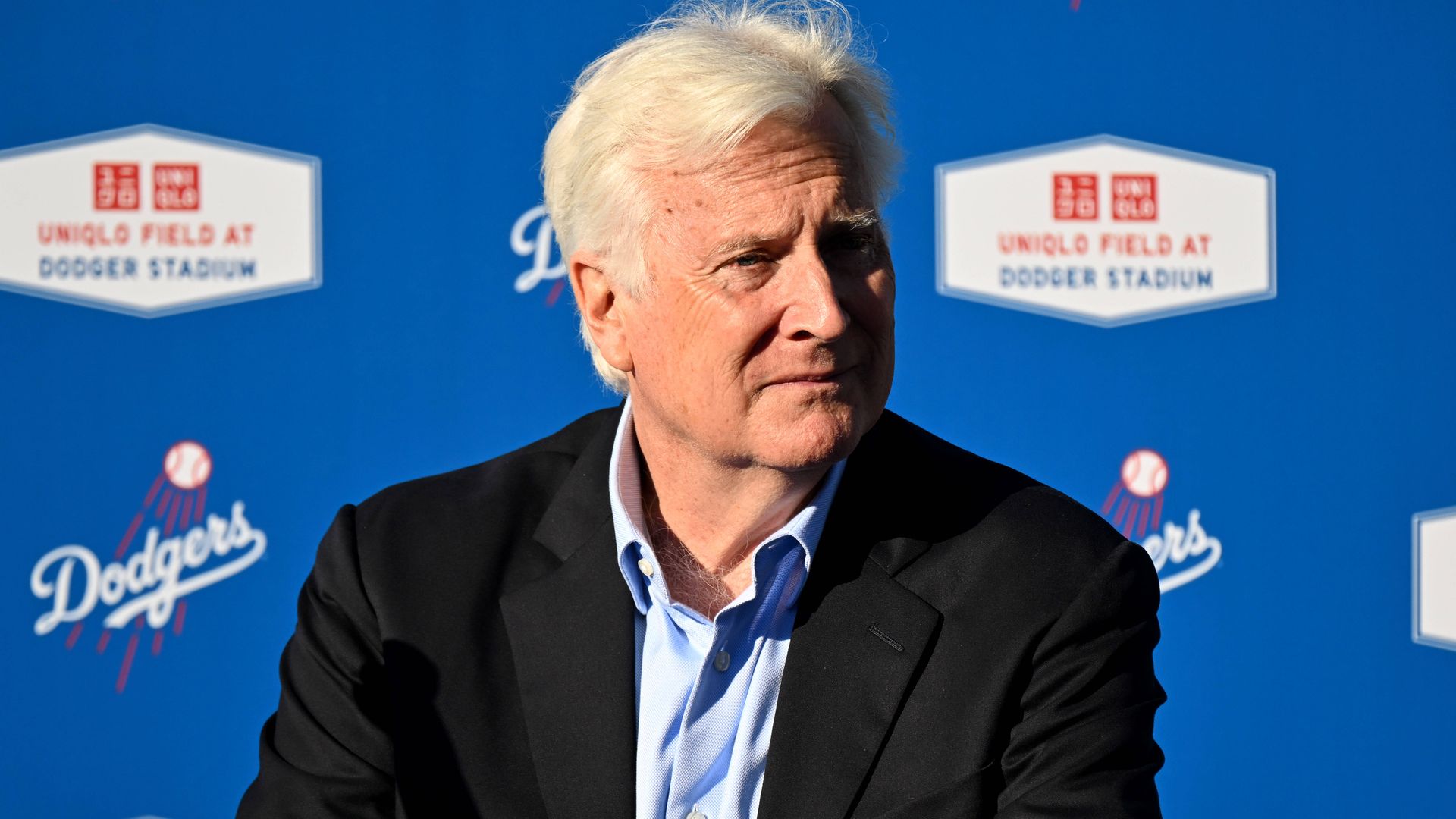
2. Why the Mark Walter news matters
Axios Markets