Axios Markets

August 31, 2026


1 big thing: Bonds run the world
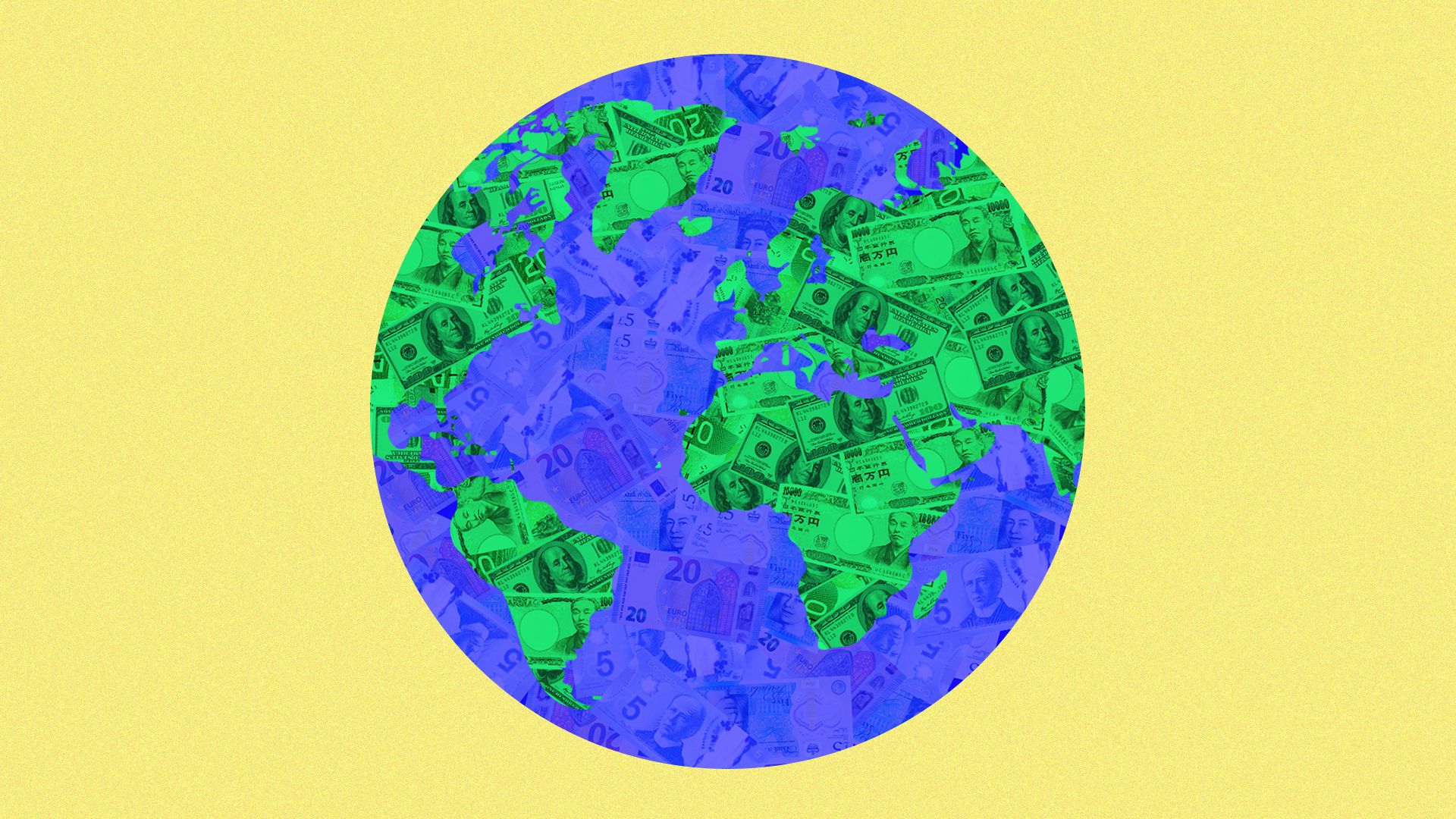
The bond market is growing more interesting lately — and that's concerning.
Why it matters: The $160 trillion global bond market is like the plumbing in your house. You don't think about it until it stops working and you've got a nasty situation on your hands.
The big picture: Long-term government bond yields for the U.S. and other G7 countries have been climbing — hovering at levels last seen in 2007 before the financial crisis — and raising concerns about borrowing costs growing more expensive for countries that are already staring down heavy debt loads.
- The AI boom, meanwhile, has spread to the market for corporate bonds, sparking worries about a bubble.
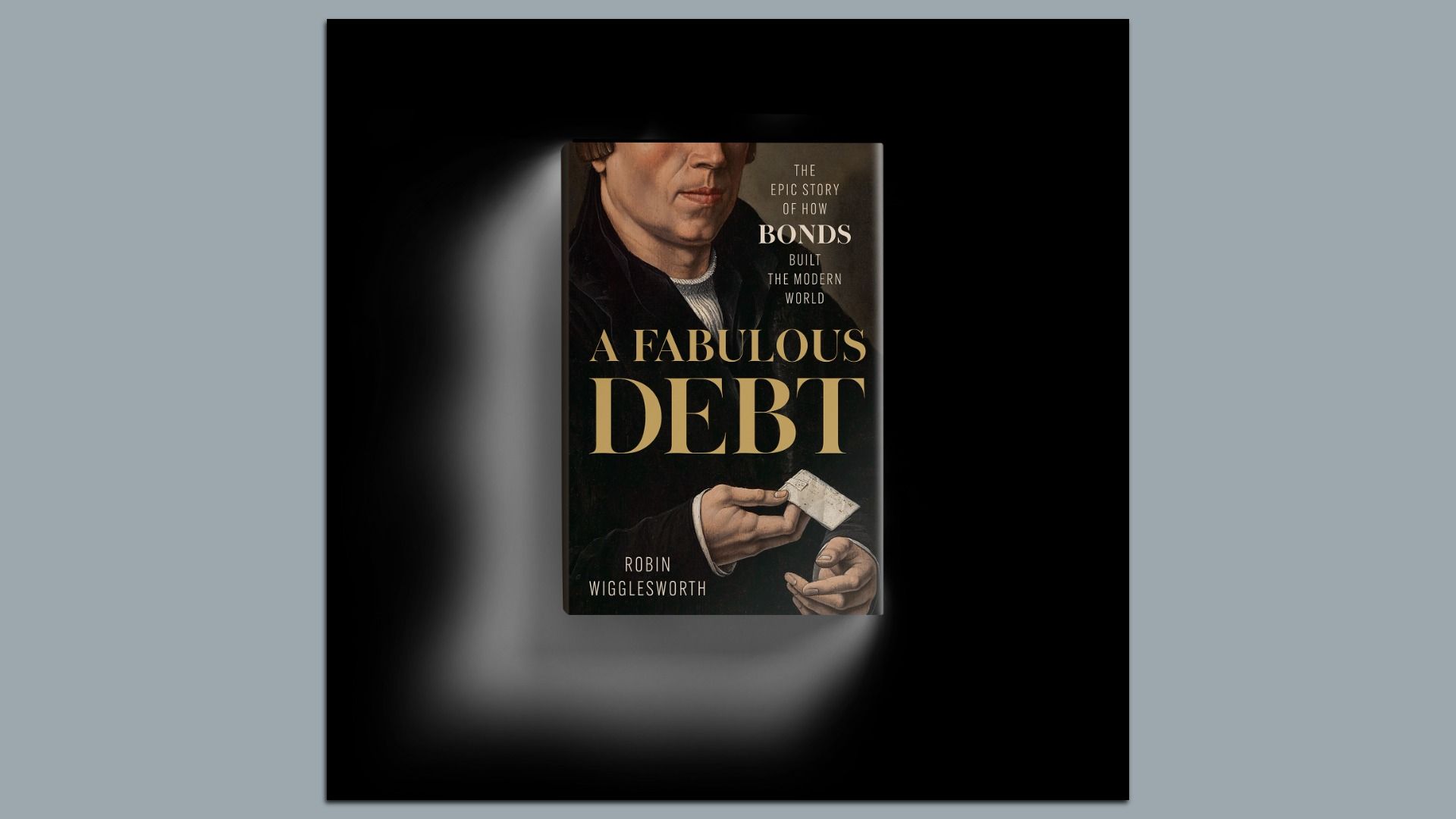
What to watch: It's a perfect moment to release a book laying out the history of the bond market: "A Fabulous Debt: The Epic Story of How Bonds Built the Modern World" by Robin Wigglesworth is out on Sept. 29.
Where it stands: Axios recently caught up with Wigglesworth. Here's a snippet of our conversation, which has been edited and condensed for clarity:
Axios: If bonds are so important, as you argue, why do we mostly talk about stocks?
Wigglesworth: I think the stock market has always just been seen as a little bit more glamorous, maybe because it goes up and down a bit. Bonds are, you know, if they work as they are supposed to, they are supposed to be boring.
There have been a lot of meme stocks over the years. There's never been a meme bond.
Big Tech is on a bond binge now, and you say we should be worried. Why?
I used to be profoundly relaxed about whether there's an AI bubble or not. I think bubbles are very hard to identify.
And this is what the stock market does. It goes up and down a lot, and people go over their skis. I think that's fine. It's working as intended.
But there's a difference when those bubbles become more fueled by debt. Big shocks ripple through credit. The hangovers. Even for humdrum investment booms, the economic hangover tends to be just a little worse.
With housing in the 2000s, the railways in the 19th century, they end up being really nasty.
We say a lot at Axios Markets that the stock market's not the economy, but what I'm hearing from you is the bond market is the economy.
Yes.
I don't want to sound too alarmist [about tech bonds] because we're still talking about very profitable companies. But the fact that this has morphed from being like a stock market mania to being something that is definitely being fueled by debt and off-balance sheet debt, that is definitely worrying.
If there is a big crash, and we look for symptoms, this would be one of the first things you'd point to.
Maybe the bigger worry is the Treasury market? The biggest, most-liquid giant bond market we've ever seen. How are you feeling about it?
The Treasury market really is, it's at the apex. It is the greatest show on Earth. It's what matters. It kind of represents the cost of money, not just for Americans, but obviously for the rest of the world.
People have been freaking out about it for 20 years, and I suspect we'll be still freaking out about it for another 20 years.
I am far less worried than anybody else about the U.S. debt issue, but I've gone from maybe like 1% worry to like 3% worry.
These numbers are completely made up and arbitrary. But even a 3% chance of the U.S. defaulting in any form or fashion...
I think that's super scary.
Axios Markets