Axios Markets

September 08, 2026

๐ Welcome back! It's back to school here in the Northeast โย a time to face cold realities.
๐ This morning, S&P 500 futures are down slightly, as oil prices are at six-week highs. Attacks on Saudi Arabian energy facilities over the weekend have investors on edge.
- Copper prices hit an all-time high this weekend on tariff anticipation โ and supply concerns for a crucial data center input.
๐๏ธ Today, a look at something unreal and hard to face โย the prospect of a deliberate default on U.S. government debt. Plus, retail investors are looking less bullish these days. And, a sobering chart for those of us in the information biz.
Let's dive in. In 1,242 words, a 4.5-minute read.
1 big thing: One big, beautiful default?
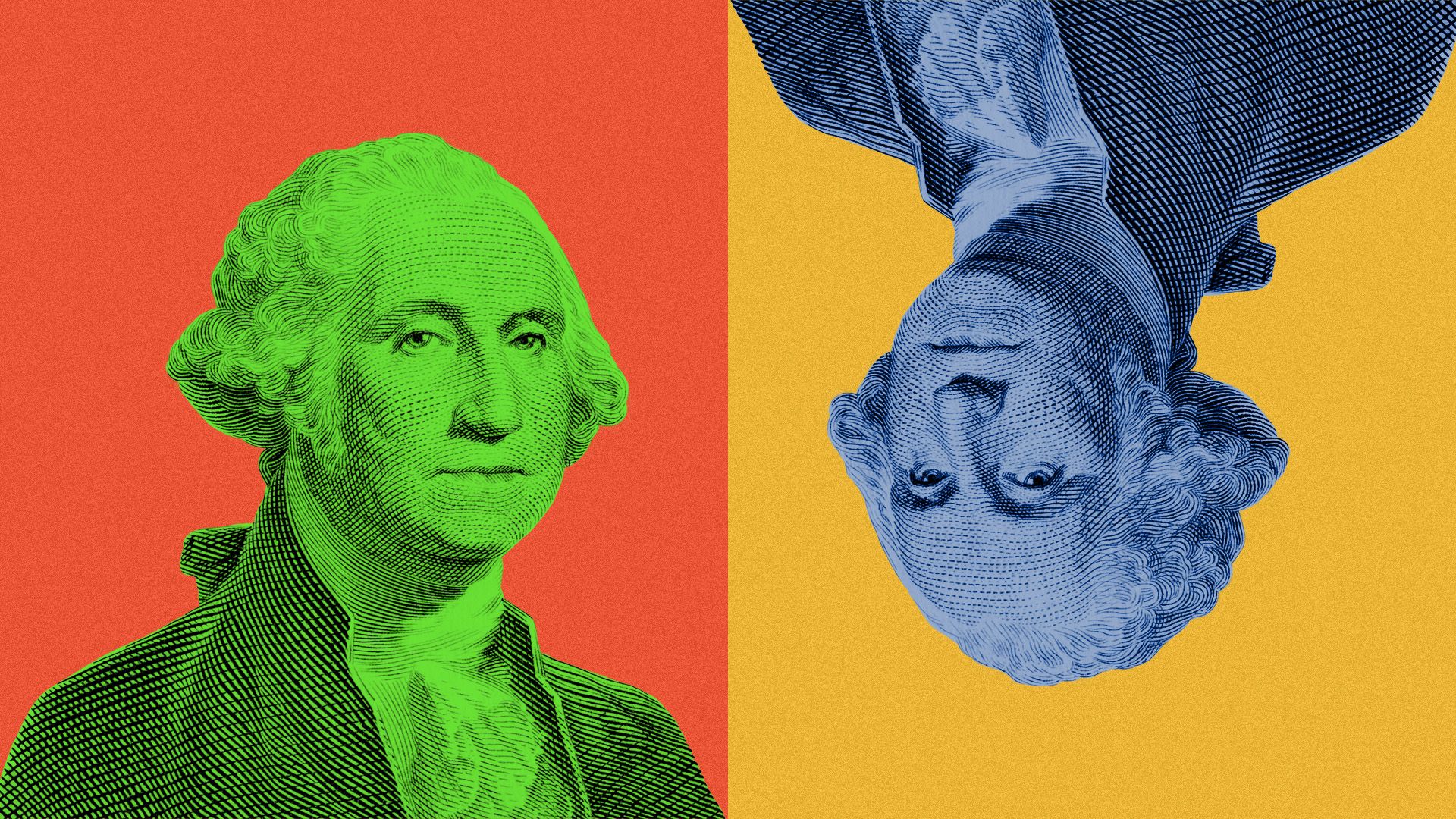
In a Virginia law school classroom, students are grappling with an event once considered unimaginable:ย a U.S. government debt default.
Why it matters: This semester's class is indicative of a nervousness that has become more widespread about America's standing in the global financial system.
Zoom in: The One Big Beautiful Default assignment in Mitu Gulati's class at the University of Virginia School of Law is a hypothetical memo signed by "the President," who is unnamed.
- "Ladies and Gentlemen: I am writing to you in your capacities as experts in the resolution of sovereign debt crises," it reads.
- Foreigners have stopped buying U.S. Treasury bonds, and the government is "being forced to offer higher and higher interest rates" to get people to buy them, the president writes. That makes investors "yippy" and drives rates up more.
- Rates are at 15%, the president says, adding that he needs this fixed.
Zoom out: It's a scenario that has happened to much smaller nations.
- Argentina, for example, outright defaulted on its debt in 2001.
What they're saying: In the class exercise, the president proposes a deliberate kind of default. He says he wants to stop making payments on bonds to noncitizens and wants to minimize the negative effects such a move would have.
- Students have until the end of the semester to come up with a plan.
- "I desperately hope that we don't have to worry about it, but I think it's really stupid not to prepare," Gulati says.
The big picture: U.S. Treasury securities have long been considered the safest investments in the world โ sometimes described as "risk free."
- A deliberate default or a political decision to punish certain holders of U.S. Treasurys "would destabilize the entire international financial system," says Lee Buchheit, a veteran sovereign debt lawyer who has worked with Gulati before and is familiar with the class assignment.
State of play: The U.S. is now paying higher interest rates to entice investors to buy its Treasury notes and bonds โ the rate on the 30-year bond is back to levels not seen since 2007.
Friction point: There are signs, meanwhile, that investors โ particularly foreign governments โ are looking for alternatives to the U.S.
- The Netherlands shifted some of its gold from the U.S.
- Norway's sovereign wealth fund โ the world's largest โ is proposing to cut its exposure to government bonds, including U.S. Treasury securities.
- Foreign governments are holding a much smaller share of U.S. government debt, as Matt wrote recently.
Yes, but: At the moment, borrowing costs are rising not just in the U.S., but also for most developed countries โ all dealing with a mountain of debt.
- And there are some who argue that interest rates are now normalizing from the super-low levels that became the norm in the wake of the 2008 financial crisis.
Flashback: Worries over a U.S. default have cropped up before around debt ceiling standoffs.
- "We live in a moment in which a U.S. administration has been willing to deploy punitive tariffs on other countries for reasons that have nothing to do with trade policy," says Buchheit, who advised the Greek government in its debt restructuring โย the largest ever at the time.
- "The proponents of those policies might just be tempted to entertain the possibility of a targeted default on debt held by an offending country," he says. But only if it wouldn't impair the market for U.S. debt, invite retaliation and could really be targeted.
The bottom line: "These are Himalayan ifs," he says. "I, for one, don't think this would be possible, but the OBBD exercise invites the students to indulge in what law professors like to call 'hypotheticals.'"
- "After all, bestselling books are written about the possibility, and the likely consequences, of thermonuclear annihilation."
2. Retail investors were less bullish in August
Retail investors were less eager buyers of stocks in August, taking advantage of gains early in the month to trim some of their positions and leading to a 3.9% decline in Charles Schwab's index of stock positions and trading activity, per data shared exclusively with Axios.
Why it matters: That caution, seen during a month of rising Treasury yields and surging energy prices, may indicate a willingness to tap the brakes on this long-running bull market.
What they're saying: Investors' hesitation is reflected in the growing trend of putting money into exchange-traded funds, or ETFs, instead of single stocks, says Joe Mazzola, head trading and derivatives strategist at Schwab.
- There's a "momentum shift toward diversified ETFs," he notes, with four ETFs among the top 10 net buys among Schwab clients.
- In addition, of the 11 sectors in the S&P 500, its investors were net buyers of only industrials, utilities and real estate โ all typically defensive investments.
Zoom in: Among single-stock names, Elon Musk's SpaceX was "hands down the favorite" among retail clients in August, Mazzola says.
- Other top net buys were: Micron, Nvidia, Intel and Alphabet.
By the numbers: The Schwab Trading Activity Index, or STAX, declined to 57.50 in August from a four-year high of 59.80 in July.
- The STAX index is calculated by examining the stock positions and trading activity of the millions of Schwab customer accounts.
What we're watching: Schwab clients said they were a bit more bullish about stocks going into September, a separate attitudinal survey found.
- Clients are "defensive, but are not meaningfully pessimistic," Mazzola says.
- Investors were the most bullish about energy stocks, reflecting in part, Schwab says, interest in AI's energy needs.
3. Job losses in the information sector are piling up


The information sector lost 23,000 jobs in August,ย and its employment is now down by about 12% since peaking in 2022.
Why it matters: That's 370,000 lost jobs over four years across the movie and music industries, telecom and media, as well as data processing, web hosting and other information services.
- The decline got less attention last week when the August employment report showed surprisingly strong hiring.
The big picture: It's tempting to blame AI, and certainly the technology is starting to impact hiring and firing decisions, but it's more complicated.
Zoom in: Motion picture and sound recording jobs make up roughly one-third of the decline. The industry is grappling with the end of the streaming content boom, consolidation and production moving out of the U.S.
- The telecom and traditional publishing industries have long been shrinking.
- There was a hiring bubble coming out of the pandemic (you can see in the chart) that companies have pulled back from.
The bottom line: AI has increased the amount of information available at our fingertips, and now there are fewer jobs for humans working in the information industry.
Thanks for reading! Get in touch at [email protected] and [email protected] or just reply to this one.
Thanks to Jeffrey Cane for editing and Carlin Becker for copy editing this edition.
Tell your friends to sign up here. You can also find Emily on X.com or Bluesky.
Sign up for Axios Markets