Axios Macro
January 24, 2025


That was fast. President Trump, only three days into his term, started signaling what he wants from Federal Reserve policy. Surprise! It's lower interest rates.
- We unpack the details, and how the Fed is likely to look at Trump's energy-driven case, below. 🛢
Situational awareness: The Bank of Japan raised interest rates for the third time in the last year, shrugging off the potential risk of Trump-era trade wars. More here.
Today's newsletter, edited by Ben Berkowitz and copy edited by Katie Lewis, is 676 words, a 2½-minute read.
1 big thing: Trump vs. the Fed 2.0
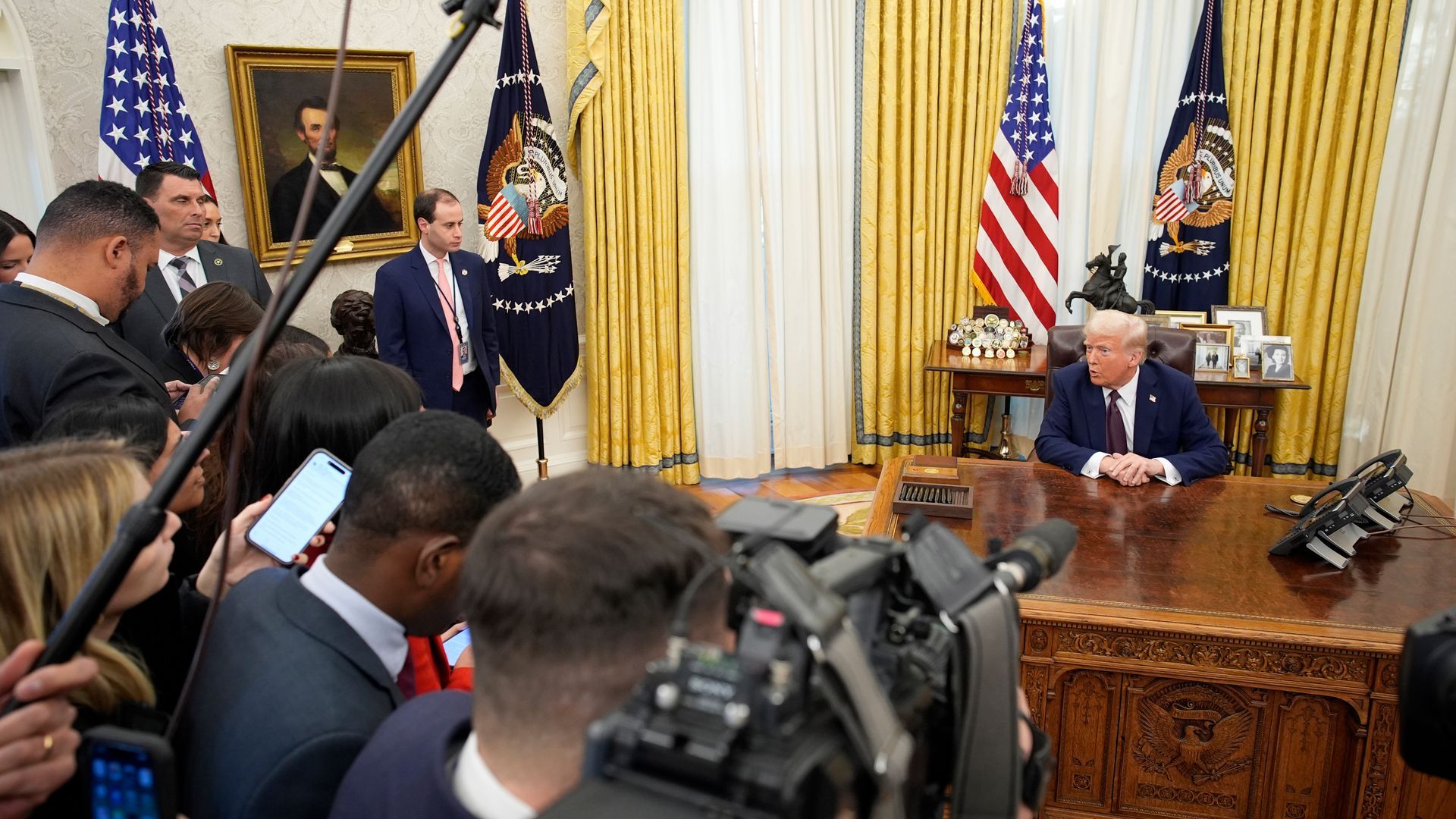
In case you were placing bets on how long into his second term it would take for Trump to start weighing in on interest rate policy, we learned the answer yesterday: 71 hours.
Why it matters: Trump telling the Fed what he thinks it should do is nothing new. But the details of the president's message yesterday about interest rates, inflation, and oil prices are worth parsing.
- They shed light on how his administration views energy markets as central to its broader macroeconomic agenda.
Catch up quick: Speaking virtually to the World Economic Forum, Trump said he'll "demand that interest rates drop immediately."
- Later, taking questions in the Oval Office, he added that "when oil prices come down, everything's going to be cheaper for the American people," and that lower energy prices are "going to knock out a lot of the inflation. That's going to automatically bring the interest rates down."
- He said he will speak to Fed chair Jerome Powell about rates policy "at the right time." Compared to the Fed, he said, "I think I know interest rates much better than they do, and I think I know it certainly much better than the one who's primarily in charge of making that decision."
- "If I disagree, I will let it be known," he added, a statement nobody who has paid any attention would doubt.
Zoom out: As in his first term, Trump rejects the modern norm of presidents not publicly commenting on or recommending interest rate policy. What's new is his emphasis on energy abundance as the reason he believes the Fed should cut rates.
- The new administration is all in on encouraging more domestic production of oil and gas.
- Trump also yesterday pressured Saudi Arabia and other OPEC countries to pump more oil to bring down prices.
- Domestic producers will be reluctant to amp up output if prices are falling due to higher output overseas.
- But internal contradictions aside, there's little doubt that Trump views bringing energy prices down as the key mechanism by which he intends to reduce overall inflation.
State of play: The Fed is likely to leave its target interest rate unchanged at a meeting concluding this coming Wednesday. As of mid-December, the median official of the central bank saw two rate cuts on the way this year.
- Further clear progress toward inflation coming down would accelerate those plans.
- Energy prices are perhaps the easiest set of prices to monitor in real time. Crude oil futures trade minute by minute, and retail gasoline prices are updated every day. So if Trump succeeds at bringing down energy prices, the Fed will know it and can quickly factor it into policy decisions.
2. The problem with energy disinflation
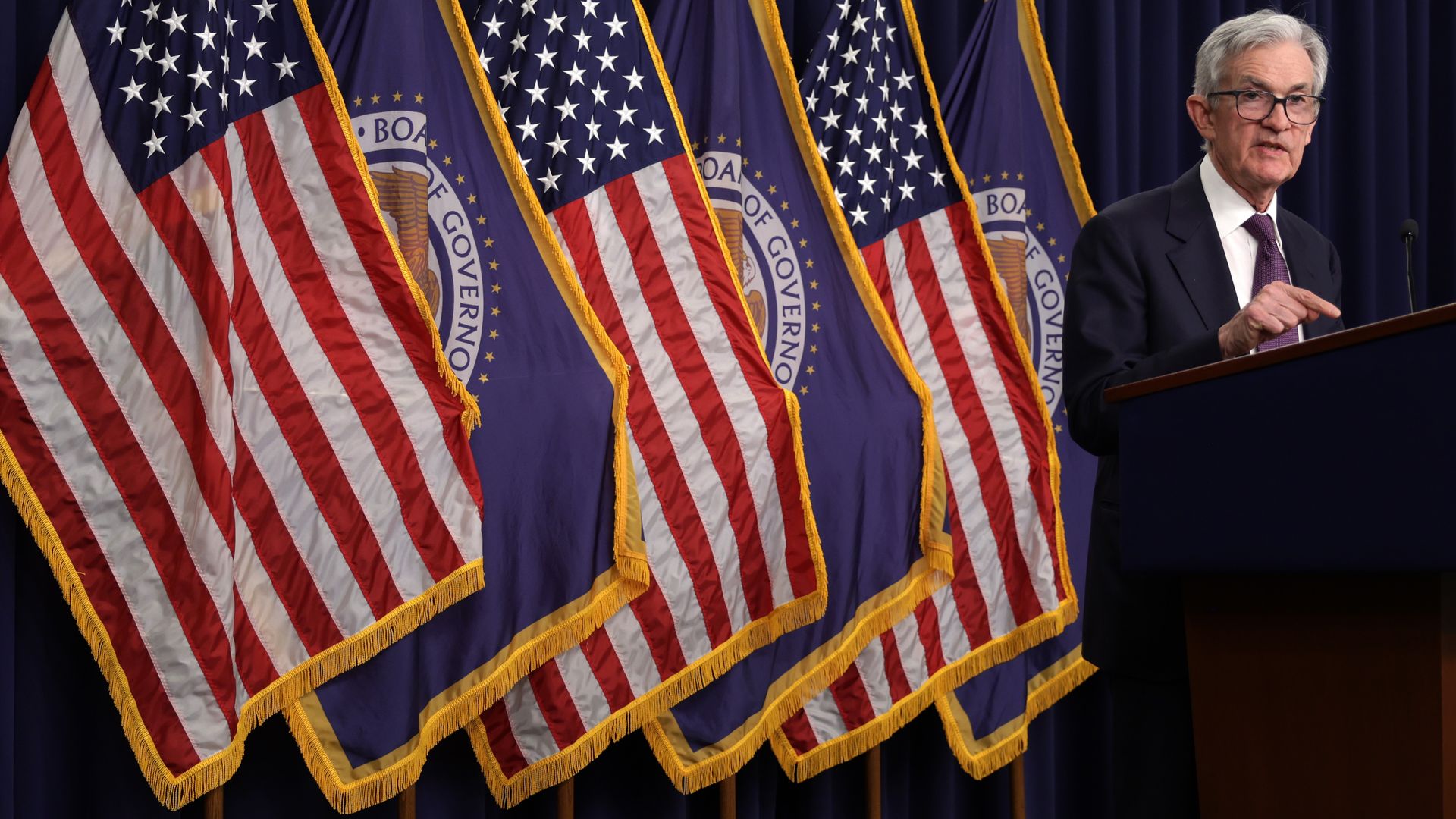
If energy prices were to drag down overall inflation this year, the Fed may not react as aggressively as Trump hopes.
By the numbers: Energy only constitutes 6.4% of the Consumer Price Index. While gasoline prices and home heating bills loom large in the public consciousness, they are a relatively modest portion of people's total spending.
- Moreover, central banking's conventional wisdom is that moves in energy and food prices tend to be one-off shifts, rather than reflections of underlying inflation trends, and don't demand a policy response.
That said, lower energy prices would have some impact on other prices across the economy — lower airfare, shipping costs, and more — helping bring core inflation down as well.
- So at the margins, at least, it would support the case for more rate cutting.
The intrigue: Right now, Fed officials are particularly attuned to ensuring that consumer and business inflation expectations reanchor at their 2% target after four consecutive years of overshooting that target.
- A drop in fuel prices, even if it's a one-time occurrence, could help that cause — at a minimum, it could help offset any one-off surge in some prices due to higher tariffs.
What's next: Powell is set to take questions from the media Wednesday afternoon following the Fed's policy meeting. We can look forward to questions about how the Fed intends to react to the president's pressure.
Sign up for Axios Macro