Axios Latino


👓 Welcome! We hope you enjoy today's newsletter.
👀 En español 👀
This newsletter, edited by Astrid Galván, is 1,399 words, a 5-minute read.
1 big thing: Mexico set to elect first woman president
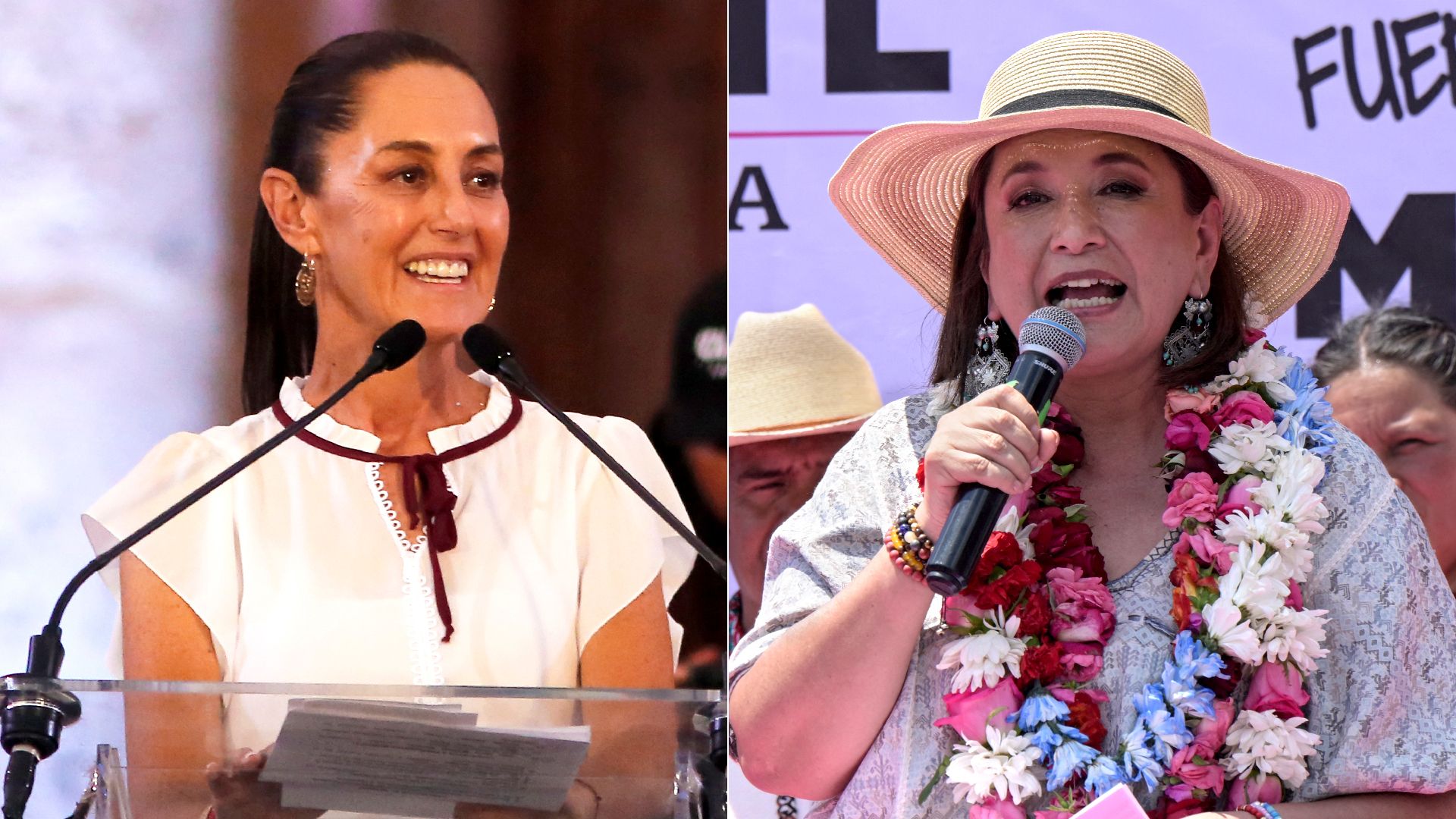
Mexicans on Sunday are likely to elect their first woman president in a historic election that has centered around surging violence.
The big picture: This is Mexico's largest election ever, with 20,000 local, state and federal offices at stake.
Zoom in: The two leading presidential candidates are Claudia Sheinbaum from the ruling Morena coalition and Xóchitl Gálvez, a former senator from the opposition coalition called Fuerza y Corazón por México.
State of play: Sheinbaum, who is leading in the polls, is a scientist and formerly the leader of Mexico City's government.
- Her proposals to stem violence largely mirror those of her mentor, outgoing President Andrés Manuel López Obrador, who created the National Guard and gave it significant power over public safety while also promoting his famous "hugs, not bullets" mantra.
- She has also promised to create a new national criminal investigations program to tackle impunity (more than 98% of crimes go unpunished or unsolved in Mexico).
Gálvez, an engineer, has pledged to build a new maximum security prison, invest in forensics, strengthen the justice system and keep the National Guard deployed in key areas while making it civilian-led.
- Trailing them is Jorge Álvarez Maynez of centrist party Movimiento Ciudadano.
Context: Mexico has tallied more than 188,000 murders in the last six years, although the murder rate has fallen slightly from a record high in 2018.
- Extortion by armed groups remains common nationwide, and official data shows reports of forced disappearances increased during the six-year presidency of López Obrador, who cannot run again because of term limits.
The bottom line: "We're not really seeing a huge shift in security policy," says Carin Zissis, a Mexico analyst and the editor-in-chief of Americas Society/Council of the Americas.
- It's likely the incoming president will face more pressure from the public to tackle violence, Zissis says.
- "People could really be much more demanding of wanting to see results."
2. Battle against surging violence awaits
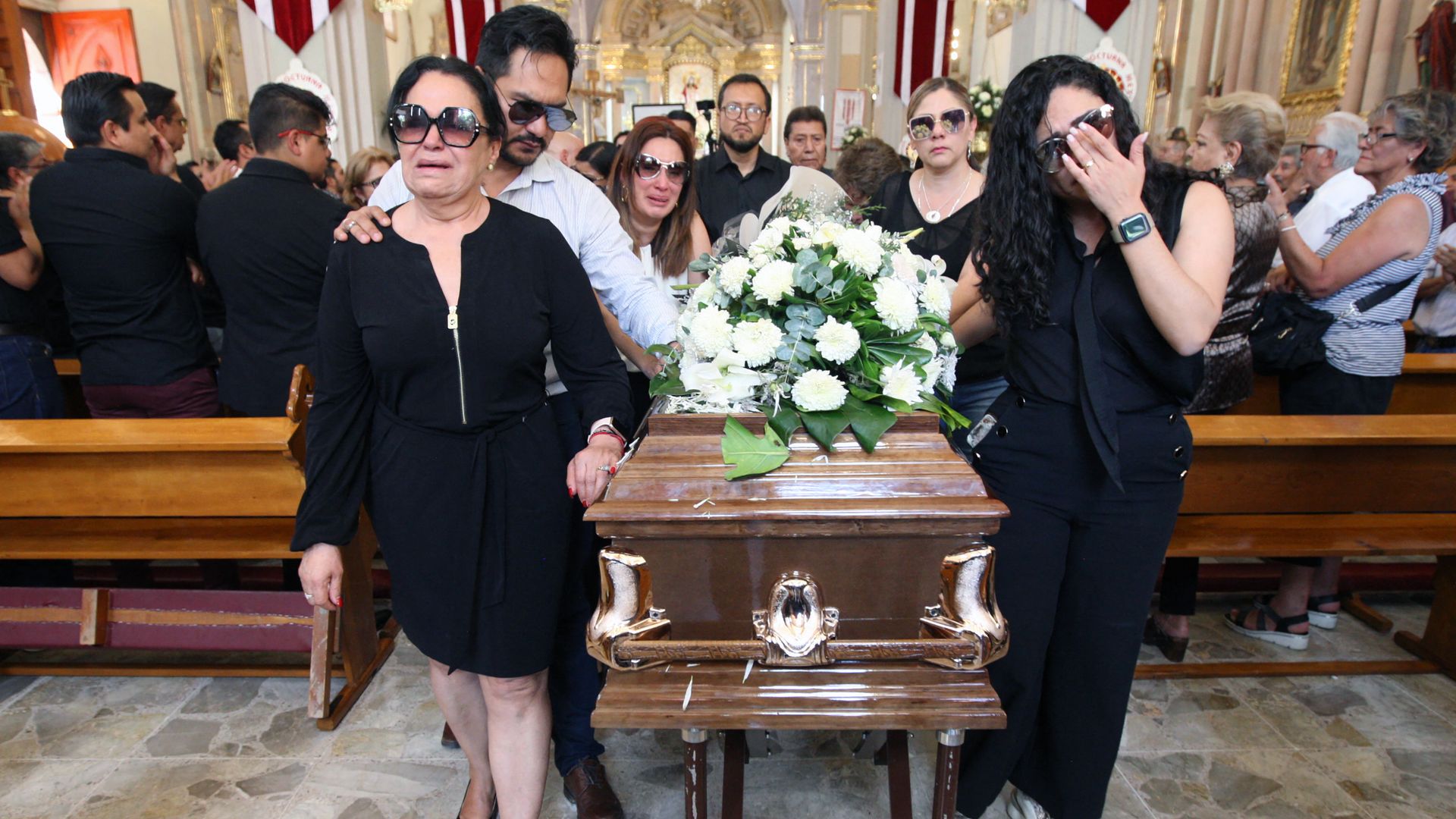
Mexico's next president faces an uphill battle in stemming violence that has increasingly targeted candidates from across the political spectrum.
The big picture: Outgoing President Andrés Manuel López Obrador's security policies, which included creating the National Guard and giving it tremendous power — while staying mostly away from battles with cartels and focusing on employment and education instead — have largely failed to stem criminal activity, experts say.
- "Evidence suggests that illegal outfits now have more social control, state allies and economic might," a recent report from the International Crisis Group found.
- Large criminal groups are fighting over territory for drug routes to the U.S. and increasingly to make money off human smuggling.
Zoom in: Since 2018, public officials and political candidates have been the targets of more than 1,938 threats, attacks, kidnappings and murders, per a specialized database from nonprofit Data Cívica.
- This election cycle, at least two dozen candidates have been killed, and 469 candidates were granted special police protection after they received threats, the security ministry says.
What they're saying: "Criminal meddling in elections through threats or murders, hitting practically all political parties, has become more regular in the past 10 to 15 years," says Laura N. Medellín Mendoza, a law and criminology researcher at the Autonomous University of Nuevo León.
- She adds that the situation has been more dire this election and that it's become clear authorities aren't equipped to protect so many candidates.
The bottom line: "Criminality in general is so entrenched that it's hard to think any of it will be magically resolved based on June 2," Medellín says.
3. An "underground railroad" to better schools
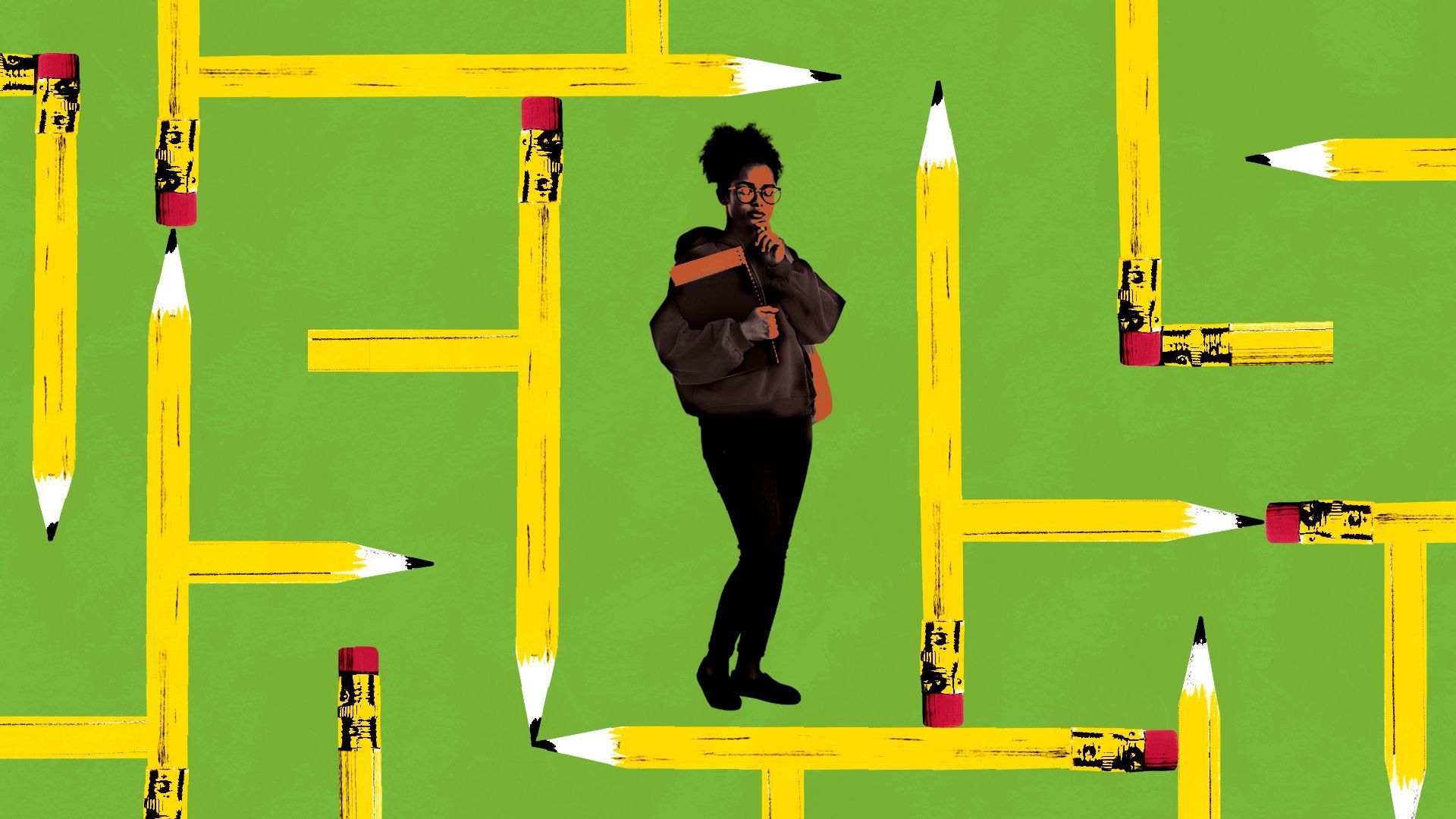
Latino and Black parents locked into strict school boundaries and forced to send children to low-performing schools have developed clandestine networks to get them into better ones.
The big picture: Parents in states with harshly enforced school boundaries are sharing information, developing carpools, sharing bus schedules and researching laws, parent activist Kelley Williams-Bolar tells Axios.
- The parents, almost all Black, Native American or Latino, work together to avoid getting fined or criminally charged for trying to get their children into a good school that's down the street but out of their assigned zone, she said.
- "It's an underground railroad to public education," Williams-Bolar says. "I think parents just want the best for the kids, and nobody should be criminalized for it."
State of play: Rigid school boundaries often reinforce racial and economic segregation, experts say, and these parents believe they are simply going around unjust laws that foster inequality.
- Halli Faulkner, a senior legislative drafter with yes. every kid, tells Axios those school district boundaries often reflect racist redlining created between neighborhoods in the 1930s and 1940s.
Advocates say no one knows how many parents participate in these efforts, and laws vary by state.
- In New Mexico, for example, Navajo parents share information about the best schools and work to get buses to take students to schools more than an hour away, says Karen Sanchez-Griego, a superintendent in rural Cuba, New Mexico.
- "All they want is what's best for their kids," Sanchez-Griego adds.
The other side: Districts say they need boundaries to prevent the chaos that an out-of-boundary influx might bring and to restrict services to the families that have paid for them through taxes.
4. Afro-Latino players get MLB recognition
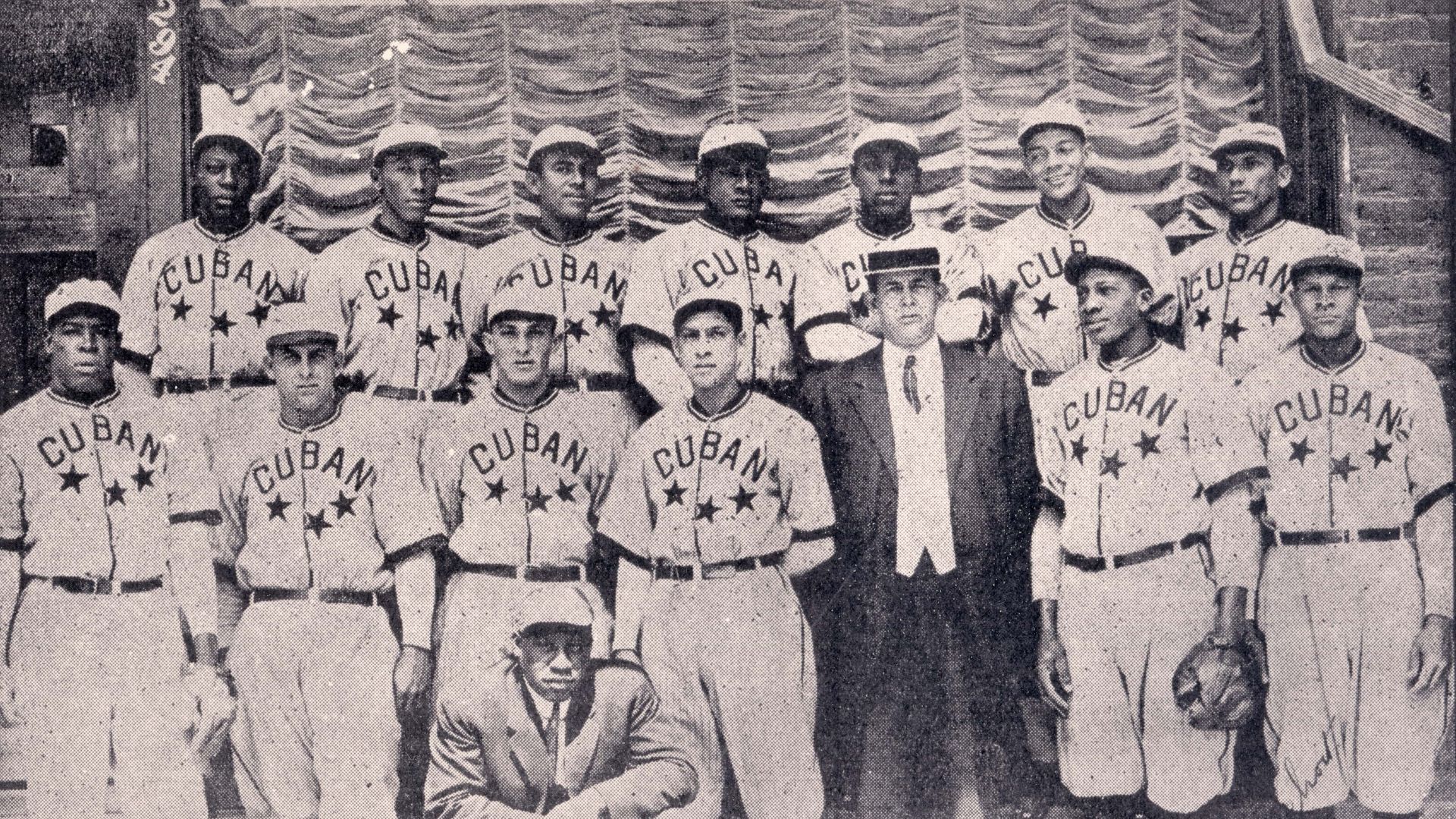
Records of Afro-Latino players who played in the Negro Leagues will finally be included among those added to the Major League historical record, the MLB announced this week.
The big picture: Major League Baseball said it will add statistics from the Negro Leagues to its historical record, meaning MLB could get new all-time records held by some Negro League players.
What they're saying: "All of us who love baseball have long known that the Negro Leagues produced many of our game's best players, innovations and triumphs against a backdrop of injustice," Commissioner Rob Manfred said in a statement.
- "We are now grateful to count the players of the Negro Leagues where they belong: as Major Leaguers within the official historical record."
Background: The Negro Leagues were made up of supremely talented Black and Latino players who were barred from the segregated American and National Leagues.
- Players such as slugger Josh Gibson, pitcher Satchel Paige, and centerfielder Cool Papa Bell are said to have been better than most MLB Hall of Famers in their positions.
Zoom in: Among the most talented players in the Negro Leagues were Afro-Latino players like Cristóbal Torriente and José Méndez.
- The Cienfuegos, Cuba-born Torriente won a league batting title in 1920 with a .411 average while playing for the Chicago American Giants. The centerfielder once outhomered Babe Ruth in a nine-game exhibition series.
- Cuban-born pitcher and shortstop Méndez, known as "The Black Diamond," was known for his explosive fastball and sharp curveball. In seven years in the Negro Leagues, Mendez posted a record of 30-9 with a 3.46 ERA.
- Both are in the Baseball Hall of Fame.
5. Stories we're watching

1. The Venezuelan government has revoked its invitation to a European Union mission to monitor the July 28 presidential elections.
- Venezuela is arguing this is in response to continued sanctions against its officials, who are accused by the EU of impeding democracy.
- International groups and the local opposition in Venezuela have repeatedly warned of anti-democratic actions from the regime ahead of the elections.
2. Nicaraguan President Daniel Ortega declared this week that his brother committed treason, making way for possible incarceration.
- Humberto Ortega, a retired military officer, is the latest person close to Ortega to become openly critical of the regime and be persecuted over it.
- Humberto Ortega had already been placed this month under "medical supervision," which dissidents said probably was home arrest.
6. 🪅Pachanga: Keyris Manzanares
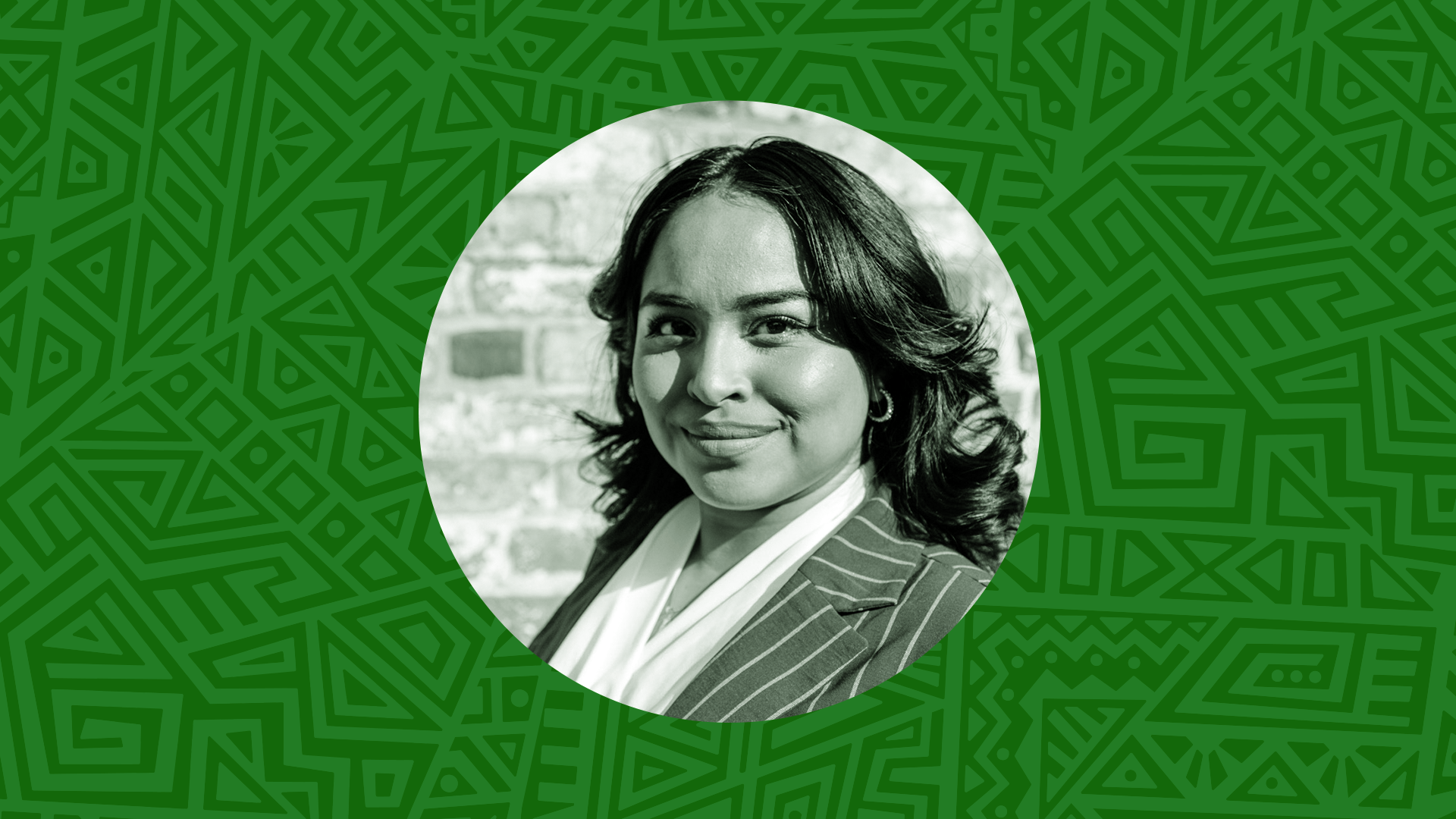
Major congrats for Keyris Manzanares, an award-winning journalist recently nominated for two Emmys.
- Keyris' story on Latinos facing rising rents in a Virginia mobile home park was nominated for a Capital Emmy.
- The awards will be held on June 22, and we will be cheering you on, Keyris!
😬 Marina is making sure she doesn't misplace her voter ID before Sunday. (Wouldn't be the first time!)
😮 Russell is going through statistics from the Negro Leagues and is still blown away by Josh Gibson and Satchel Paige.
🏆 Astrid is so proud of her daughter for finishing kindergarten with high honor roll!
A big thanks to Carlos Cunha, Alison Snyder and the Axios Visuals team for their help!
Sign up for Axios Latino