Axios Latino

December 12, 2024


🥁🥁 It's that time of year ... our biannual edition on literature!
📖 Get comfy, we've got the goods.
👀 En español 👀
This newsletter, edited by Astrid Galván, is 1,438 words, a 5.5-minute read.
1 big thing: Inside an illustrator's mind
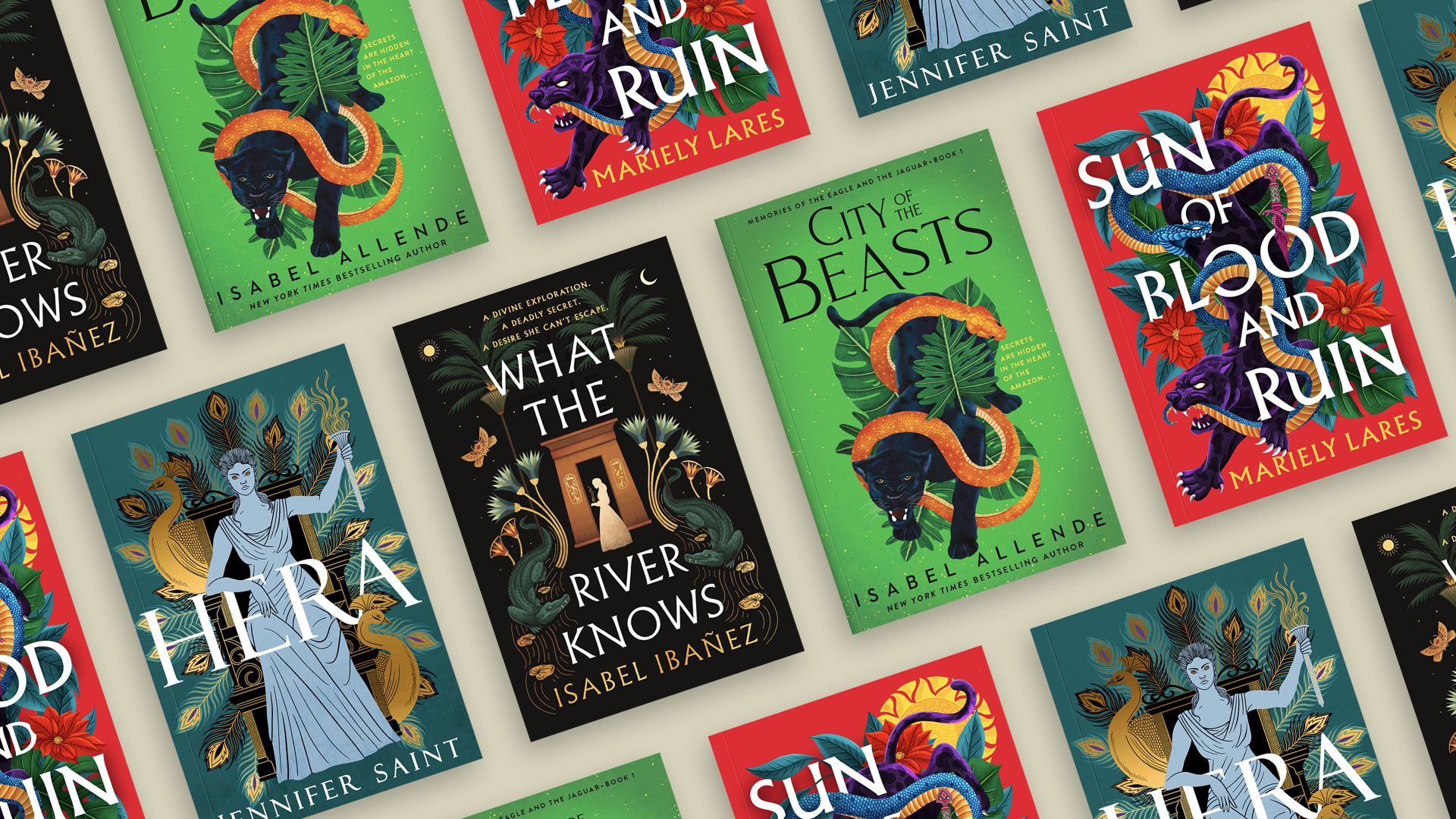
Designer and illustrator Micaela Alcaino wants you to judge a book by its cover.
Why it matters: Alcaino knows from experience that first impressions really can make a difference in getting more people to buy and read books. She's backed up by studies saying as much.
- At a time when general readership in the U.S. has been dropping, art like the award-winning book covers Alcaino designs could make a difference.
What they're saying: "When you go into a bookshop, you do pick up books that you like the look of … there's power behind good cover design because it will draw people in before even the blurb," Alcaino tells Axios Latino.
- "So please, judge away," she jokes.
State of play: Alcaino has come up with covers for popular authors like Isabel Allende and Jennifer Saint, and she has also done special editions of massive series, like George R. R. Martin's "Song of Ice and Fire," and collectible editions of Leigh Bardugo's "Six of Crows" duology.
- She was a finalist for Best Professional Artist at the 2024 Hugo Awards, and was shortlisted for Designer of the Year at the British Book Awards after having already won the latter in 2022.
Zoom in: Alcaino says she's tapped into her own experience of being "ni de aquí, ni de allá" (neither from here, nor from there), the phrase many immigrants in the U.S. use to refer to sometimes not feeling like they fit in.
- Alcaino's parents are from Argentina and Chile, while she grew up in Australia and now lives in the U.K.
- "I kind of had to navigate this space where I never felt like I belonged anywhere at first. But then I started using that as a way to embrace all the cultures, to broaden my perspective," she says.
- Alcaino uses street art, photography, architecture and more to think about what the cover conveys, and always endeavors to avoid stereotypes.
- Her feelings of not belonging have been "a positive in the end," Alcaino says.
2. The rise of the dystopian immigration novel
Migrant and refugee crackdowns worldwide amid war, violence, climate change, technological surveillance and the rise of authoritarian rulers are giving fuel to a new genre in literature — the dystopian immigration novel.
Why it matters: Dystopian fiction around climate chaos and neo-fascist, theocratic regimes has boomed since the 2010s, but in recent years, more writers have tackled dystopian visions around human migration that serve as warnings.
Zoom in: Dystopian immigration novels published in the last decade or so are set in the future and in countries resembling the United States and the United Kingdom, where technology and racism rule the day.
- In "Ink," by Sabrina Vourvoulias, government policies mark and track immigrants and their children with tattoos as freedoms evaporate around them.
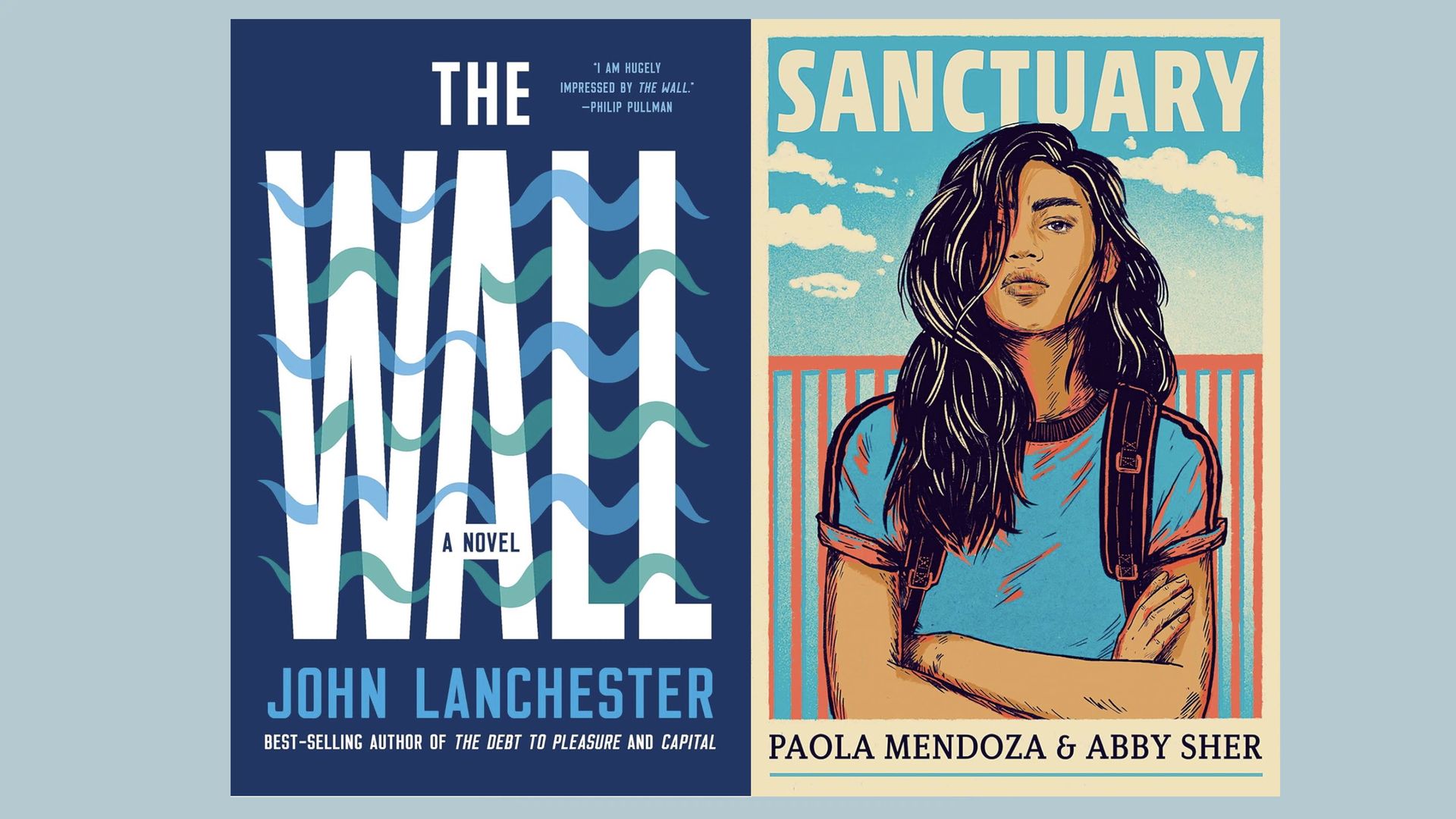
- "The Wall," by British novelist John Lanchester, is sent in an unnamed island nation with an enormous concrete barrier around its coastline to keep out boats carrying migrants trying to get through. If border guards fail to stop them, the guards are banished to the ocean as punishment.
- "Sanctuary," by Paola Mendoza and Abby Sher, focuses on the year 2032 in the U.S., where residents are microchipped and followed, making it hard for undocumented people to function in Vermont.
- "Exit West," by British Pakistani novelist Mohsin Hamid, follows a couple in love who must escape a nation on the brink of civil war, but to do so, they must enter a "door" to an unknown land.
The intrigue: While early modern dystopian immigration novels had their roots in far-right conspiracies that blame people of color for social ills, the newer crop focuses on the plight of the immigrant.
The big picture: Writers of color are experimenting with science fiction, speculative fiction and horror to pose questions about their positions in the world and universe.
- More Black writers and artists, for example, are turning to science fiction — and an artistic movement known as Afrofuturism — to tackle issues around race and inequality and give fans an escape from the harsh realities on Earth.
- Ecuadorean American Michael Zapata's "The Lost Book of Adana Moreau" is part of the growing Latinofuturism movement.
3. From sueño to reality: Publishing more Latinos
Primero Sueño Press was launched this year with the goal of getting more authors of Latino heritage published in both English and Spanish.
Why it matters: Only between 5% and 8% of people who work in the U.S. publishing identify as Hispanic or Latino, per a Government Accountability Office report and an industry survey from Lee & Low.
State of play: Primero Sueño Press is an imprint within Atria, which is part of Simon & Schuster, making it one of very few non-independent publishing houses focused on Hispanics.
- The imprint came to be after an influx of funds last year.
- Since launching in February, the imprint has published "The Witches of El Paso," from first-time author Luis Jaramillo, which got rave reviews after its October release, and Caro de Robertis' "The Palace of Eros," which feeds into the popular trend of fantasy and mythological retellings.
What they're saying: "When there's a direct line of communication to the community, stories land much more powerfully and are consumed much more broadly," says Michelle Herrera Mulligan, the vice president and associate publisher for Primero Sueño Press/Atria.
- That led her to "create a supported effort to expand to new audiences and bridge the gap between the [Latino] community and the publishing industry," she says.
- "There's a huge opportunity for Latine writers to break out," especially in genres like romance and thrillers, as well as in self-help nonfiction, Herrera says.
4. How the Book of Revelation swayed immigration policy
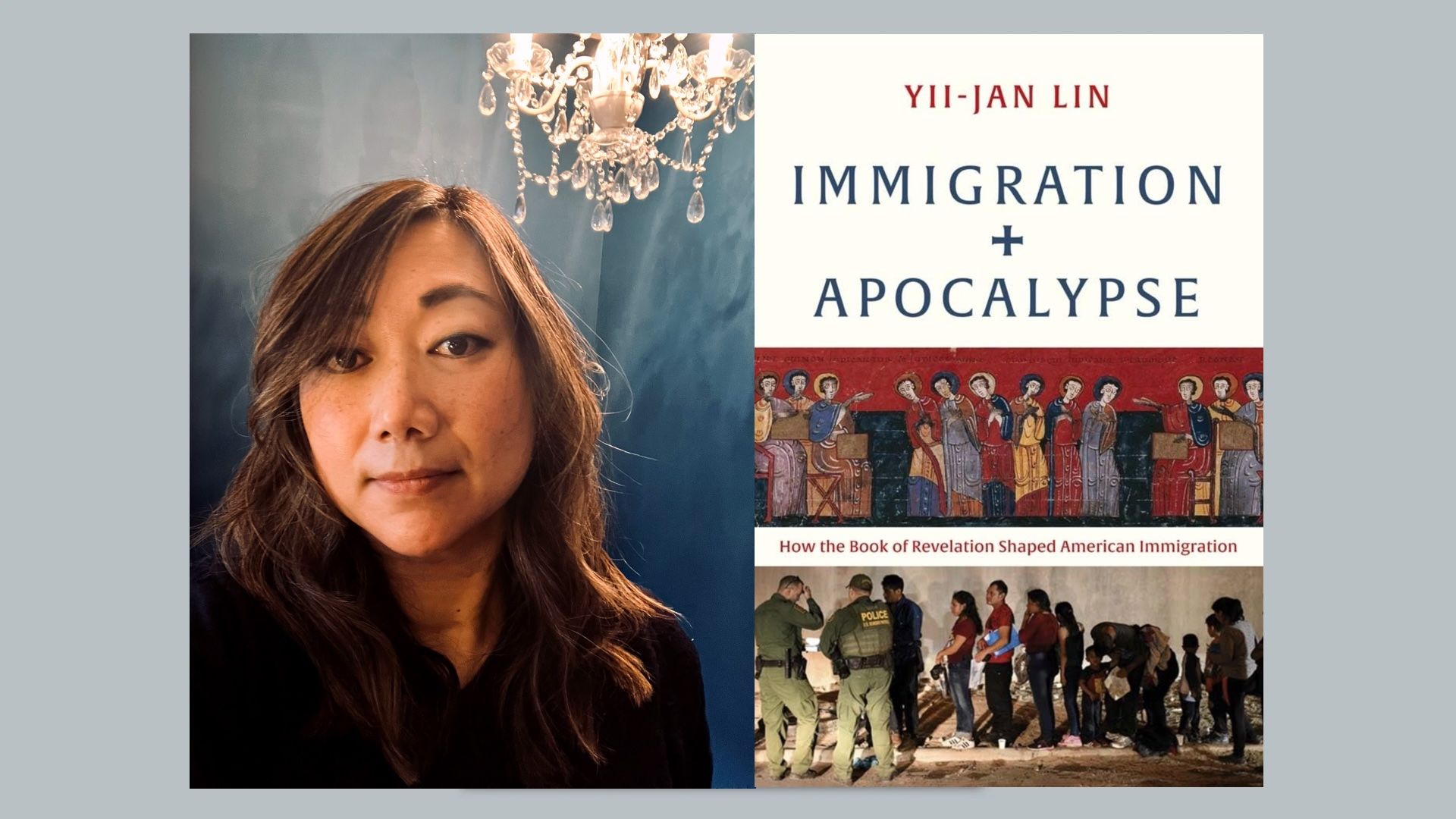
The Bible's Book of Revelation has influenced U.S. immigration policy, with interpretations of America as the New Jerusalem and unwanted migrants as the castaways meant for Hell, a New Testament scholar says in a new book.
Why it matters: White American evangelicals continue to shape U.S. policy by using strict interpretations of the Bible as a guide, and Yale Divinity professor Yii-Jan Lin argues this has always been the case around immigration.
Zoom in: "Immigration and Apocalypse: How the Book of Revelation Shaped American Immigration" examines how the Apocalypse story has been used to determine who belongs in the U.S. — and who does not.
- From Columbus in 1492 to Trump's evangelical base, Lin argues that the Book of Revelation has shaped how the United States is seen as the Promised Land for the Chosen People, who must also keep out "hordes" of unhealthy heathens.
- That interpretation has influenced popular culture, church sermons, and restrictive immigration laws throughout U.S. history, Lin argues.
Catch up quick: The Book of Revelation, written by John of Patmos in the First Century, is the last book of the New Testament and envisions a violent Second Coming of Jesus.
- Told in allegorical language, Jesus is locked in a cosmic battle with the forces of evil. The Chosen are accepted into a New Jerusalem, while those kept out are portrayed as subhuman, sexually deviant, and disgusting.
In an interview with Axios, Lin says she came up with the idea for her book after being asked to share her thoughts on apocalyptic Bible passages with Asian Americans in the Bay Area in 2014.
- She remembers writer Junot Díaz asking, "Is there anything more apocalyptic than immigration?"
- "That combined with thinking about the place names of where I was living, so, Golden Gate, Golden State, Angel Island ... Chinese called San Francisco 'Gold Mountain.' There's this heavenly arrival and a promise of paradise for immigrants."
- But the other possibility for immigrants could include disaster, catastrophe, and rejection, Lin says.
5. 🪅 Pachanga: Maria Torres
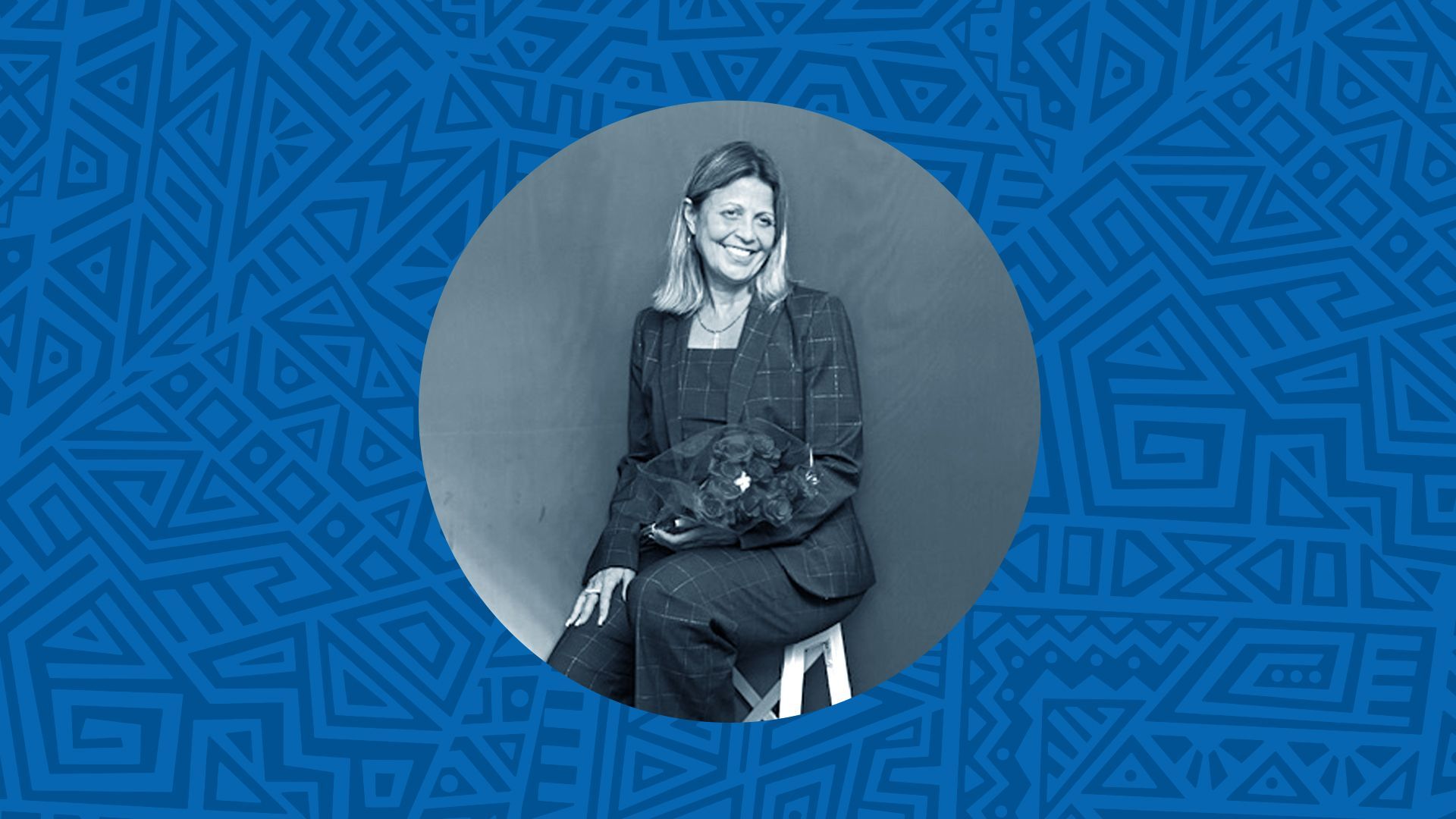
Today we honor Maria Torres, who is retiring after 26 years as a health care worker providing aftercare to patients.
- Maria has devoted her career to helping families navigate difficult situations, primarily working with Latino communities.
- Inspired by Maria's compassion and care, LiveOnNY, a nonprofit organization that helps families dealing with organ transplants, created an aftercare department to better serve patients.
- Maria is a liver transplant recipient, a journey that deepened her commitment to helping others.
We are in awe of you, Maria! Enjoy retirement.
🧙Marina is excited to have gotten an advanced copy of Silvia Moreno-Garcia's newest, "The Bewitching."
📖 Russell is rereading the Book of Revelation and still isn't scared 🤷🏽♂️.
🌑 Astrid is excited to dig into her third Silvia Moreno-Garcia book, "Velvet was the Night."
Many thanks to Carlos Cunha, Alison Snyder and Axios Visuals for their contributions!
Sign up for Axios Latino