Axios Hill Leaders

October 16, 2025
Buckle up for a newsy edition. 1,177 words, 4.5 minutes.
- ๐ค Scoop: Jeffries' 2026 rebels
- โพ๏ธ Dems' hardball tactics
- ๐ซ GOP's soybean angst
- ๐ฎ Shutdown crystal ball
1 big thing: ๐ค Jeffries' 2026 rebels
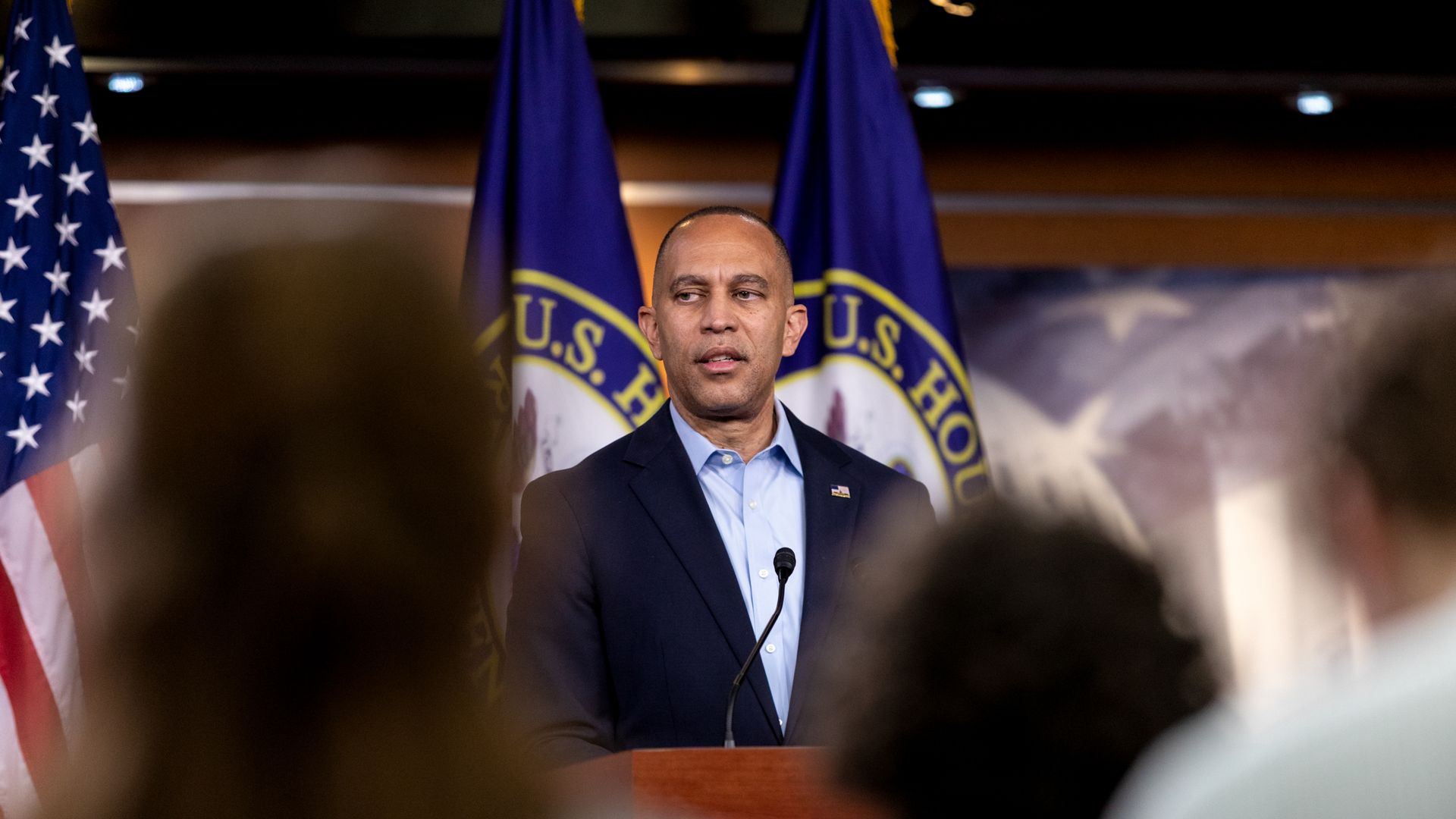
Dozens of Democrats running for U.S. House seats across the country told Axios they either wouldn't vote for House Minority Leader Hakeem Jeffries as party leader or declined to commit to doing so.
Why it matters: Jeffries has enjoyed the unanimous support of his caucus since becoming Democratic leader in 2022. That may no longer be the case next Congress amid growing grassroots frustration towards his leadership, particularly on the left.
โ By the numbers: We reached out to virtually every Democrat running for a House seat that could conceivably be won by a Democrat in 2026, with 113 responding in phone interviews or written answers.
- Of those, 20 said they wouldn't vote for Jeffries as speaker or minority leader, with five more saying they were likely to vote against him.
- Another 57 candidates declined to commit to supporting Jeffries โ saying it was premature to do so, citing ideological differences or outlining perceived flaws in strategy, messaging or leadership they want to see addressed.
- Only 24 said they would definitely vote for Jeffries, with another seven saying they would likely do so.
Between the lines: "Leader Jeffries is focused on battling Donald Trump, ending the Republican shutdown of the federal government and addressing the crushing GOP health care crisis," Jeffries spokesperson Justin Chermol told Axios.
State of play: Plenty of the Jeffries skeptics are outsiders and long shots, while many of the front-runners in key battleground districts declined to respond.
- Still, some of the Democratic leader's detractors and holdouts have a real chance of making it into Congress.
- Daniel Biss and Kat Abughazaleh, two of the leading candidates in the Democratic primary to succeed retiring Rep. Jan Schakowsky (D-Ill.), both stopped short of saying they would vote for Jeffries.
- So did insurgent Democratic candidates like Luke Bronin, Donavan McKinney, Mai Vang, Saikat Chakrabarti and Patrick Roath, who are raising substantial sums in their bids to unseat older Democratic incumbents.


Reality check: Several sitting progressive House Democrats predicted Jeffries will ultimately win over his skeptics โ congressional leaders often manage to bridge these gaps โ but cautioned not to overlook the real anger perforating his once rock-solid support within the party.
The bottom line: "The question is going to be how many are going to win," said one House progressive.
- "If there's a contingency of 10 to 12 of them and they're sticking together, I think it's going to really shake things up."
โ Andrew Solender
2. โพ๏ธ Dems' hardball tactics
Senate Democrats are privately debating how to respond to Senate Majority Leader John Thune's plan to jam them on a vote over funding the Defense Department.
Why it matters: After nine failed shutdown votes on the House-passed spending bill, Thune is trying a different tactic to divide Democrats and start funding the government department by department.
- But it's unlikely to break the logjam, senators and aides told us.
- ๐ช After a closed-door discussion, key Democrats signaled to us they were prepared to block a procedural motion to advance a standalone defense funding bill tomorrow.
- The strategy isn't set in stone and will be heavily influenced by Thune's next move โ whether he will bring the defense bill to the floor by itself or if he'll pair it with other appropriations packages.
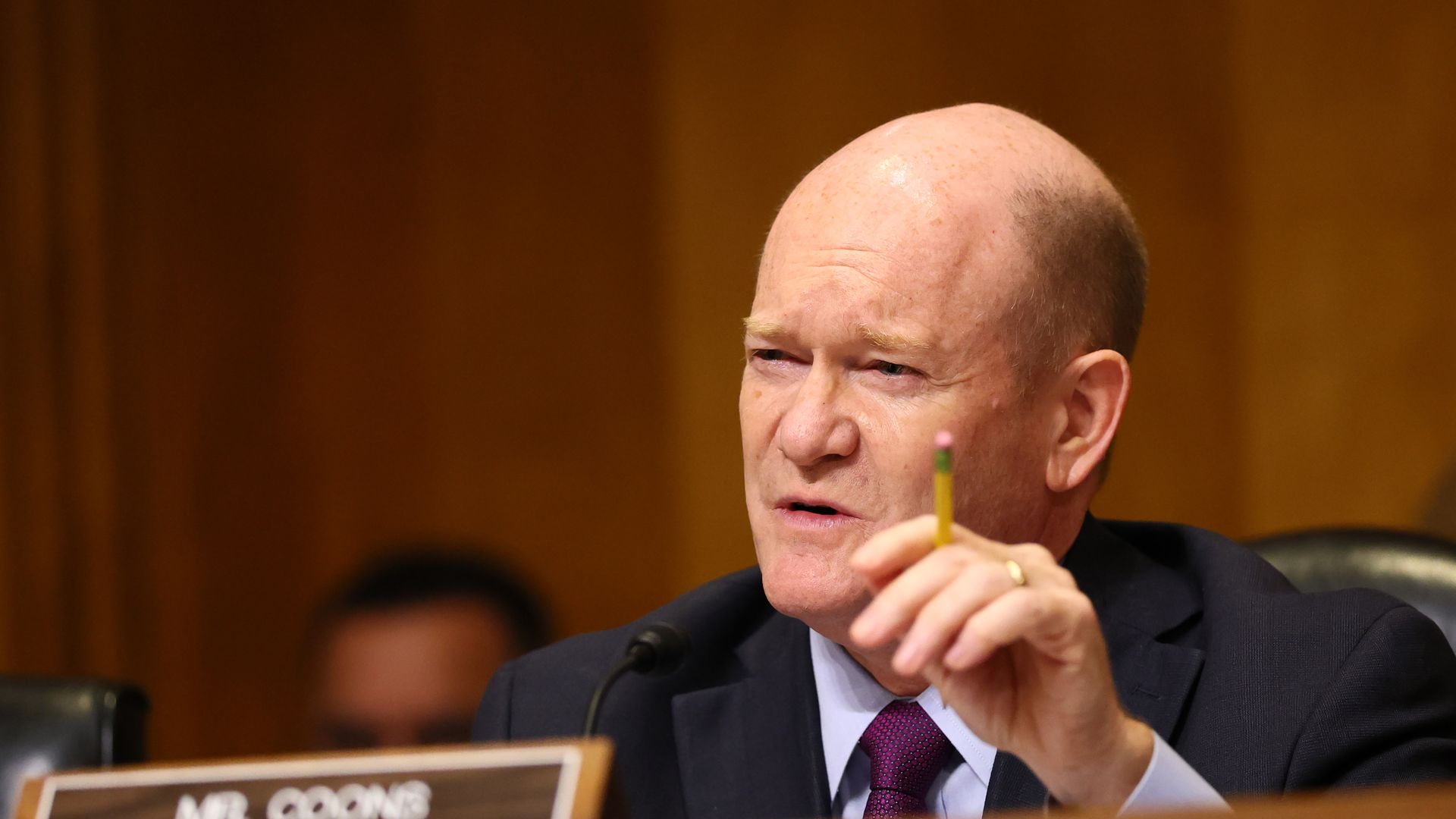
- "If we have to vote with no clarity about that, I would vote against proceeding to the House defense approps bill," Sen. Chris Coons (D-Del.), an appropriator, told us today.
State of play: Still, confusion reigned inside the Democratic caucus on what kind of spending package Thune would ultimately bring to the floor, making it difficult for Democrats to settle on a final strategy.
- "My understanding is that there are going to be other bills put on it, and then if we have a commitment to move forward with appropriations, it helps us," Sen. Jeanne Shaheen (D-N.H.) told reporters.
Zoom in: Internally, Democrats are not all on the same page on how they will vote on a standalone defense bill.
- During their closed-door caucus meeting, some Democrats argued it would be bad to be seen as voting against funding troops and the Defense Department, per multiple sources.
- ๐ญ But others think that voting to proceed with the defense bill relinquishes some of the party's leverage over shutdown negotiations, distracting from the goal of drawing concessions from Republicans on health care.
The bottom line: The uncertainty over how the defense bill will be brought to the floor underscores just how little trust exists between the two parties in the Senate.
โ Stephen Neukam and Hans Nichols
3. ๐ซ GOP's soybean angst
Key Senate Republicans pressed U.S. Trade Representative Jamieson Greer about struggling soybean farmers as President Trump moves forward with a $40-billion bailout for Argentina.
Why it matters: It's yet another sign of tension between farm-state Republicans and a president who believes in the power of tariffs โ and the prowess of his negotiating skills.
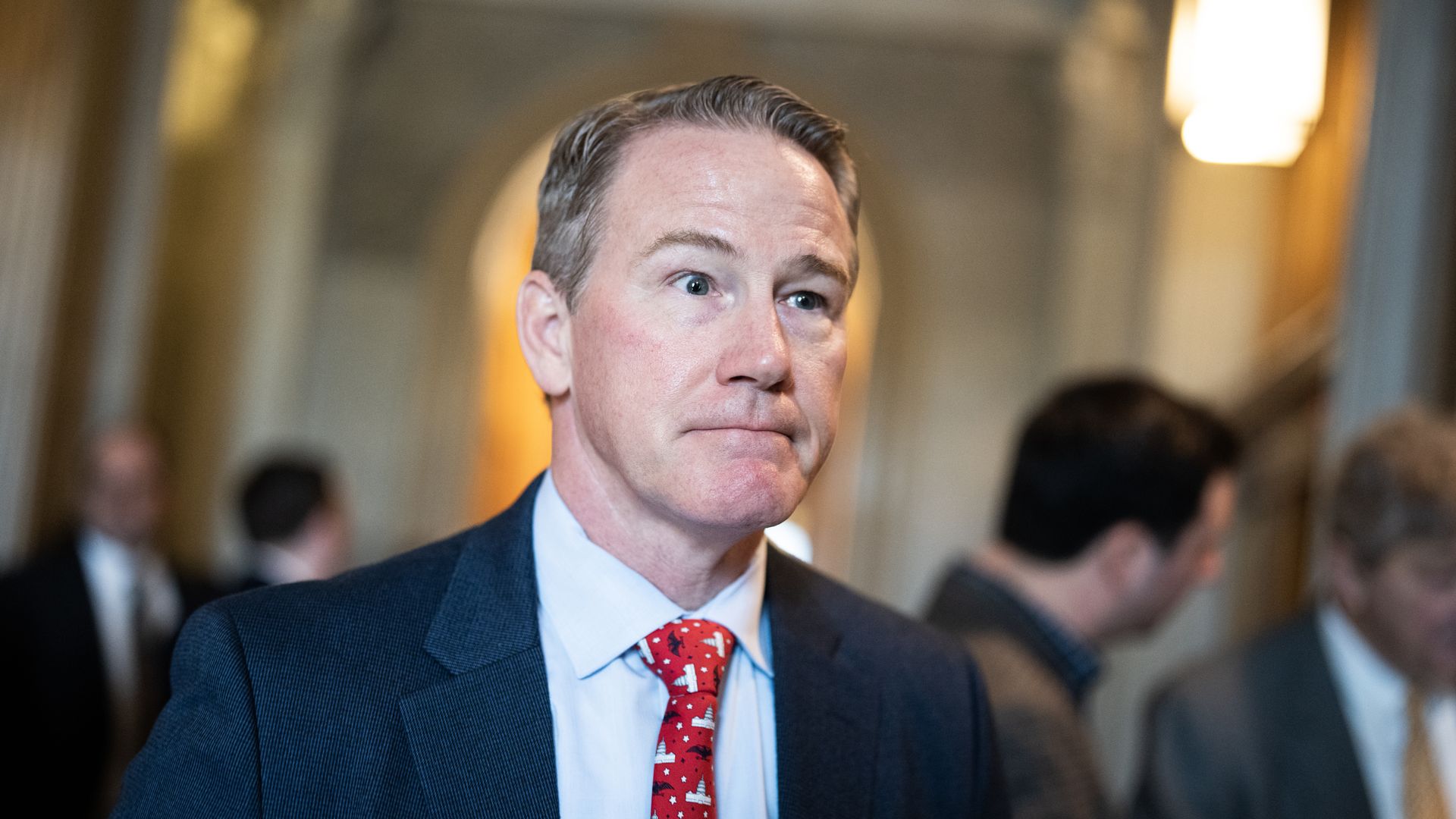
- "China is retaliating to keep their trade advantage with us," Sen. Jon Husted (R-Ohio) told Axios. "And we need to win."
- "And we encouraged the USTR to be a tough negotiator in these things โ on behalf of American farmers and American manufacturers and everybody that's being cheated in the process."
๐ Driving the news: Trump announced a $20 billion bailout for Argentina this week, which Treasury Secretary Scott Bessent doubled today.
- China, meanwhile, has stopped purchasing U.S. soybeans and is buying massive quantities from Argentina.
- Senators from big soybean-producing states โ including Husted, Chuck Grassley (R-Iowa) and Joni Ernst (R-Iowa) โ had tough questions for Greer during a lunch today, multiple sources in the room told us.
- Greer assured senators he is working on the issue, they said.
โ Stef Kight
4. ๐ฎ Shutdown crystal ball
Rep. James Walkinshaw, whose Northern Virginia district has one of the country's highest concentrations of federal workers, is expecting the government shutdown to last around 30 days.
Why it matters: Walkinshaw is the newest sworn-in member of Congress, but the Democrat served as chief of staff to the late Rep. Gerry Connolly during the three most recent government funding lapses.
- ๐ก "If I had to give an over/under, I would say 30 days, which would be the end of the month," he said at an Axios News Shapers event.
- "Nov. 1 is open enrollment for the Affordable Care Act," he said, which will force families to make "very hard decisions about their health care coverage."
Zoom in: Virginia's 11th Congressional District has an estimated 52,000 federal employees, which make up approximately 12% of its workforce, according to the Congressional Research Service.
- "From federal workers, I hear 'hold the line' because we need to stand up to the administration," he said.
- Walkinshaw insists that only "a very small percentage" of his constituents are calling on him to reopen the government immediately. The vast majority want assurances their health care won't be adversely affected.
The bottom line: This shutdown feels different from the previous three, Walkinshaw said.
โ Hans Nichols
This newsletter was edited by Kathleen Hunter and copy edited by Kathie Bozanich.
Sign up for Axios Hill Leaders