Axios Hill Leaders

November 17, 2026
Welcome back! Tonight's edition is 665 words, 2.5 minutes.
- πͺ GOP power grab
- π¨ White House permission slips
1 big thing: πͺ GOP power grab
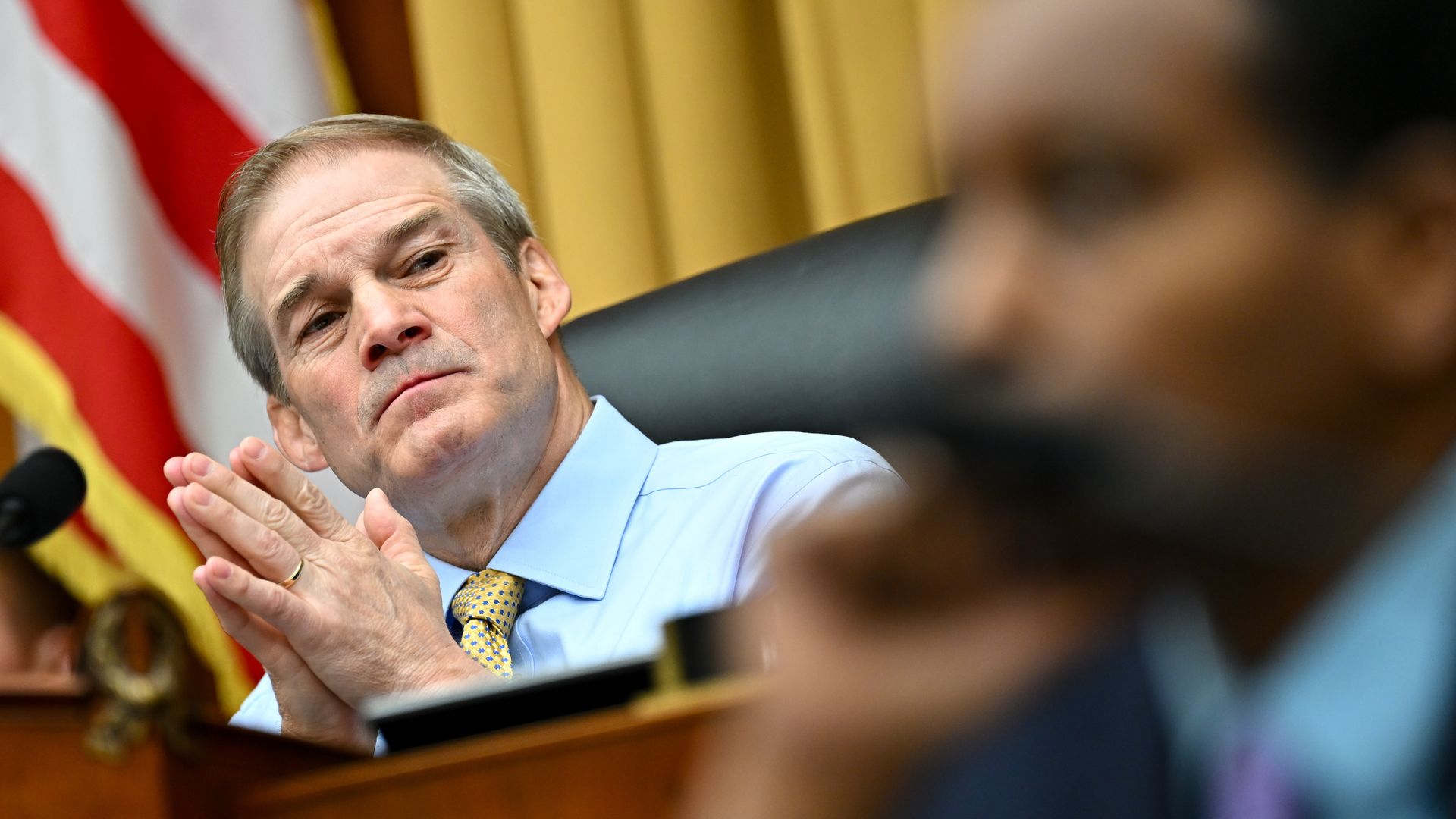
One of Jim Jordan's first challenges as House GOP leader will be navigating a fight over whether to punish Republicans who use tactics his allies have long embraced to challenge party leadership.
Why it matters: House Republicans were a mess in the 119th Congress, with members repeatedly joining Democrats on discharge petitions and others derailing party-line legislation on procedural "rule" votes.
- Jordan is a founding member of the House Freedom Caucus, whose members oppose efforts to crack down on party dissenters.
- "It's not going to happen," outgoing HFC Chair Andy Harris (R-Md.) told us. "They introduce it every year."
- But Republicans in the Main Street Caucus, the group pushing for rule changes, represent a significant bloc of the conference.
Between the lines: The concept has support across the conference, including incoming Minority Whip Tom Emmer (R-Minn.), who advocated for consequences in an interview with us on the campaign trail in October.
- A GOP lawmaker told us that support extends beyond Main Street, with members in the Republican Study Committee pushing similar proposals.
- "There needs to be consequences for those who choose not to play as a team," another GOP lawmaker told us.
Zoom in: Rep. Mike Flood (R-Neb.) and members of the Republican Main Street Caucus want to punish members who vote against the party on procedural rule votes.
- Their proposal would empower the Steering Committee to impose penalties on members who vote against procedural rules, ranging from loss of committee seniority to "more serious" consequences. Leadership or the chair of the relevant committee would then implement the Steering panel's decision.
- Flood and other Republicans pushing accountability measures have been in contact with Jordan's team as they finalize their proposals. The conference will consider several amendments and rules when it organizes in a few weeks. Discussions are ongoing, a source familiar with Jordan's thinking tells us.
The big picture: Repeated defeats on procedural votes β which used to be automatic for the party β have derailed GOP priorities. Also, on must-pass bills, they left GOP speakers dependent on Democratic votes instead of legislation supported by their conference.
- Main Street's proposal would restore a small piece of that leverage by letting Steering leaders punish members who block those votes.
- "This has nothing to do with telling a member how to vote on an issue," Flood said of the proposal.
The bottom line: Members want to settle the conference's accountability rules now, so when they regain the majority, the same divisions won't threaten to derail their agenda.
- "The goal is to take away the ability of an extremely small group to extort leadership," one GOP lawmaker told us.
βΒ Kate Santaliz
2. π¨ White House permission slips

The White House has instructed all executive branch agencies to get permission from its chief legal counsel and legislative affairs offices before any employee can testify before Congress, according to a memo obtained by Axios.
Why it matters: Trump knows he faces the prospect of impeachment when Democrats take control of Congress in January. But advisers say he's not worried about being removed from office, and he's prepared to protect staffers and allies he believes will be unfairly targeted.
- Trump doesn't believe there would be the 67 votes needed in the Senate to remove him.
- He's also promised to preemptively pardon staffers and allies he believes will be unfairly targeted by Congress or prosecutors in future Democratic administrations.
- "The president can count, and he won't be cowed," a Trump adviser said.
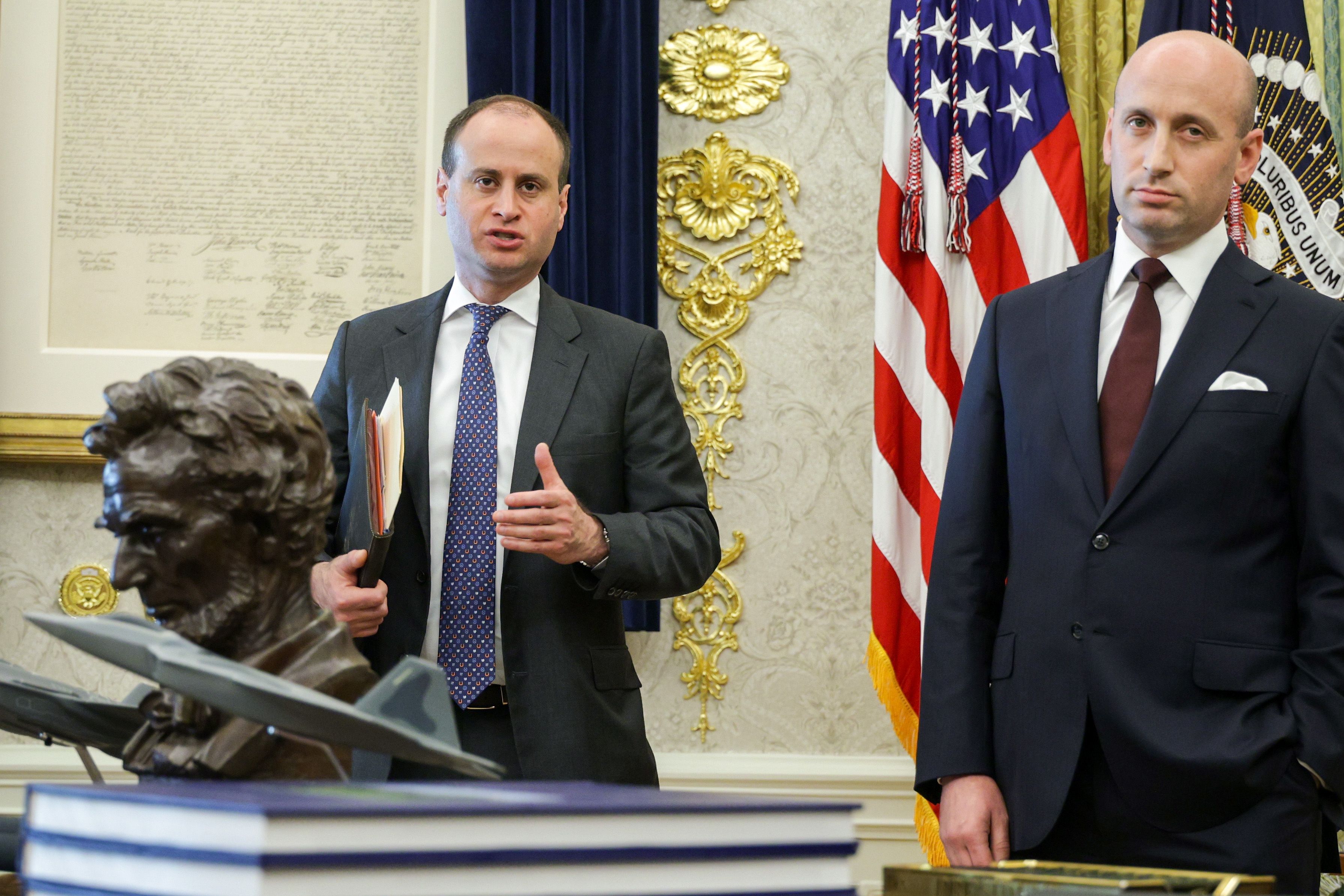
Zoom in: Today's memo from White House counsel Will Scharf follows a letter he sent last week to incoming House Oversight Committee Chair Robert Garcia (D-Calif.), warning Democrats to limit their investigations to "legitimate" inquiries.
Between the lines: Partisans will likely differ on what's "legitimate," but it's clear Scharf's office will use its interpretation to decide whether to allow executive branch employees to testify.
β Marc Caputo
This newsletter was edited by Justin Green and copy edited by Kathie Bozanich.
Sign up for Axios Hill Leaders