Axios Hill Leaders

March 19, 2026
Newsy Wednesday. Today's edition is 893 words, 3.5 minutes.
- π° DHS (even more) stuck
- π₯ Mullin's unusual challenge
- π Johnson's FISA migraine
1 big thing: π° DHS (even more) stuck
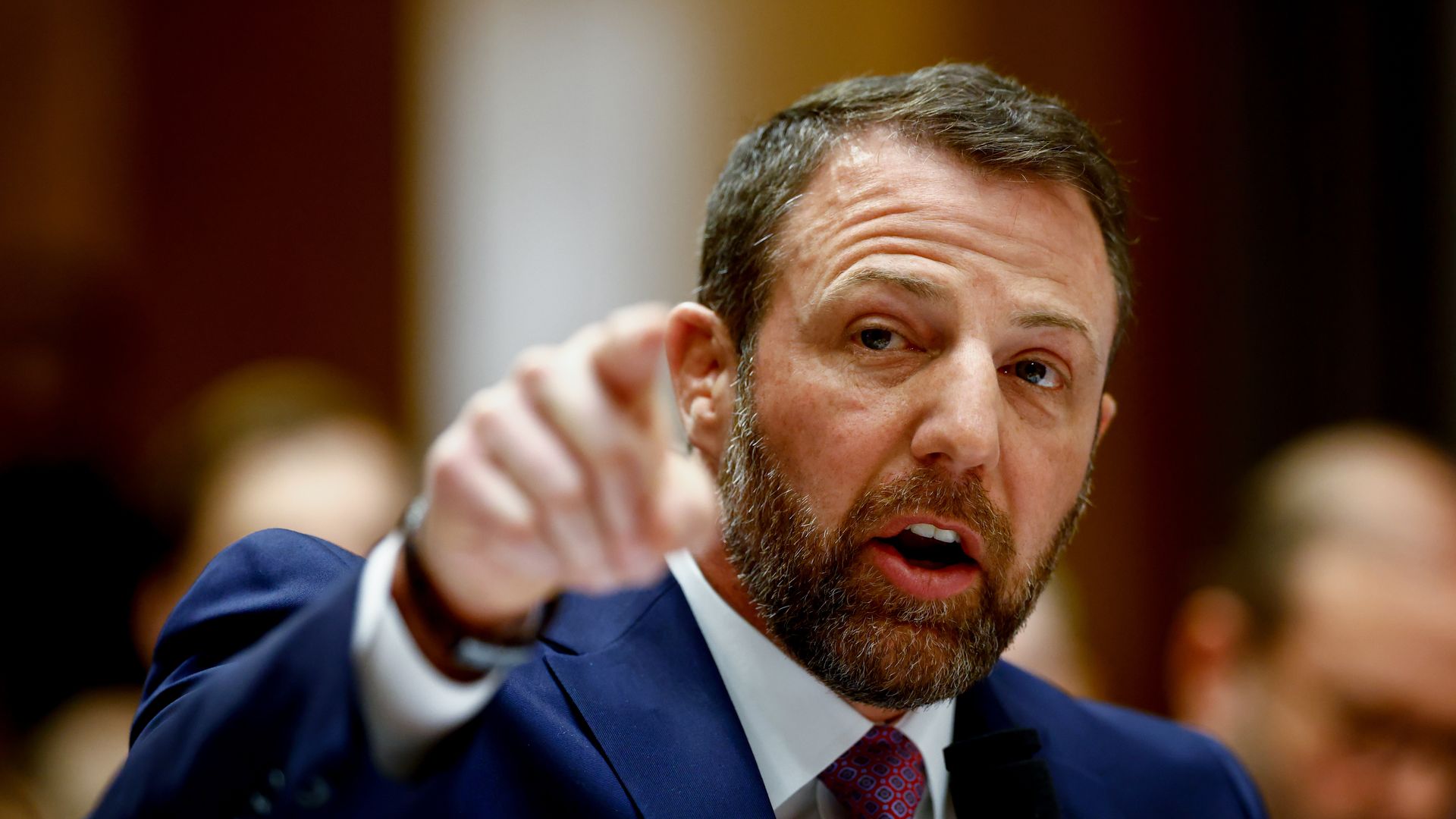
Plenty of heat and personal vitriol came out in Sen. Markwayne Mullin's (R-Okla.) hearing to lead the Department of Homeland Security.
- π‘ But little light broke through on how to end the DHS shutdown.
Why it matters: After weeks of negotiations β and the firing of a Cabinet official β Democrats remain dug in on demands for statutory changes to ICE and Border Patrol.
- Mullin's testimony didn't alter that dynamic.
- "I don't think his nomination increases the likelihood of a compromise, because he stood pretty firm against the kinds of reforms that Americans are demanding," Sen. Richard Blumenthal (D-Conn.), told us.
- That's despite Mullin drifting toward the Democrats' direction, signaling openness to requiring judicial warrants for federal immigration agents to enter private homes or businesses.
Still, Democrats told us they were unmoved, insisting those concessions must come through legislation β not agency discretion.
- "They refuse to do that, and you will understand if that raises our antenna," Sen. Brian Schatz (D-Hawaii), a member of Senate Democratic leadership, told reporters today.
- π "It's a good thing if he's recognizing legal reality, but that's not going to close the gap," said Sen. Chris Coons (D-Del.).
Zoom out: Democrats continue to argue the problem is bigger than Mullin β or any personnel change at DHS.
- They want reforms that cannot be undone by President Trump, deputy chief of staff Stephen Miller or future Cabinet officials.
- "We're asking to do all of the things that Mullin is saying he's willing to do, except in a way that doesn't depend on the whims of the president or Stephen Miller or Markwayne Mullin," Schatz said.
- Sen. Chris Van Hollen (D-Md.), an Appropriations Committee member, said he has "no confidence" that Mullin would change administration policy.
The bottom line: Mullin signaled openness to policy shifts at DHS, but his hearing was defined by a chair's implacable opposition β and Democrats' refusal to fund ICE without legislative guarantees.
βΒ Stephen Neukam and Hans Nichols
2. π₯ Mullin's unusual challenge


β Mullin is expected to advance out of the Senate Homeland Security and Governmental Affairs Committee tomorrow morning β even with Paul firmly opposed.
Why it matters: The hearing was tense, with pointed exchanges, but history β and the math β are on Mullin's side.
- Senatorial courtesy typically smooths the path for current or former colleagues. And when that fails, partisan backing from a president's own party almost always carries a nominee across the finish line.
- π§ͺ "I think it's a chemistry thing between two members," Sen. Thom Tillis (R-N.C.) told us. "I don't think you can read a trend into it."
- "Markwayne handled himself OK. He's going to get confirmed."
State of play: Sen. John Fetterman (D-Pa.) has indicated he will vote to advance Mullin out of committee at 9:30 am.
- If Paul ultimately votes against Mullin on the floor, he would be the only senator in modern history to oppose a fellow senator nominated by a president of his own party.
Flashback: The last rejected Cabinet nominee who also served in the Senate was Sen. John Tower (R-Texas), whose 1989 bid to serve as President George H.W. Bush's Defense secretary failed 47β53 amid allegations of heavy drinking.
- But not a single Republican voted against Tower.
"I voted for Tower," former Senate Majority Leader Trent Lott (R-Miss.) told us today at the Capitol.
- "There's a little something between Rand Paul and the nominee," he added. "They need to cool it a little bit."
- π¨ "Frankly, they're both a little out of order."
The bottom line: Former Sen. Chuck Hagel (R-Neb.) saw his former Republican colleagues abandon him when President Obama nominated him for Defense secretary in 2013.
- However, he was still confirmed, 58β41, with four Republicans voting yes.
- One of them: Rand Paul.
β Hans Nichols and Stephen Neukam
3. π Johnson's FISA migraine
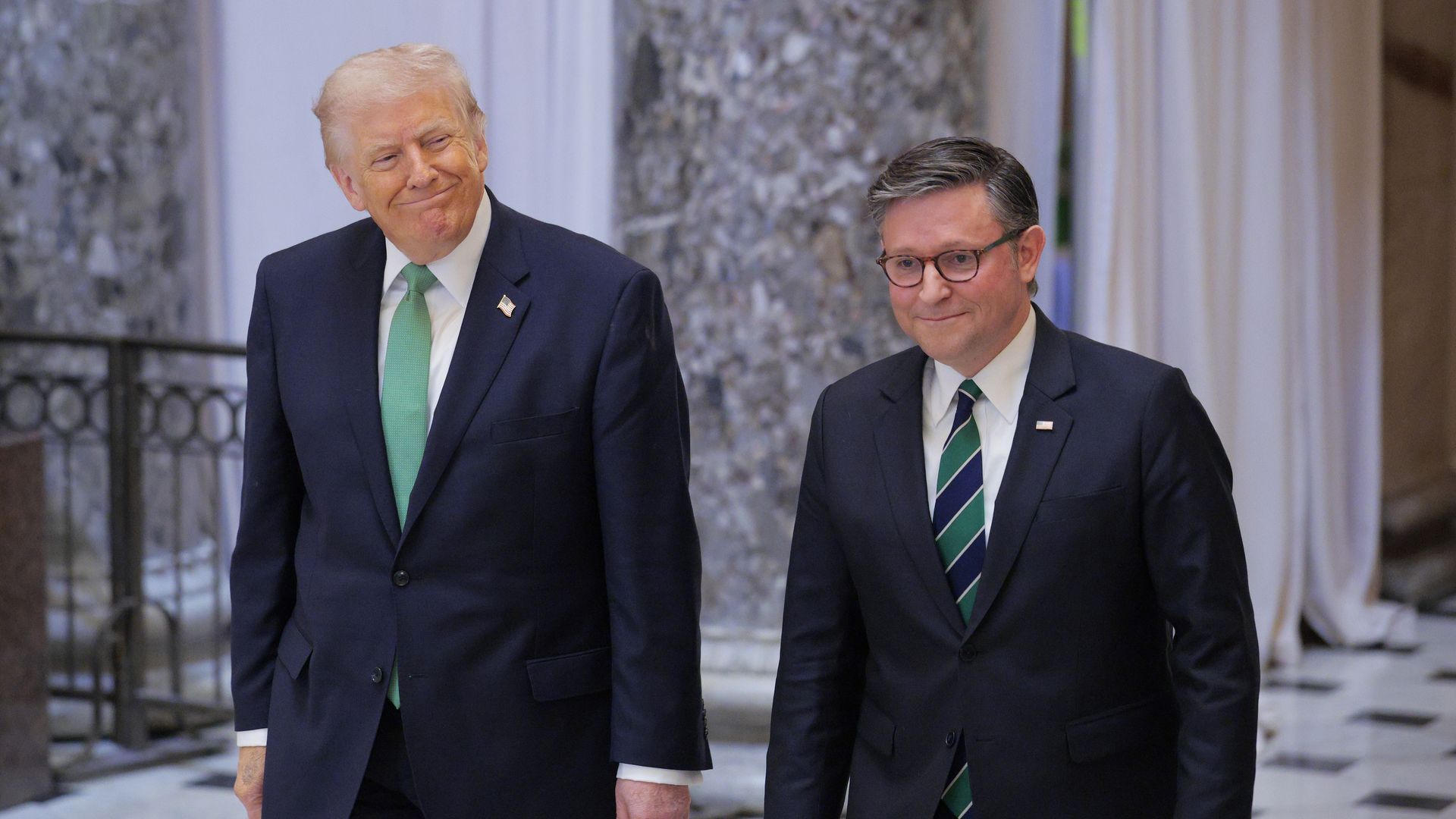
House Speaker Mike Johnson is running into early resistance from his right flank as he tries to move a clean reauthorization of a key U.S. surveillance tool next week.
Why it matters: Johnson may not have the votes to pass a clean extension of Section 702 of the Foreign Intelligence Surveillance Act β a must-pass bill the White House is pressing to renew.
- Conservatives are demanding FISA changes, putting Johnson in a familiar bind when it comes to getting the rule passed.
π Driving the news: A classified briefing from Trump administration officials to lawmakers today failed to win over key skeptics.
- "I hope there's some room for negotiating a couple of smaller reforms into it," House Freedom Caucus Chair Andy Harris (R-Md) said. Harris was noncommittal about supporting the rule.
Rep. Lauren Boebert (R-Colo.) flatly told us "no," the briefing did nothing to sway her from her opposition.
- βοΈ "There's folks who still have a lot of questions that I'm not sure all got answered," Rep. Mark Harris (R-N.C.), a Freedom Caucus member, told us.
- FISA is expected to draw bipartisan support on final passage, but Democrats are unlikely to help Johnson pass the rule.
Further complicating things, some Republicans are demanding the addition of the SAVE Act β the GOP's election bill β as a condition of their support for the rule.
- Adding the SAVE Act would all but ensure the must-pass bill's failure in the Senate, where Republicans need Democratic support.
βΒ Kate Santaliz
This newsletter was edited by Kathleen Hunter and copy edited by Kathie Bozanich.
Sign up for Axios Hill Leaders