Axios Future of Health Care

November 18, 2026


Good morning. Heidi Overton is out as the FDA nominee, and the agency is going to have to keep treading water for a while without a permanent head.
- And if you're the parent of an infant, you're probably already thinking about the topic of Caitlin's story below: what happens now that the United States has lost its measles elimination status.
Today's newsletter is 976 words, a 3.5-minute read.
1 big thing: Overton's FDA nomination is ... over

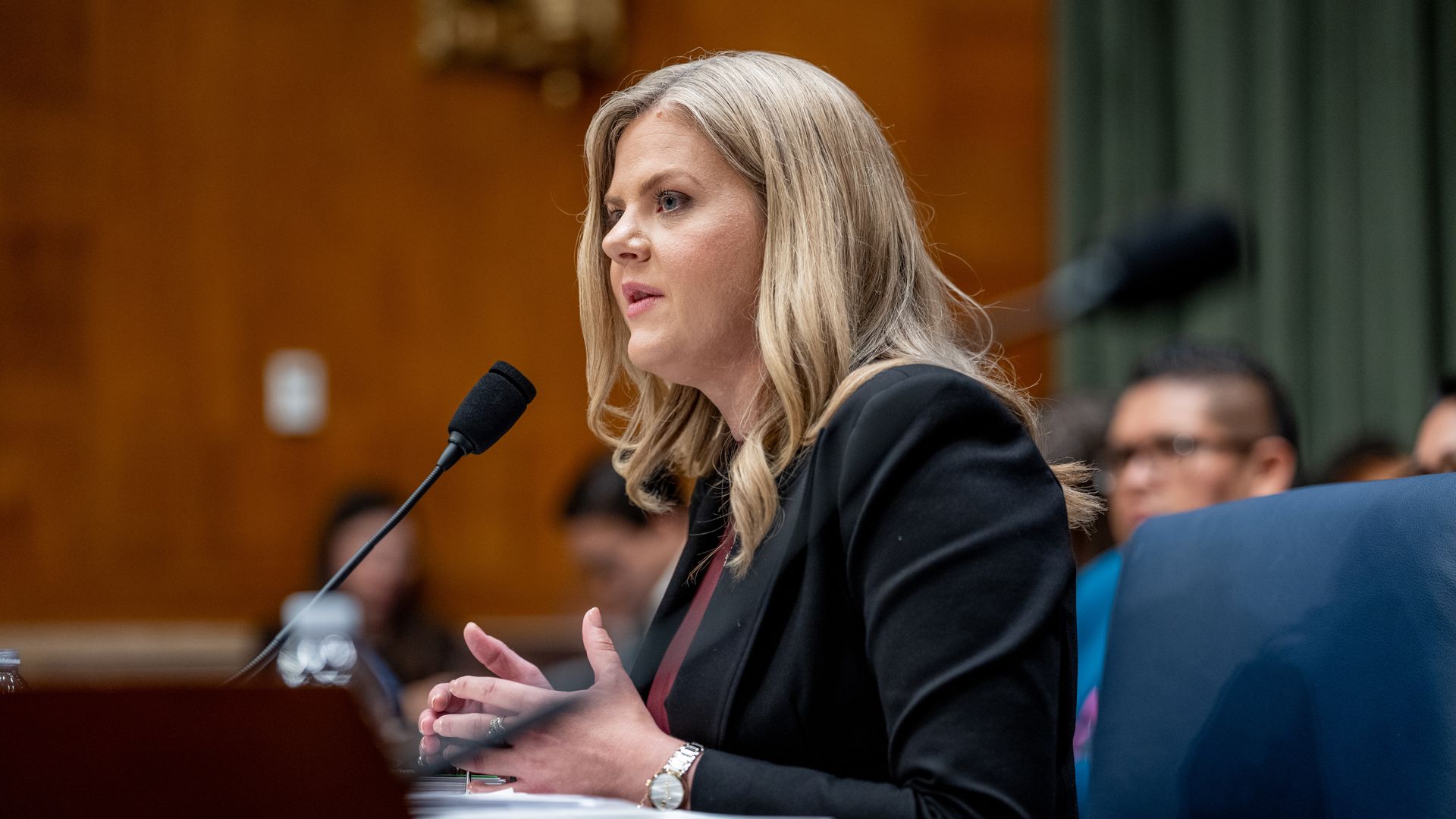
The White House's decision to withdraw Heidi Overton's nomination for FDA commissioner may be a fatal blow to Republican efforts to install a new agency head before they lose control of Congress.
Why it matters: The decision — first reported by Axios last night — increases the chances that the FDA won't have a permanent political leader for the remainder of President Trump's term.
- Overton's nomination collapsed amid controversy over her past statements and her role formulating policy on vaccines, abortion pills, vaping and agriculture.
Driving the news: "FDA nominee Heidi Overton lacks the support on the Hill to move forward with her confirmation," a senior administration official told Axios last night.
- Overton, a physician and deputy director of the White House Domestic Policy Council, was nominated by Trump in August.
- She had drawn criticism from segments of the "Make America Healthy Again" movement that saw her siding with health and agriculture interests and helping undermine Health Secretary Robert F. Kennedy Jr.'s agenda.
- Anti-abortion rights forces also questioned her commitment to tightening rules for prescribing the abortion pill mifepristone.
Her nomination faced opposition from Democrats and skepticism from some Republican senators, including Sen. Bill Cassidy (R-La.), chair of the Senate health committee.
- Cassidy said he had "strong concerns" about Overton's role in the administration's efforts to change childhood vaccine recommendations, which he called "almost disqualifying."
Overton faced tough questioning from senators from both parties during a September confirmation hearing about how she would respond if Trump asked her to do something that goes against science. She contradicted Trump's assertion that the MMR vaccine could be "quite lethal."
- Other publicly uncommitted Republican senators on the panel included Sens. Susan Collins of Maine and Lisa Murkowski of Alaska, both abortion rights supporters, and Josh Hawley of Missouri, a staunch abortion foe.
- Health committee Democrats appeared united in opposition to the nomination, pointing to past claims Overton made that mifepristone was dangerous.
The intrigue: After news of the withdrawal broke, Cassidy said on X that he believes Overton would have had the votes to pass out of the committee and be confirmed by the Senate.
- He wrote that the White House "abandoned a viable confirmation path" after some senators sought reassurance from the administration on its commitment to anti-abortion issues.
What they're saying: "We need to go in a new direction at FDA, and everybody fully supports Secretary Kennedy's vision to Make America Healthy Again and get back to a more populist and common-sense approach to health in America," the senior administration official said.
- The White House had tried to shore up Overton's prospects Monday, posting on social media an account from the former dean of the University of New Mexico School of Medicine supporting Overton's confirmation.
What's next: The health committee had been scheduled to vote on Overton's nomination today.
- The FDA has been led by acting commissioner Kyle Diamantas since Marty Makary resigned from the top post in May.
- Diamantas has won praise from pharmaceutical and biotech interests for steering the agency but can't stay in the post for the remainder of Trump's term.
Adriel Bettelheim contributed.
2. Measles return leaves infants vulnerable
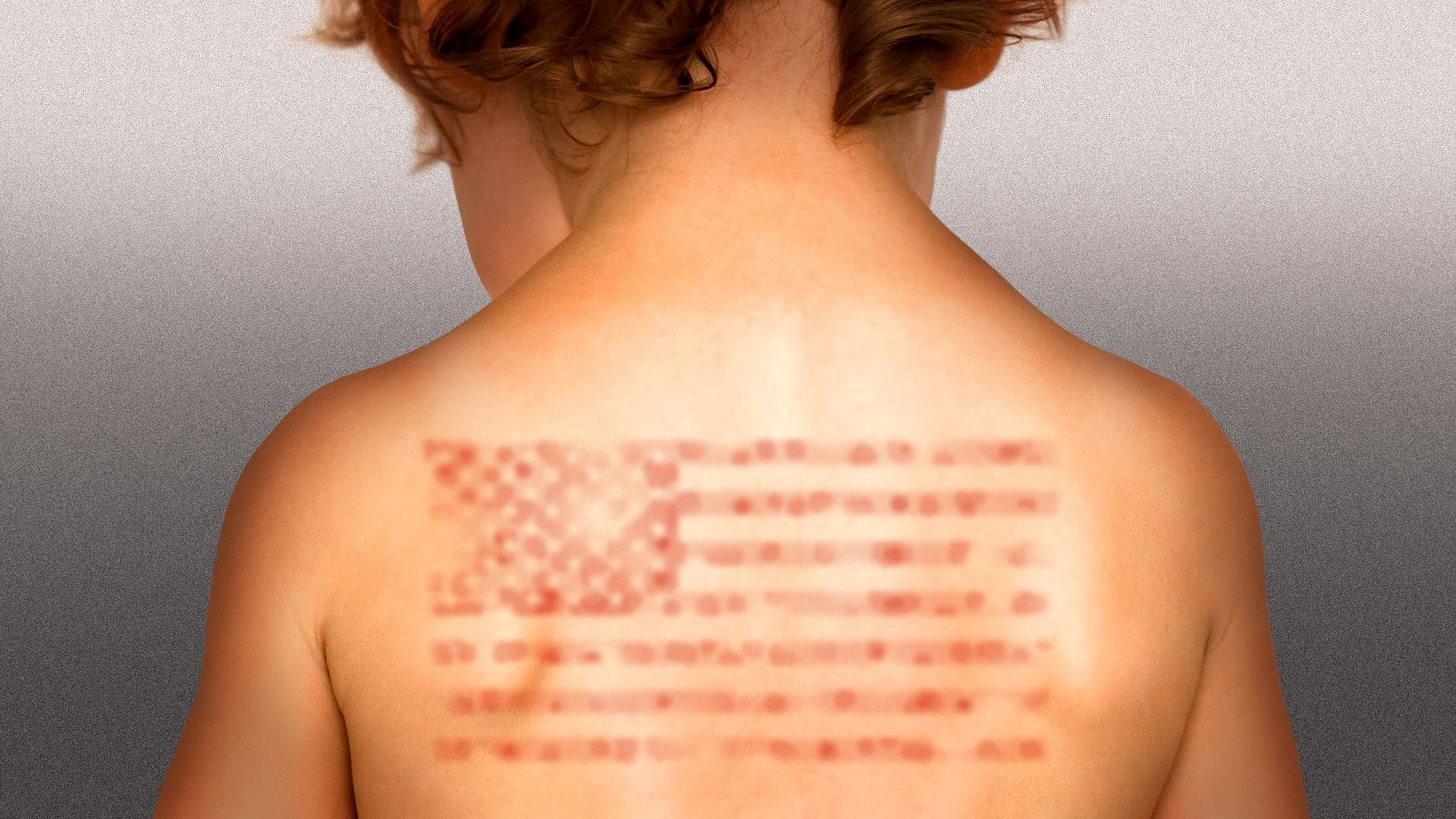
The loss of the United States' measles elimination status is a particularly worrisome sign for infants in hot spots who are too young to be vaccinated against the disease.
Why it matters: Outbreaks still may be concentrated within certain parts of the country. But infants and other unvaccinated people are living with a continuous threat.
Driving the news: The Pan American Health Organization announced on Tuesday that it revoked the U.S. status after 26 years, as expected.
- That's after state reports of 7,700 cases and 10 deaths since measles first began spreading in Texas early last year, according to the New York Times. (The CDC currently reports only nine deaths.)
- Hundreds of people — often unvaccinated children — have been hospitalized.
State of play: The MMR vaccine is highly effective, meaning the vast majority of cases today occur in people who haven't received an immunization against the disease.
- Just over 1 in 10 of those infected this year were hospitalized, but that jumps to 17% among children under 5 years old, per the CDC.
Between the lines: For most of the population, remaining unvaccinated against measles is a choice, albeit one parents make for their children.
- But for the youngest Americans, receiving a vaccine isn't an option for several months.
- The earliest an infant can receive an immunization against measles is at 6 months, with the official recommendation for most children being a first dose between 12 and 15 months.
- Though infants do receive protective antibodies against measles from their mothers, those gradually decline over their first months of life.
What they're saying: "Most babies don't receive a first measles vaccine until age 1. With measles endemic again, parents can no longer assume grocery stores, airports, churches, or even pediatricians' offices are safe spaces," Jerome Adams, President Trump's first-term surgeon general, posted on X.
- "The community protection we took for granted is gone, and U.S. moms now must live in fear that their babies will be harmed by a completely preventable disease, while they do [everyday] tasks."
- Some experts are raising the prospect of an official three-dose schedule for the MMR vaccine, in which all infants get the earlier dose in addition to the two already recommended.
Thanks for reading Axios Future of Health Care, and to editor David Nather and copy editor Matt Piper. Please ask your friends and colleagues to sign up.
Sign up for Axios Future of Health Care