Axios Future of Health Care

November 03, 2026


Welcome to Election Day. We have a guide for what to watch for — and what it all means for health care going forward — as the returns roll in.
Today's newsletter is 931 words, a 3.5-minute read.
1 big thing: What's on the line in the midterms
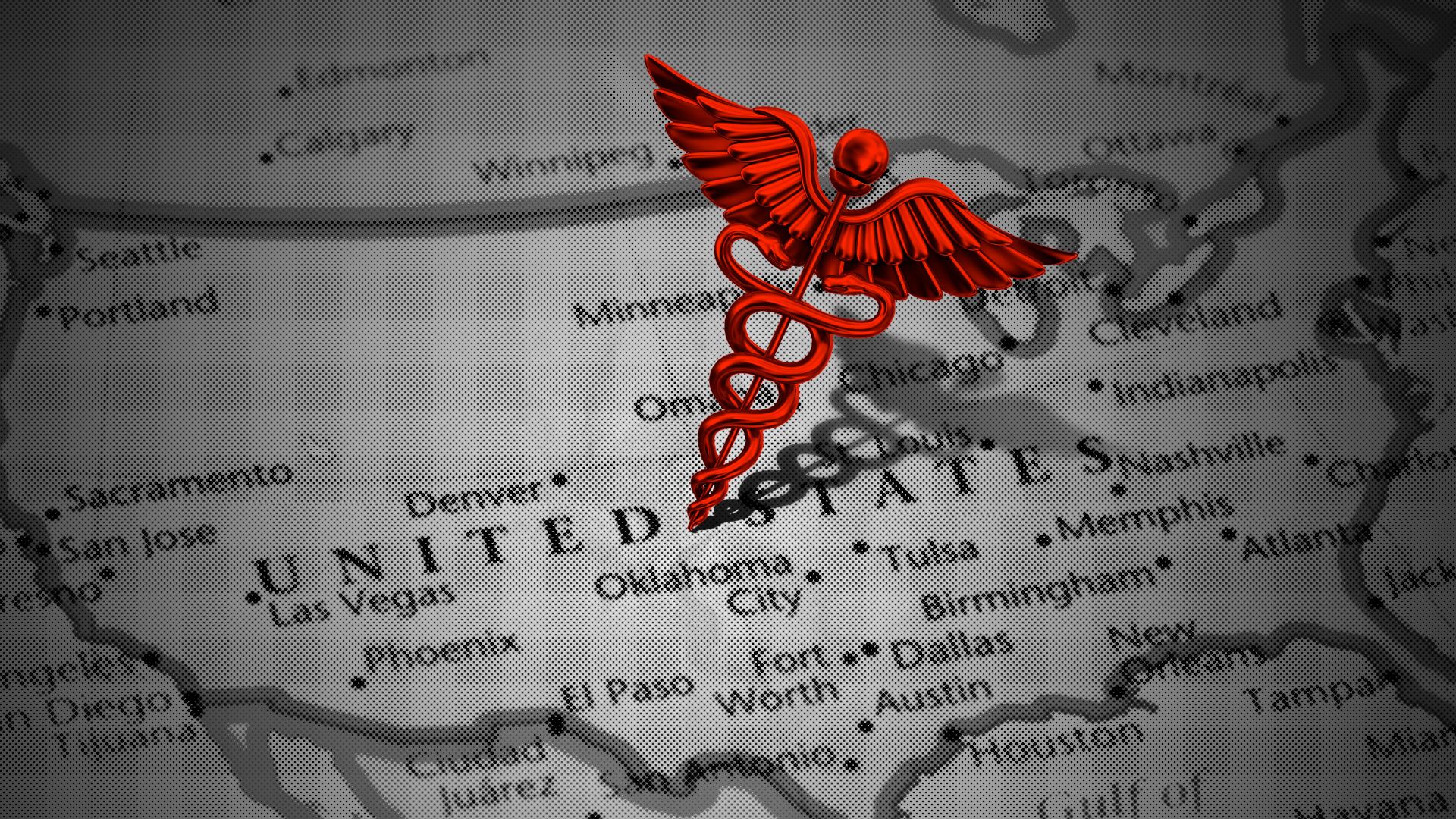
Voters are about to decide whether public backlash against the health care industry translates into meaningful policy shifts.
Why it matters: Health care has never been more expensive, and it's not going to get any cheaper without significant intervention.
The big picture: It's hard to see Democrats not making health care affordability a top priority in the next Congress, regardless of whether they win only a narrow majority in the House or sweep both chambers in a blowout.
- But the party isn't aligned on an agenda, and a strong showing by progressives could drag things leftward.
Here's what we're watching:
Medicare for All vs. moderates: What happens in Michigan's Senate race — and Maine's, to some extent — will likely shape how much sway progressives have in the next two years.
- Democrat Abdul El-Sayed has made Medicare for All central to his campaign, unabashedly supporting the idea in a race that could determine which party has control of the Senate next year.
- The same goes for Democrat Troy Jackson in Maine's Senate race.
- But Medicare for All supporters looking for a vote on the measure face an uphill battle: Despite the policy's growing popularity among the public, moderates unwilling to abolish private insurance will make up a sizable portion of any Democratic majority.
The doctors-turned-politicians: Doctors are on the ballot in key races this year, and the question is how much public trust translates into votes.
- El-Sayed, an epidemiologist who went to medical school but isn't a practicing physician, is one example.
- There's also pediatrician Annie Andrews, who's mounted a strong challenge to Republican Sen. Darline Graham in South Carolina, and Ohio governor candidate Amy Acton, who has focused on pediatrics and preventive medicine.
- "We've seen in our research over the last six-plus years that [doctors are] among the most trusted potential candidates for office, hands down," said Erik Polyak, executive director of 314 Action.
MAHA on the line: Health Secretary Robert F. Kennedy Jr.'s "Make America Healthy Again" movement has focused its attention largely on the Iowa governor's race in the final weeks of the election, going all in for Republican Zach Lahn, who's pledged to take on Big Agriculture interests and the use of farm chemicals.
California's tax plan: Golden State voters will decide the fate of a controversial one-time wealth tax on billionaires, with most of the proceeds to be used to fund health care services.
- The money is intended to partly make up for Republican cuts to federal Medicaid spending but the tax is opposed by Gov. Gavin Newsom, a likely 2028 Democratic presidential contender.
- It's seen as a possible prelude to a national debate over expanding the federal government's role in health care and how to fund it.
Abortion ballot measures: Voters in four states will determine what reproductive rights in their states look like, another round of post-Roe abortion policymaking via ballot initiatives.
- Nevada and Virginia will consider constitutional amendments protecting the right to abortion, while Missouri will weigh a measure backed by the state legislature to repeal a 2024 pro-abortion rights amendment.
- Idaho voters will determine the fate of a state law guaranteeing a right to abortion until fetal viability, or after that in the case of a medical emergency.
2. Why Medicaid expansion is in play
The outcome of state legislative races in Georgia and Wisconsin today could boost prospects for Medicaid expansion in two battleground states that have long resisted full expansions of the safety net program under the Affordable Care Act.
Why it matters: Either would provide a test case of whether states can expand coverage to more low-income residents amid sweeping federal spending cuts and policy changes to Medicaid and the ACA.
Driving the news: Democrats believe they can flip control of Georgia's House of Representatives for the first time in two decades.
- That, combined with gains in the Republican-controlled state Senate, could put Medicaid expansion back on the table — even if Republican Rick Jackson prevails in the governor's race.
- Legislative efforts to enact a full expansion have failed for years. Departing GOP Gov. Brian Kemp's attempt to provide a partial expansion to certain low-income adults who fulfill work and activity requirements is due to expire at the end of this year and has been criticized for low enrollment and high administrative costs.
- Democratic nominee Keisha Lance Bottoms supports a full expansion. Jackson says he backs an "intelligent Medicaid expansion" but hasn't offered key specifics.
In Wisconsin, Republican legislators have repeatedly rebuffed departing Democratic Gov. Tony Evers' attempts to expand the program. But the state does cover adults with incomes up to the federal poverty level through a program called BadgerCare Plus.
- Democrats need to flip two seats to take control of the state Senate, and five to win the state Assembly. Recent polls have shown Democrat David Crowley leading Republican Tom Tiffany in the race to succeed Evers.
What we're watching: It's not clear how much a national Democratic wave would produce down-ballot gains in state legislative races.
- Even those states that approve Medicaid expansions would have to navigate a new landscape due to last year's reconciliation law that imposed federal work requirements and brought big changes to eligibility and enrollment.
- They still would get a 90% federal matching rate to cover the expansion population.
Thanks for reading Axios Future of Health Care, and to editor David Nather and copy editor Matt Piper. Please ask your friends and colleagues to sign up.
Sign up for Axios Future of Health Care