Axios Future of Energy

March 26, 2026

🥞 Welcome back! We're still taking the pulse from CERAWeek by S&P Global in Houston. Today's readout includes...
- An Iran-Alaska connection
- Lessons from Ukraine
- Carbon startups' diversification, a power giant's AI outlook, shale's future and much more, all in 1,508 words, 5.5 minutes
👀 ICYMI: Check out Amy's excellent overview of the Houston vibe.
🙏 Thanks to Chuck McCutcheon and Chris Speckhard for edits to today's newsletter, along with the brilliant Axios Visuals team.
🎶 We're featuring Texas artists all week, and Chuck tapped alt-country legend Alejandro Escovedo to provide today's intro tune...
1 big thing: Iran war could boost Trump's Alaskan gas vision
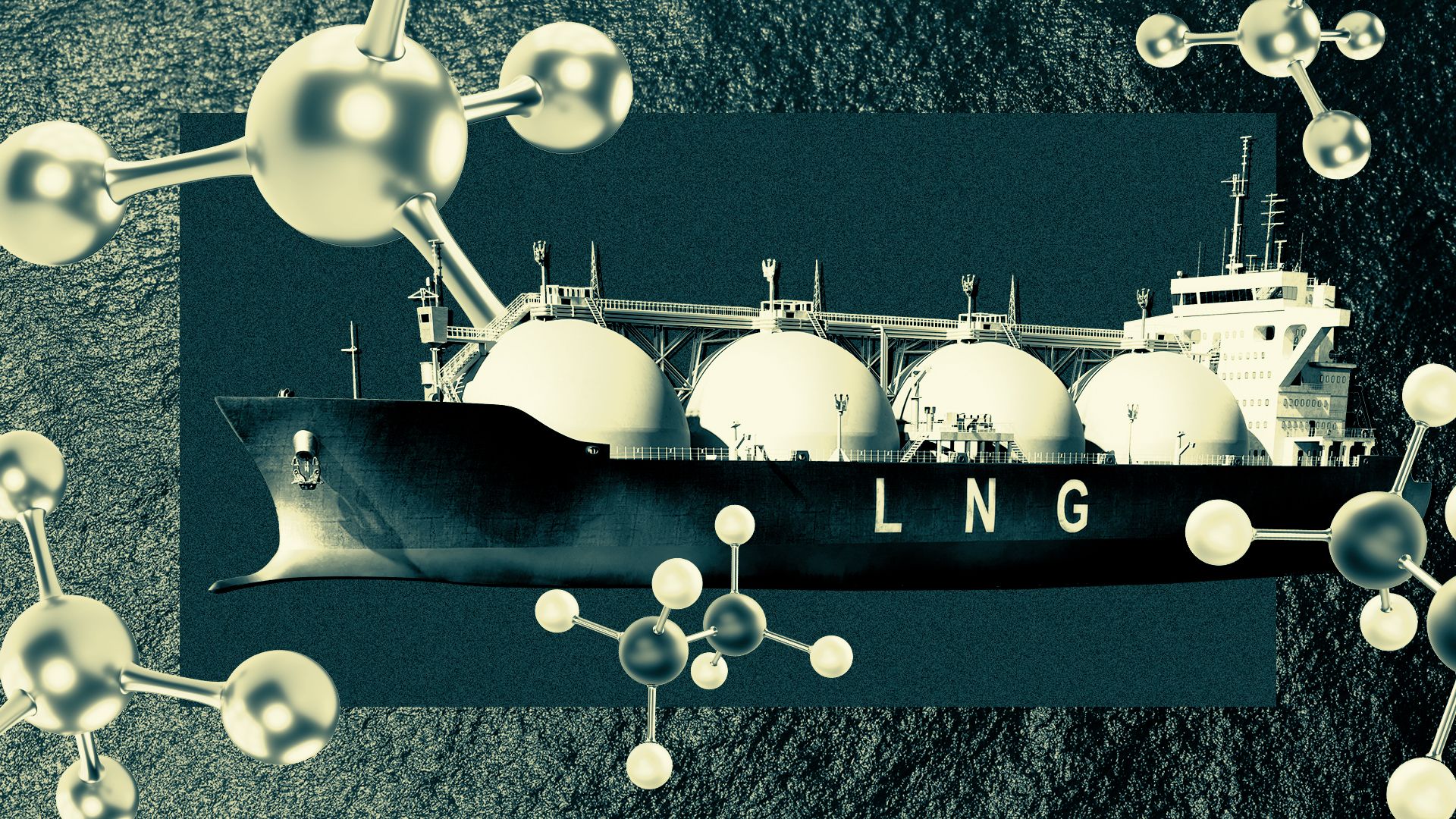
HOUSTON — The stunning Middle East supply disruption could lower hurdles to building a long-planned Alaskan gas pipeline and export project that the White House covets.
Why it matters: "That's probably our single most important energy infrastructure project of this whole administration," Energy Secretary Chris Wright said at CERAWeek on Tuesday.
- Alaska LNG envisions an 800-mile pipeline to bring gas south from wells on the state's North Slope to be liquefied and shipped.
The big picture: The proposal, estimated at $44 billion, has long been an uphill climb amid expanding Gulf Coast exports, high upfront costs, and tricky logistics.
- But the Iran conflict highlights risks to supplies that transit through unstable regions. The de facto Strait of Hormuz closure and attacks on Qatari LNG plants are causing soaring prices in Asia and Europe.
What they're saying: Execs here and analysts see new momentum for projects from stable suppliers like the U.S. — already the world's largest LNG exporter — and Canada.
- The Iran crisis means that "cargoes and contracts from countries with low political and shipping risks become more attractive," Wood Mackenzie researchers said in a note.
- "U.S. LNG is a much sharper trade weapon than it was a month ago and the U.S. administration's willingness and ability to extract capital from potential Asian LNG buyers is about to go on full display," Ira Joseph, a gas market analyst with Columbia University's energy think tank, said via email.
State of play: Brendan Duval, CEO of Alaska LNG developer Glenfarne, is at CERAWeek for meetings to advance it and the company's Gulf Coast LNG project.
- The Middle East crisis accelerated Alaska LNG customers' interest in turning preliminary purchase plans into firm contracts and pricing deals, he said.
- Those customers are saying "'Please, can we speed that up?' Because they want to make sure we don't change our mind and take our volumes to someone else," he told Axios.
Reality check: Proposals for an Alaskan pipeline and export project have been around in one form or another for decades.
- Alaska LNG's competition is global and domestic.
- A wave of Gulf Coast export projects — fed by abundant production in the region — are online, under construction, or on the drawing boards.
2. 🥜 CERAWeek Day 3 in a nutshell
☢️ Fission and fusion are ascendant, but skepticism lingers.
☀️ Solar and wind are getting the short shrift on the main stage.
💪 Forget headwinds. Low-carbon investors are bullish, thanks in part to soaring energy demand.
🤔 Questions are emerging about how fast lithium-ion batteries degrade when paired with data centers.
🏄♂️ You can tell who the tech and AI attendees are — they're wearing jeans.
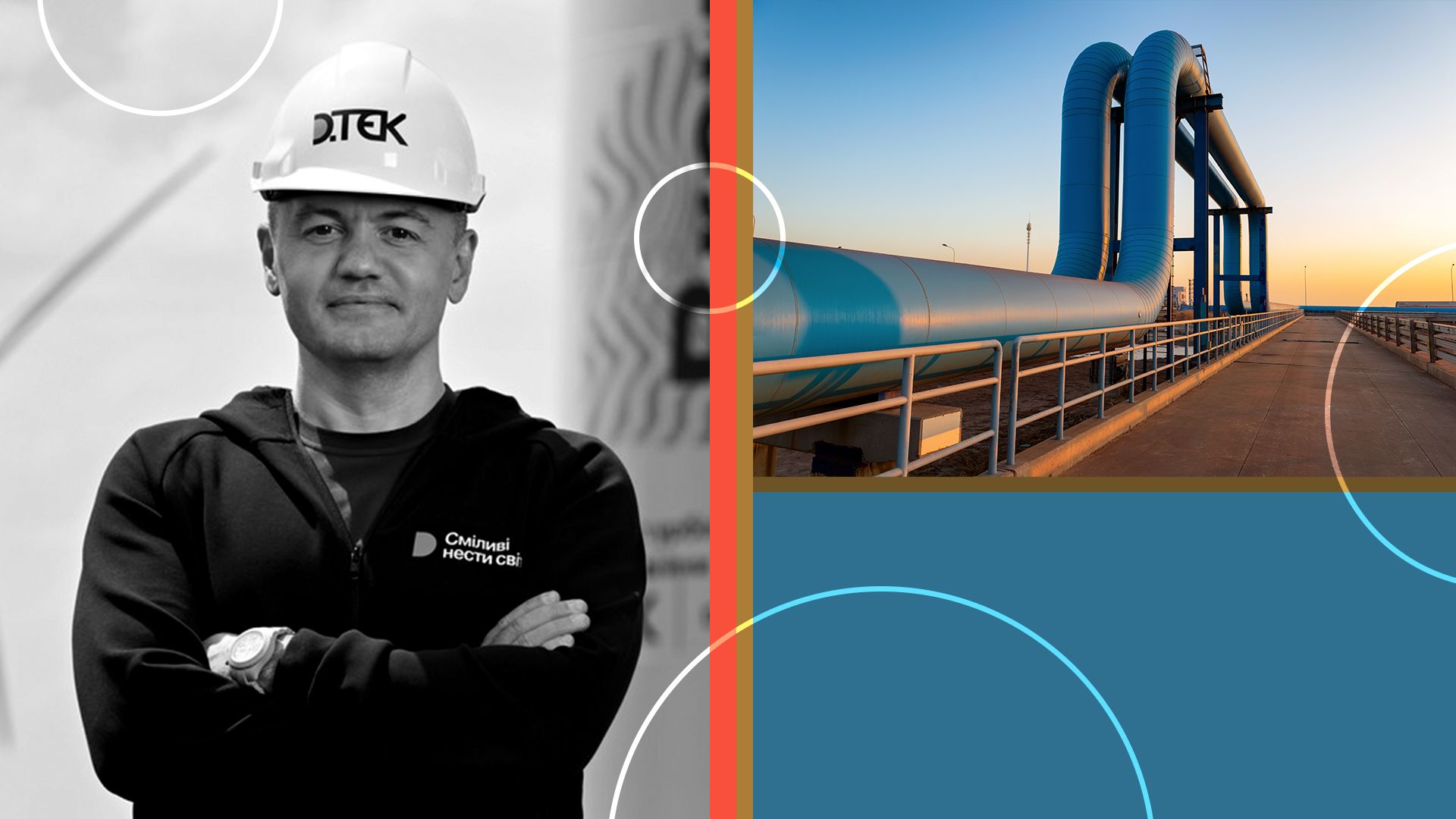
3. 🪖 Ukraine energy CEO offers lessons learned from wartime

HOUSTON — The head of Ukraine's largest private energy company said yesterday he has plenty of lessons to share with energy companies operating in the Middle East that are scrambling to harden themselves against attacks.
Why it matters: Maxim Timchenko, CEO of DTEK, said making detailed security plans must become the new reality for companies working in dangerous places.
Driving the news: The stepped-up Russian onslaught was the main reason this past winter was "the hardest winter since the independence of Ukraine," Timchenko told Axios.
- "We've learned a lot on how to protect our equipment, how to manage the situation, how to make to make sure that people are in safe places under attack, how to react and recover in a very short period of time," he said.
- "So we have the whole story, what to do under the conditions that we observe now in the Middle East. And of course, we are happy to share all this knowledge with our allies."
4. 🏃 Catch up quick: Gasoline, data centers, Exxon, Congress

💵 The U.S. gasoline price rise has stalled, for now at least, shy of the politically significant $4-per-gallon average, per AAA data.
- What we're watching: The oil market, where prices are back up this morning, with WTI at $94 and the global benchmark Brent crude at $107.
- The intrigue: The futures market isn't yet reflecting the physical global supply disruption, Chevron CEO Mike Wirth cautioned here, and this view is widely shared, per Bloomberg's Javier Blas. Go deeper.
👀 The U.S. Energy Information Administration is launching a voluntary program with data center operators to better understand power use.
- Why it matters: Officials need better visibility into the topic as the AI boom brings massive data centers online.
🇻🇪 Exxon has a team in Venezuela this week assessing the physical situation, upstream head Dan Ammann said at CERAWeek, but cautioned the investment case is evolving and quite uncertain.
🗳️ Sen. Chuck Schumer, the chamber's top Democrat, previewed his side's agenda if the party regains power. And he said today's higher costs provide a political opening to help get there.
- State of play: "We can make a marriage between lower costs and clean energy. That will expand our coalition," he said at a League of Conservation Voters event yesterday, blaming President Trump for higher costs, per a transcript.
- The big picture: He said Democrats' agenda includes restoring IRA tax credits, permitting changes to provide "legislative certainty for clean energy projects," grid upgrades and more. Go deeper.
⛽ ICYMI: EPA is waiving some environmental requirements on summer gasoline blends and allowing more ethanol content as it seeks to temper price spikes. Go deeper.
5. 🔀 Startups juice carbon removal with power generation

Startups that began by selling carbon removal credits are turning to power generation as energy demand soars.
Why it matters: It's the latest climate sector to get sucked into the vortex of data center power demand growth.
Driving the news: Arbor Energy, a startup that makes an efficient, compact and low-cost turbine, says it's working with infrastructure partner GridMarket to deliver 5 GW of its tech starting in 2029.
- Arbor, which is backed by Lowercarbon Capital and Climate Capital, originally focused on using waste biomass as a feedstock for its turbine and generating revenue by selling carbon removal credits.
- But Arbor more recently tweaked its product so that customers can also use natural gas as a feedstock, and the company is less laser-focused on carbon removal.
What they're saying: "[Everyone's] first, second and third priority right now is just speed to power," says Arbor CEO Brad Hartwig.
- In comparison, carbon removal has "been in this nice-to-have bucket for folks trying to hit their sustainability targets," he says.
State of play: Direct air capture startups are realizing they need a revenue stream beyond just carbon removal credits.
Unlock the whole story, and talk to our sales team about Axios Pro Deals for a steady diet of scoops and smart analysis.
6. 🛢️ Shale execs' cautious response to the price surge


A fifth of oil execs surveyed in the Dallas Fed region — which includes the Permian Basin — say their 2026 drilling plans have significantly increased in light of the recent price rise.
Why it matters: The Dallas Fed's latest energy survey signals that unpredictability will prevent a major U.S. output surge in response to the Iran crisis.
- Most firms planning a significant drilling boost are small players. But it's nonetheless likely to yield some increased activity.
What's next: The wider survey of over 100 execs with firms based, or operating, in the Dallas Fed region finds that most expect prices in coming years that are well below today's levels.
7. ⚛️ Nuclear power will gain from AI, Constellation CEO says
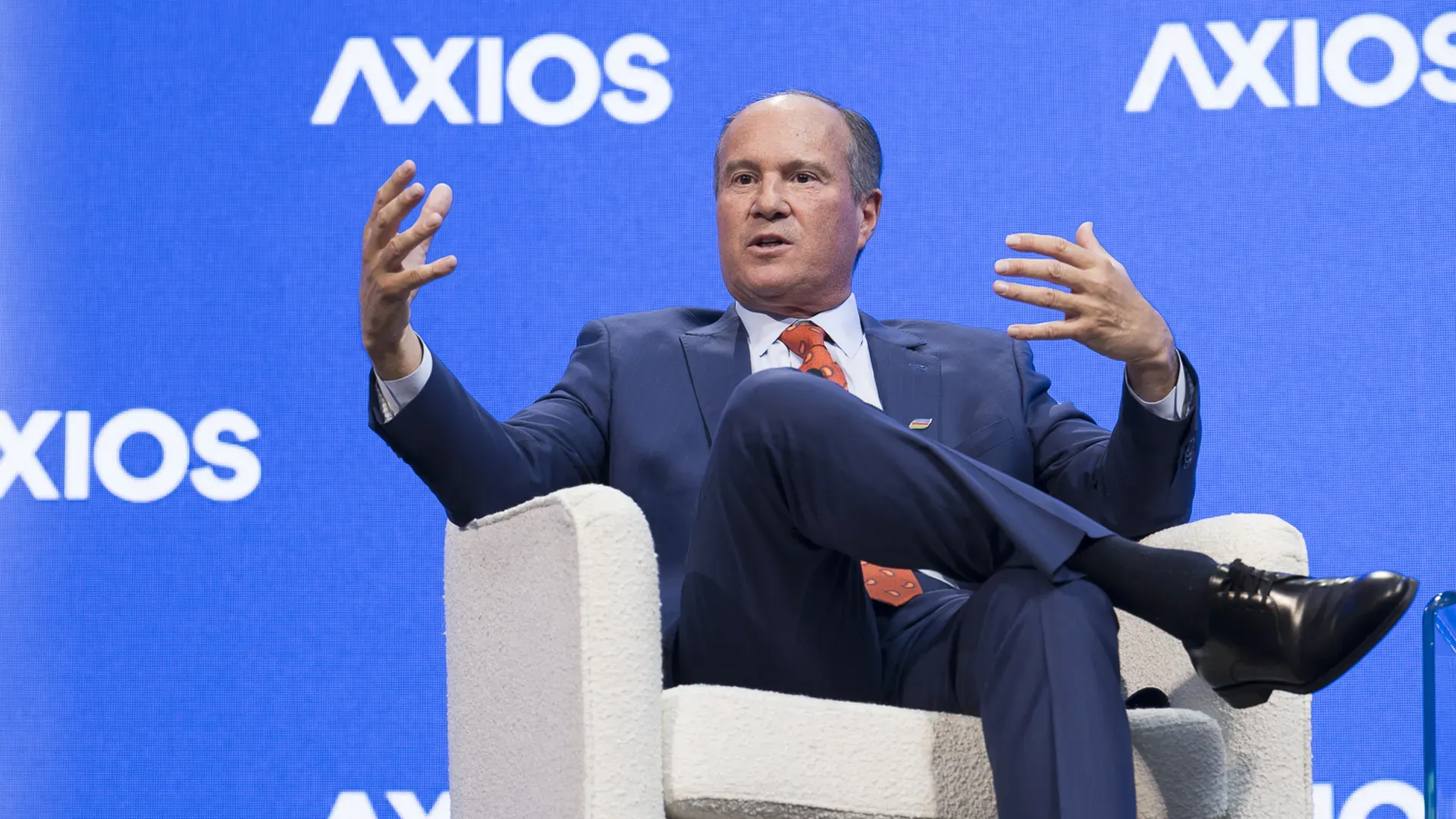
Nuclear power stands to benefit the most among all energy sources from AI, Constellation Energy CEO Joe Dominguez said yesterday at Axios' AI+DC Summit.
Why it matters: Constellation is among the giants of U.S. energy, operating the country's largest fleet of nuclear plants along with wind, solar, hydroelectric and natural gas.
Driving the news: Dominguez said about 15% of a nuclear plant's operation is devoted to planning and understanding the complex interactions among thousands of pieces of equipment.
- AI "is helping us plan," he said. "If we get this right, I think we're going to take that 15% of time we're spending planning work down to something like 5% of the time."
What we're watching: Dominguez expressed concerns about a backlash resulting from public perceptions over the technology.
- "We have to get into this next tier of conversation, or the fears are going to shut us down ... We have lost the ability in this country to have nuanced conversations when fear is present," he said.
8. 🎉 One fun thing: Virtual reality energy

HOUSTON — Amy tried a virtual reality simulator by GE Vernova at CERAWeek that showcased different types of the technologies it manufactures, including small modular reactors, natural gas and hydropower.
How it works: Situated in the tech-focused section of the conference known as the Agora, the giant bowling-ball-type space displays virtual reality on its screen.
- Each experience is about three minutes. Amy has tried two out of three so far.
📫 Did a friend send you this newsletter? Welcome, please sign up.
Sign up for Axios Future of Energy