Axios Finish Line

February 19, 2025

Welcome back! Smart Brevityβ’ count: 427 words β¦ 1Β½ mins. Copy edited by Amy Stern.
- π¬ We want to hear from you: Axios' Carly Mallenbaum is tracking the rise of premarital therapy and counseling for a future edition of Finish Line. If you have experience with couples therapy before getting married and would like to chat with Carly about it, drop her a line: [email protected].
1 big thing: Smallest meal of the day
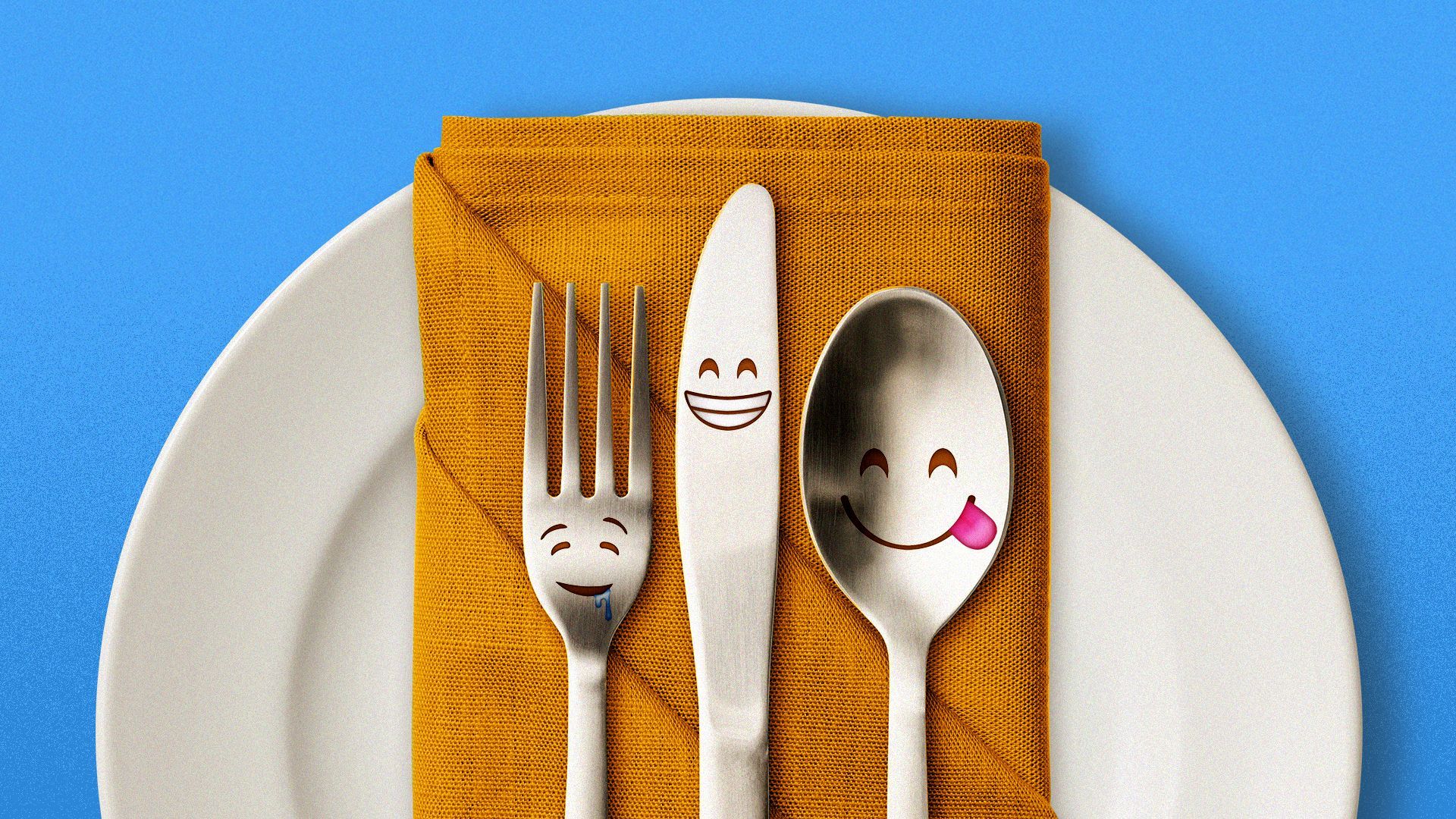
There's an old saying: "Eat breakfast like a king, lunch like a prince and dinner like a pauper." Though the science behind that isn't totally clear, nutritionists agree that dinner should probably be a relatively small meal.
- Why it matters: The American way is the exact opposite, The New York Times' Alice Callahan reports (gift link).
In the U.S., dinner is typically the largest meal β and sometimes the only substantial meal β of the day.
π Zoom in: There's more research on what we should eat to stay healthy than when we should eat. But we do have some clues, Callahan notes.
- People who consume more of their calories in the evening have a higher risk of high blood pressure, Type 2 diabetes and obesity, studies suggest.
- Another study found that people who ate bigger breakfasts were less hungry throughout the day.
β° Between the lines: It may come down to your body clock.
- Your body is expecting to digest a big meal β fuel for the day β in the morning. At night, the organs that help metabolize your meals, like your liver and pancreas, slow down.
- So even if you eat the same meal for breakfast and dinner, your blood sugar will see a larger, lingering spike at night compared with the morning. That evening spike can elevate risk of disease and weight gain.
π‘ Tips to go: It's not just about increasing the size of breakfast and lunch and shrinking dinner. The timing of your dinner has an effect as well.
- Wrapping up the meal a few hours before bedtime can help your body digest it better β and dodge those blood sugar spikes.
- Plus, walking for 15 minutes after dinner, at just a moderate pace, can lower your blood sugar level β even hours later. Moving in place (when it's too cold out) has similar benefits.
The bottom line: Dinner doesn't have to be the day's smallest meal. But it probably shouldn't be the biggest.
ποΈ Stunner du jour!

Here's the 12-mile-long John Hopkins Glacier, in Alaska's Glacier Bay National Park and Preserve. Reader Mike Walker tells us he took this photo on an Alaskan cruise with his wife last May.
Sign up for Axios Finish Line