Axios Finish Line

September 11, 2026



1 big thing: Life lessons among Alaska's glaciers
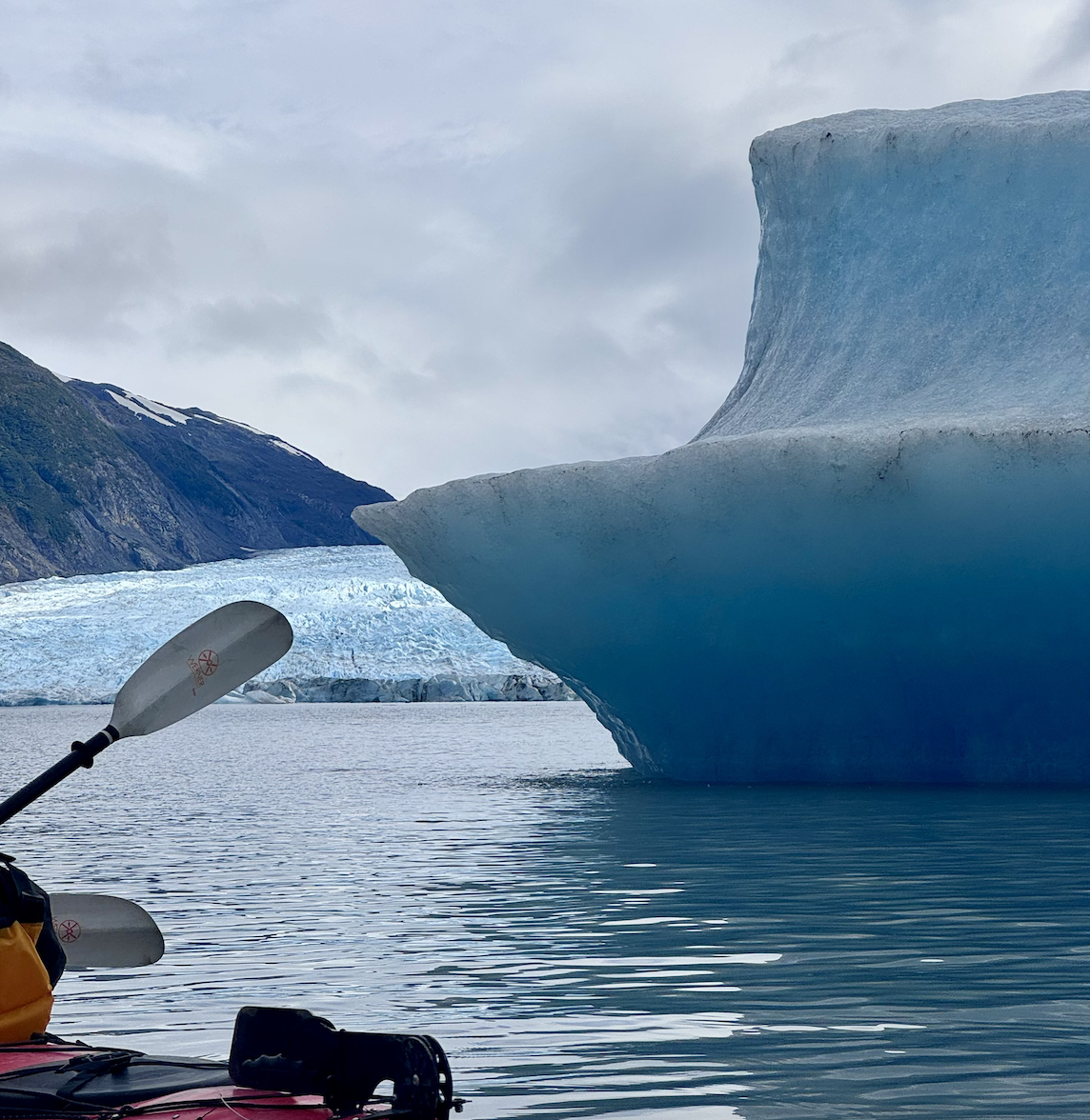
SPENCER GLACIER, Alaska — Sure, seeing is believing, but sometimes seeing leaves you in disbelief. That happened to me while kayaking among icebergs here recently, as the landscape transformed before my eyes, Amy Harder writes.
- Why it matters: I began the kayaking excursion certain of what I was seeing. I ended it with my mind blown — by the sheer scale of nature and by how much perspectives can change.
🌊 State of play: The glacial lake here, not far from Anchorage, is accessible only by the Alaska Railroad train.
- The glacier and lake looked rather small as we approached it on foot with our kayaks in tow. I felt a tinge of disappointment.
- I figured the glacier was maybe a half-mile away, with dainty-looking icebergs in between us. Then our guide told us it was 2 miles away. No way, I said, as confident as ever.
"I'm fine being wrong," the guide joked with equal parts politeness and sarcasm.
- Once we got into the water and started paddling, my entire field of vision changed dramatically in an extreme manifestation of "motion parallax." I soon realized how small I was, how big those icebergs were and how far away that glacier really was.
🏔️ How it works: "Motion parallax" is a common phenomenon we experience when moving. It's why trees whiz past us while driving but mountains in the distance barely seem to move. Glacial landscapes can put this phenomenon — and our struggles to perceive depth and scale — on steroids.
- From shore, nearly everything in my field of vision was enormous — mountains, ice, water — leaving me with few familiar visual cues to grasp just how big or far away anything really was.
When we started paddling, movement — and our kayaks themselves — gave my brain new information.
- Despite paddling quite a ways, the glacier remained stubbornly distant, while those dainty-looking icebergs grew to the size of cars and small buildings.
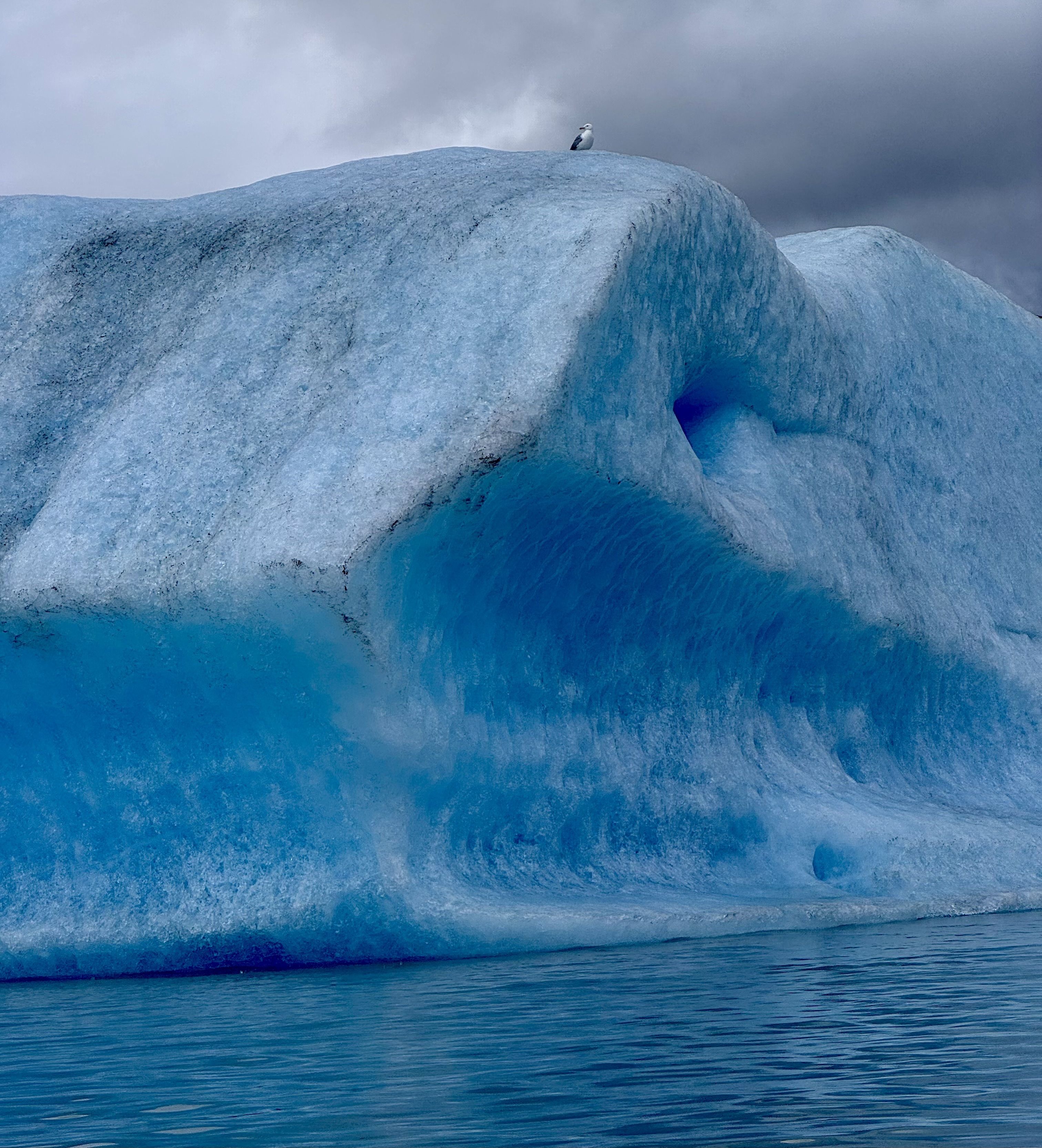
👀 The big picture: It was strangely empowering to be so wrong. I was confident in what I was seeing, and then my guide — and eventually my own eyes — showed me otherwise.
- That sense of wonder has lingered, making me curious about what else I might be so sure about — and wrong about.
- It was also a reminder that, from a distance, people and problems can look smaller, simpler and more obvious than they really are. Get closer, learn more and add context, and the picture can change dramatically.
The bottom line: Sometimes changing your mind isn't a sign that you saw things wrong. It's a sign that you're finally seeing more.
2. 📞 Call grandma and grandpa!

Axios Finish Line