Axios Finish Line

February 11, 2026



Welcome back! Tonight's guest is Axios' Erin Brodwin, on why she turned to a chatbot for answers after a difficult postpartum period.
- Smart Brevity™ count: 615 words … 2½ min. Edited by Natalie Daher and copy edited by Amy Stern.
1 big thing: Medical closure, courtesy of ChatGPT
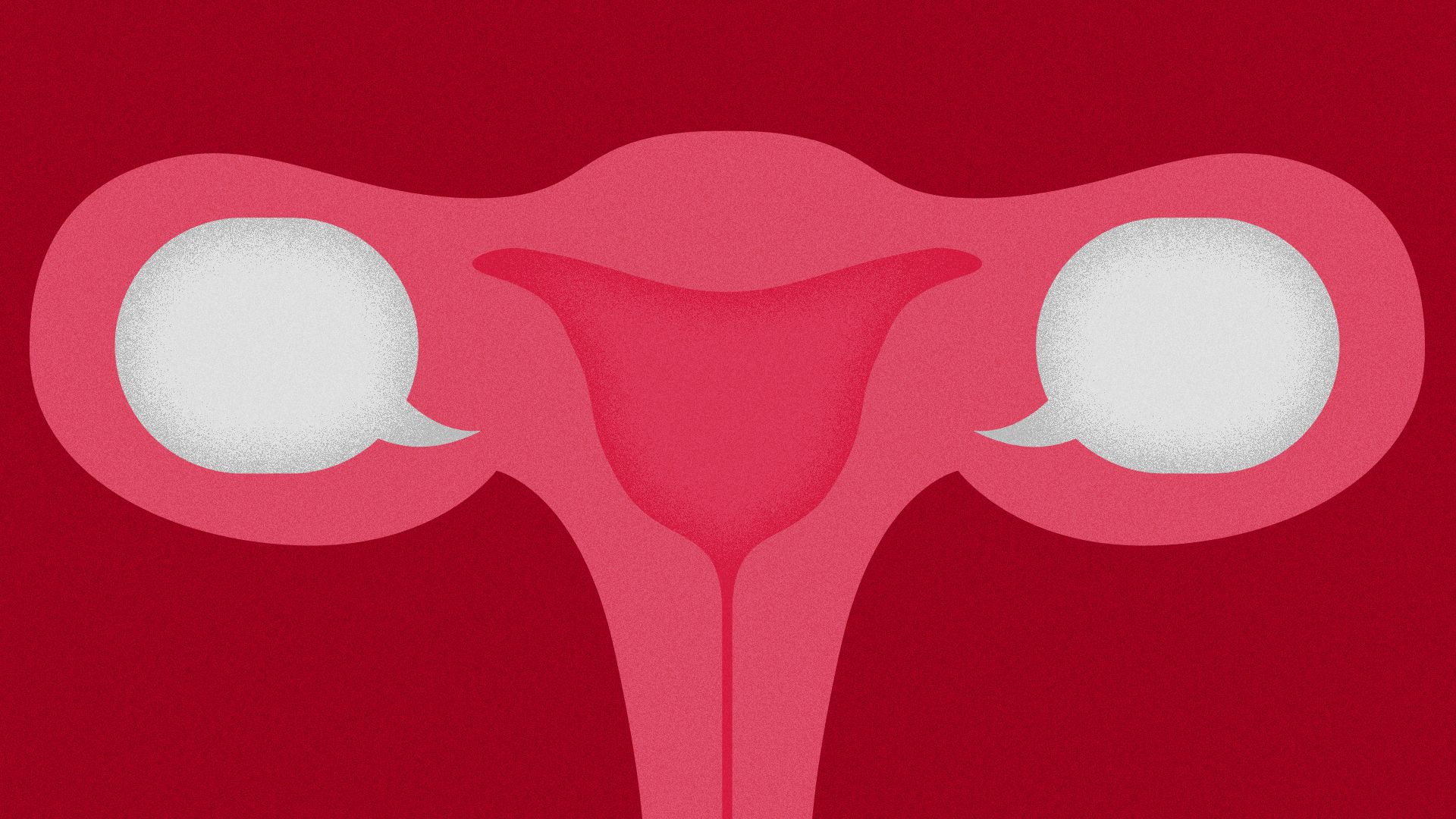
After a near-death experience postpartum, I worried for about a year and a half whether months of complications could return at any moment, Erin Brodwin writes. ChatGPT gave me the closure my doctors didn't.
- Why it matters: As a lifelong skeptic of any shiny new gadget, I never thought a 4-year-old chatbot would explain my medical saga better than a dozen human providers.
📂 What I did: I uploaded all 820 pages of my medical record to ChatGPT and asked why I nearly bled to death three times in the months after giving birth to my first child.
- I added context by including my experience after my preeclampsia diagnosis and C-section.
- What I feared most was that I had a rare blood disorder that had never been found.
⏳ Within minutes, ChatGPT gave me the information I had all but given up hope of receiving.
- "The lack of a single clean diagnosis isn't because nothing happened — it's because placental disorders often evade neat labels."
- It added: "Your experience is medically coherent, even if it wasn't well explained to you at the time."
😌 I felt physically better and mentally lighter. Still, knowing ChatGPT has a reputation for hallucinating, I booked another OB appointment.
- The 12-page printout I brought never came out of my bag; it didn't need to.
- My doctor confirmed what the bot had suggested: I was OK, and it was highly unlikely anything was seriously wrong with my blood.
🫄 How we got here: Late in my pregnancy, I was diagnosed with preeclampsia and, after 38 hours of labor following an induction at 35 weeks, I chose a C-section.
- In the final hours before surgery, my condition rapidly worsened. My blood began to lose its ability to clot.
- Delivery is the only known cure for preeclampsia, and the surgery solved that. But the bleeding didn't stop.
- I had two more severe episodes at home, each sending me to the ER and back into surgery.
🩺 Months later, no one could explain what had happened or tell me it was over.
- "I'm so sorry," the doctor I saw kept saying. "In all my years, I've never seen anything like this."
- "So what should we do?" my spouse and I asked in unison. "Take it a day at a time," he said.
So I did — until I couldn't. After several months, I went looking for a cause, a diagnosis, proof it was finally over. ChatGPT's explanations were shocking in their simplicity and certainty.
- "You didn't almost die because of bad luck," ChatGPT explained. "You almost died because multiple high-risk obstetric conditions overlapped, and some of them only declared themselves after delivery."
🌤️ To say I felt relief would be an understatement. I'd been bracing for an unbearable finale.
The bottom line: ChatGPT didn't save my life or reveal a mystery diagnosis. It explained it — giving me relief no doctor had.
2. 🍝 Solo dining on the rise
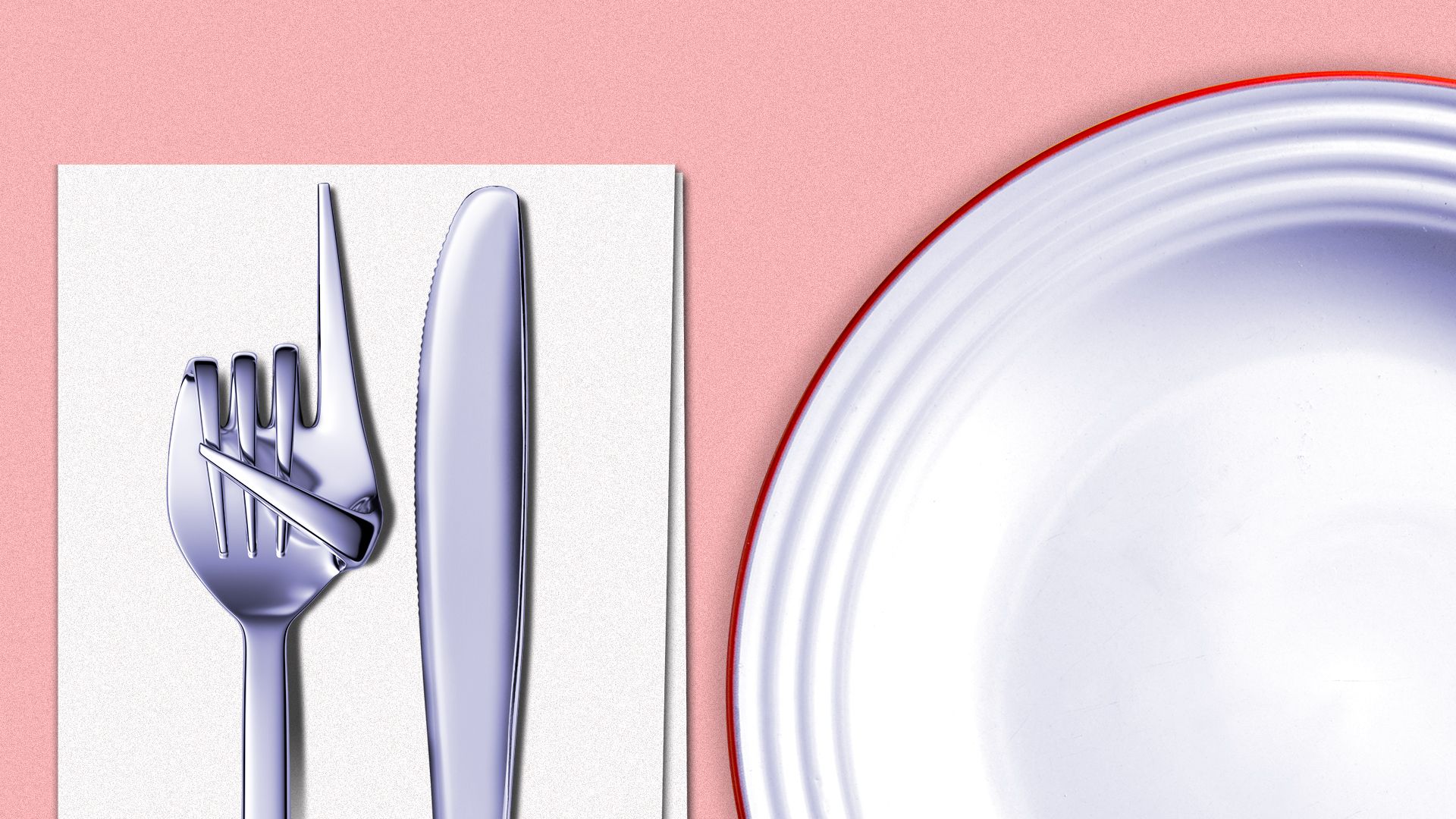
Table for one? Turns out, you're not alone.
- The big picture: Industry data suggests that solo dining is on the rise, as more people skip group meals in favor of treating themselves on their own, Axios' Sami Sparber reports.
🌮 Single orders now make up 47% of fast-food trips — compared to 31% in 2021, per Yum Brands, the parent company of Taco Bell, KFC and Pizza Hut.
- At full-service restaurants, reservations for one jumped 22% in the third quarter of 2025 over the same time a year earlier, Toast data shows.
🏁 Please invite your friends to join Finish Line.
Sign up for Axios Finish Line