Axios Finish Line

July 30, 2026



Welcome back! Your host tonight is Axios co-founder and Axios HQ CEO Roy Schwartz.
- This edition of Finish Line is adapted from a commencement speech Roy gave last month to seniors at The Lab School of Washington, a D.C. school for students with language-based learning differences, like dyslexia. Share it with anyone in your life who's navigating learning differences.
Keep the conversation going — let Roy know what you think: [email protected]
- Smart Brevity™ count: 743 words … 3 mins. Copy edited by Amy Stern.
1 big thing: Finding your superhuman ability
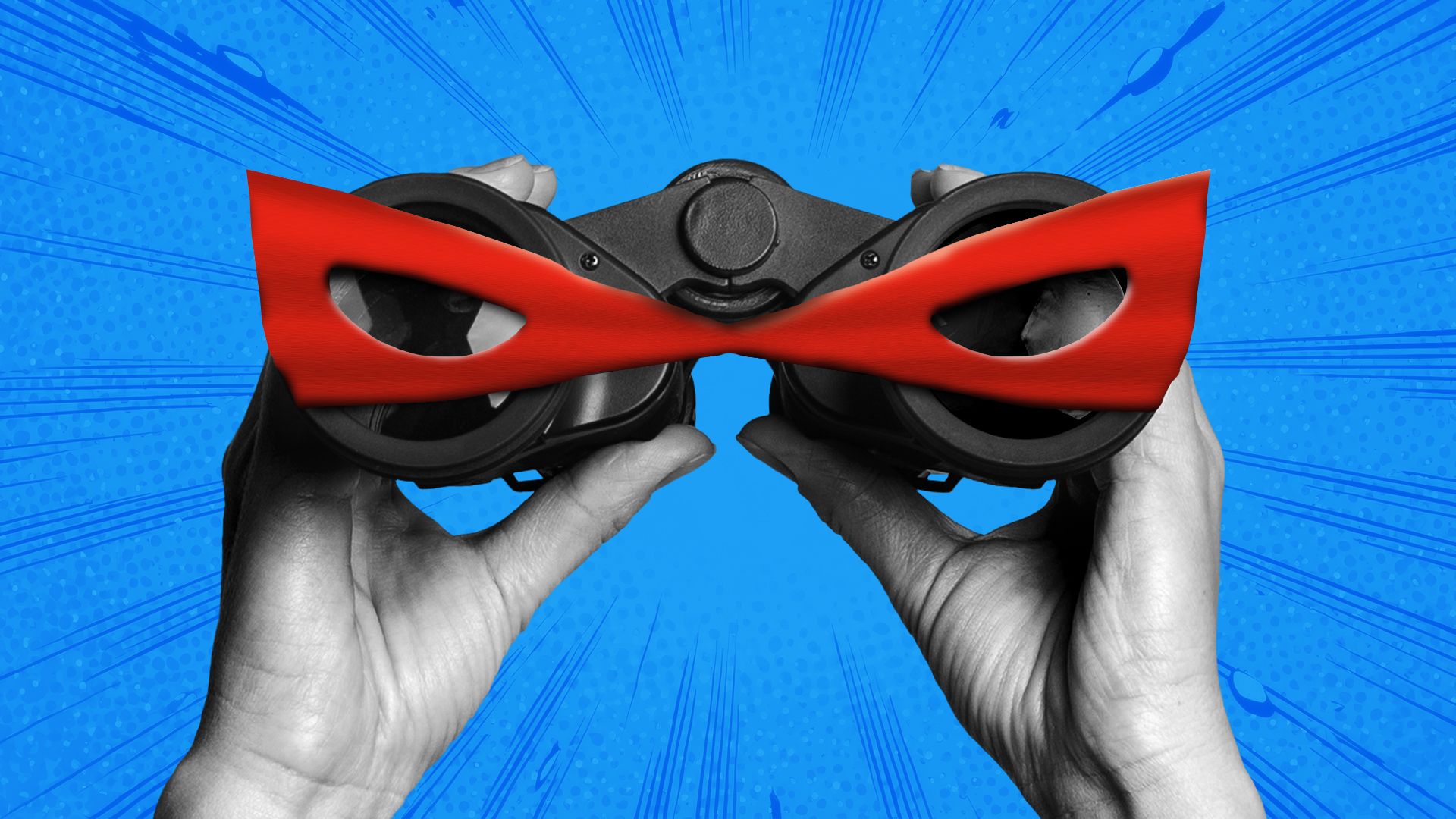
I grew up just outside of London, in a small town called Ilford. I went to regular public school, and for years I thought I was stupid, Axios co-founder Roy Schwartz writes.
- Teachers and kids thought I was stupid. I got awful grades, and when I compared my spelling, handwriting or grammar to anyone else, I confirmed that something was wrong.
- My parents scraped together the money to get a test. Unfortunately, these tests are ridiculously expensive. Back then especially, but even now, most people can't afford them. Luckily, my parents pulled together the money and got me tested — and wow.
📚 The big picture: It turns out I was intelligent — and I had dyslexia.
- Unfortunately, not much changed for me. There weren't really any learning accommodations back then. But at least if someone was watching me write, sometimes I could say, "I'm dyslexic," and get a small pass.
Between the lines: For years I only saw the downsides to having dyslexia.
🔭 Zoom out: For those who don't have learning differences, let me share my typical experience when writing anything.
- I recently bought a new house, and I must have written the word "couch" 100 times, or rather intended to, only to write "coach."
- My spelling of the word "exercise" is so bad that spell-check can't identify it. I have to go to Google, find it in a sentence, then cut and paste it back into my email.
Yes, we know the downsides to dyslexia and other learning differences. But they can also have several, almost superhuman, upsides. These have only become clear to me after founding my third startup:
1. 💪 Grit: You hear about this all the time. Parents worry that their kids won't have grit because life has become too easy. It's true. I hire dozens of people each year, and it's a very rare skill. Yet people with dyslexia and other learning differences have grit — and a boatload of it.
- They know what it's like to struggle, to overcome, to figure out a way forward, and to not give up just because something is hard. Grit is the most important characteristic and skill in this new world.
- Someone with learning differences has already overcome what most people will never experience. They'll find a way through because they have already had to so many times before.
2. 🧠 Problem-solving: People who have learning differences like dyslexia are wired differently. They actually think differently.
- I didn't realize my ability until I started Politico and Axios. I'd been very successful in sales and consulting, but I hadn't realized exactly why. Then I learned that dyslexic thinkers tend to be great at understanding complex issues and boiling them down to something most people can understand. This helped me in sales, management and, most importantly, leadership.
- People with learning differences will approach challenges in a unique way. That different approach helps companies make better decisions and solve difficult problems.
What to watch: I know AI isn't a popular topic with young people. But in the age of AI, dyslexia's downsides are basically irrelevant.
- Can't spell? Doesn't matter. Can't do grammar? Doesn't matter. Can't read fast? Doesn't matter.
🤖 AI will help people with dyslexia and other learning differences to neutralize all of the downsides. Plus, the upsides will be in even greater demand.
- In a world where AI makes things easier, the skill employers want and entrepreneurs need is grit.
- And AI can supercharge our ability to solve problems. Today's young people have access to more knowledge, more tools, more freedom and more opportunity than any generation before. By a lot. It's not even close.
The bottom line: To those with learning differences, you're ready for what's next — and what's next will be amazing because of you. The world needs people who think differently, especially now. Go be different.
2. 🌊 Parting shot!
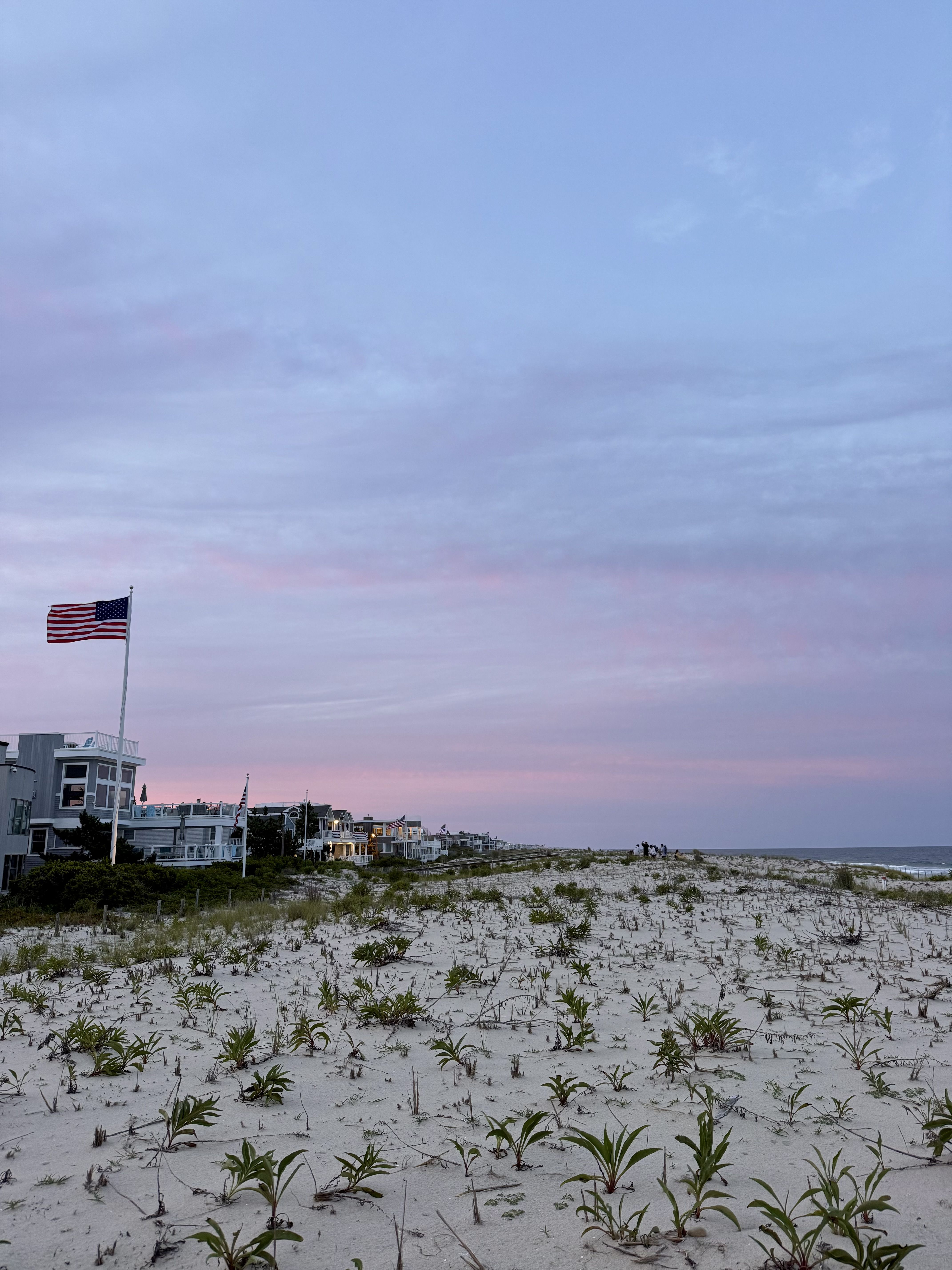
Summer in a pic: Dusk on Long Beach Island, N.J., captured by reader Ashley Corso.
🏁 Please invite your friends to join Finish Line.
Sign up for Axios Finish Line