Axios Finish Line

June 11, 2025



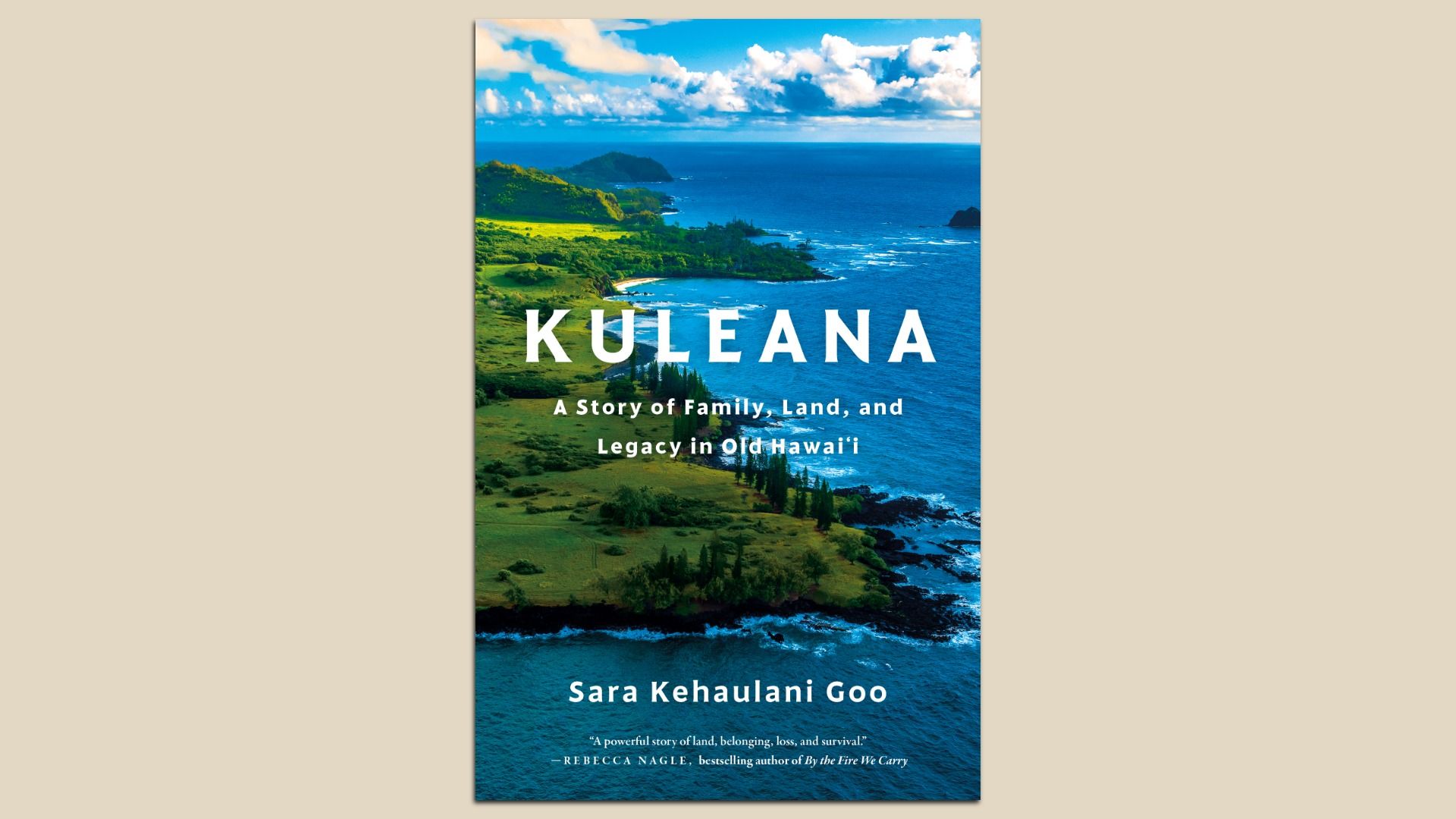
Welcome back! Tonight's host is Axios' former editor-in-chief Sara Kehaulani Goo. She's the author of a new book, "Kuleana: A story of family, land and legacy in Old Hawai'i," out today.
- Smart Brevity™ count: 655 words … 2½ mins. Copy edited by Amy Stern.
1 big thing: What kuleana means
If you've been to Hawai'i — or if you just saw "Lilo & Stitch" — you may have heard the Hawaiian word "kuleana."
- Why it matters: Kuleana (Kooh-lay-ah-nah) means responsibility, taken on with pride — the kind often passed from one generation to the next, Sara Kehaulani Goo writes.
💡 That's a shift from the way we often think about "responsibility" in the Western sense, like a chore or a burden.
- In Hawai'i, kuleana is often used in connection with natural resources — like streams, shorelines, the ocean or land.
- But it also extends to cultural traditions and anything a person takes pride in caring for throughout their life — especially when they pass that caretaking responsibility down.
🔎 Zoom in: Even though I'd heard the word many times before, and I'm part native Hawaiian, I didn't truly understand its weight until the fall of 2019, when I was sitting in my kitchen late at night and saw a message in my inbox from my father.
Sara,
The Hāna property taxes went up 500%. If we can't find a way to pay, then the trust funds will be depleted in 7 years and we may be forced to sell it. This is how Hawaiians are losing their birthright lands.
Dad
He was talking about our family's land in Hāna, Maui — land that had been in our family for more than 175 years, given to our ancestors from King Kamehameha III.
- My grandmother — and her parents before her and their parents before them — had promised to care for this land and keep it in the family for generations. It's also home to a centuries-old temple, the largest of its kind in the Hawaiian islands.
Yet here I was, reading this email, 5,000 miles away in Washington, D.C. Far away, in more ways than one.
❤️ The task of solving my family's tax problem became more than a duty. It was a calling for me, my siblings, my cousins and extended family members to step up. We all felt a sense of generational responsibility.
- Over the next several years we worked together, trying different approaches to save our land. It brought us together — across six time zones, from Virginia to Massachusetts to California to Hawai'i.
- We even tried to build a makeshift farm on our land (long story!) to lower our taxes.
📖 I turned this experience into a book, titled "Kuleana: A story of family, land and legacy in Old Hawai'i," that tells our story to save our lands within the larger context of the economic displacement of native Hawaiians over generations.
- Hawai'i has a dire housing crisis with the highest real estate costs in the nation, nearly triple the median U.S. price. 3 out of 4 households can't afford a typical single-family home, according to state economic data. Today, more native Hawaiians live outside of Hawai'i than on the islands — often not by choice.
- Read the book to learn the surprising end to our family's land saga.
The bottom line: The crisis pushed us to focus on what we owe to those who came before us and what we must do for those who come after us. It was our kuleana to keep our Hawaiian land in Hawaiian hands.
- But kuleana is not a concept just for Hawaiians. It's a word Hawaiians can teach the world.
⛰️ Tour of the Americas
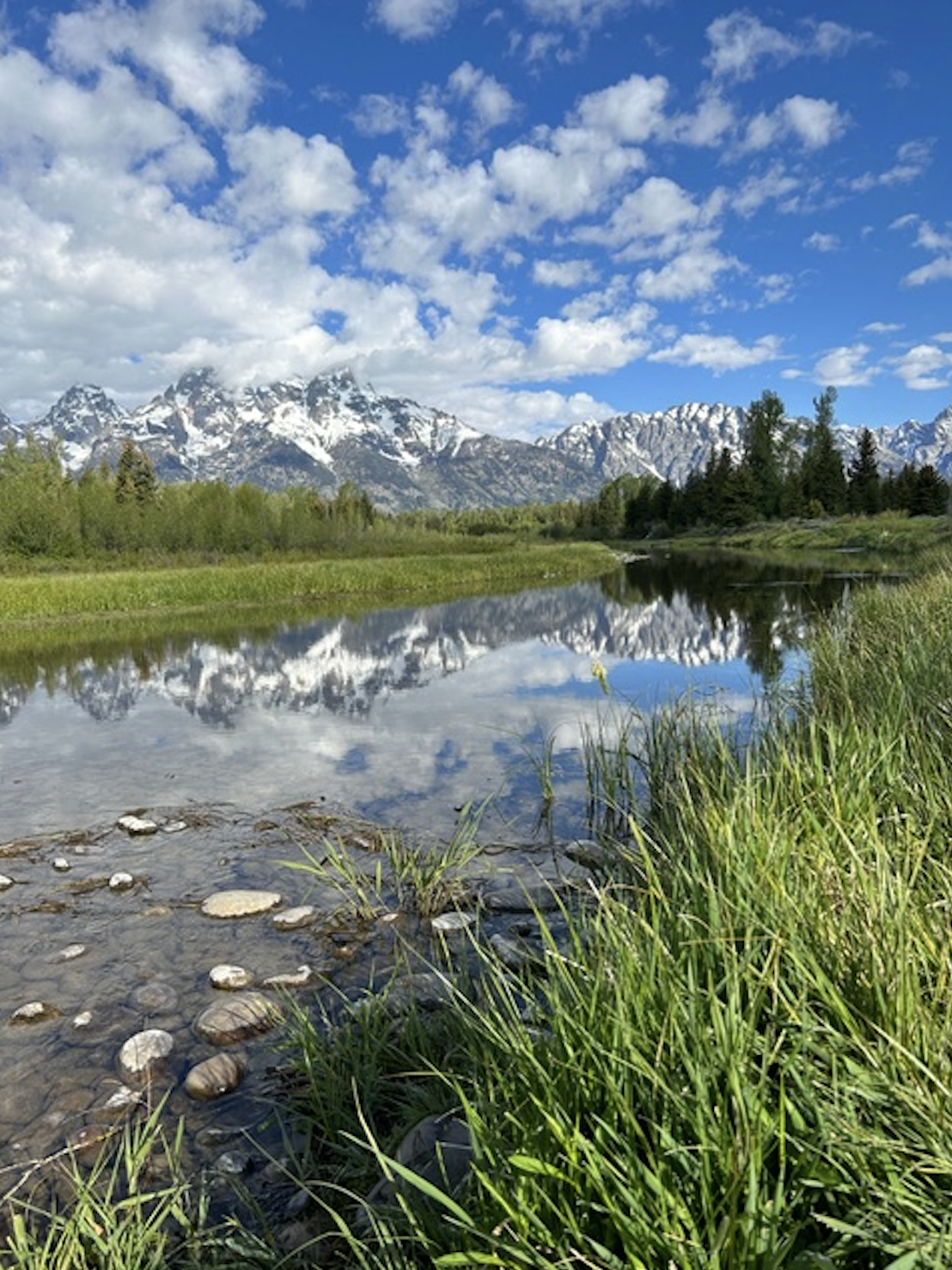
Readers Mike and Jean Walker of Cornville, Maine, have visited more than 50 national parks in the U.S. and Canada.
- They sent us this stunning photo, taken by Jean at Schwabacher Landing in Wyoming's Grand Teton National Park.
📮 Please invite your friends to join Finish Line.
Sign up for Axios Finish Line