Axios Finish Line

March 09, 2023
Welcome back! Smart Brevity™ count: 532 words ... 2 mins.
- Thank you to those of you who've already sent us your thoughts about your brothers and sisters as we celebrate sibs! Keep your stories coming to [email protected].
1 big thing: Recipe for recovery
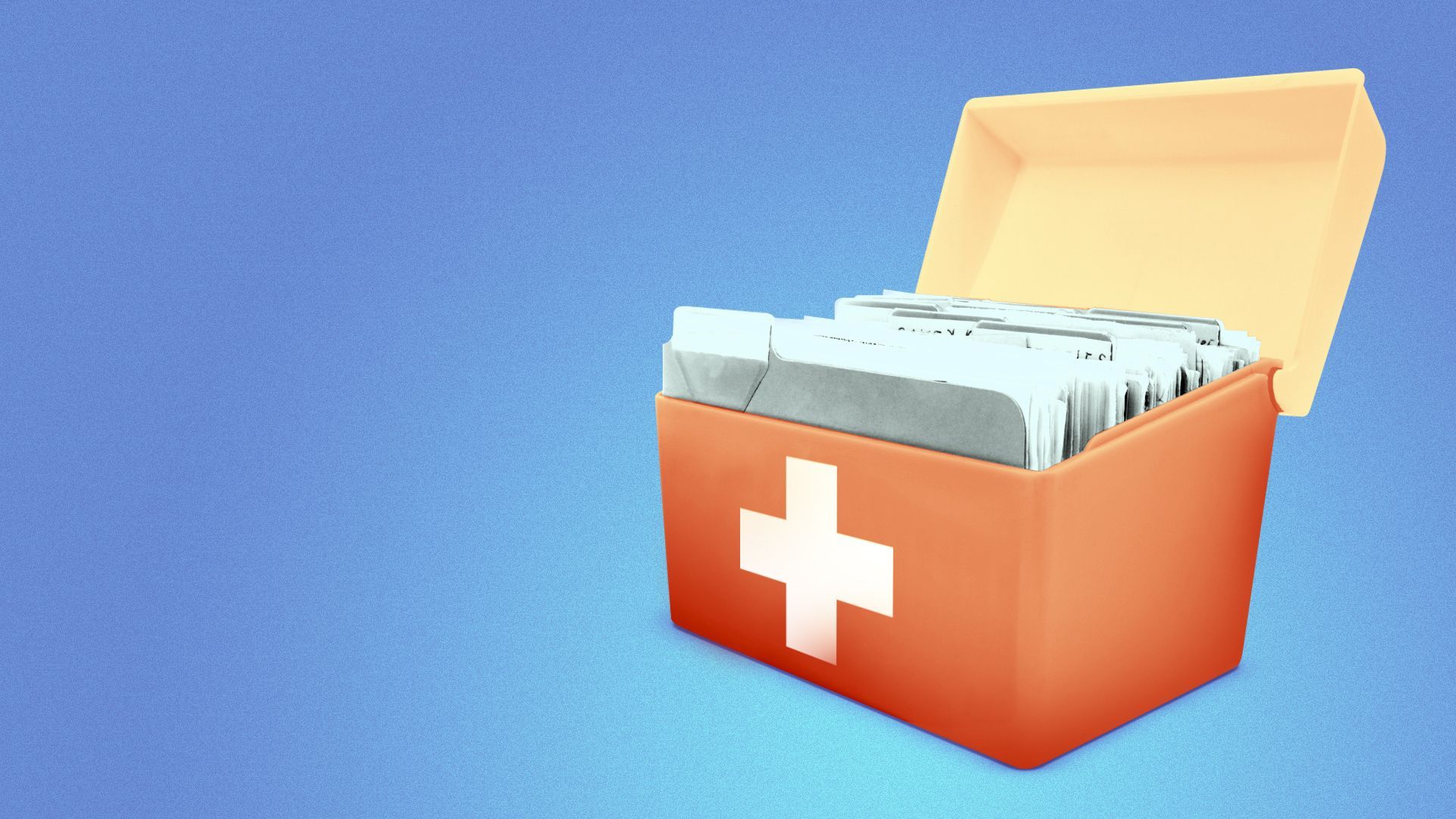
Illustration: AĂŻda Amer/Axios
Priya Mathew, who works in the Axios newsroom as editorial director of events, has battled COVID aftereffects for 17 weeks. At one point, she counted 23 symptoms — from chest pain to fatigue.
- Priya courageously offered to share her learnings with Finish Liners:
After recovering from a "mild" COVID case in November, I developed long COVID, with debilitating symptoms that included persistent shortness of breath, heart palpitations, and insomnia.
- As my symptoms grew worse, I was admitted to the hospital, where I underwent numerous tests. Thankfully, no major organ damage was found — apart from an obstruction in my lungs, which is still being treated.
Why it matters: Long COVID was an alarm bell that I needed to make huge changes in my life.
Flashback: Before getting hit with this life-changing illness, I frankly hadn’t taken great care of myself. I let stress and anxiety get to me. I ate poorly, drank too much coffee, and rarely made time for exercise.
- Very soon I realized: If I’m going to get better, I need to completely change my life. I’d never be able to go back to those bad habits.
So I improvised this three-ingredient recipe for recovery:
1. Structure: Following a daily routine is my new lifeblood. Every morning, I write a list of everything I want to do that day — then check off each task as I do it. I follow a healthy diet, drink lots of water, take my medications and supplements, and attend pulmonary rehab.
- Almost every hour of my day is scheduled, even rest and recreational activities — watching a movie or listening to music. It may sound overkill. But this has radically improved my life.
2. Pace: Pacing is a technique that has been used for years by people with chronic fatigue syndrome. You limit your daily activities and reduce your energy expenditure based on your symptoms.
- On days when I’m in pain or fatigued, my list of tasks is shorter. If I’m feeling good, I don’t push myself to the point of exertion. I might walk an extra five minutes on the treadmill, cook dinner for my family or take the dog to the park. When my body needs rest, I rest.
3. Faith: Thinking positively has always been challenging for me. But with daily prayer and meditation, it’s getting easier.
- The mind is a powerful instrument. I’m learning to use it for my betterment, not detriment.
The bottom line: In four months, my symptoms have improved 60-70%. But in lots of ways, I’m healthier than I was before getting COVID.
🗺️ 400-year-old treasure

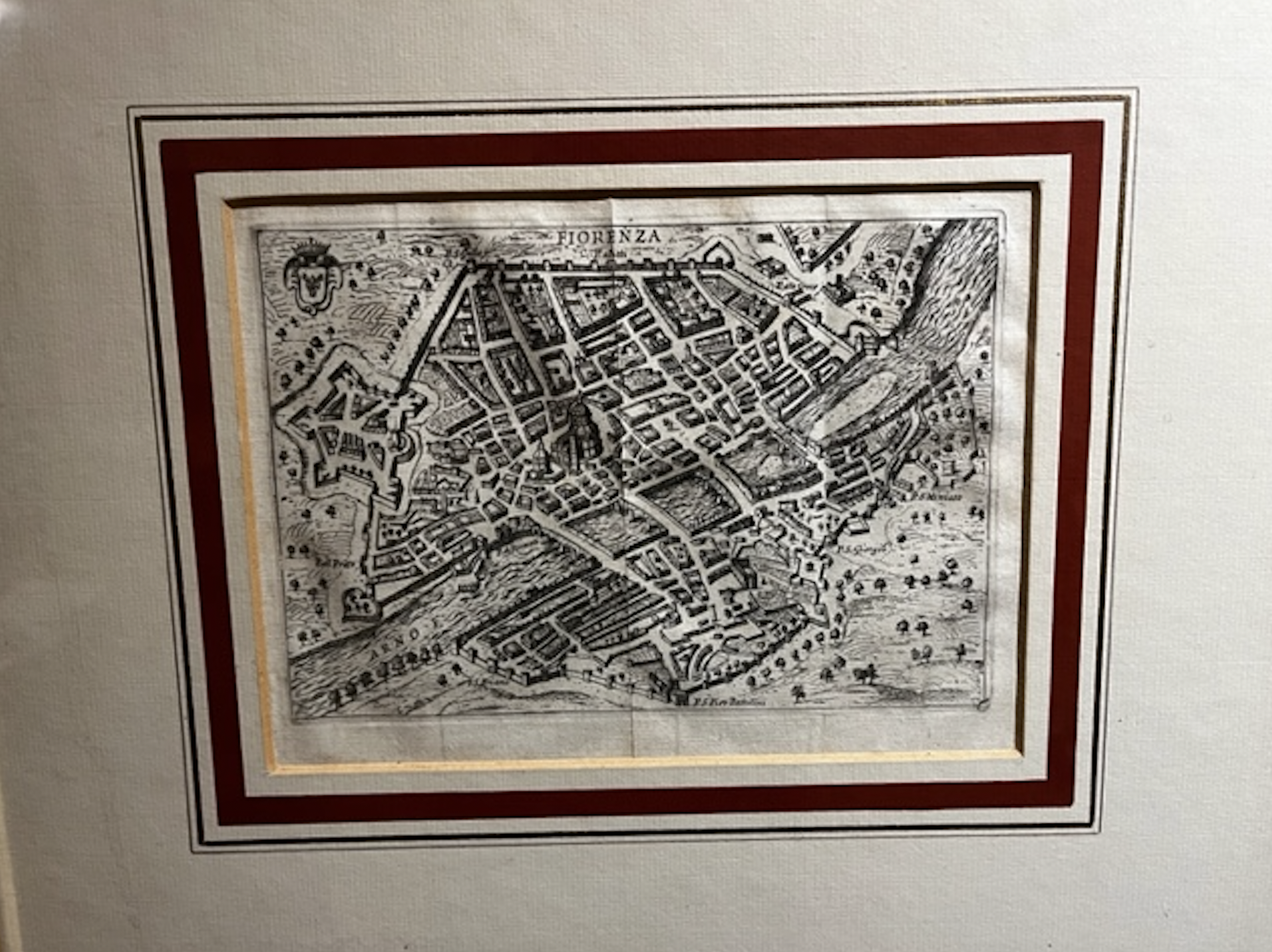
Check out this map that hangs in the home of Finish Liner Eric S.
- "My wife and I wandered into an antique store near the Duomo in Florence. We saw the map of Florence and asked the owner about it — he said it was printed in 1645."
- 'We love it and the memories it always inspires of our first trip to Italy together."
Many thanks to today's Finish Line copy editor, Patricia Guadalupe.
Sign up for Axios Finish Line

Axios Finish Line