Axios Finish Line

June 09, 2026



Good evening!
- Smart Brevity™ count: 471 words … 2 mins. Copy edited by Amy Stern.
1 big thing: Thinking is a muscle
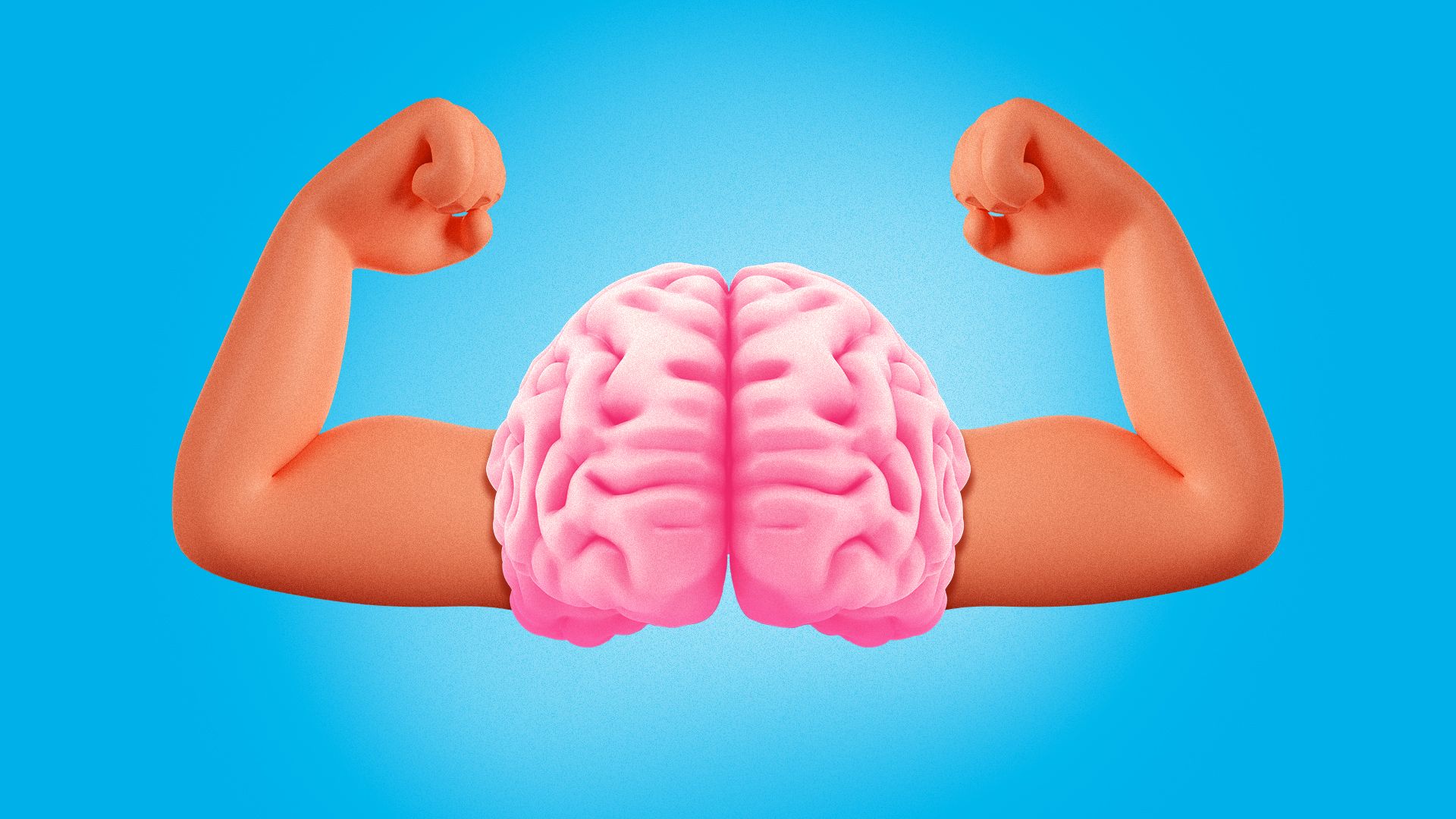
Over time, Americans have transformed how they treat their bodies. Now, one prominent thinker says it's time to do the same for our minds, Axios' Natalie Daher writes.
- Cal Newport — professor and author of bestsellers "Deep Work" (2016) and "Slow Productivity (2024) — has long argued that how we relate to technology is reshaping who we are.
- His latest warning is more urgent: Our capacity for deep thought is eroding, with consequences that are economic, cultural and personal.
Why it matters: Stop viewing distraction as inevitable and start treating thinking as something worth defending.
- "I'm done ceding my brain," Newport says. "It's time… to actually do something about it."
⚠️ Newport wrote recently on his blog: Letting AI write and speak on our behalf — or serve as a substitute for real human connection — "feels profane."
- He's even more blunt in a recent New York Times essay: "Today I think we're rapidly losing the ability to think deeply at all, regardless of how much space we can find in our schedules for these efforts."
🍔 Newport's argument: We should treat technology the way we learned to treat food.
- Thinking, Newport argues, isn't optional. It's foundational to everything from economic output to moral clarity.
- The habit "is what lets us make sense of information in a complicated world."
❤️🩹 Case in point: President Dwight D. Eisenhower's 1955 heart attack became a national wake-up call that helped change how Americans think about health.
- Cardiologist Paul Dudley White, brought in as an outside consultant, used the moment to educate the public. White helped demystify heart disease and showed Americans they could lower their risk by changing their diets and embracing exercise.
🌽 Newport sees a similar reckoning ahead for our minds. Much of what fills our feeds is engineered for compulsion, not value, he says. "What is a TikTok video if not a digital Dorito?"
- His prescription: "Most people should avoid these diversions most of the time."
Reality check: That doesn't mean abandoning technology. It means redefining how we use it and what we protect.
🧠 Take back your brain!
- Read regularly to rebuild what Newport calls "deep reading processes."
- Turn your phone ringer on. You can put down the phone and respond when someone actually needs you, rather than doomscrolling.
- Use AI selectively, not to avoid hard thinking, but to support it.
🔭 Zoom out: The bigger idea is collective, not individual. Just as diet and exercise became social norms through institutions, policy and culture, Newport sees a similar shift coming for attention and cognition.
- "The key to this transformation is action," he writes — not tweaks or hacks, but a broader reset in how we value focus.
2. 🛏️ Parting shot: Tulip beds

Gayle Brooke of Lake Odessa, Mich., sent these beauties our way.
🏁 Please invite your friends to join Finish Line.
Sign up for Axios Finish Line