
Axios Denver

June 24, 2023
Hello, Saturday! We have two special weekend editions for you.
🏘 Today's newsletter is dedicated to first-time homebuyers. (In this economy? Bless their hearts.)
Today's newsletter is 872 words — a 3.5-minute read.
1 big thing: A tough market for first-time buyers

Illustration: Maura Losch/Axios
Navigating Denver's housing market, especially as a first-timer, isn't easy.
By the numbers: The share of first-time buyers in the U.S. has reached record lows — dropping from 34% to 26% from 2021 to 2022 — as inventory and affordability issues persist, per a report from the National Association of Realtors (NAR).
State of play: Home prices are cooling in Denver, but mortgage rates have forced some would-be buyers to the sidelines.
- If you buy a $500,000 house with 3% down, your monthly payment on a 30-year fixed-rate loan with 3% interest would be $2,986, per Freddie Mac.
- With 7% interest, it would be $4,168.
Yes, but: This summer is friendlier for Denver buyers than last. At the $600,000 price point, Denver-based real estate agent Libby Levinson saw eight to 10 offers last year. Now there are typically one to three, she says.
- So if buyers can afford monthly payments, the lack of competition gives them room to negotiate on the price.
The intrigue: If you decide you want to buy, you can work with a mortgage lender to determine how much you can afford and get pre-approved, Levinson says.
- For a $600,000 house, buyers need around $46,000 in cash. That includes 3.5% down, $5,000 in closing costs, $500-$900 for an inspection and $600-$1,100 for an appraisal, Levinson says.
- She recommends having another 3% for furniture or any updates you want to make once you're in the house.
Zoom out: First-timers also are waiting longer to buy. The median first-time buyer age jumped from 33 to 36 from 2021 to 2022, per the report.
- Saving enough for a down payment is the largest barrier to entry, says Brandi Snowden, a NAR director.
- Many would-be buyers are saddled with debt, including student loans, car loans and credit card debt.
Bottom line: The right time to buy is when it's right for you.
2. Mapped: Time it takes to save for a house, by state
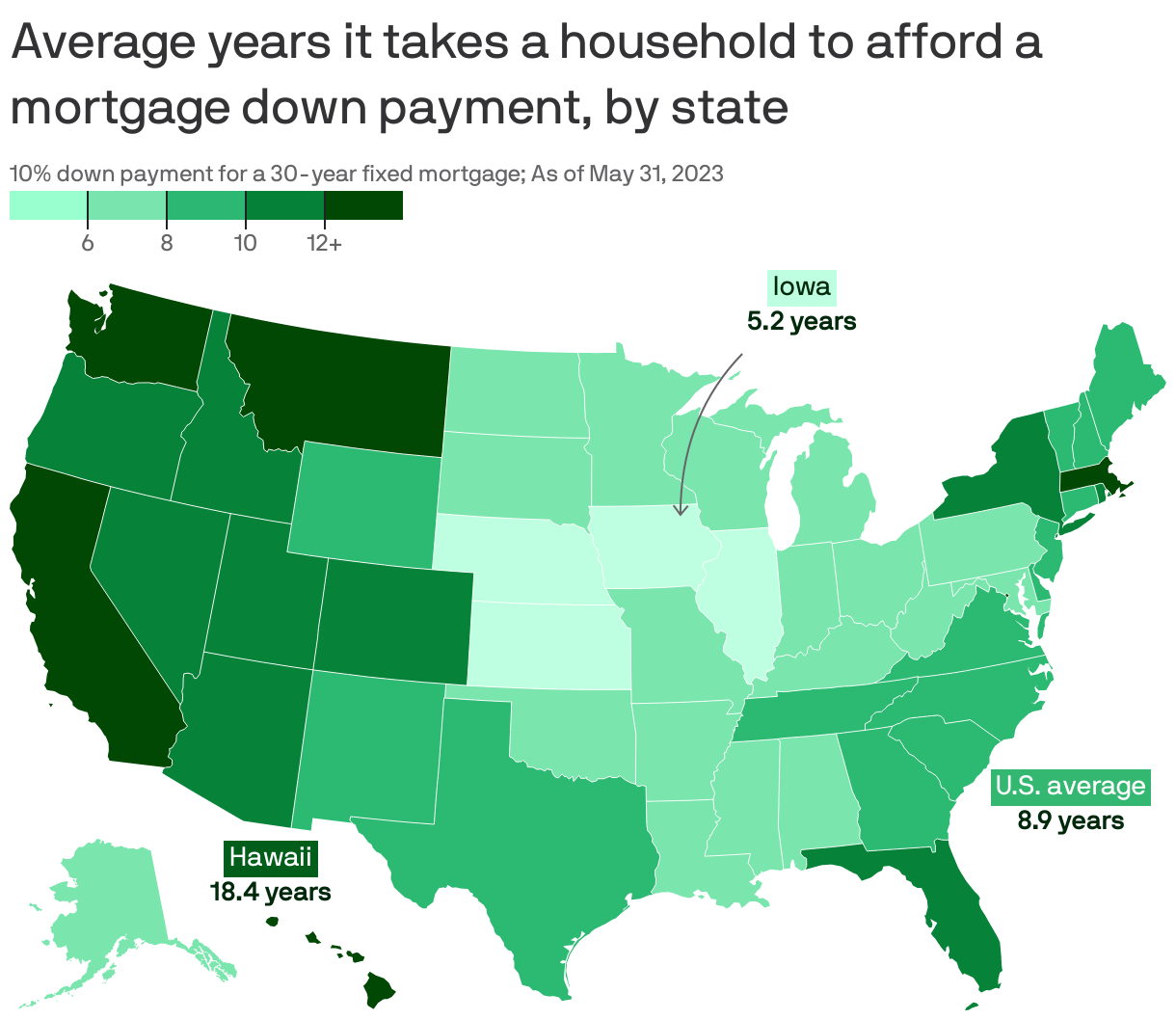
It'll take Colorado buyers 11.7 years to save up for a 10% down payment on the typical home, Zillow data shows.
- That accounts for saving 5% of the median household income every month.
Why it matters: Affordability could be a "major driver of cross-country moves," as buyers seek a lifestyle within their means, Zillow economists say.
By the numbers: In the Denver metro area, the length of time grows to 12.5 years.
- The U.S. average is 8.9 years, with states like Iowa as low as 5.2 years and Hawaii as high as 18.4.
The intrigue: In April, 30% of Denver home sales were made in cash, as the share of U.S. cash buyers reached a nine-year high, new Redfin data shows.
3. Starter homes: What money buys around Denver
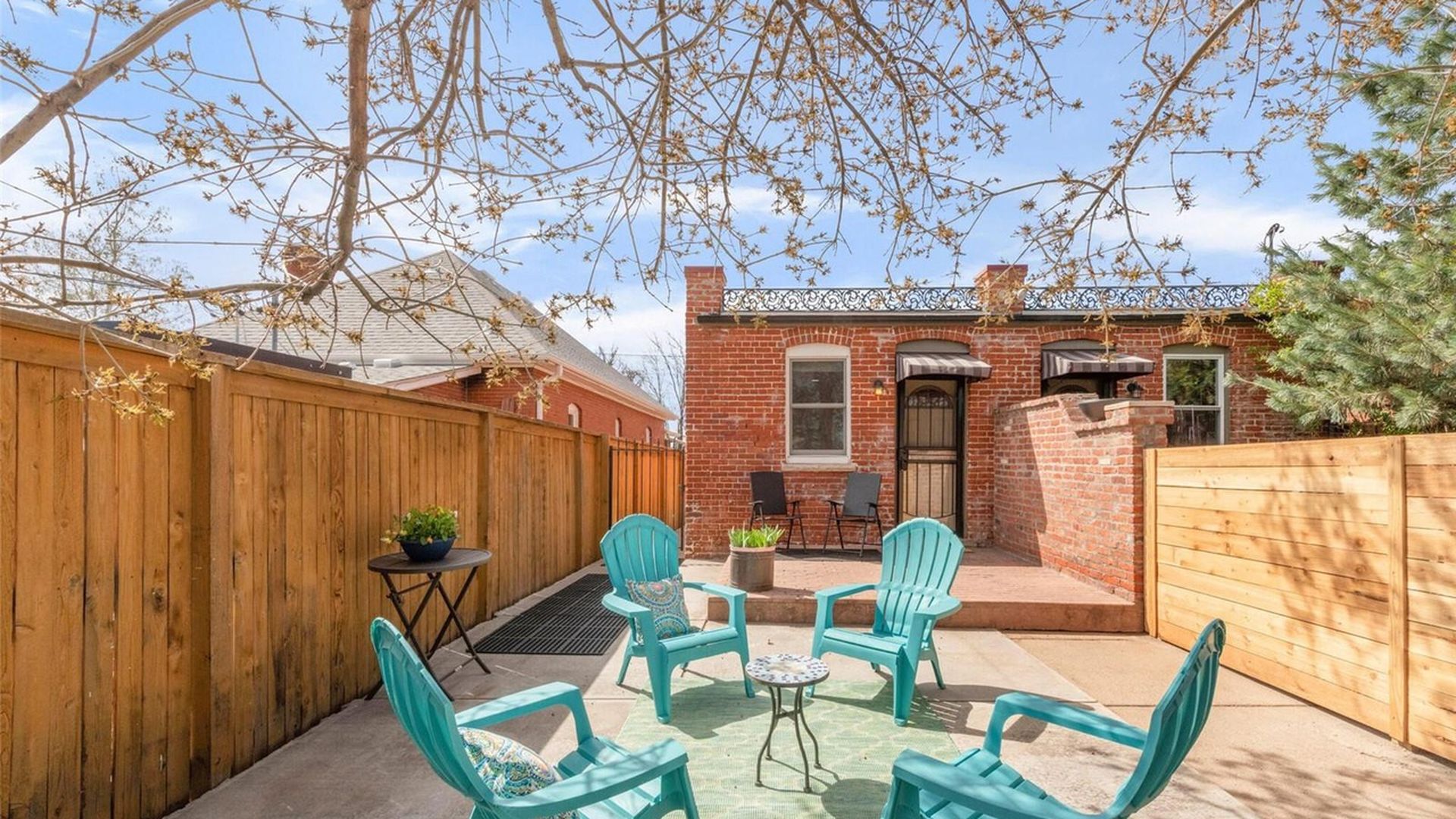
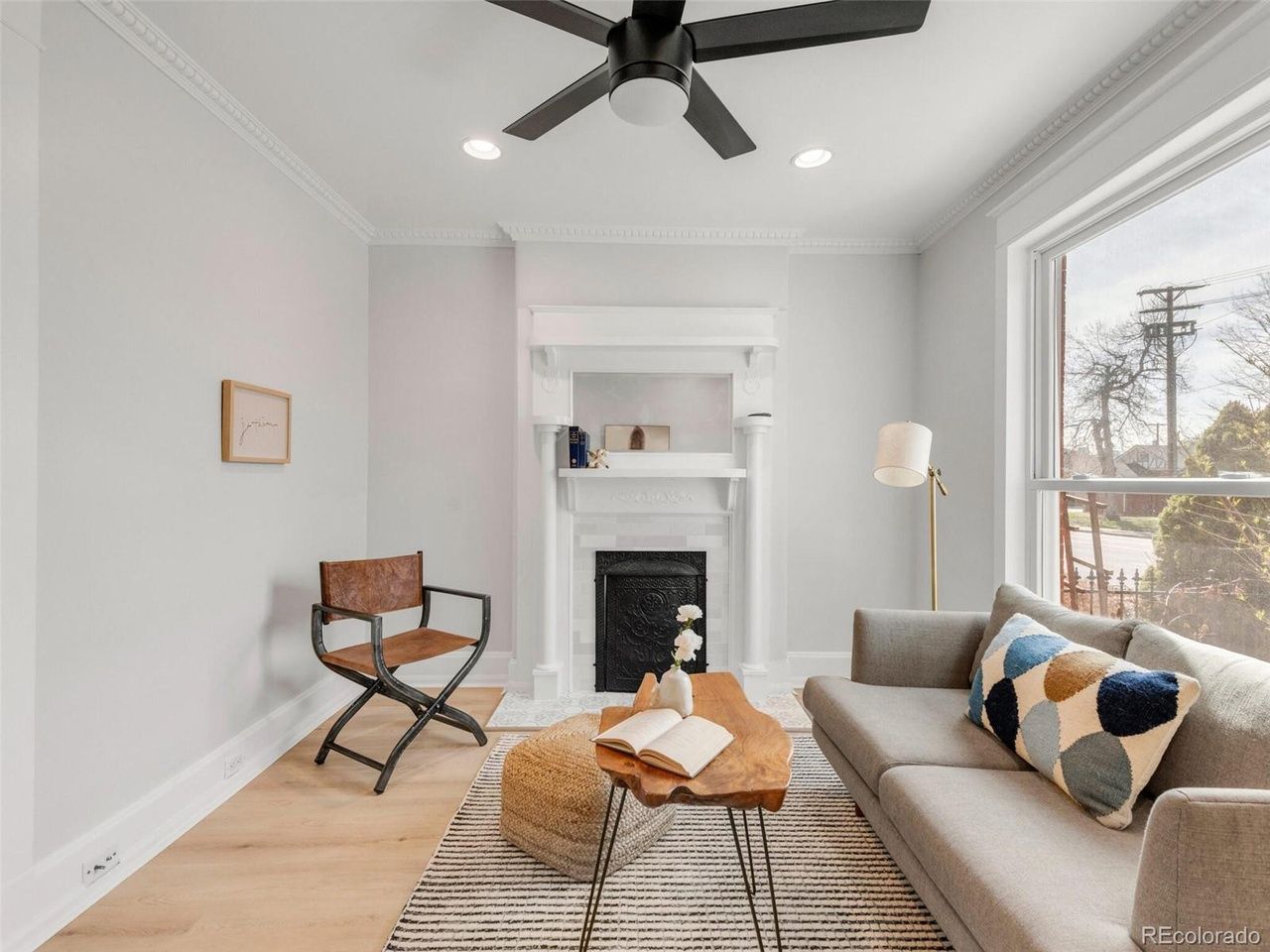
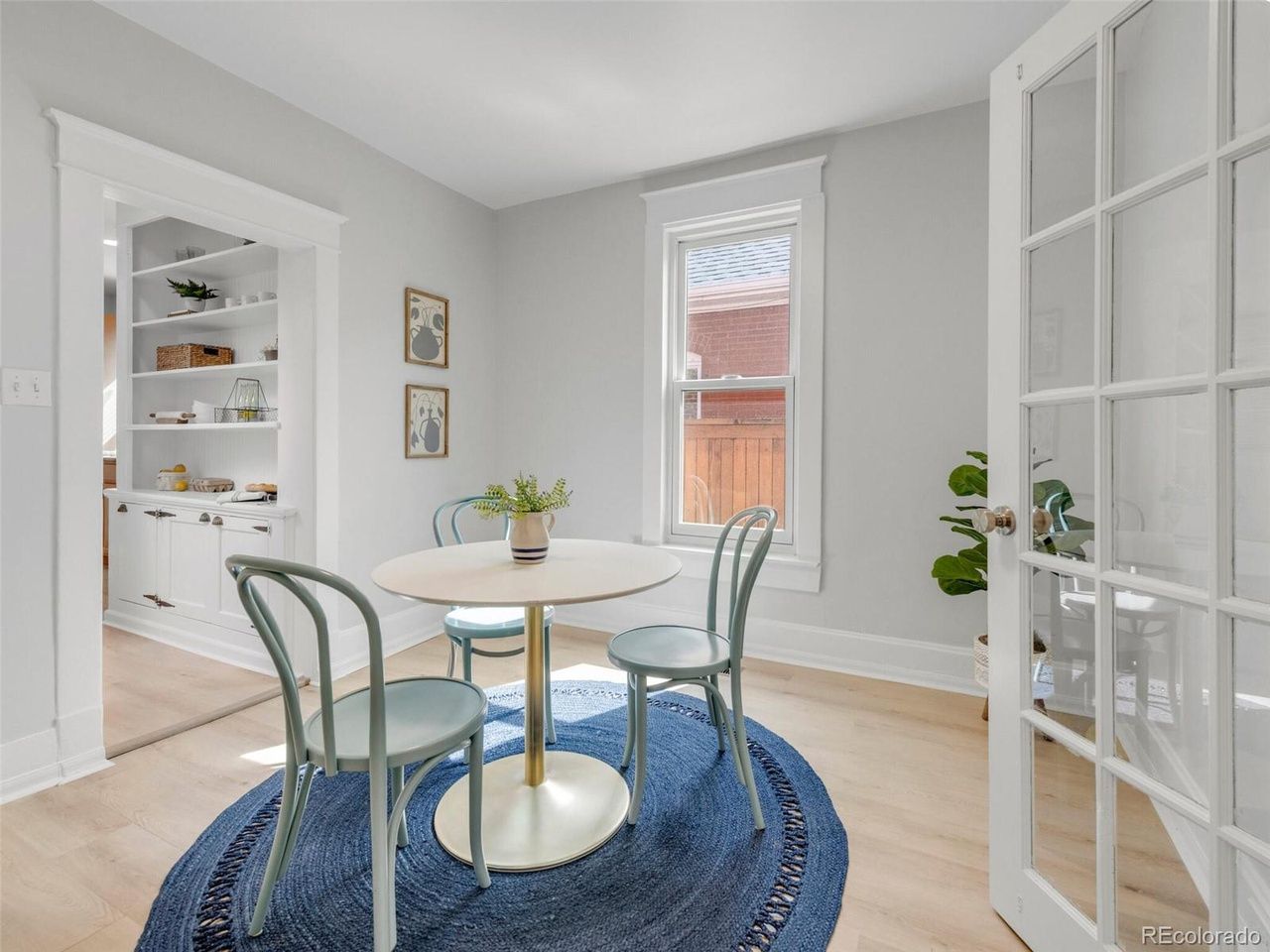
3069 W. 38th Ave. in Park Hill Photo: Courtesy of listing agent Jessica Jimenez
The median-priced starter home in Denver costs $410,000, per data Redfin shared with Axios. Here's what that budget gets you around the city.
Of note: These are homes that have sold in the last 90 days, close to the median starter home price.
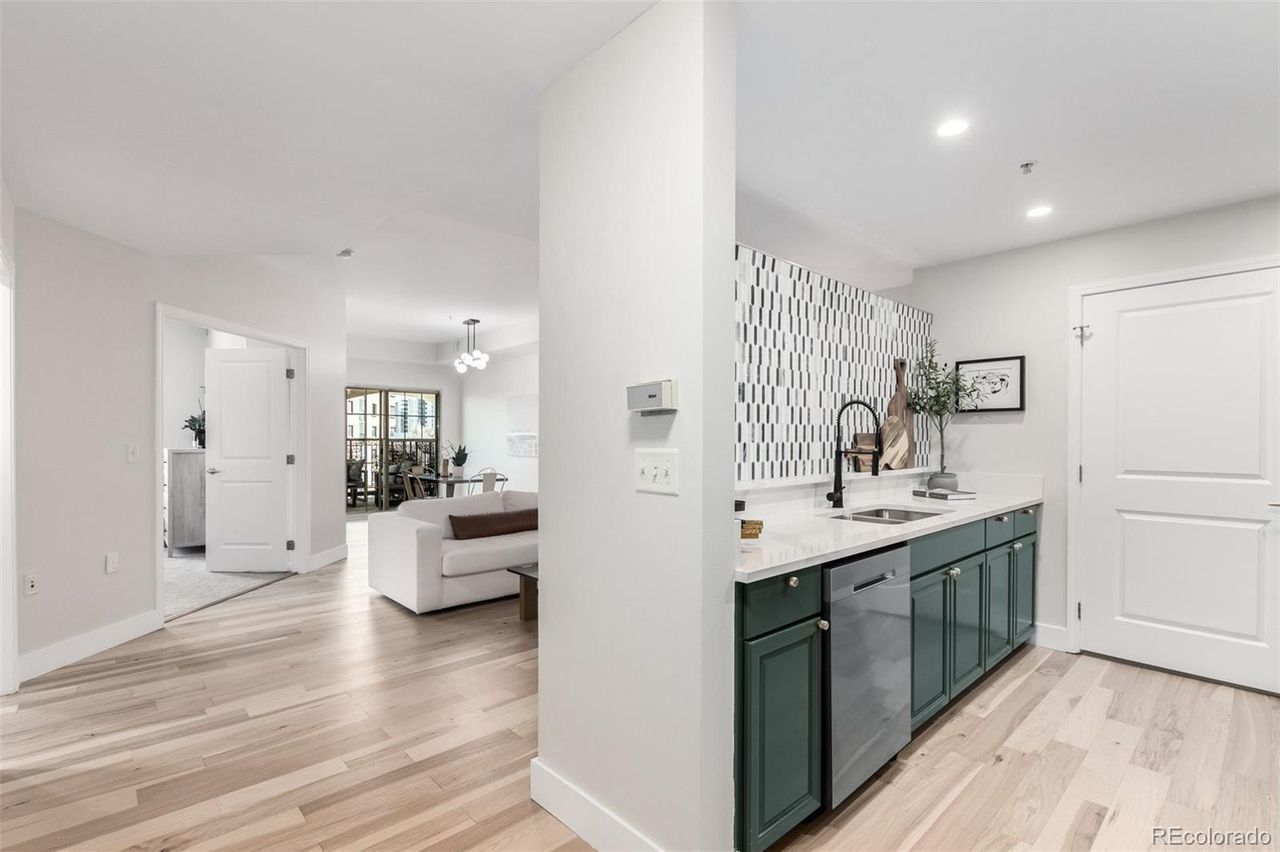
925 N. Lincoln St. Unit 6A-S - $400,000
- Specs: 1 bedroom, 1 bathroom, 813 square feet
- Location: Capitol Hill
- Style: Condo

5010 E. 35th Ave. - $405,000
- Specs: 2 bedrooms, 1 bathroom, 900 square feet
- Location: Park Hill
- Style: Single-family home
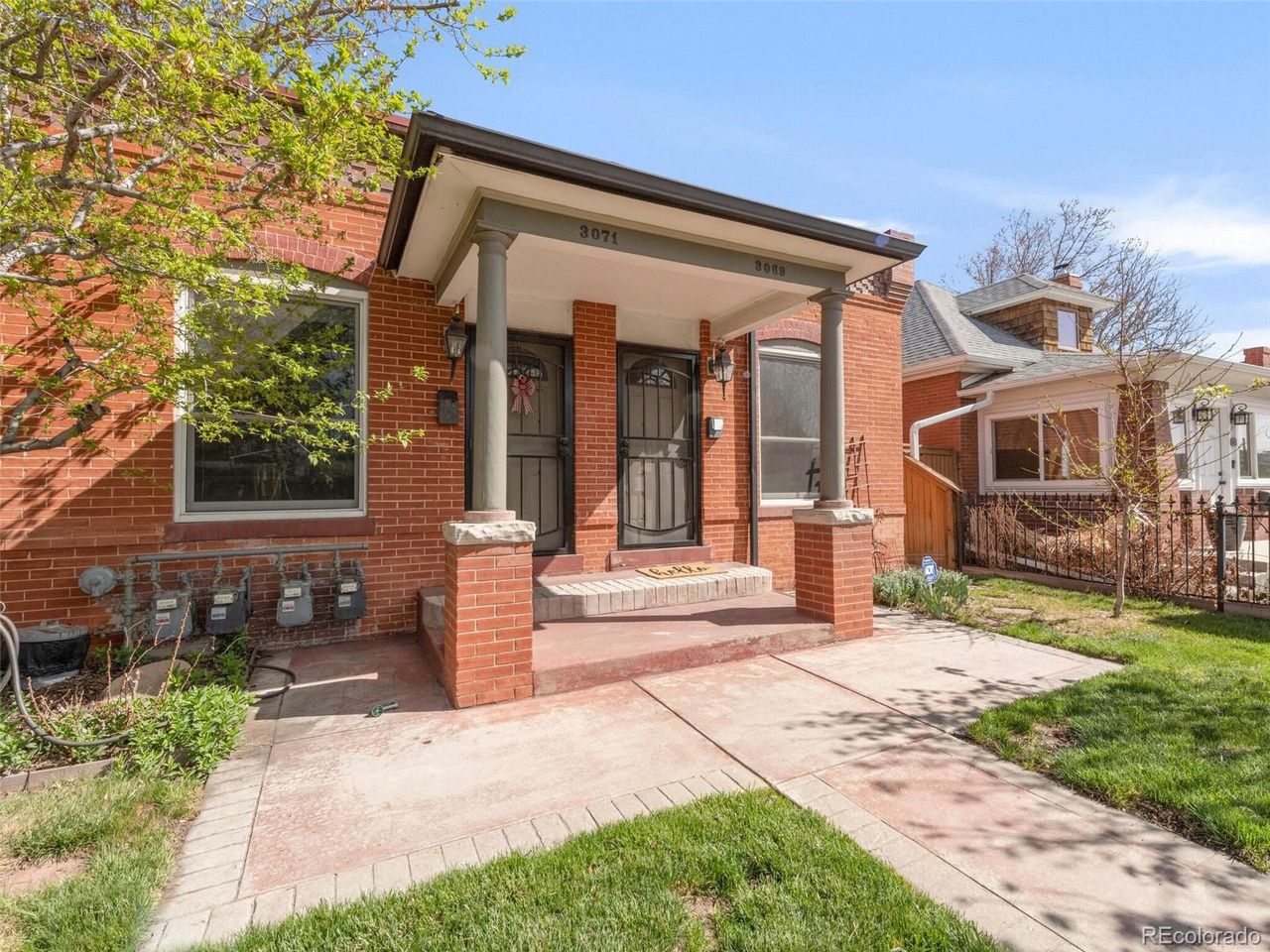
3069 W. 38th Ave. - $415,000
- Specs: 1 bedroom, 1 bathroom, 1,139 square feet
- Location: Berkeley
- Style: Townhouse
4. Your homebuyer glossary

Illustration: Allie Carl/Axios
Real estate jargon can be confusing.
Yes, but: It shouldn’t be. We spoke with Clare Trapasso at Realtor.com to define some common terms to know.
Appraisal: Ordered by your lender, an appraiser evaluates what your home is worth. That amount is ultimately how much the lender will give you.
- If you agree to a $500,000 sales price but the appraiser says the house is worth $400,000, you'll have to come up with the difference. You might be able to renegotiate with the sellers, or you'd have to make up that $100,000 difference in cash.
Due diligence: The period of time you have to get to know the house before closing. This is when you'll get an appraisal and inspection, Levinson said.
- In Colorado, buyers can back out of the deal and retain their earnest money if they are within the deadlines provided during due diligence.
- If you terminate outside of the deadlines, the seller can keep your earnest money.
Earnest money: Also called a good faith deposit, this is what the buyer gives the seller before the deal closes. If the buyer backs out, they risk losing this money.
Escrow: This is often an account that holds your earnest money while the sale is pending. If it's held by your mortgage lender, you could use it to pay your taxes and insurance on the house.
Inspection: The inspection is a major buyer safeguard that assesses the safety and stability of the home. If there’s a termite infestation below the floors, an inspection report flags it.
- During the pandemic, buyers waived inspections to get the house. Now that the market is softer, they're back.
Lender: The financial entity that loans you the money for the mortgage to buy a house.
P.M.I.: If you don't put down 20%, Private Mortgage Insurance is tacked onto your mortgage payment. Typically, you'll make that monthly payment until you've reached 20% down.
Pre-approval: A letter from your lender showing you’re good for the money you’re offering.
Our picks:
😬 Bri is getting nervous about her much-delayed wisdom tooth surgery. Send tips, plz.
🌼 Sami is over the moon about her new yellow sneakers.
Thanks to our editor Ashley May and copy editor Bill Kole.
Sign up for Axios Denver

Get smarter, faster on what matters in Denver with Alayna Alvarez, John Frank, and Esteban L. Hernandez.


