Axios Communicators

March 19, 2026

👋🏻 Hi and welcome back!
- Have story ideas, tips or pitches? Email me.
Today's newsletter, edited by Christine Wang and copy edited by Kathie Bozanich, is 1,708 words, 6.5 minutes.
1 big thing: Founders emphasize storytelling at SXSW

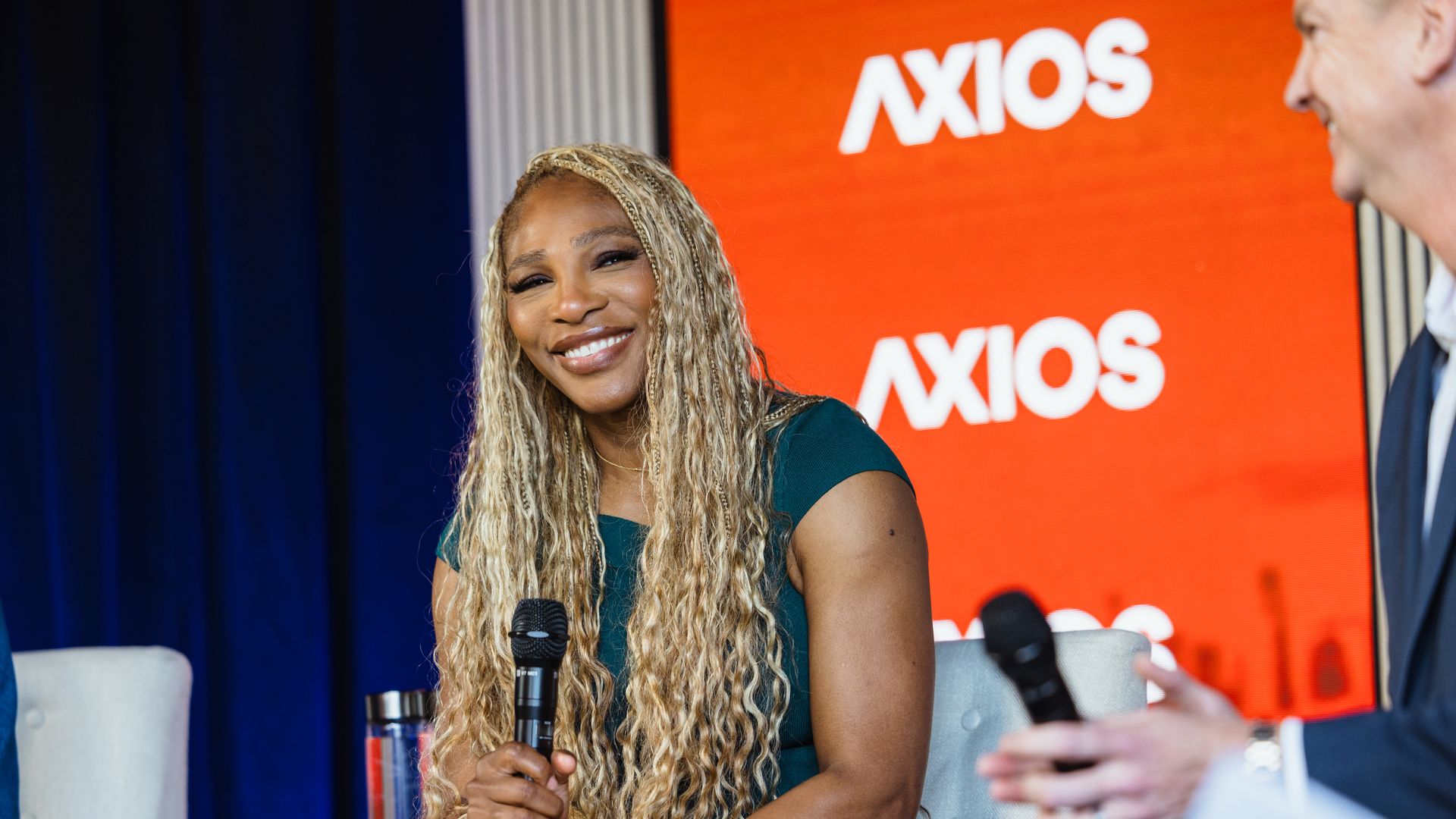
Reckitt Catalyst entrepreneur-in-residence Serena Williams told founders at Axios House during SXSW that one of the toughest hurdles for early-stage entrepreneurs is learning how to sell themselves.
Why it matters: You could have the best idea, product and strategy, but if you can't communicate it effectively, you're unlikely to attract the talent and funding needed to be successful.
What they're saying: The former tennis star says underinvested entrepreneurs — who are frequently people of color and women — are passionate, problem-solvers, but they need mentors to help them with storytelling.
- "My mentor actually told me I needed to be a better storyteller," Williams told Axios' Sara Fischer, noting that advice changed her trajectory in business.
- She said she's believed and invested in founders who ultimately couldn't raise money because they were poor storytellers.
- "They had probably some of the best products I've seen, but they never were able to raise money, because they weren't able to kind of get that idea across to other people to believe in them, because they just were just dry, for lack of a better word."
- "If you can't tell a story, you can have someone else do it that's also passionate about it. Or else, it's very difficult to invest in that founder, because you still want to get your money back."
Zoom in: Goodles CEO Jen Zeszut also emphasized how storytelling and community building have been a competitive advantage for the mac and cheese company.
- "Our competitors have way more money than us," Zeszut said on the Axios House stage at SXSW. "We are self-funded. ... We can't out-coupon them, out-slotting fee them or book cuter kids for our commercials. We can't afford a commercial. So we had to do something different."
- "We decided to create mac and cheese that was more targeted to young adults and to try to out-weird them and be more authentic in all of our marketing and the way that we show up in the world."
The big picture: Founders and CEOs are taking a more hands-on approach to communications.
- Mentions of "storytelling," "narrative" and "storyteller" in corporate earnings and investor calls have increased 65% since 2020, according to AlphaSense data shared with Axios.
- In a recent interview on "The Axios Show," Anduril founder Palmer Luckey explained how his antics on X are meant to lure very specific talent. An enterprise buyer "is not the one who's checking out the hot takes, but for recruiting, it's helpful," he said.
- "By being out there and having a position, for example, on who should have the final call on how to use autonomous weapons or being out there and having an opinion on what good manufacturing looks like, we are attracting the right people and I think repelling the wrong people, and that's our company."
- "Our company probably wouldn't have gotten a lot of our best talent if we weren't out there in that way."
Yes, but: Williams also said she always needs a founder's story to be "genuine" and "authentic."
- "I want to make sure that there is some sort of connection between them and the problem that they're solving," she said, adding that founders can rely on the lived experiences of their friends and family to fuel their storytelling.
What to watch: The percentage of U.S. LinkedIn job postings including "storyteller" doubled last year, per the Wall Street Journal.
- In the age of artificial intelligence slop, the need for those who can craft smart narratives that break through is at a premium.
2. Hollywood reframes AI as infrastructure, not replacement
Hollywood is investing heavily in AI, positioning it as infrastructure, not as a replacement for creators.
Why it matters: Like most industries, those in entertainment have moved from resistance to experimentation, and now selective adoption.
State of play: Streamers like Netflix, Peacock and Prime Video are actively building AI into production and the viewer experience.
- Netflix recently announced a deal to acquire Ben Affleck's startup, which uses AI to support post-production, while Peacock rolled out a new AI avatar of TV personality Andy Cohen to help viewers discover content in its app.
- Plus, high-profile creatives and directors are starting to lighten their negative rhetoric around AI.
- "I am not for AI if it replaces a creative individual," said filmmaker Steven Spielberg at SXSW, but he added he sees the value of it "in many disciplines."
Driving the news: Albert Cheng, head of AI Studios at Amazon MGM Studios, has embraced the "creator in the loop" model, in which AI is integrated across production workflows with strict guardrails that humans still make the decisions.
- "AI [use] must be human-centered," Cheng said. "That is a North Star. We had to think through how AI can be applied to each of our workflows, and also make sure that people are driving the creative process."
- "We'll always use human writers, actors, directors, heads of departments, among others. These are all very important. And part of that is the construct of copyright protection. ... In order for us to protect copyright, we need to have human inputs in all parts of the creative process."
Amazon Studios is using AI to map scenes before filming and support post-production effects.
- The result has been faster production and fewer bottlenecks, said Cheng. "You can shoot something and see near-final visuals the same day."
- The time and cost savings reduce the time between show seasons and are being reinvested in creating more content and storytelling, says Cheng.
Zoom out: AI is also reshaping how films and shows are distributed and consumed.
- At Prime Video, AI is powering personalized recommendations, shorter, AI-generated synopses and accessibility features like dialogue enhancement and audio descriptions.
What to watch: AI could reshape the economics of entertainment and lower the barrier to entry.
- "We can actually fit five movies into what we would typically spend on one," says Cheng. "If anything, I think [AI] can actually increase, improve and expand the possibilities."
- Cheng believes AI studios could be the next wave of entrepreneurship as the tech allows more individuals to "be their own content studio."
What's next: AI has been a critical piece of the ongoing negotiations between SAG-AFTRA and the Alliance of Motion Picture and Television Producers, which began last month.
3. AI CEOs are scaring America


It's a CEO's job to sell their product — not scare people into thinking it'll ruin their lives.
- Tell that to Anthropic's Dario Amodei, OpenAI's Sam Altman and Palantir's Alex Karp, who've delivered bleak warnings about the disruption AI could bring.
Why it matters: Portraying AI as immensely powerful — even dangerous — reinforces the idea that only a few companies can build it safely. That's an effective message for fundraising but a scary pitch to consumers.
The big picture: AI is becoming less popular as the technology improves and the midterm elections approach.
- Only 26% of voters view AI positively, making it even less popular than ICE, according to an NBC News Poll of 1,000 voters.
- Privately, several AI CEOs tell Axios they're nervous an anti-AI wave could hit hard enough to power a "ban AI" movement heading into the 2028 presidential election.
- But they feel lost and divided on how to deliver a more uplifting message until AI does something beyond coding for engineers or creating agents that seem destined to take human jobs.
State of play: "They're scaring the bejeezus out of the public," White House AI czar David Sacks said on the "All-In Podcast," referring to recent comments from AI CEOs, including:
- Anthropic's Amodei has warned AI could wipe out huge swaths of white-collar jobs and said he can't rule out that his own product, Claude, may be conscious.
- OpenAI's Altman said AI is unpopular, but it will eventually be treated like a utility people will pay for — a tough sell amid a consumer affordability crisis.
- Palantir's Karp warned on CNBC of AI's extreme societal disruption — a negative impact on "the economic and therefore political power" of "highly educated, often female voters, who vote mostly Democrat," while boosting vocationally trained, working-class people (often men).
Zoom in: What looks like a bad sales pitch to consumers could help win over investors and big-business customers.
- "It's part fundraising, it's part justifying their existence, it's part audience engagement, it's probably a little part ego too," Steve Dowling, former tech executive and co-host of the "Communication Breakdown" podcast, said on a Mixing Board, powered by Axios call.
Zoom out: The AI-fear narrative is largely a U.S. phenomenon.
- A 2025 Stanford report found that developing countries have more trust in AI, with over 80% of those in China holding optimistic views of AI compared with only 39% of Americans.
- Nvidia CEO Jensen Huang has said this gap in trust is contributing to an innovation gap that China is winning.
Between the lines: Some executives argue the warnings reflect genuine concern about AI's societal impact, Paul Keary, CEO of Teneo, an executive consultancy firm, told Axios.
- He added the U.S. is slow on regulation while high on "intellectual honesty" from CEOs, which could offset the lack of government guardrails without slowing corporate growth.
- That approach could backfire if all the doomsday talk encourages voters to push for AI regulation.
The bottom line: The CEOs selling AI are great with one audience, but the broader public may eventually hesitate to buy a technology they've been told to fear.
4. 🧮 1 industry stat


72% of communication professionals say that their roles will require entirely new skill sets by 2030, according to a new report by Zeno Group.
- Unsurprisingly, the most opportunities for upskilling is across AI and tech innovation.
5. 💭 1 quote to go
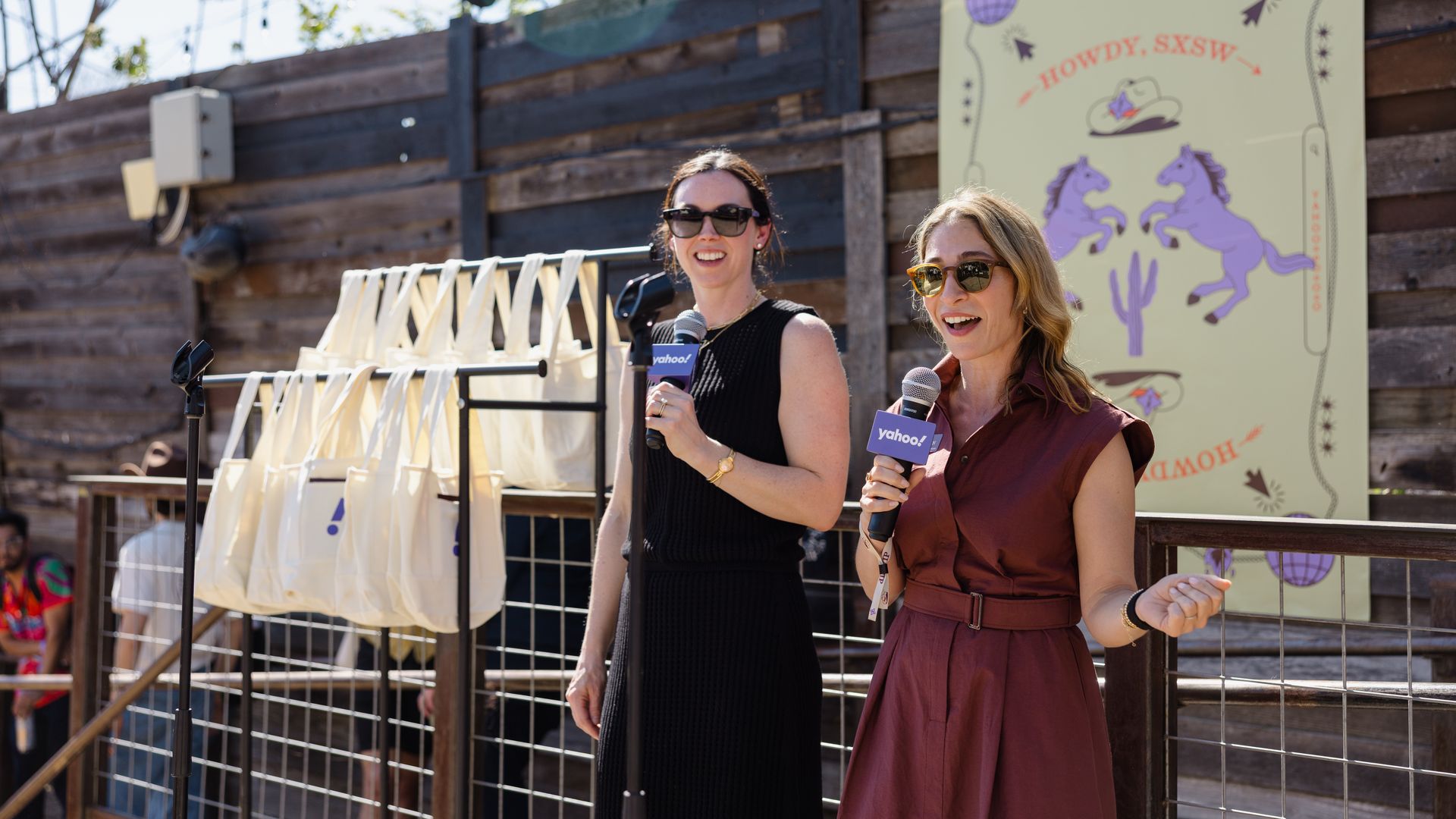
"AI is the acronym on everyone's lips, and yet the most valuable thing I'm seeing at SXSW is people showing up in person, making real connections. IRL has never mattered more. Connection, creativity and humanity are at an all-time premium right now, and storytelling has become a central strategic pillar across every company. I love seeing communicators not just tell the story, but architect the content behind the story itself."— Sona Iliffe-Moon, Yahoo chief communications officer, at a recent SXSW communicators event
✅ Thanks for reading! For more, apply to join Mixing Board, powered by Axios.
Sign up for Axios Communicators