Axios Closer

June 10, 2026

Wednesday ✅.
Today's newsletter is 793 words, a 3-minute read.
📉 The dashboard: The S&P 500 closed down 1.6%.
- Chipmaker stocks took another tumble, and oil prices jumped on renewed threats in the Iran war.
🥶 Today's stock spotlight: Oracle shares were down 6% in extended trading after the company reported higher than expected spending on data centers.
1 big thing: Game (almost) on
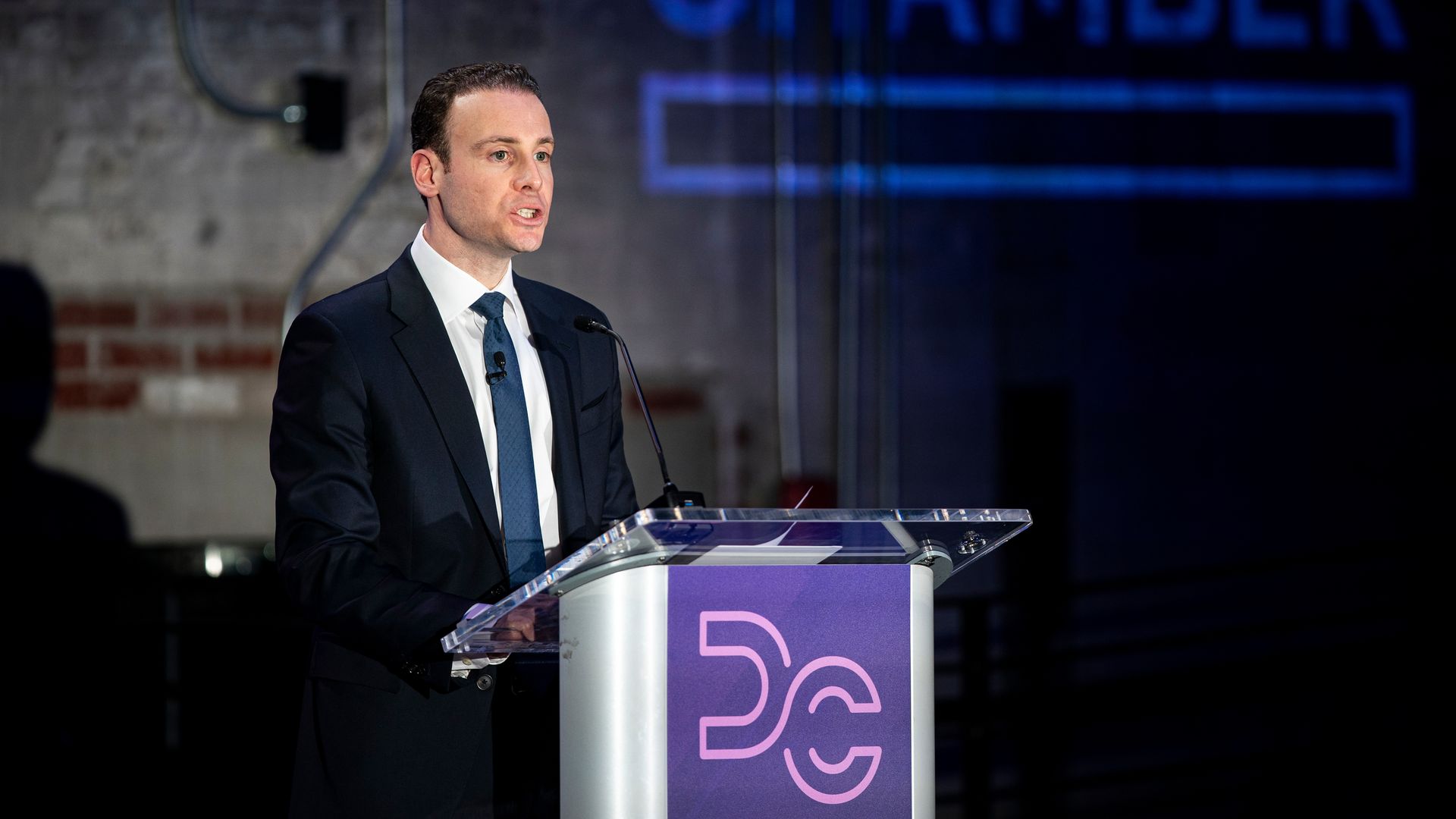
The CFTC today moved to formalize rules allowing prediction markets to offer the equivalent of sports betting nationwide — with some specific types of trades disallowed.
Why it matters: Platforms like Kalshi and Polymarket have been surging in popularity, allowing users to risk money on sports, politics, news, financial markets and entertainment.
Driving the news: The commission released a 267-page notice of proposed rulemaking, signaling that it will allow sports event contracts.
- That would include "final scores, point differentials, win-loss results, tournament advancement, individual or team statistical performance or season long performance metrics."
It would disallow trades on a "specific play called for or executed by a specific player or team," such as a single pitch in baseball, a single shot in hockey or a single foul in basketball.
- Trades on casino-style games involving entirely chance — like roulette — would not be allowed. But it might allow trades on games involving chance that "can also be significantly affected" by the participant's skill — "like poker" tournaments, according to the notice.
The other side: The American Gaming Association — which represents the casino industry — argues that prediction markets offer gambling "outside the state and tribal regulatory frameworks that protect consumers."
- Mick Mulvaney, executive director of Gambling is Not Investing, a group that is opposing sports event contracts, said in a statement that the CFTC has no rightful role as "a national gaming regulator."
What we're watching: Many experts expect the dispute over the regulation of prediction markets to eventually be decided by the Supreme Court.
What's next: The CFTC will accept comments for 90 days before finalizing the rules.
2. Amazon causes a freight
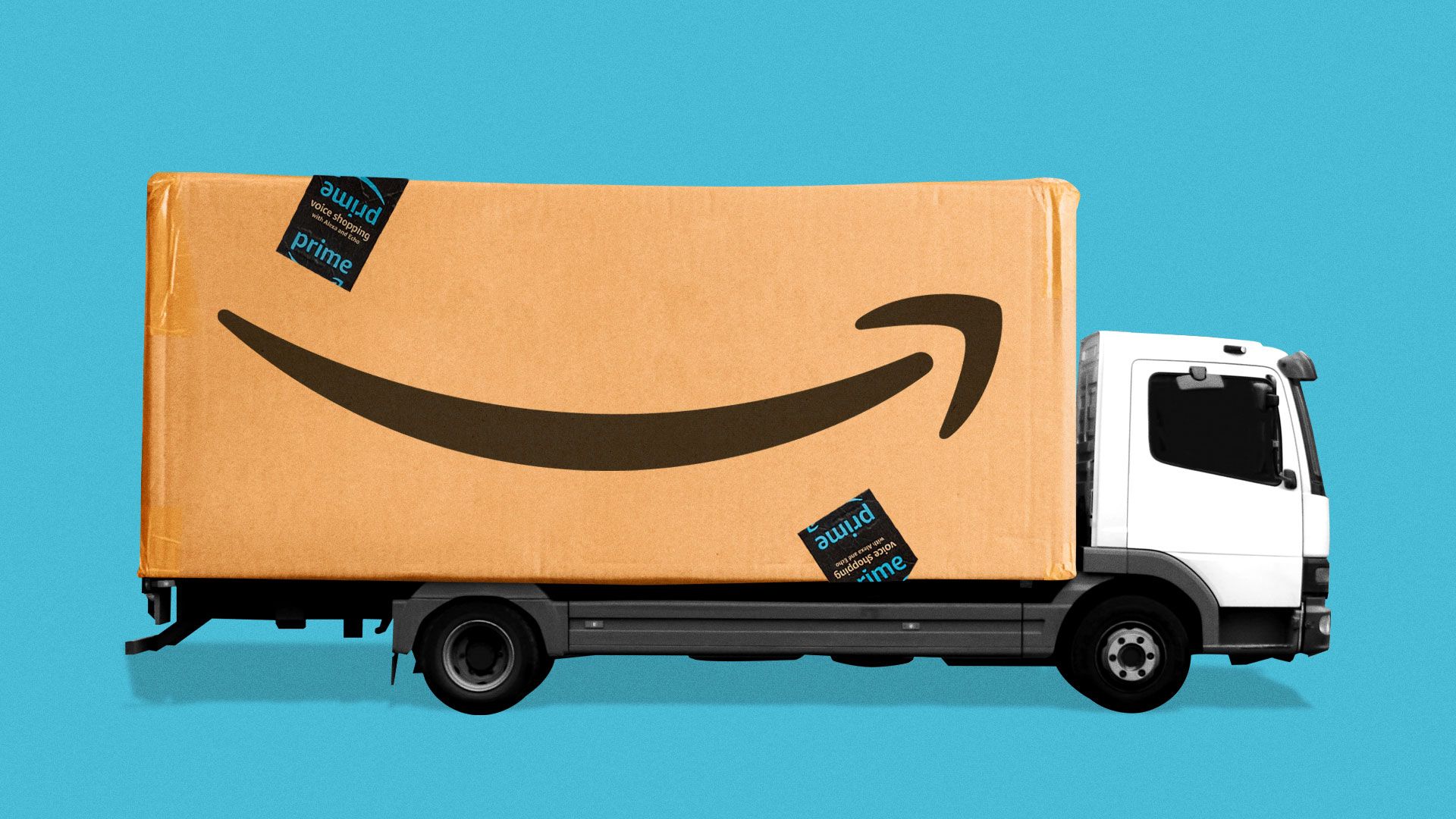
Freight carrier stocks hit the skids today after Amazon said it was expanding its own less-than-truckload freight offering.
📉 The impact: LTL operators XPO and Old Dominion both fell 5%, while FedEx Freight closed down 7%.
- LTL carriers move pallets from multiple customers on a single truck.
Catch up quick: Amazon expanded its supply chain services unit last month to serve external customers beyond its selling partners.
- It's now doing the same with LTL, boasting a network supported by 80,000 trailers, 24,000 intermodal containers, and terminals across major U.S. metropolitan areas.
What we're watching: Amazon's service is more of a freight brokerage than a trucking company — a key detail that investors seem to have missed, Axios' Colin Campbell writes for Axios Pro.
- LTL carriers move pallets for customers in trailers they own. Brokers connect customers to truckers but don't own the trucks or terminal facilities.
- "It's a brokerage play," says Curtis Garrett, who runs Understand LTL. "They're not threatening any of what the core LTL carriers have as their moat."
Zoom in: Freight broker C.H. Robinson closed down 3.5% too.
If you need smart, quick intel on dealmaking, get Axios Pro Deals.
3. Other happenings
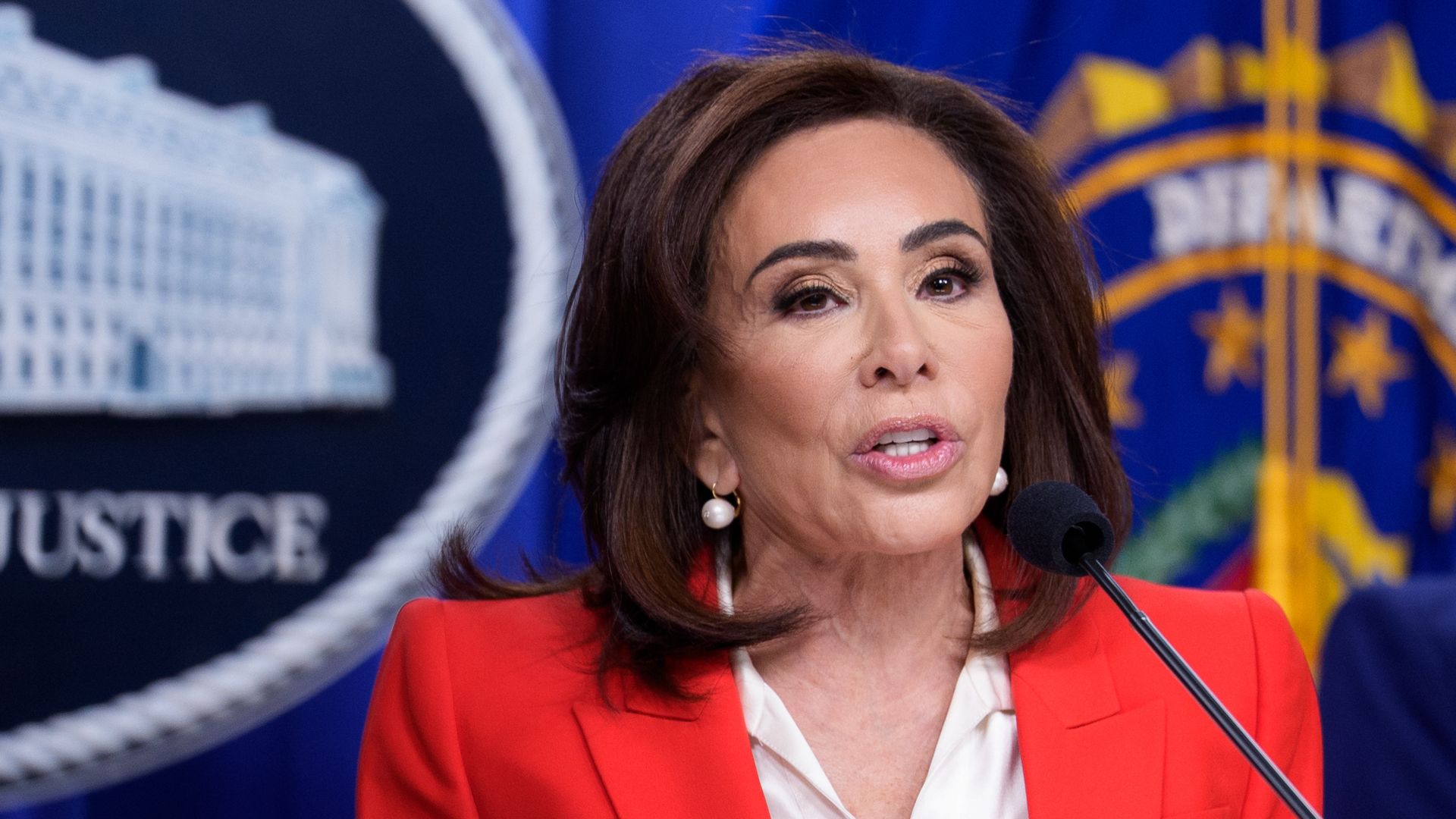
🔍 The DOJ has reportedly sent "far-ranging" subpoenas to several large U.S. banks, including JPMorgan Chase and Bank of America, requesting information about whether they improperly "debanked" clients. (WSJ)
⚖️ Meta and Google's motions for a new trial in their social media liability case was denied by a California state court judge. (Reuters)
4. 💳 Powering AI agents

Visa is teaming up with OpenAI to give AI agents a way to tap your credit card, Axios' Madison Mills writes.
- And Mastercard launched its own agentic payments infrastructure, Agent Pay for Machines — meant to support "programmatic, always-on" transactions.
The big picture: Both initiatives provide foundational infrastructure that could bring agentic commerce closer to broader adoption.
🤖 Visa's payments tools are being integrated into OpenAI's agent system so AI agents can eventually complete transactions without users manually checking out every time — subject to spending caps and other user safeguards.
- Visa handles fraud detection, chargebacks and refunds.
- The integration will "allow OpenAI, and then over time other platforms, to build better commerce experiences," Rubail Birwadker, Visa's global head of growth, tells Axios.
Mastercard, meanwhile, is collaborating with more than 30 partners — including Stripe, Anchorage Digital and Checkout.com — to validate priority use cases, establish common rules and accelerate adoption.
- "This is exactly the kind of open, interoperable infrastructure the industry needs to bring agentic commerce to scale," Anchorage Digital CEO Nathan McCauley said in the announcement.
🗓️ On this day in 1971, President Nixon ended the U.S. trade embargo on China as part of a broader strategy of normalizing relations between the countries.
Today's newsletter was edited by Pete Gannon and copy edited by Sheryl Miller.
- Did a friend forward this to you? Sign up here to get Axios Closer in your inbox.
Sign up for Axios Closer