Axios Cleveland

November 04, 2026


🗳️ Happy Wednesday! The results are (mostly) in.
🌧️ Today's weather: Partly sunny then light rain, with a high of 70 and a low of 55.
Today’s newsletter is 1,011 words — a 4-minute read.
1 big thing: Ohio flips back to blue
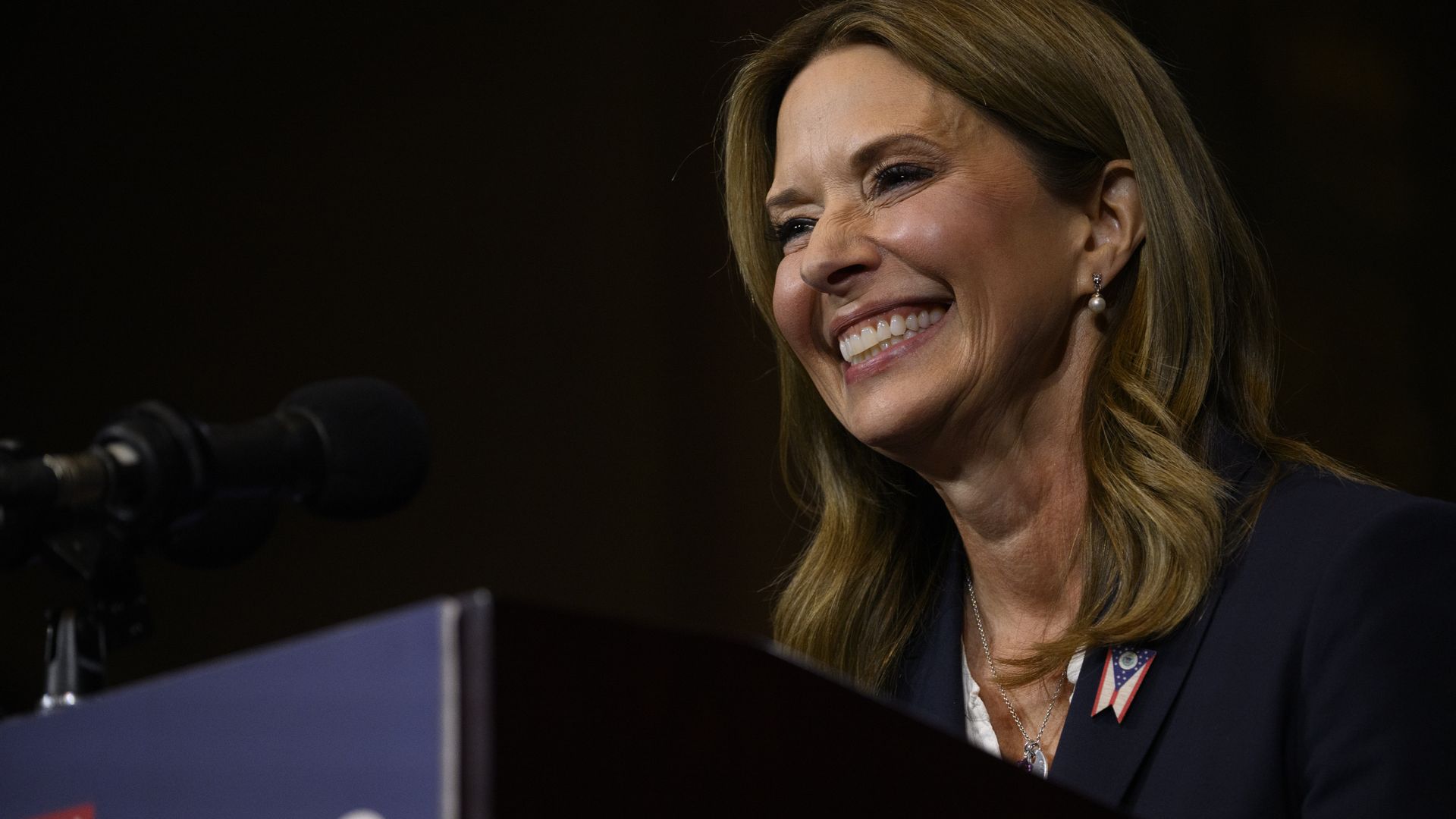
Amy Acton will become the first woman elected as Ohio governor, leading a Democratic sweep of the state's two marquee races.
Why it matters: Acton's win and Sherrod Brown's U.S. Senate victory give Democrats two major gains after years of a rightward shift in the state.
Driving the news: The Associated Press called Acton's victory over biotech entrepreneur Vivek Ramaswamy at around 11pm last night. Acton received approximately 52% of the vote, according to the Ohio Secretary of State's office.
- Acton carried Cuyahoga County with 72%, per the county board of elections.
Context: The result caps off a rapid political ascent for Ohio's former health director, who has never before held elected office.
- Acton's prominence during the COVID-19 pandemic made her a household name — and a frequent target of criticism from conservatives — leading Dems to initially recruit her for the 2022 election cycle.
- She instead waited for this cycle and chose former Ohio Democratic Party chair David Pepper as her lieutenant governor running mate.
Between the lines: Acton overcame a Republican war chest, including $4 million toward a controversial attack ad featuring her estranged mother.
- President Trump, who won Ohio three times, endorsed Ramaswamy and campaigned here several times in recent weeks, to no avail.
Flashback: Lt. Gov. Nancy Hollister briefly served as governor in the late 1990s to fill a vacancy, but was not elected to the seat.
What they're saying: "Tonight, Ohio has chosen unity and decency over division and hate," Acton said in a statement.
- "Ohio is ready for a governor who will fight to lower costs, take on corruption and build a state where everyone gets a fair shot."
What's next: Acton will take office in January facing a Republican-controlled General Assembly, which complicates efforts to deliver on priorities like affordability, public education and health care.
2. Sherrod Brown returns to the Senate


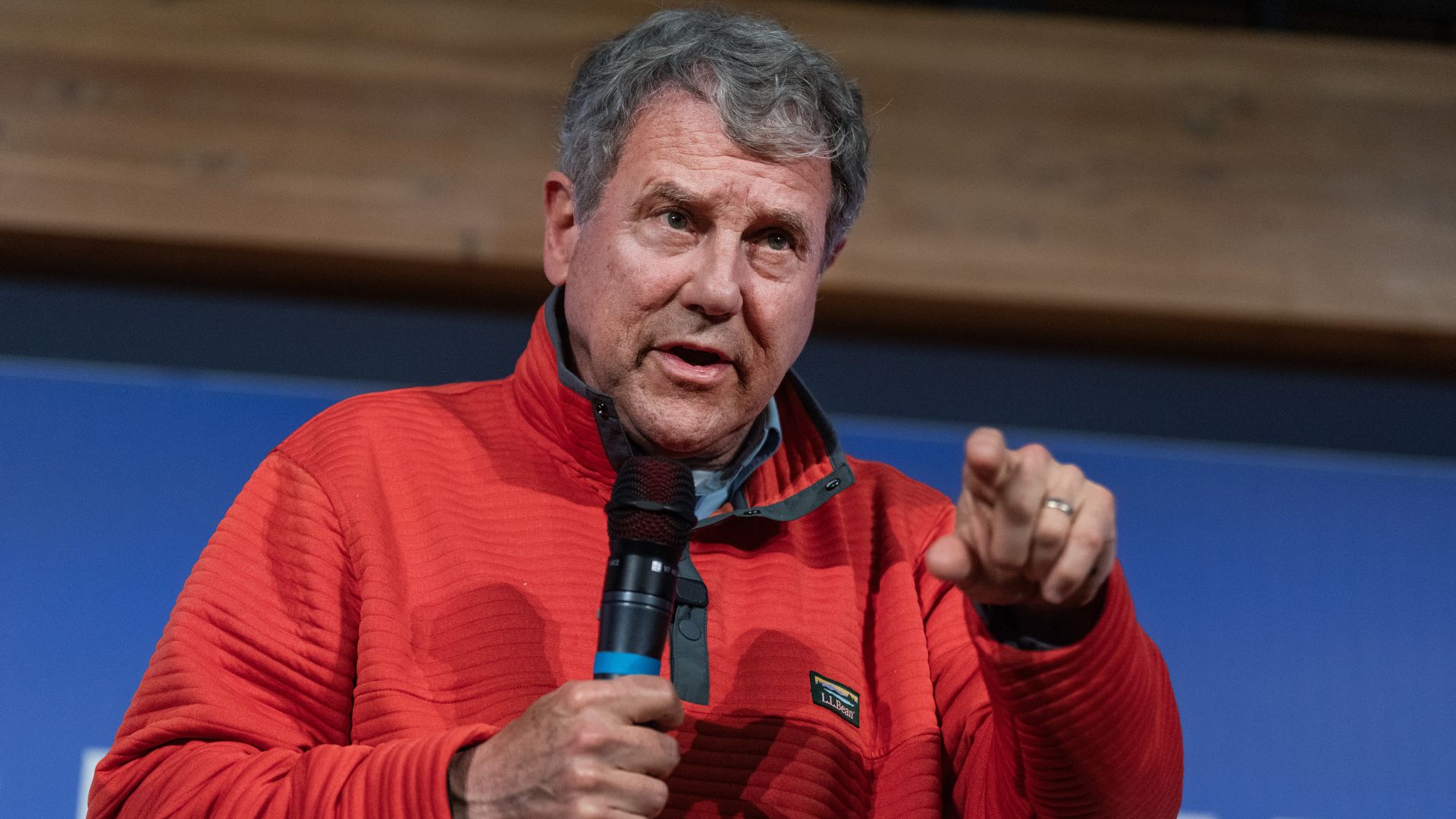
Sherrod Brown's victory signals Ohio may return to presidential swing-state status in 2028.
Why it matters: The former senator overcame President Trump's endorsement of incumbent Sen. Jon Husted in a state Trump carried several times.
By the numbers: The Associated Press called the race for Brown shortly after 11pm last night. Brown received around 50% of the total vote to Husted's 45%, per the Ohio Secretary of State, including around 70% in Cuyahoga County.
- Socialist candidate Greg Levy, on whom a MAGA-aligned PAC spent millions in mailers in an effort to leech away support from Brown, earned about 2% of the vote, less than Libertarian candidate William Redpath (2.8%).
State of play: Brown's victory was part of a massive blue wave nationwide, in which Democrats wrested control of the both the House and the Senate.
Follow the money: Republicans spent upward of $200 million on advertising in the Buckeye State to defend Husted, who was appointed to the seat in 2025 to replace Vice President JD Vance.
- But the cash cascade, unlike last cycle when Sen. Bernie Moreno (R) first ousted Brown, ultimately didn't pay off.
Between the lines: Brown's name recognition as a three-term senator and potent attacks labeling Husted "the face of data centers in Ohio" were a source of heartburn for some Republicans.
What's next: Brown will serve the term's remaining two years, then the seat will be up for election to a full six-year term in 2028.
3. 🗳️ The Terminal: Election roundup

🛠️ Democratic challenger Brian Poindexter toppled incumbent Republican Max Miller in Ohio's 7th Congressional District, amid the latter's cascading domestic scandals. (NYT)
🚫 Across the state, voters overwhelmingly supported charter amendments banning or otherwise restricting the development of data centers in their communities. (Cincinnati Enquirer 🔐)
✏️ A new school levy in Strongsville has passed. Without the levy, big cuts would have been required. (Cuyahoga BOE)
👀 Democrat Courtney Scheff ousted Republican incumbent Michael Gallagher in the County Council District 5 race. (Cuyahoga BOE)
✅ Ohioans approved Issue 3, enshrining voter ID requirements into the state constitution. (WKYC)
📈 Shontel Brown, whose election in the deep blue 11th Congressional District was mostly a formality, secured her third full term in a landslide. (Cleveland.com)
4. County ballot issues on track to pass
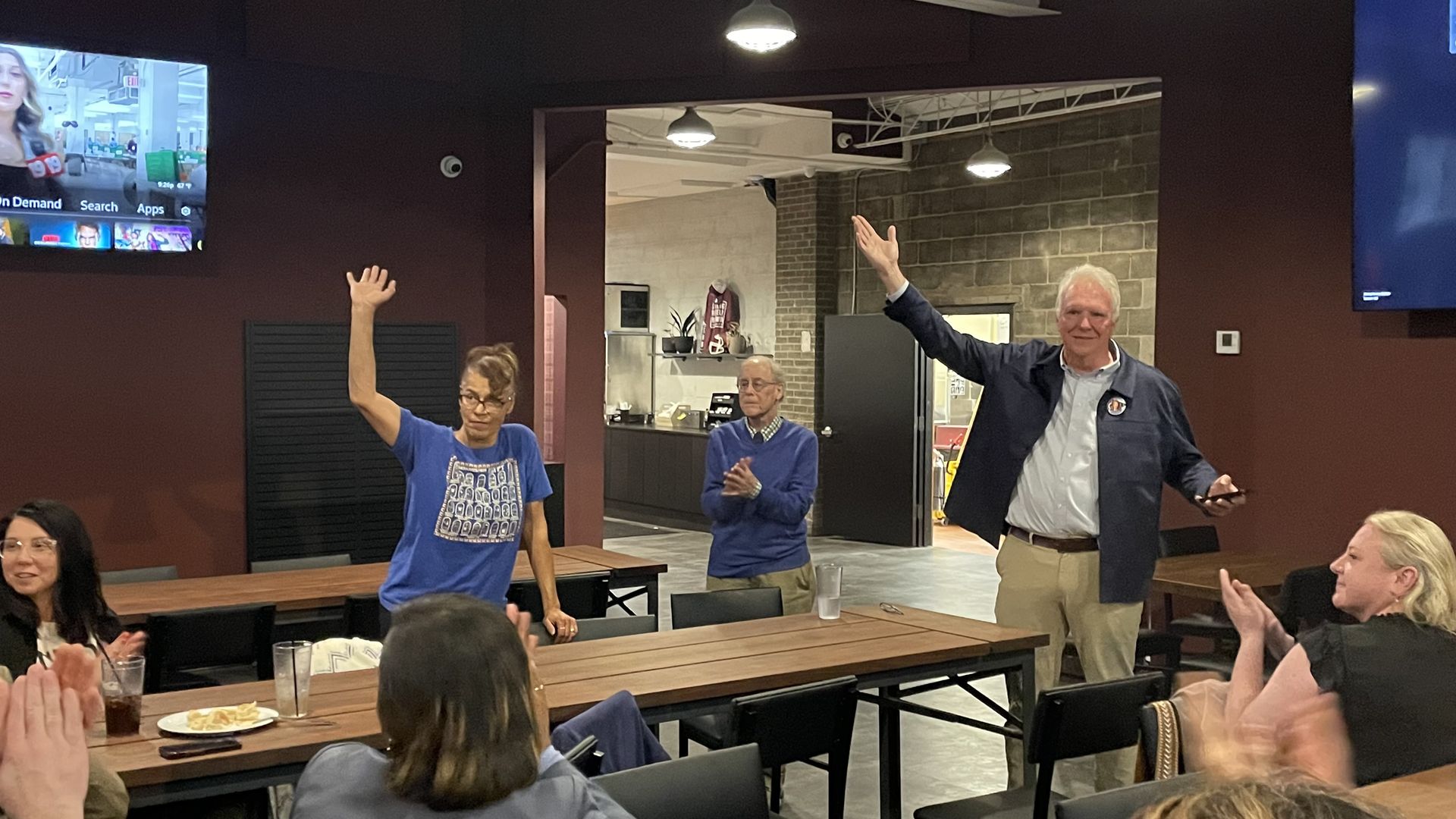
Two major property tax levies passed, per unofficial results from the Cuyahoga County Board of Elections.
Why it matters: Issues 10 and 11 will secure hundreds of millions of dollars annually for developmental disability services and the county's broader social safety net.
- These provide long-term funding for essential county services, but also increase property taxes in a county where homeowners already shoulder a substantial tax burden.
Zoom in:
- Issue 10: A new levy will generate about $99.7 million annually for the Cuyahoga County Board of Developmental Disabilities, which serves roughly 15,000 residents.
- Issue 11: A levy renewal and increase will generate about $261.5 million annually for health and human services, including child welfare, senior services, MetroHealth and mental health programs.
The big picture: Together, the measures will add approximately $166.50 annually per $100,000 in home value.
- Both levies run for 10 years, providing greater financial stability as county officials contend with rising service costs and an uncertain federal funding landscape.
What they're saying: Cuyahoga County Executive Chris Ronayne thanked a slew of nonprofit partners and volunteers who supported the get-out-the-vote effort.
- He delivered remarks at Sibling Revelry's Rocky River kitchen after only early votes had been tabulated, but he said he was confident that Cuyahoga County would prove "neighbors look out for neighbors."
Between the lines: Cuyahoga County already has the highest effective property tax rate in Ohio, but voters still historically support robust social service spending.
- Campaigns supporting the levies spent big bucks this year to promote them, suggesting more trepidation than usual about voter fatigue and affordability.
😴 Sam is sleeping in after approximately 18 straight hours obsessively tracking election-day stats.
😷 Troy is trying to figure out what that smell is in Lakewood's Birdtown neighborhood.
- See what he discovered on Axios Cleveland's Instagram.
This newsletter was edited by Tyler Buchanan.
Sign up for Axios Cleveland

Get smarter, faster on what matters in Cleveland with Sam Allard and Troy Smith.