Axios Chicago

June 30, 2026

🐊 Happy Tuesday! On this day in 1988, the White Sox almost moved to Florida.
‼️ Today's weather: HOT. We're still in the throes of dangerous heat, with an expected high of 95 and heat index values as high as 107.
🎂 Happy birthday to our Axios Chicago members Vince Keenan, Sandra Ritter, and Katie Rich!
Today's newsletter is 1,156 words — a 4.5-minute read.
1 big thing: Post-1995 heat playbook faces test
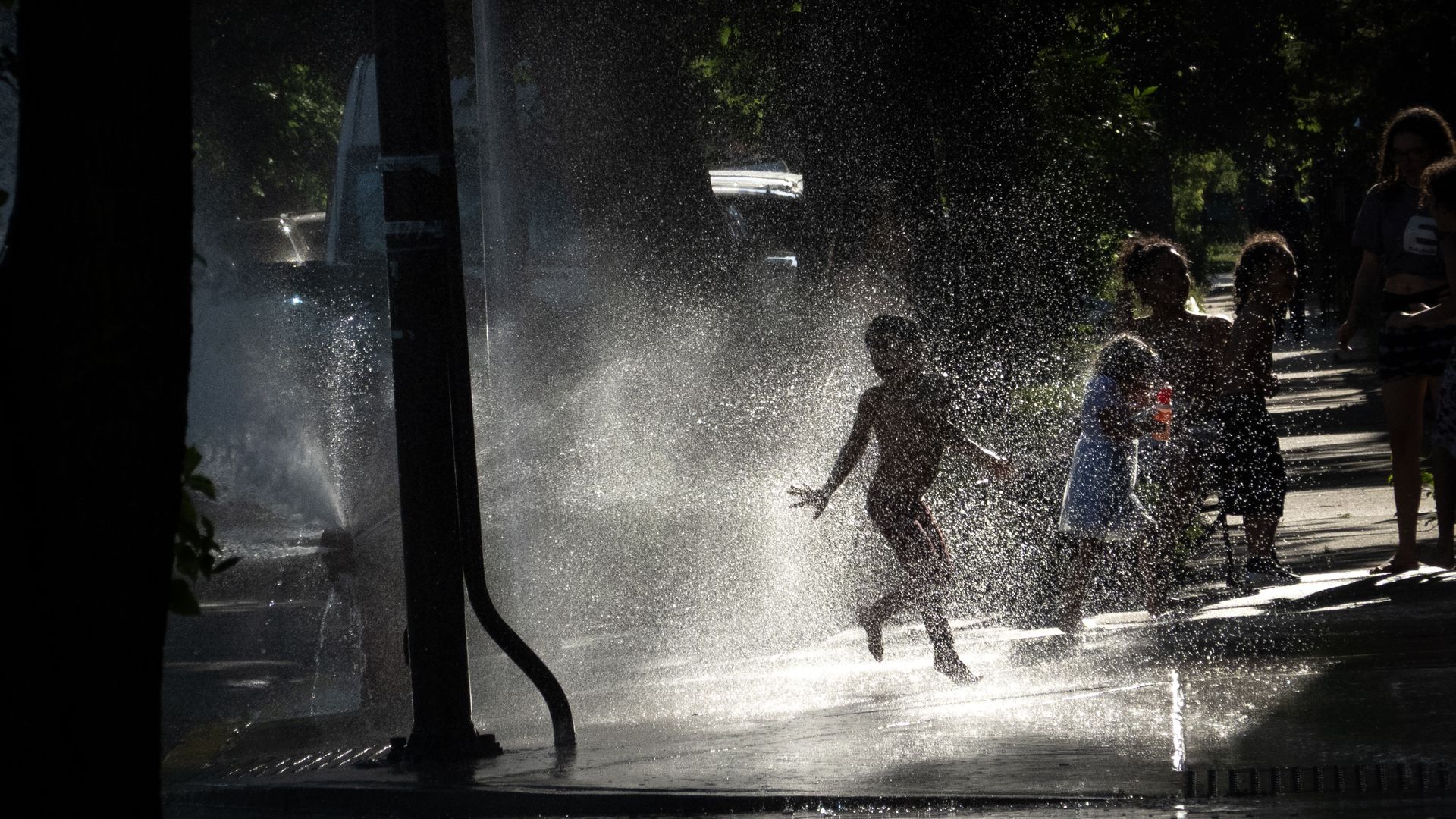
An extended stretch of dangerous heat is testing the emergency response system Chicago built after the deadly 1995 heat wave.
Why it matters: Multi-day heat waves are especially dangerous because warm overnight temperatures prevent the body from recovering, driving up illness and deaths among vulnerable people.
The latest: Daily highs are expected to be over 90° through at least Friday.
Context: The 1995 Chicago heat wave, considered one of the deadliest in U.S. history, lasted five days and caused 739 heat-related deaths.
- Chicago officials have significantly expanded their heat preparedness efforts since then.
Zoom in: Cooling centers across Chicago have opened as the city has activated its heat response plan.
- Some park district programs and outdoor camps have moved indoors, while municipalities are weighing changes to planned Fourth of July celebrations.
Flashback: After 1995, Chicago invested in trees, reflective roofs and other heat-mitigating infrastructure while requiring air conditioning in high-rise apartments.
- Mayor Brandon Johnson's administration honored the 30th anniversary of the 1995 heat wave by introducing a Heat Vulnerability Index Report, a data-driven tool designed to identify which neighborhoods are most at risk during extreme heat events.
The intrigue: One major failure in 1995 was the lack of communication between city agencies and residents. Today, the city has a comprehensive Heat Emergency Plan, coordinated through the Office of Emergency Management and Communications (OEMC), which offers these tips to residents.
The bottom line: The legacy of 1995 means Chicago enters this heat wave far better prepared, but the coming days will show how well that playbook holds up against another prolonged stretch of dangerous temperatures.
2. Chicagoans bristle at the arrival of big bagel
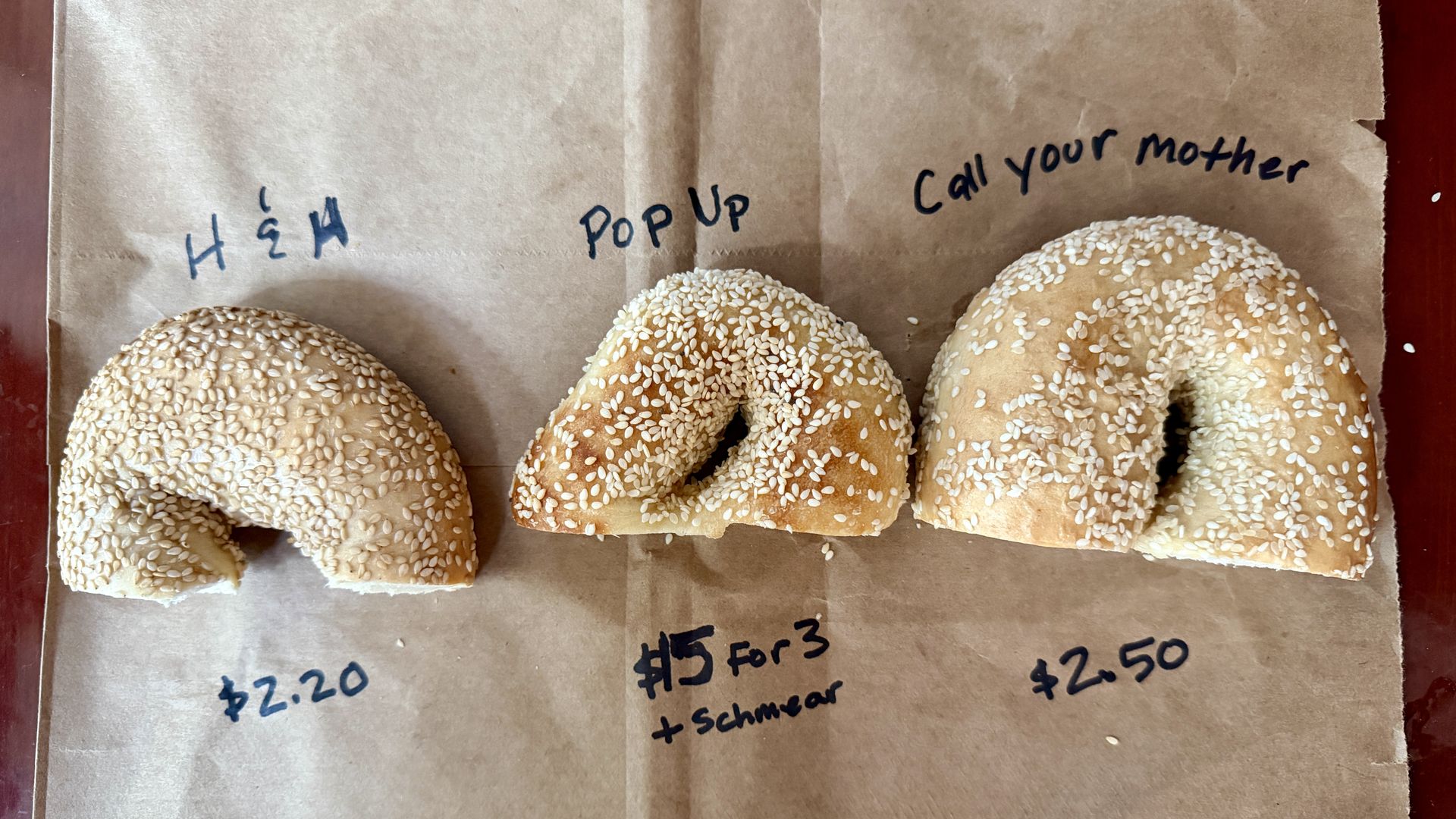
Last week, New York's H&H Bagels officially landed in Fulton Market, marking the third big national chain to enter the Chicago market in recent months — and raising some local hackles.
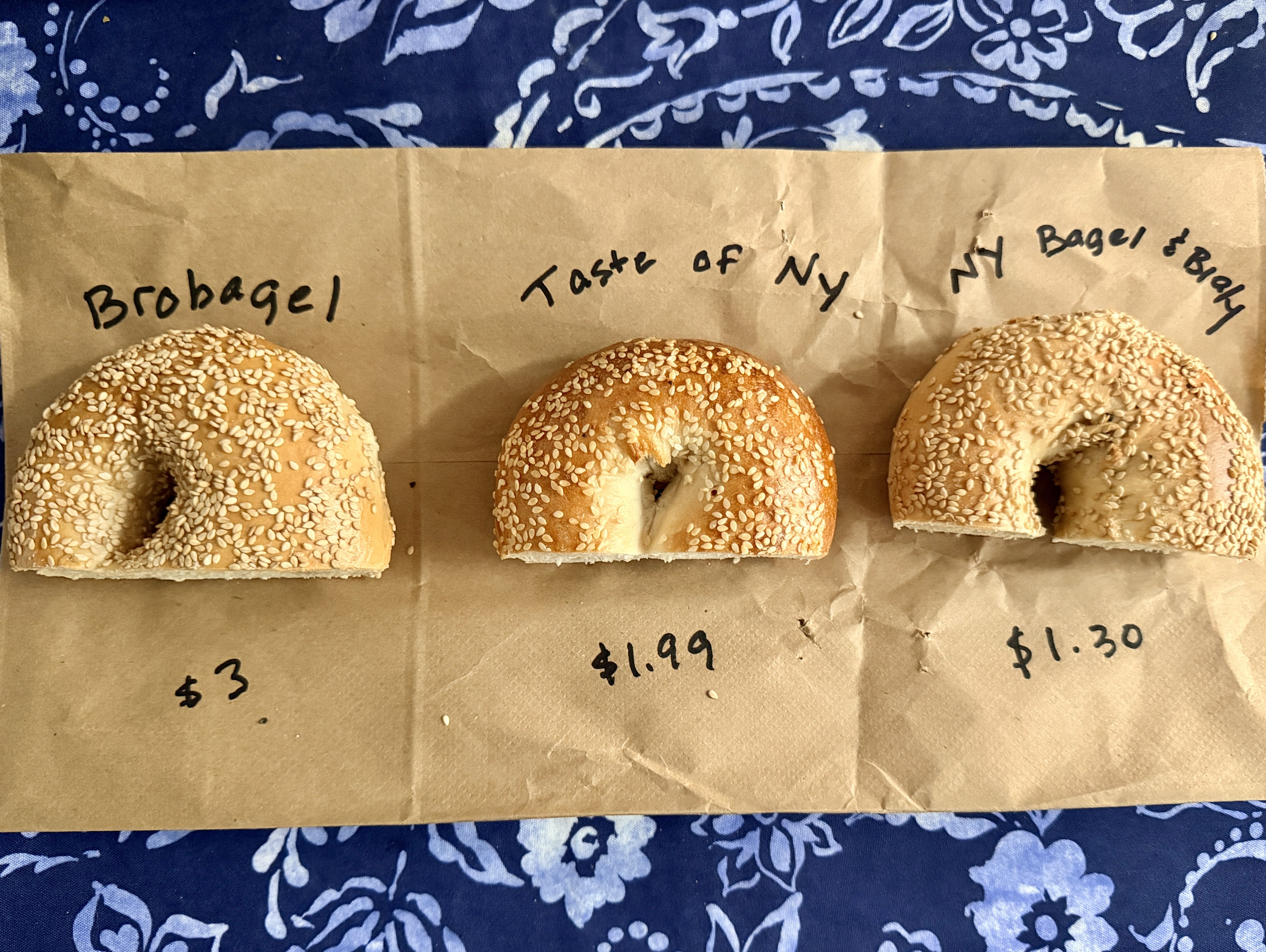
Why it matters: Chicago's local bagel scene has boomed in recent years, adding to an already strong base of stalwarts like New York Bagel & Bialy and Brobagel.
State of play: H&H, PopUp Bagels and Call Your Mother (CYM) opened this spring in Fulton Market, Lincoln Park and Wicker Park, drawing long lines at times.
- Supporters of local bagel shops took to social media, deriding PopUp and CYM as "private equity" brands because of their majority ownership by investment firms.


What they're saying: "Local businesses are woven into the fabric of our communities," says Brobagel owner Bill Jacobs, who started making bagels in Chicago with his brothers in 1983.
The other side: Although H&H is owned by former asset manager Jay Rushin, it's "not [private equity] backed and Jay works with a small executive team to grow the business while keeping the brand's original DNA intact," H&H brand manager Ali Goldberg tells Axios.
- PopUp and CYM didn't immediately respond to requests for comment.
The eggclusive: In response to the bagel dust-up, the Chicago Bagel Authority is launching the "Private Eggquity" sandwich to encourage local patronage.
- "It's bagels now, but it will be something else down the road," CBA owner Greg Gibbs tells Axios.
3. What to do if you see a coyote
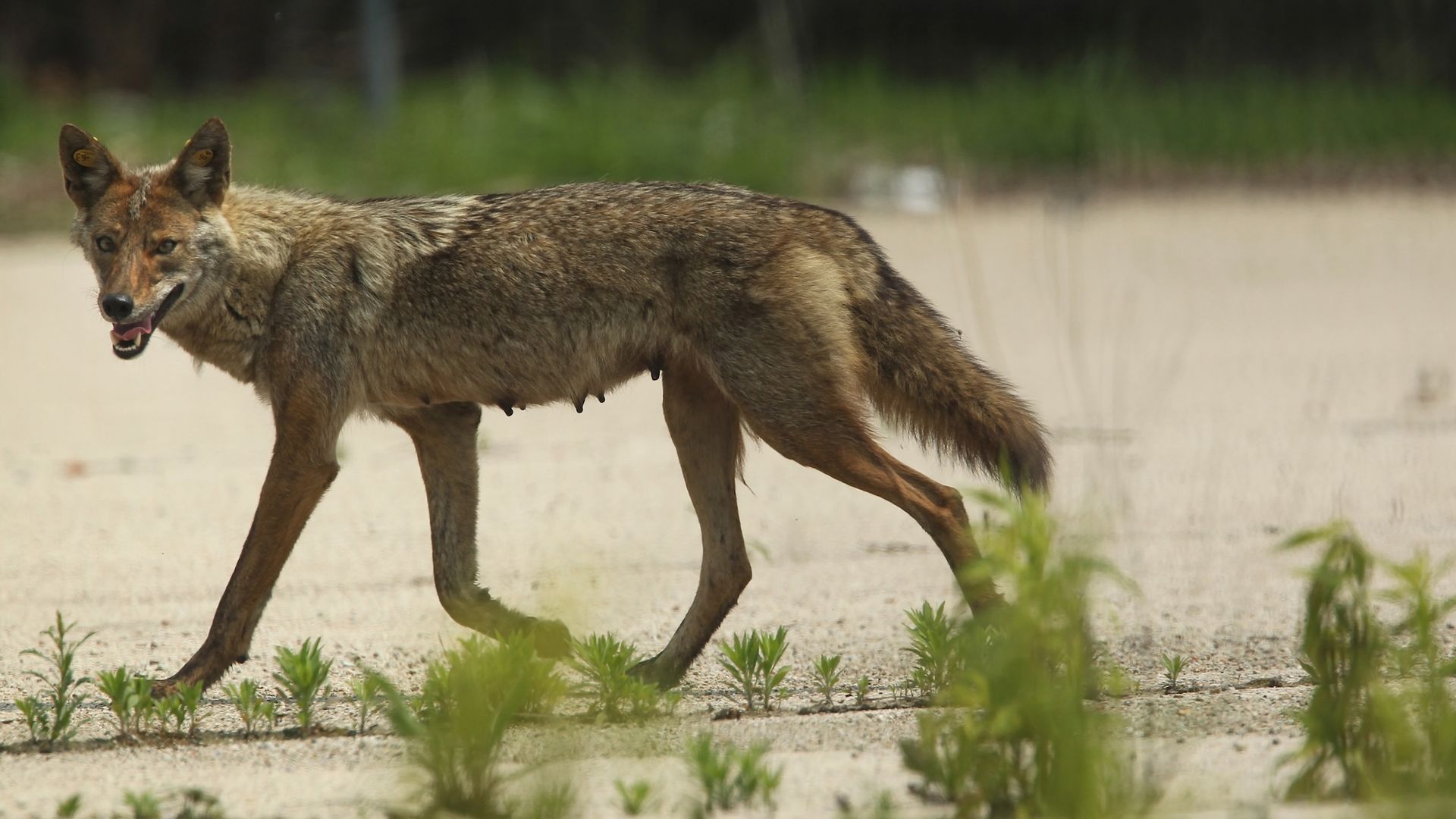
It's not just rats roaming Chicago streets. You may also be noticing coyotes.
The big picture: Late spring and early summer are pup-rearing seasons when coyotes actively forage for their young, leading to sightings throughout the area, including densely populated centers like the Loop and adjacent neighborhoods.
State of play: Cook County's coyote population is about 1,700, according to Cook County Forest Preserves senior wildlife biologist Chris Anchor.
What to do: If you see a coyote, don't freak out. They're generally wary of humans, Anchor says, but there are other steps to follow to avoid a dangerous confrontation.
- Don't feed them, as it can cause coyotes to lose their fear of people and become more likely to approach homes and pets.
- Don't run. Instead, shout or throw something in its direction (not AT it) like a bag of rocks.
- Report aggressive, fearless coyotes to Chicago Animal Care and Control immediately. Signs of aggression include unprovoked barking, snarling, growling and lunging. Also, call CACC if the coyotes appear injured or trapped.
The bottom line: Even the most urbane among us can't escape nature completely. We need to coexist with all creatures, but don't be careless. And maybe hold your small pup a little closer this month.
4. Tips and Hot Links: Counting Illinois ballots
📬 In a blow to President Trump, the Supreme Court ruled that states can count mail-in ballots if postmarked by Election Day. Eighteen states and territories, including Illinois, have mail-in ballot grace periods. (NPR)
🧑🏼💻 The Onion is relaunching the "InfoWars" website this week, almost two years after it won it in an auction. The site, founded by right-wing conspiracy theorist Alex Jones, will offer parody content and merchandise, giving proceeds to the families of Sandy Hook victims. (Sun-Times)
🚨 Three people are in custody after a CBS 2 news crew was attacked yesterday afternoon near the Adler Planetarium. (Tribune)
5. History Mystery: The Pabst Blue Ribbon sign
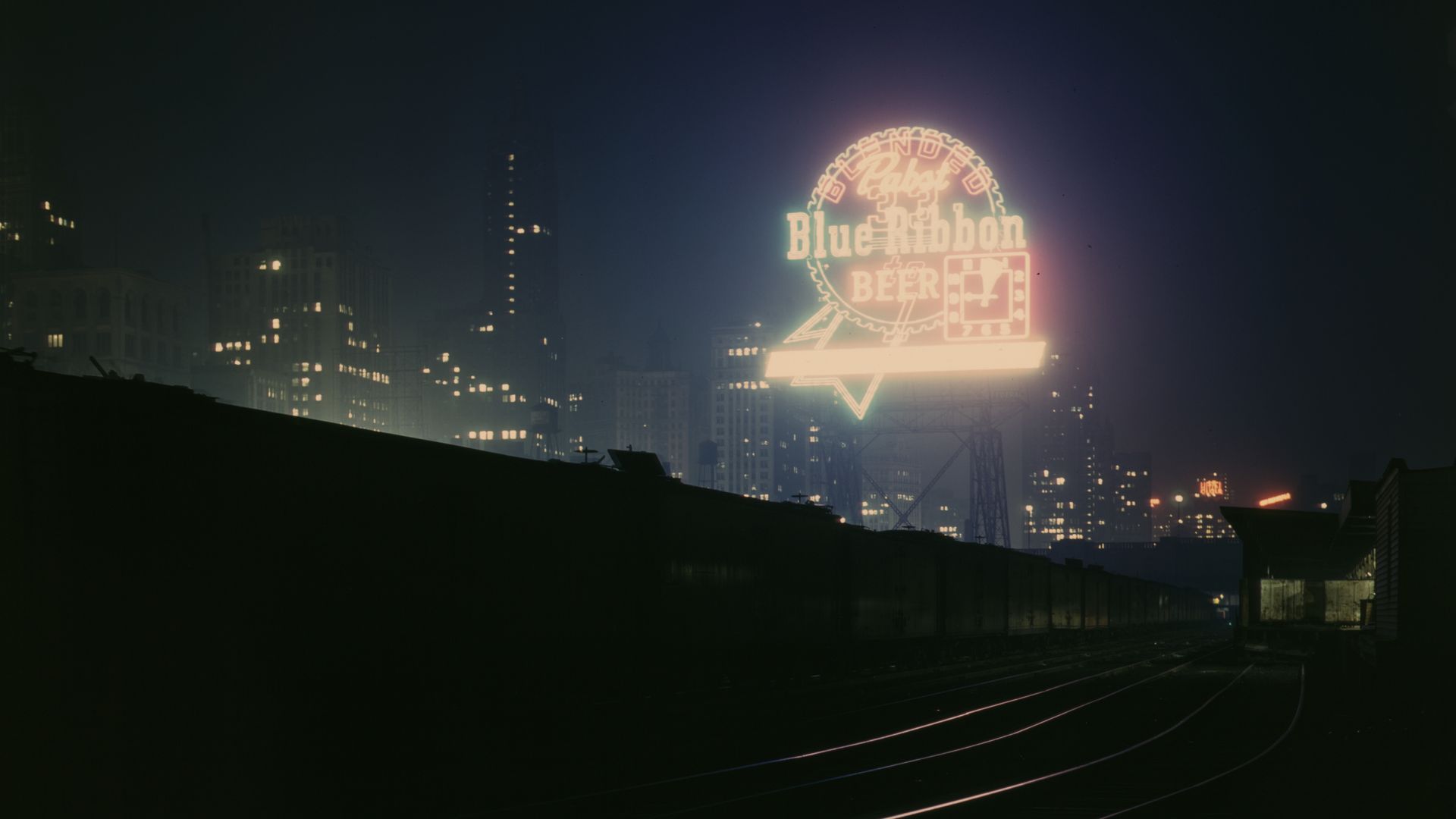
This week's "History Mystery" features a long-lost photo of a neon beer sign that once welcomed people to downtown Chicago.
- The Pabst Blue Ribbon billboard lit up the night sky at Randolph Street and Michigan Avenue decades before Millennium Park existed.
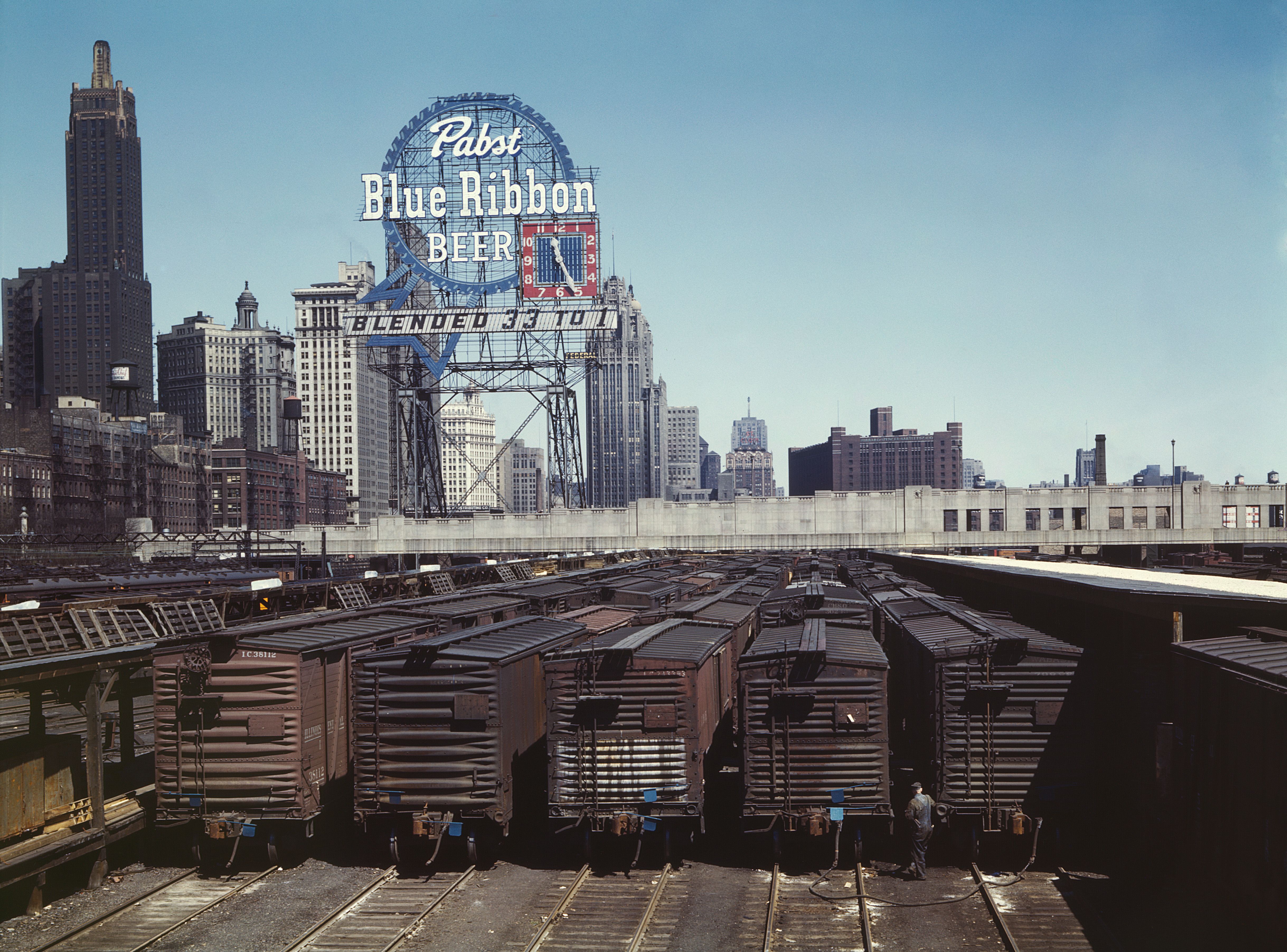
The intrigue: The nighttime photo doesn't offer many clues, but a daytime shot gives us everything we need.
- When this photo was taken in 1943, the Carbide & Carbon Building was one of the few prominent towers along that stretch of Michigan Avenue.
- You can see the Wrigley Building and the Tribune Tower in the distance.
- The railroad depot sat below Randolph Street, but it was filled in for the park, which now sits at the same level as the street.
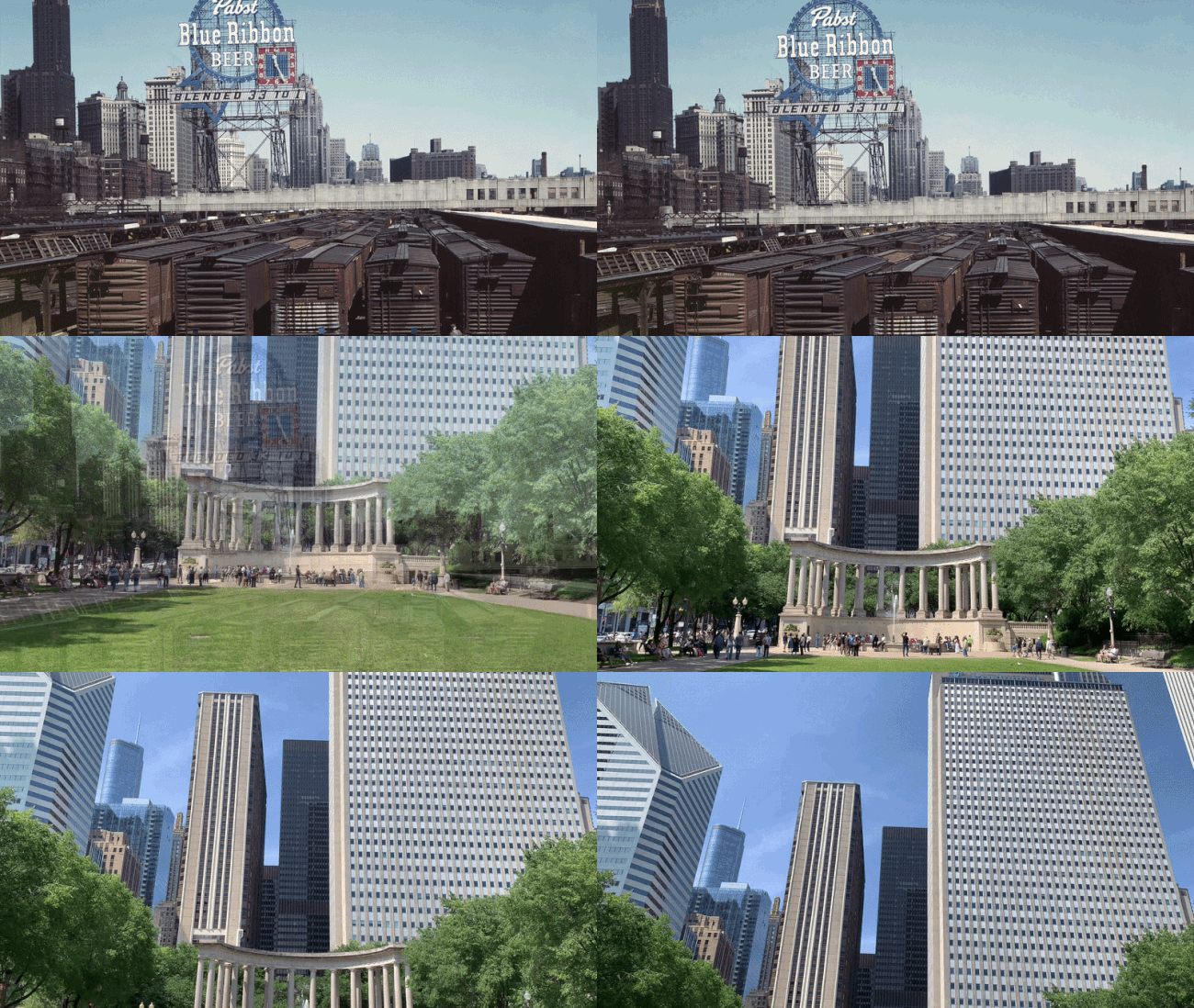
State of play: The sign sat above the Illinois Central Railroad's South Water Street freight terminal, which stretched to the corner of Randolph Street and Michigan Avenue.
- The sign was removed in the early 1950s to make way for the construction of the iconic Prudential Building.
- Freight trains stopped operating there in the 1970s.
Today, Millennium Park covers what was one of the country's largest downtown rail yards, but Metra Electric and South Shore trains still run beneath the park.
Edited by Delano Massey.
🍴Carrie wants to try the new menu items at Tzuco and Ummo inspired by MCA's Reggathón exhibit.
🥣 Monica is making big jars of cold brew and gazpacho today.
🥎 Justin and the Axios softball team beat the heat and Chicago Public Media last night. The team is now 2-1 and tied at the top of the standings!
Want more Axios Chicago content? Check out our Instagram for extra stuff to do, behind the scenes photos, videos and more!
Sign up for Axios Chicago