Axios Austin

April 28, 2026

It's Tuesday, y'all.
🌤️ Today's weather: Pool weather. Mostly cloudy, with a high in the mid-90s.
⚖️ Situational awareness: The U.S. Supreme Court struck down a lower court ruling that blocked Texas from using its new congressional map favoring Republicans.
- The ruling won't change anything for elections in Texas. The state's March primaries were held using the new map.
Today's newsletter is 1,093 words — a 4-minute read.
1 big thing: Safety lags as AVs rapidly expand

This report is part of "Texas Testbed," a series on how the state is becoming a real-world lab for emerging technologies.
More self-driving cars are headed to Texas as the state has turned into a key testing ground for the vehicles.
Why it matters: The speed is raising fresh concerns over safety.
- Researchers say the ability to measure whether those systems are truly safe, especially in rare or unpredictable situations, is still catching up.
State of play: A new law passed last year will add more guardrails, requiring companies to meet certain standards and receive a state permit beginning May 28.
Yes, but: First responders and University of Texas researchers say regulations should go further, including creating requirements for ongoing or "dynamic" safety checks and certification.
- Austin Fire Department Captain Matt McElearney tells Axios that first responders have repeatedly flagged issues like vehicles failing to recognize hand signals or school bus stop arms.
What they're saying: Ufuk Topcu, a UT professor and director of the Center for Autonomy, says faster deployment increases the need for stronger methods for monitoring and accountability.
- A dynamic safety certification would evaluate how vehicles perform over time — not just at deployment — including how they respond to new and unpredictable conditions, according to Topcu.
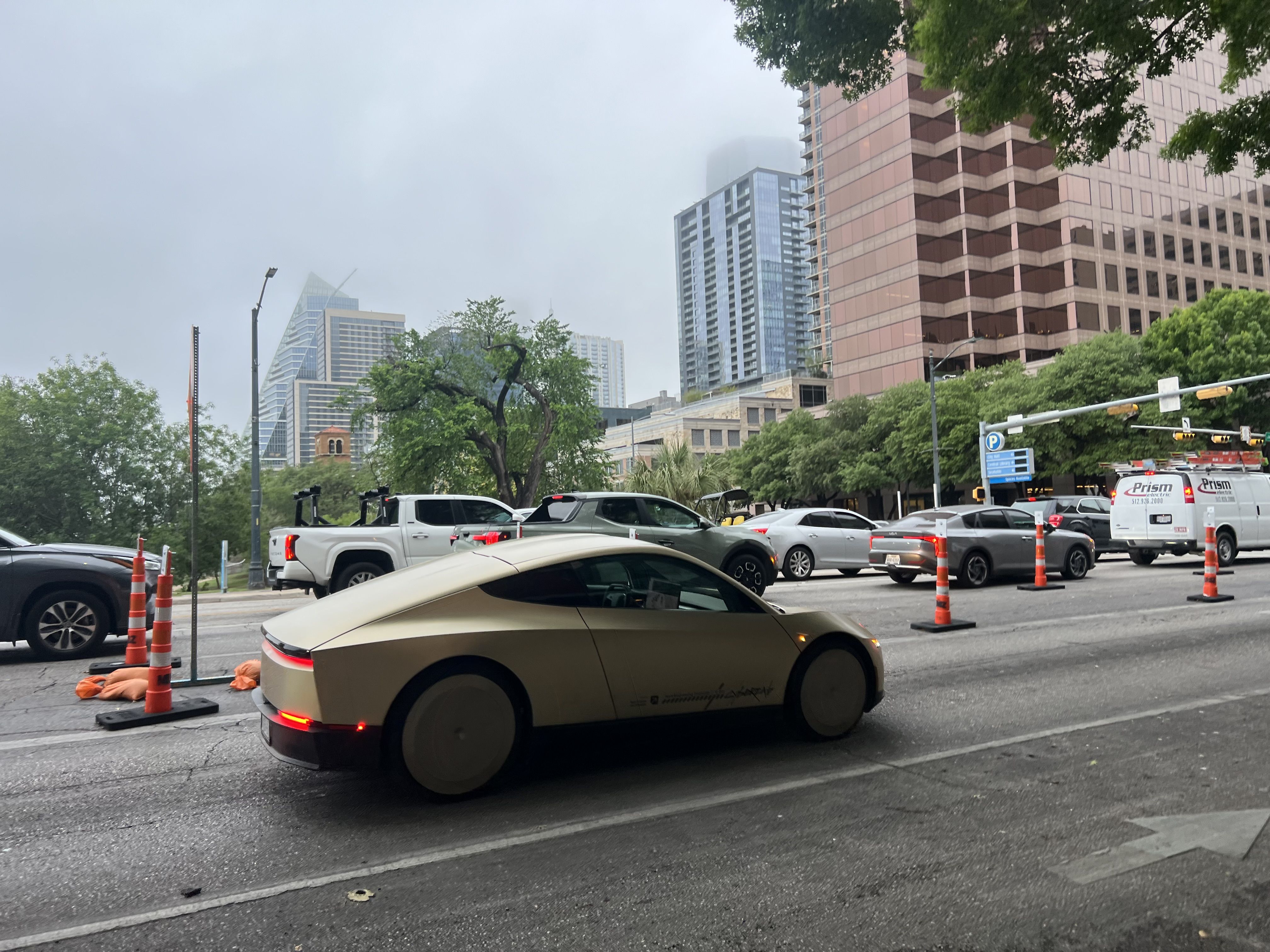
Between the lines: Tesla robotaxis have been involved in at least 14 crashes in Austin since last summer, according to federal data.
- Avride paused testing on some roads after one of its vehicles struck and killed a duck.
- Waymo faced backlash after one of its robotaxis blocked an ambulance responding to last month's mass shooting downtown.
Waymo does extensive testing and catches issues well before incidents are reported or make their way to social media, according to Shweta Shrivastava, a senior director of product management at Waymo.
- "We have our own internal systems to monitor where we had less-than-desired behavior," Shrivastava tells Axios.
What they're saying: Beyond a dynamic certification, McElearney from Austin Fire wants to see rules that give first responders more authority to "take control" of the vehicles in emergencies and even enforce cybersecurity rules to ensure bad actors can't take over the vehicles.
2. What Waymo's future in Austin may look like
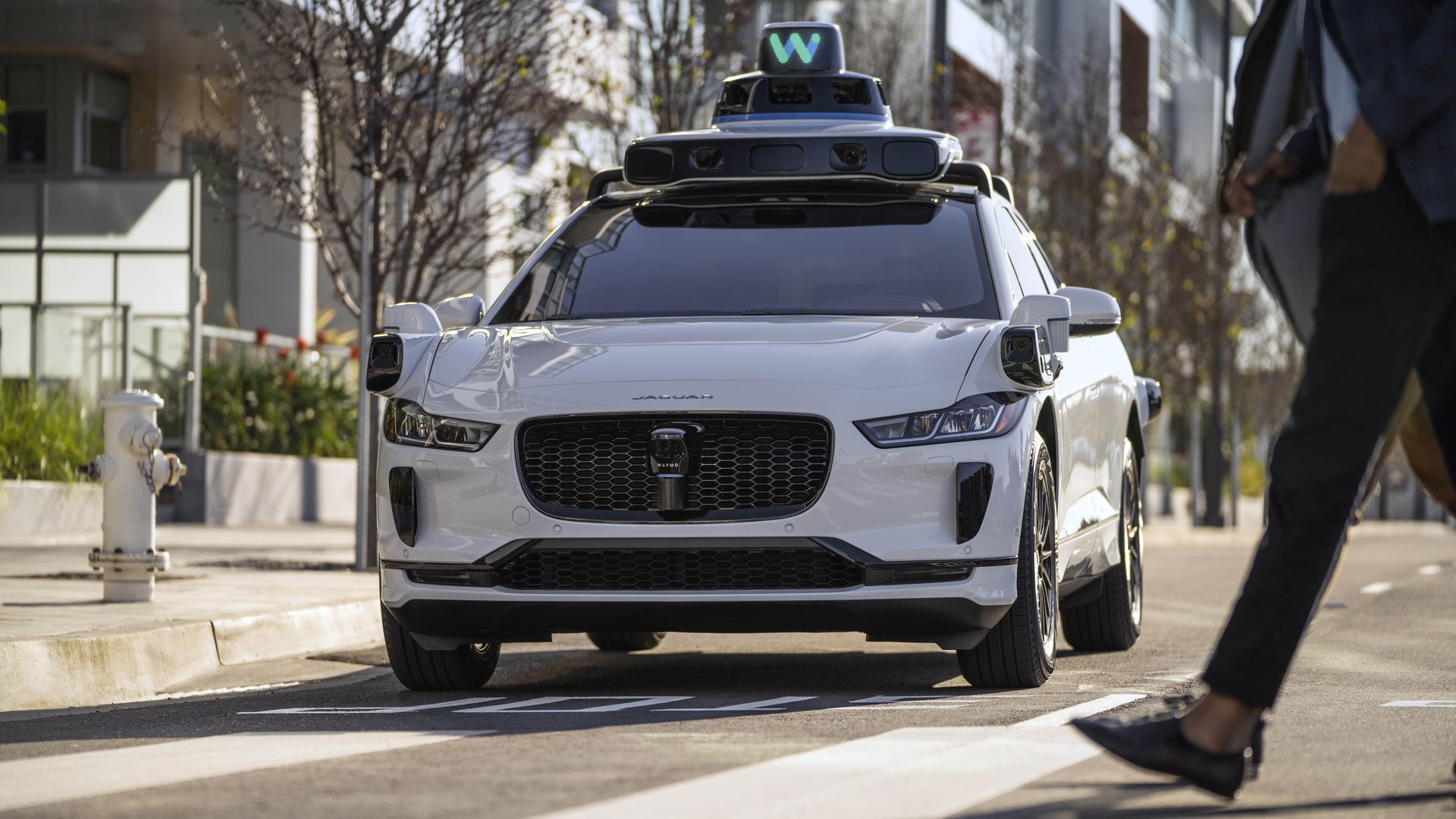
Just over a year into operating commercially in Austin through the Uber app, Waymo says it's moved well beyond a pilot phase — rapidly expanding its footprint, logging millions of driverless miles and leaning on its own data to spot and fix safety issues.
State of play: 300 vehicles make up Waymo's Austin fleet, and they've traveled 10.7 million fully autonomous miles throughout the city.
What's happening: Shrivastava, Waymo's senior director of product management, spoke to us about the operator's full year of service in Austin, tackling safety concerns, and what's next for the company here.
This conversation has been condensed and lightly edited for clarity.
Anything coming soon in Austin with Lyft or beyond that?
"Nothing to share. I'm excited about how we're expanding our service in Austin by actively testing the freeways and also actively testing the airport with the autonomous specialists — the safety driver — behind the wheel. We're excited to bring those services to external riders in the future."
There's a growing number of companies operating in Central Texas. Where does Waymo fit into that landscape?
"I think the proof is in the pudding for us, in terms of the scale that we have. We are way past a pilot stage or a proof of concept or experiment. That's not the phase that we are in."
3. 🤠 The Roundup: Wrangling the news
🥺 Lammes Candy, the 141-year-old local candy chain, will close soon. The owners cited "changing market conditions and the long-term sustainability of our operations." (KVUE)
🧋 CoCo's Cafe will close its location in West Campus on May 10 after more than 25 years in business. The cafe's location on Research Boulevard will remain open. (Community Impact)
🌳 A new government review details the environmental tradeoffs of adding toll lanes to MoPac Boulevard through South Austin. Construction would reach into public spaces, including Zilker Park. (KUT)
4. Why AV companies are choosing Texas
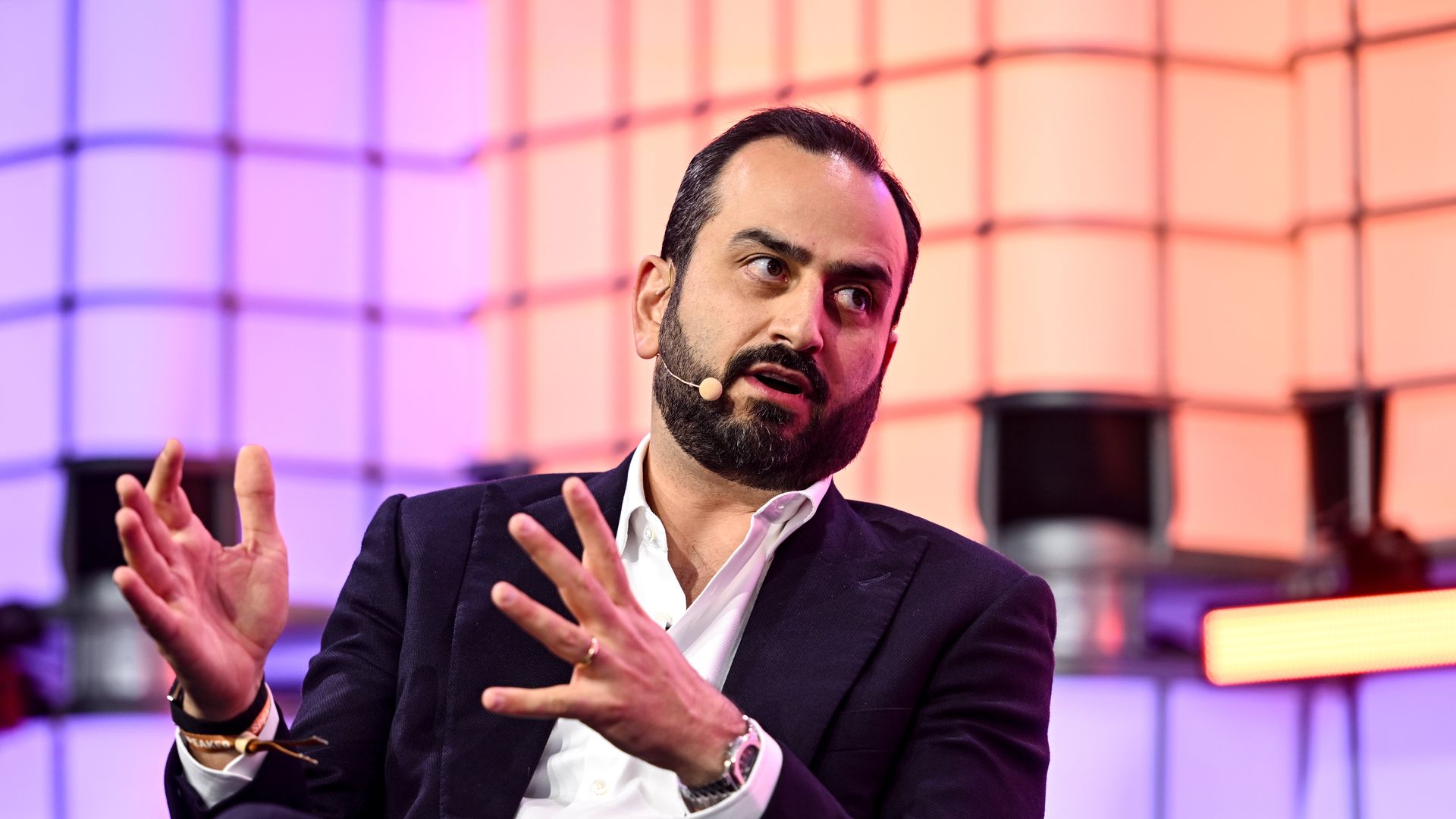
Einride CEO Roozbeh Charli says Texas' business-friendly climate, access to talent and regulatory environment made it an easy choice for the company's U.S. expansion.
Why it matters: Texas has become a hub for autonomous vehicle testing, and a growing number of autonomous trucking companies are part of the trend.
Driving the news: Stockholm-based Einride received regulatory approval from the National Highway Traffic Safety Administration in March to operate its self-driving freight trucks in Texas.
- The company plans to test its vehicles along the SH 130 toll road between Georgetown and Seguin, part of a partnership with SH 130 Concession Co.
What they're saying: In an interview with Axios, Charli said the company has found that state officials and regulators "want to attract companies like us," and the state's regulatory landscape allows for "an exchange" between companies and regulators to find mutual ground.
- "It's been proven out over the past few years — from a regulatory perspective — Texas is one of the states that is leaning inwards into being in the forefront of regulation," Charli says.
5. 🚙 1 toaster car to go
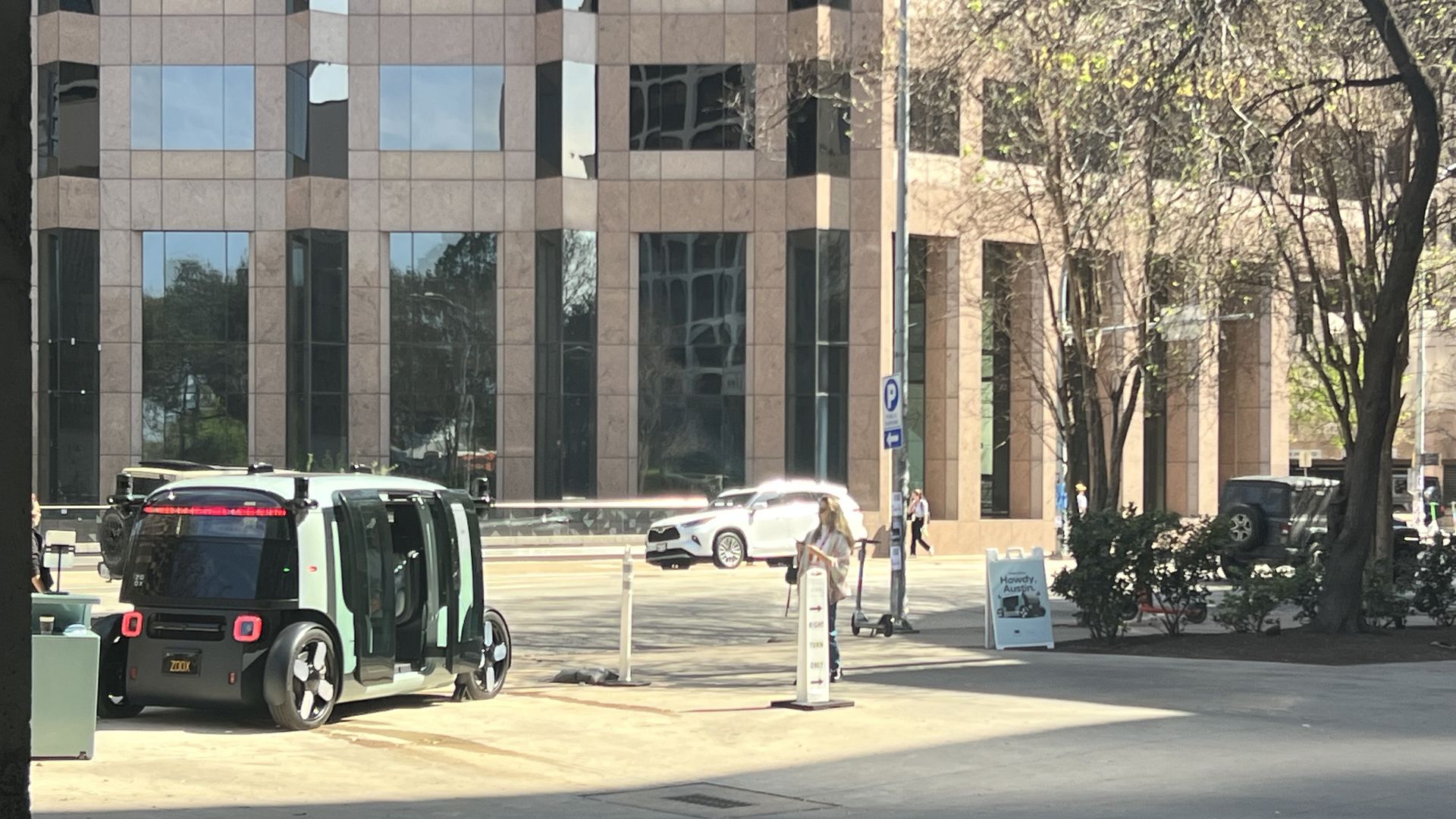
Add self-driving car company Zoox to the growing list of autonomous car companies deployed on Austin roads.
Catch up quick: Zoox, Waymo and Tesla are operating on Austin streets, while ADMT and Avride are in the testing phase.
- But Zoox vehicles look much different than other self-driving cars, operating without a steering wheel or pedals.
- The company began testing them in Austin about a month ago.
McElearney with Austin Fire says the city's autonomous vehicle working group has been in talks with the company about how first responders can take over the cars in an emergency.
- "We've expressed some concerns that we need to have control of that product to get it off the roadways for public safety," McElearney tells Axios.
- "We're still waiting to see how that is going to unfold.
What's next: Rides aren't open to the public yet, but the company has said rides to a limited audience will be available by the end of the year.
Thanks to Astrid Galván and Bob Gee for editing this newsletter.
🏖️ Asher is out.
😢 Nicole has many great memories of grabbing boba tea at Coco's while she was a student at UT.
Sign up for Axios Austin