Texas Testbed: Safety lags as AVs rapidly expand

Add Axios as your preferred source to
see more of our stories on Google.
Illustration: Aïda Amer/Axios
This report is part of "Texas Testbed," a series on how the state is becoming a real-world lab for emerging technologies.
More self-driving cars are headed to Texas as the state has turned into a key testing ground for the vehicles.
Why it matters: The speed is raising fresh concerns over safety.
- Researchers say the ability to measure whether those systems are truly safe, especially in rare or unpredictable situations, is still catching up.
State of play: Texas law preempts local regulation of autonomous vehicles, which has made the state fertile ground for companies' expansion.
- A new law passed last year will add more guardrails, requiring companies to meet certain standards and receive a state permit beginning May 28.
Yes, but: First responders and University of Texas researchers say regulations should go further, including creating requirements for ongoing or "dynamic" safety checks and certification.
- Austin Fire Department Captain Matt McElearney tells Axios that first responders have repeatedly flagged issues like vehicles failing to recognize hand signals or school bus stop arms.
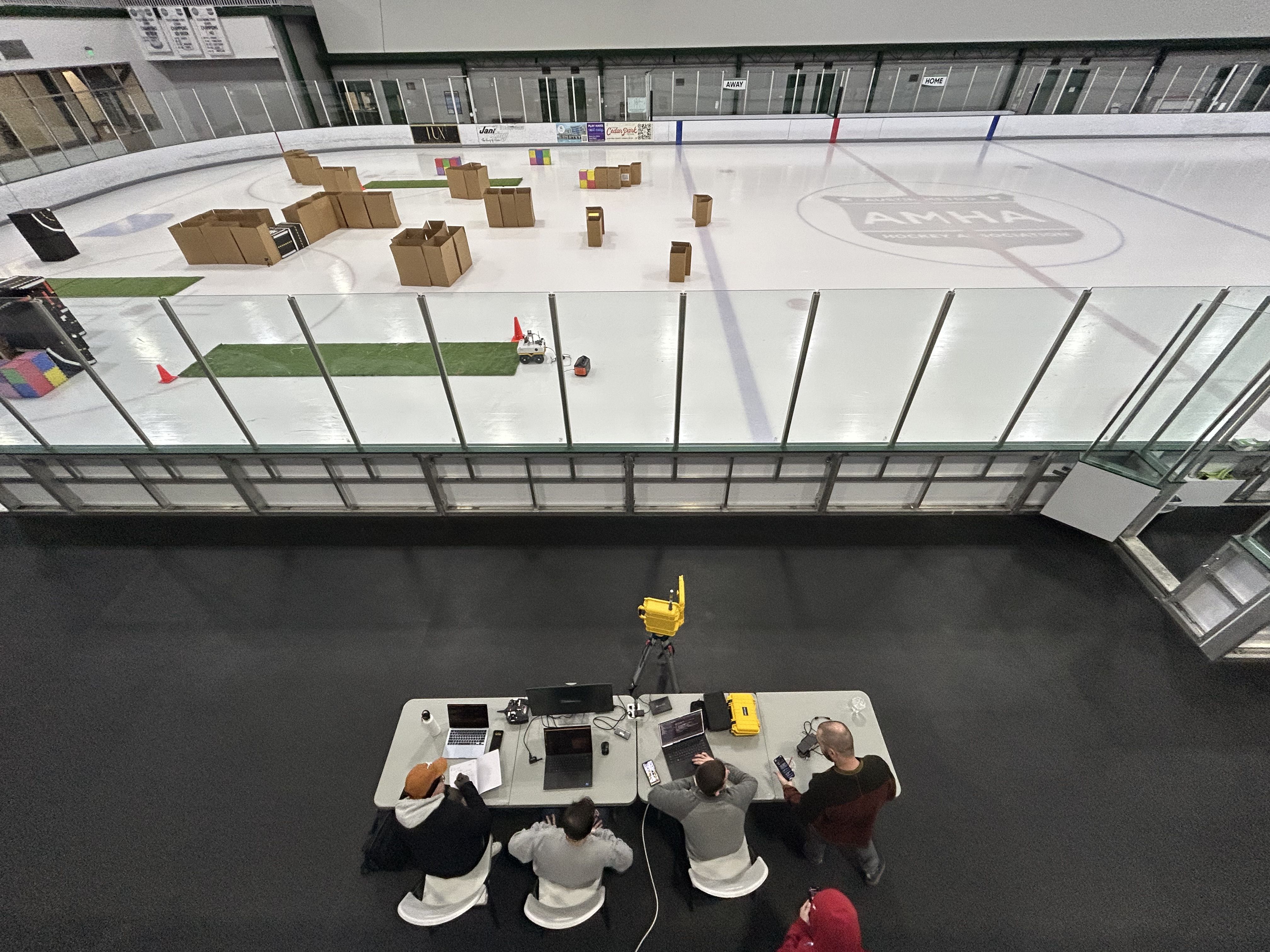
What's happening: UT researchers are studying how to better evaluate and regulate AVs by using sensor-equipped systems that mimic real-world conditions.
- Ufuk Topcu, a UT professor and director of the Center for Autonomy, says faster deployment increases the need for stronger methods for monitoring and accountability.
- "The core challenge is that autonomous vehicles must not only perform well in routine conditions but also behave safely in rare, ambiguous and previously unseen situations," Topcu tells Axios.
- A dynamic safety certification would evaluate how vehicles perform over time — not just at deployment — including how they respond to new and unpredictable conditions, according to Topcu.
Zoom in: That tension is playing out in real time in Austin, where a growing number of companies are testing their technology, with some scaling up to commercial use.
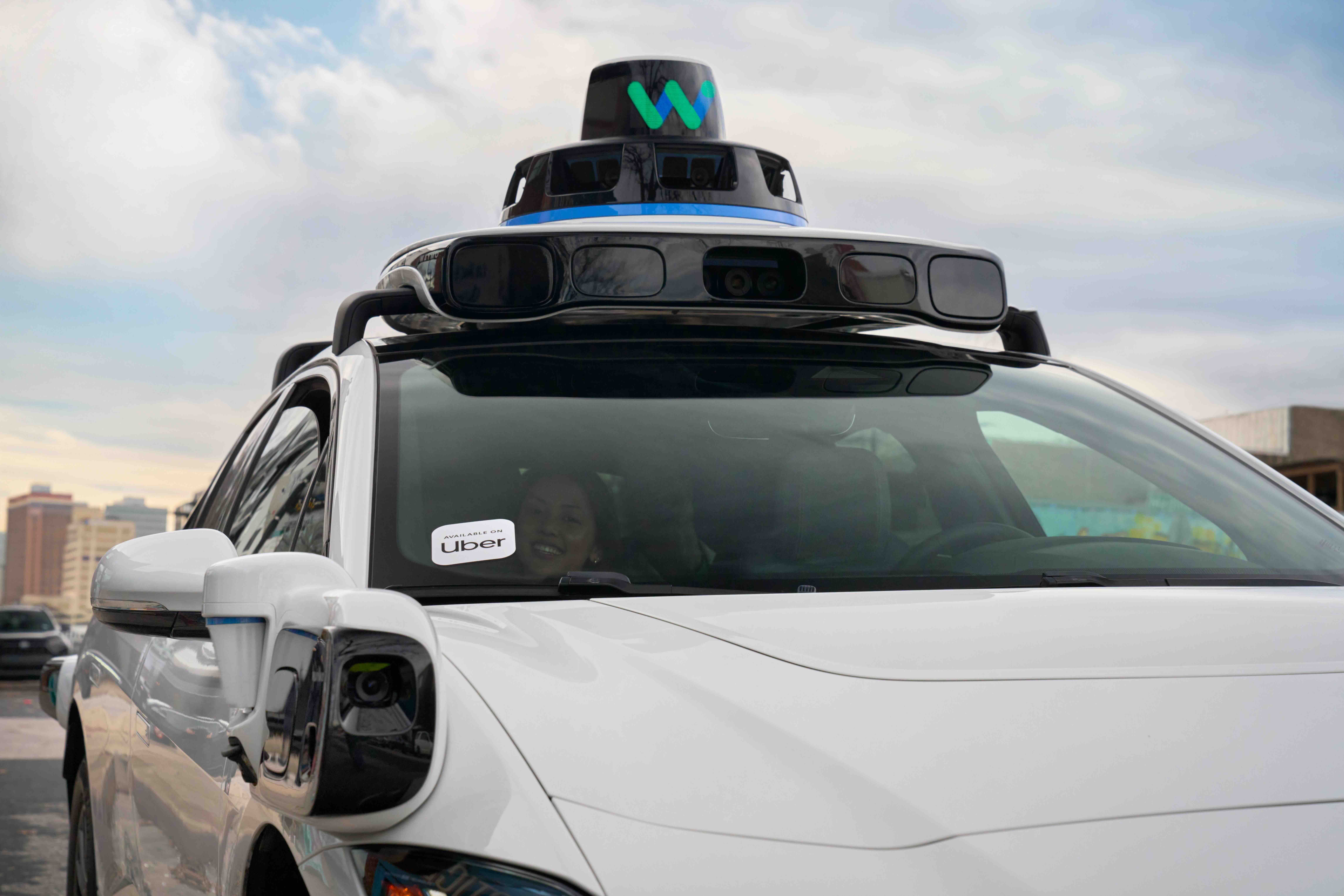
- Waymo, the most visible operator in the city, partnered with Uber last year to offer driverless rides across much of Central Austin.
Waymo does extensive testing and catches issues well before incidents are reported or make their way to social media, according to Shweta Shrivastava, a senior director of product management at Waymo.
- "We have our own internal systems to monitor where we had less-than-desired behavior," Shrivastava tells Axios.
- "We have our own comprehensive safety framework," Shrivastava adds. "We want other AV companies to think similarly."
Between the lines: As more vehicles hit the roads, even minor incidents can shape public perception and highlight gaps in how safety is evaluated.
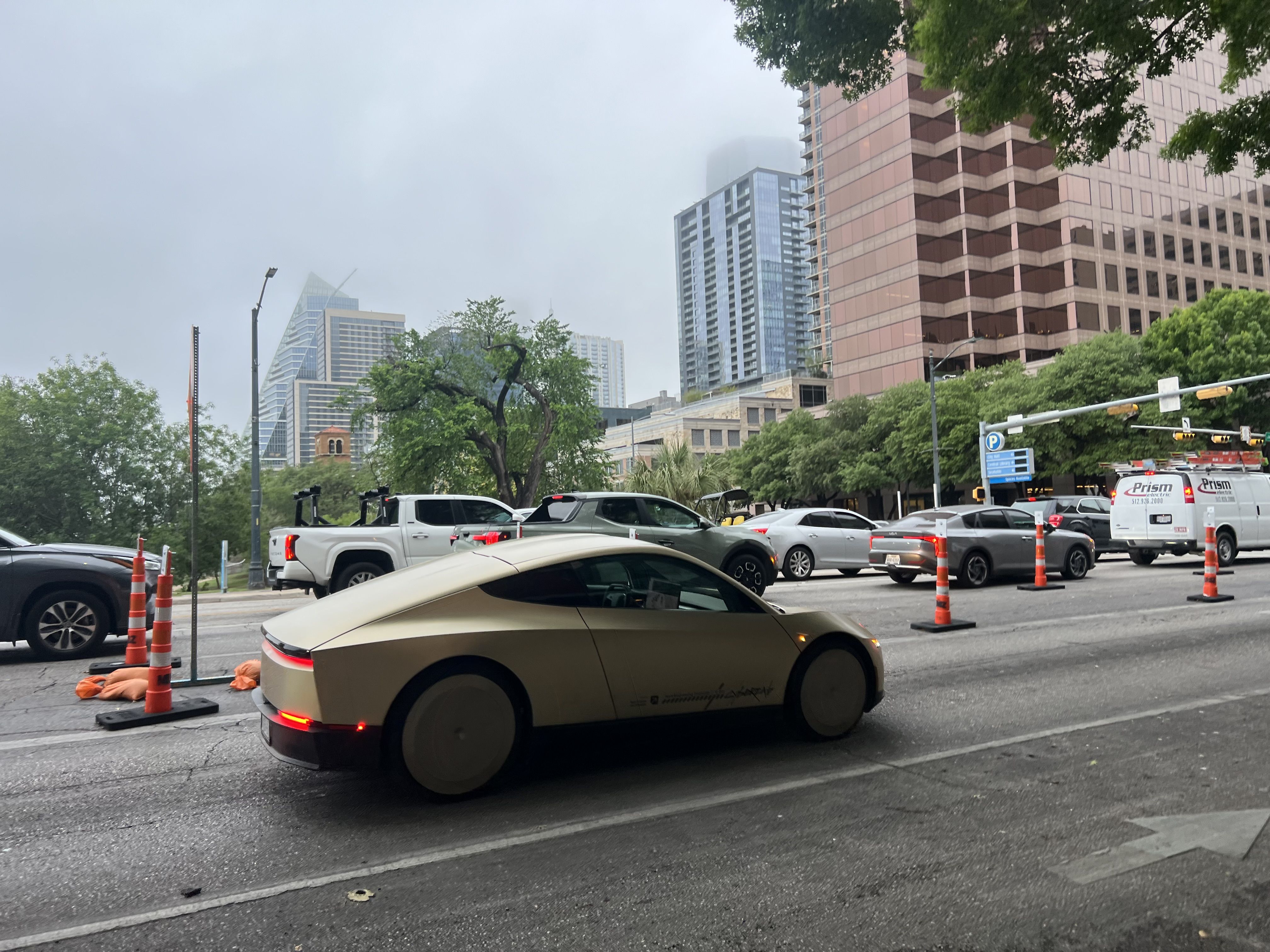
- Tesla robotaxis have been involved in at least 14 crashes in Austin since last summer, according to federal data the company disclosed to safety regulators.
- Waymo faced backlash after one of its robotaxis blocked an ambulance responding to last month's mass shooting downtown.
- Avride paused testing on some roads after one of its vehicles struck and killed a duck.
What they're saying: Beyond a dynamic certification, McElearney from Austin Fire wants to see rules that give first responders more authority to "take control" of the vehicles in emergencies and even enforce cybersecurity rules to ensure bad actors can't take over the vehicles.
What's next: McElearney says he has urged federal lawmakers to work out a standard regulatory framework for AV companies and encouraged them to reach out to the city.
The bottom line: "This technology is only going to get bigger, and we're definitely not ahead of it," McElearney says.
- "Every day is kind of putting us a little bit behind."