Axios AM

October 08, 2025

1 big thing: AI's mega-blob era

2. 🏆 Gold's record run


Gold — typically a safe haven in times of turmoil — is soaring at the same time the stock market is hitting new highs, an unusual dynamic that is troubling some market insiders, Axios Markets author Madison Mills writes.
- Why it matters: Gold's surge signals growing unease about the U.S. economy and institutions.
Gold futures topped a record high of over $4,000 an ounce for the first time yesterday.
- That puts the precious metal on track for its best year since 1979 — a year of double-digit inflation, a Mideast oil crisis and the Soviet invasion of Afghanistan.
- So far this year, gold is up 51%.
🖼️ The big picture: Gold's rally comes as President Trump's trade war shakes the global economy. Today is Day 8 of the government shutdown.
- "People are starting to lose trust in institutions," says Ryan McIntrye, a senior managing partner at Sprott, which focuses on precious metals, and are "reassessing what they view as safe."
🔬 Zoom in: Four other factors are contributing to the gold rally.
- Uncertainty: Concerns about a possible resurgence in inflation, the debt load of the U.S., and economic and policy uncertainty are all risks that are driving people to look for assets like bitcoin and gold.
- Central banks: Other countries' central banks are looking to diversify their reserves after over-allocating to the U.S. dollar.
- Speculation: As central banks buy gold, pushing up the price, speculators come in, fueling the rally.
- Weak competition: Once, there was no alternative to U.S. Treasuries for investors seeking safety. Now, "there's no alternative to gold," McIntyre says.
3. ✈️ Shutdown hits air travel
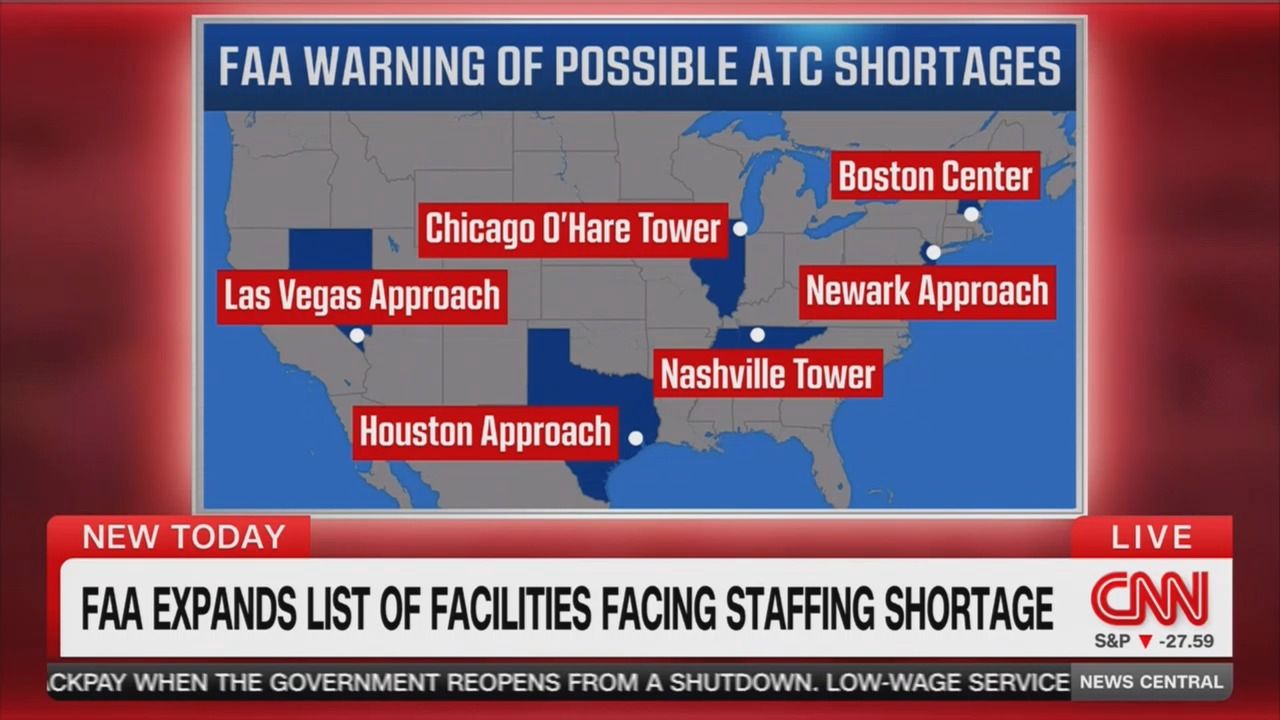
Air traffic controller shortages delayed thousands of flights across the country last night as overstretched staff continued to work with no pay during the government shutdown, Axios' Rebecca Falconer writes.
- Why it matters: Air travel controllers were credited with playing a key role in ending the last major shutdown in 2019.
Yesterday, on Day 7 of the shutdown, the FAA reported staffing issues at airports in Chicago, Las Vegas, Nashville and Philadelphia, and at air traffic control centers in the Atlanta, Boston, Dallas and Houston areas.
- 3,500+ flights were delayed at U.S. airports, according to the flight tracking website FlightAware.
- That included 570+ flights at Chicago's O'Hare and 200+ at Nashville International.
State of play: An FAA spokesperson said there have been "increased staffing shortages across the system," which Transportation Secretary Sean Duffy attributed to a small uptick in workers calling out sick.
- When that happens, "the FAA slows traffic into some airports to ensure safe operations."
4. 🌡️ Mapped: $8 trillion danger


Almost one in five U.S. homes — worth around $8 trillion — are at severe or extreme risk from hurricane wind damage, Axios' Sami Sparber writes from a Realtor.com analysis.
- The analysis also found that roughly 6.1% of homes (worth around $3.4 trillion) are at severe or extreme risk of flood damage and 5.6% ($3.2 trillion) from fire.
Why it matters: Climate change is intensifying extreme weather. Flood risks are "largely underestimated," according to the analysis, which looks at data from First Street.
5. 🤖 Job hunters become AI tricksters

6. 🪓 Record-setting CEO carnage

7. 📚 Melania gets apology over Epstein claim
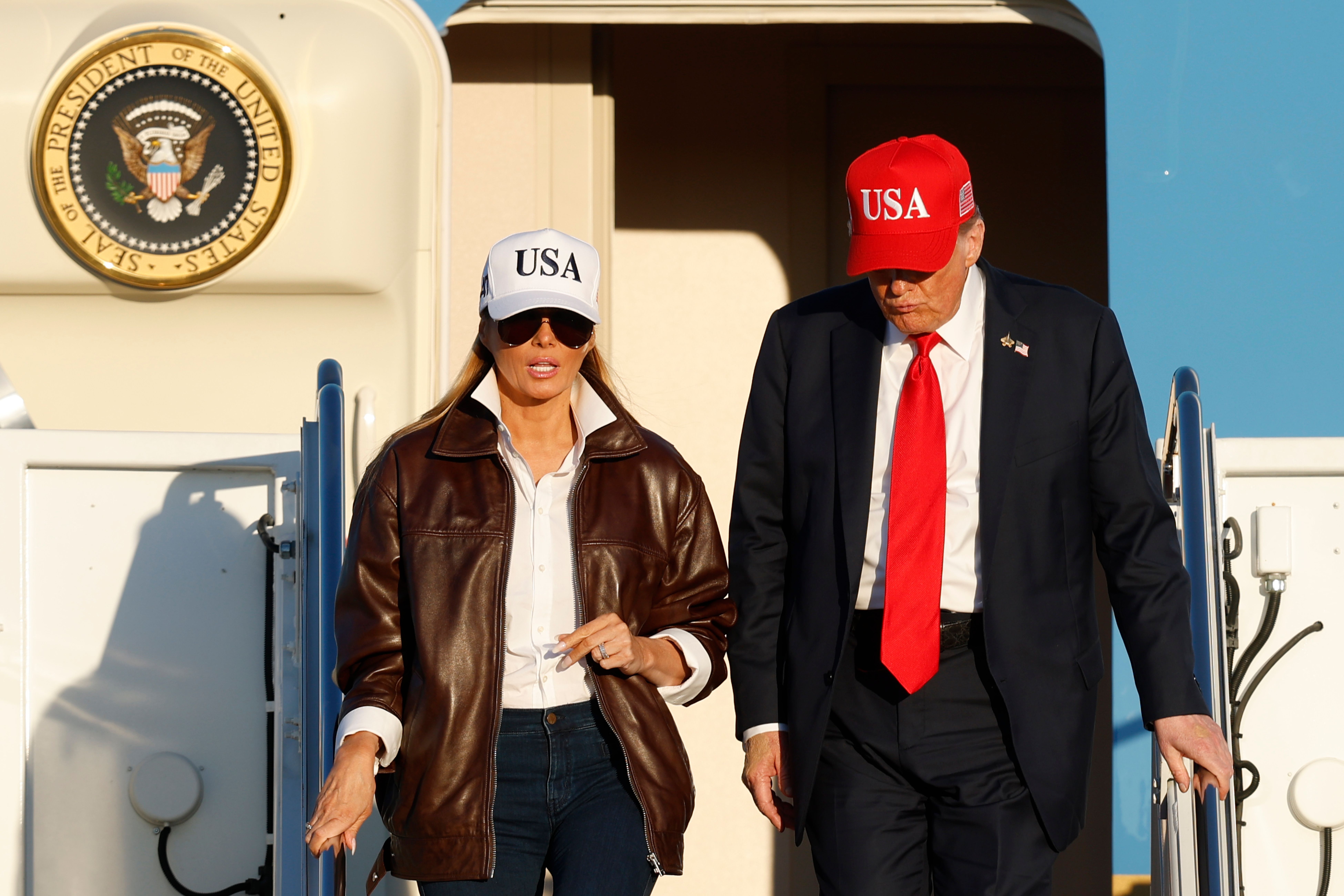
Book publisher HarperCollins UK apologized to First Lady Melania Trump yesterday and recalled a book that repeated unverified claims that child sex trafficker Jeffrey Epstein was involved in introducing her to Donald Trump, Axios' Marc Caputo writes.
- Why it matters: HarperCollins is the third media enterprise to apologize to Melania Trump and remove content related to the Epstein allegation.
Zoom in: The HarperCollins book, "Entitled: The Rise and Fall of the House of York," is an unauthorized biography of Prince Andrew, an Epstein associate.
- It claims Epstein "facilitated" her introduction to Donald Trump, according to NBC News.
- After the book was published Aug. 14, Melania Trump's legal team demanded that the passages be removed and that HarperCollins UK apologize for publishing false content.
8. 💊 1 for the road: Supplement surge
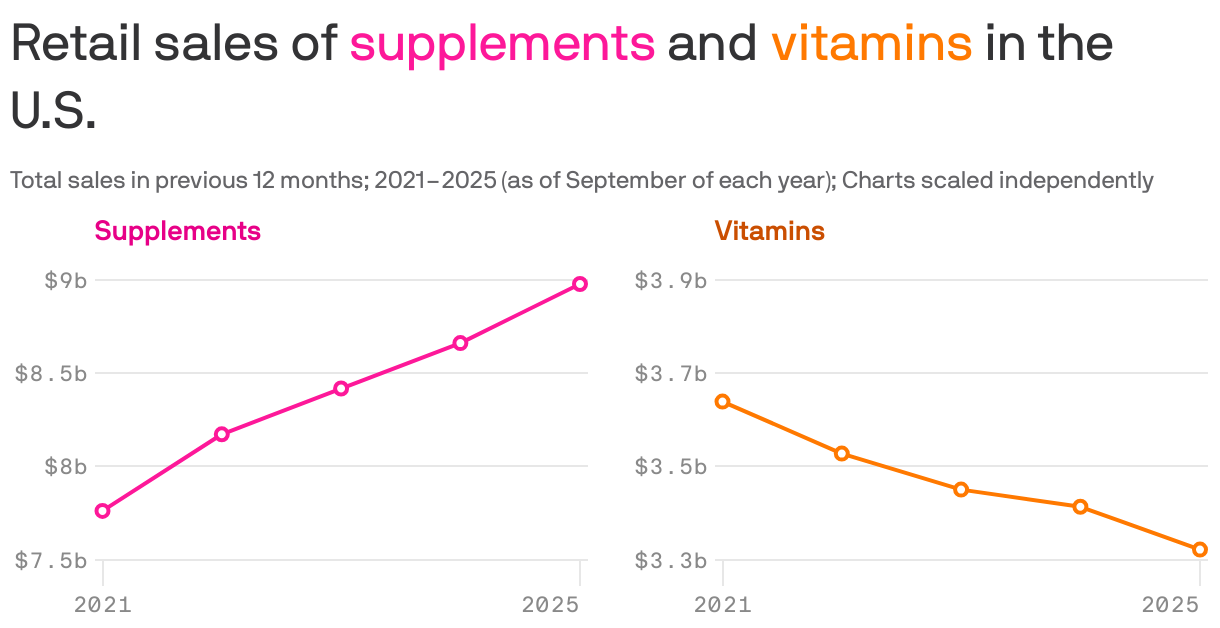
Sales of supplements, which typically contain multiple ingredients, are outselling regular old vitamins (think: vitamin C or D capsules), Axios' Ashley May writes from Nielsen IQ data.
- Why it matters: Consumers are pouring more money into products making big promises about weight loss, better sleep and stress relief — part of a bigger global shift toward spending on wellness.
Go deeper: Pulling back the curtain on the business of supplements.
Axios AM