Axios AM

May 24, 2025

π³ Happy Saturday! Smart Brevityβ’ count: 1,914 words ... 7Β½ mins. Thanks to Erica Pandey for orchestrating. Edited by Lauren Floyd.
1 big thing: AI race goes supersonic
The AI industry unleashed a torrent of major announcements this week, accelerating the race to control how humans search, create and ultimately integrate AI into the fabric of everyday life.
- Why it matters: The breakneck pace of innovation β paired with the sky-high ambitions of tech's capitalist titans β is reshaping the AI landscape faster than regulators or the public can fully comprehend, Axios' Zachary Basu reports.
1. π€ OpenAI: The ChatGPT maker joined forces with legendary Apple designer Jony Ive, acquiring his startup io in a $6.5 billion deal to create a new generation of hardware devices.
- Privately, CEO Sam Altman told staff that he and Ive aim to ship 100 million pocket-sized AI "companions" starting late next year β a moonshot he claimed could create $1 trillion in value for OpenAI, the Wall Street Journal reports.
- A day later, OpenAI announced it would build a massive Stargate data center in Abu Dhabi in partnership with the UAE government, Oracle, Nvidia, Cisco, SoftBank, and Emirati AI firm G42.
2. π₯ Google: The tech giant made 100 announcements at its I/O developer conference β chief among them, a new "AI Mode" chatbot that CEO Sundar Pichai described as a "total reimagining of search."
- Google also unveiled Veo 3, a stunningly advanced video model that lit the internet on fire β amazing and horrifying users with AI-generated clips nearly indistinguishable from human-made content.
3. π₯ Anthropic: The startup hosted its own developer conferenec and debuted the first models in its latest Claude 4 series β including one, Claude Opus 4, that it says is the world's best at coding.
- Anthropic said Claude Opus 4 can perform thousands of steps over hours of work without losing focus β and decided it's so powerful that researchers had to institute new safety controls.
- While that determination had to do with its potential to create nuclear and biological weaponry, researchers also found that Claude Opus 4 can conceal intentions and take actions to preserve its own existence β including by blackmailing its engineers.
4. π Apple: As the tech world obsessed over Ive's new partnership with OpenAI, Bloomberg reported that the notoriously secretive Apple intends to release smart AI-enabled glasses before the end of 2026.
- The rumored device β a direct rival to Meta's popular Ray-Bans and forthcoming specs from Google β would include a camera, microphones, and a speaker, effectively turning an Apple-designed wearable into an everyday AI assistant.
The bottom line: This week's frenzy was a major leap toward defining how AI will shape the next decade.
2. π The new Steve Jobs?
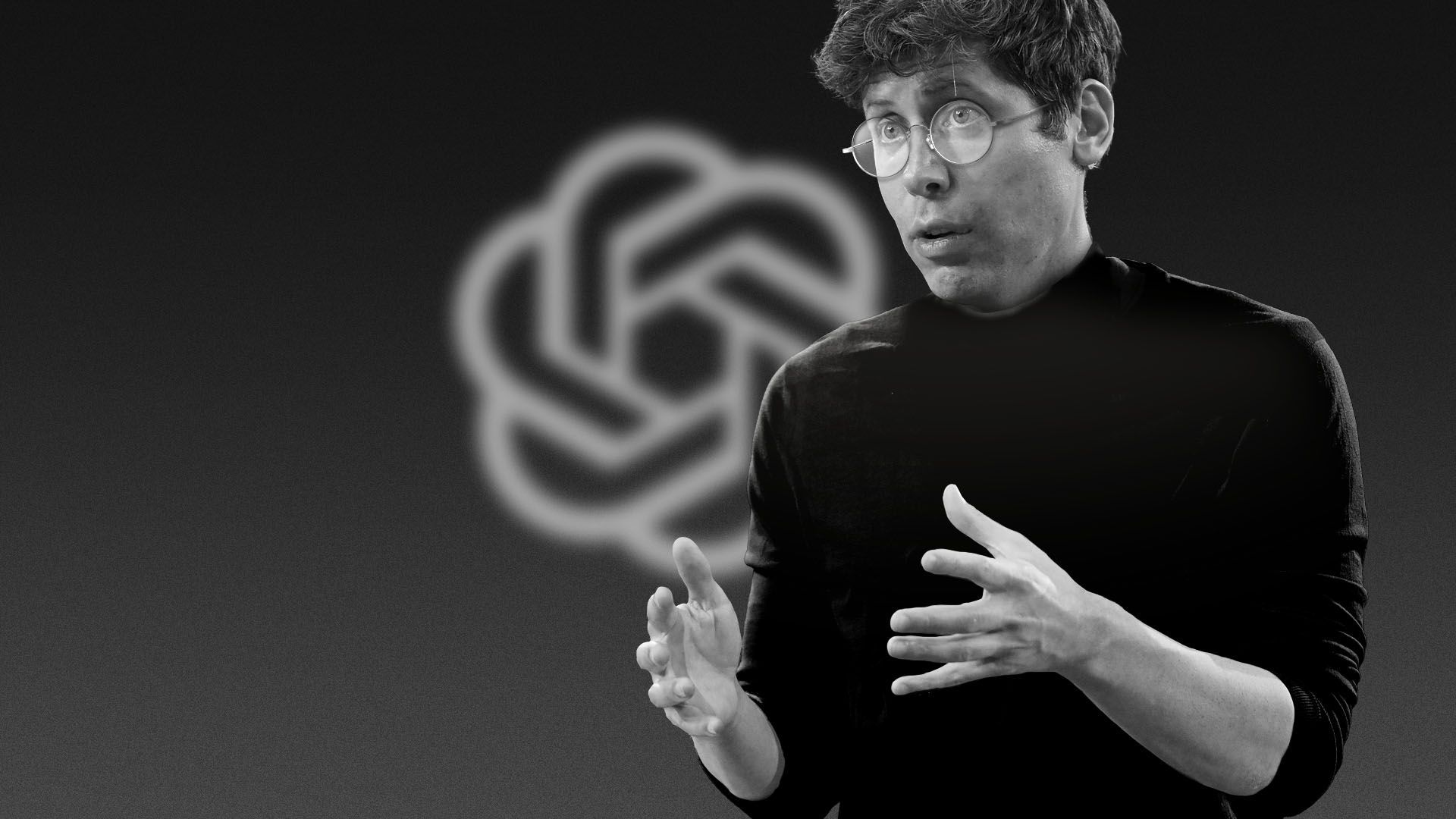
OpenAI's latest power move in the AI race is to cast CEO Sam Altman as a Steve Jobs for the new era, Axios managing editor for tech Scott Rosenberg writes.
- Why it matters: Jobs remains Silicon Valley's most revered founder, and since his 2011 death no industry figure has been able to match his success at product innovation, strategy and marketing.
β‘ Driving the news: This week OpenAI nabbed Jony Ive, the design guru who closely collaborated with Jobs to shape iconic devices like the iPhone and the iPod, to oversee a big new bet on AI hardware.
- OpenAI's promotional materials paired Altman and Ive in a video that strongly implies Altman's team-up with the Apple veteran makes him Jobs' natural successor.
- Altman has even invoked Jobs directly, saying the Apple founder would be "damn proud" of Ive's move, per Bloomberg's Mark Gurman.
π Reality check: Jobs devoted his life to Apple and was fiercely protective of the company. At the very least he would have regretted Ive's decision to pursue his next ambitious goal outside Apple. More likely, he'd have seen it as a betrayal.
Zoom out: Every Silicon Valley founder wants to be Steve Jobs at some point, and, for many industry insiders, Altman's success at bringing ChatGPT forth from OpenAI to spark the generative-AI wave qualifies as a Jobs-like leap.
- Altman shares with Jobs a penchant for vast visionary schemes and a "reality distortion field" that persuades listeners those schemes could come true.
π But there are plenty of ways in which the Altman-Jobs comparison falls short.
- Jobs was a control freak who obsessed over details and held projects back until they were well-tested.
- Altman takes more of a Zuckerberg-style "move fast and break things" approach. OpenAI ships products to the public early so users can try them out and show developers what to fix.
3. ποΈ Scoop: Trump, Rubio target NSC

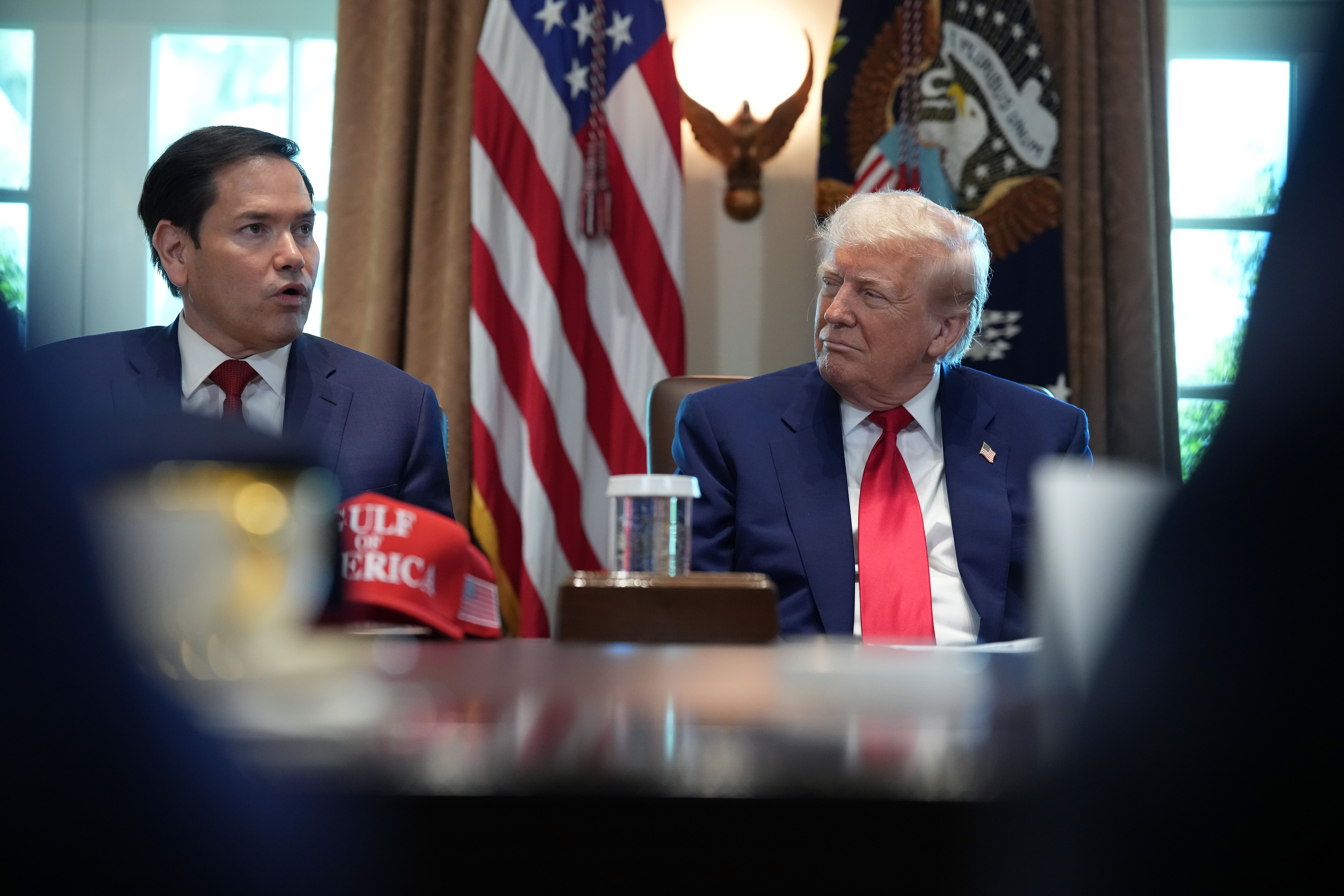
President Trump and Secretary of State Marco Rubio have orchestrated a vast restructuring of the National Security Council, reducing its size and transferring many of its powers to the State and Defense departments, Axios' Marc Caputo and Alex Isenstadt report.
- Why it matters: Trump's White House sees the NSC as notoriously bureaucratic and filled with longtime officials who don't share the president's vision.
π "The NSC is the ultimate Deep State. It's Marco vs. the Deep State. We're gutting the Deep State," a White House official said of the move, which will cut the NSC staff to about half of its current 350 members. Those cut from the NSC will be moved to other positions in government, officials said.
- "The right-sizing of the NSC is in line with its original purpose and the president's vision," Rubio told Axios in a statement. "The NSC will now be better positioned to collaborate with agencies."
Zoom in: White House officials point to an NSC structure that's filled with committees and meetings that they say slow down decision-making and produce lots of jargon and acronyms.
- Supporters of the NSC's system have long said it promotes healthy debate and discussion about policies.
πΈπΎ Administration officials cite the example Trump's move last week to call for the elimination of sanctions against Syria.
- After Trump made the announcement, a White House official said, Defense Secretary Pete Hegseth, Treasury Secretary Scott Bessent and Rubio all told their deputies to follow Trump's orders. Attorney General Pam Bondi, whose department had classified Syria's leader as a terrorist, did as well.
- "It was complete reverse workflow: Here's what the president wants, get it done," the official said. "It wasn't, 'Oh, let's get the sub-PCC [Policy Coordination Committees] to send it to the PCC to go to the DC [Deputies Committee] to go to the PC [the Principals Committee of the Cabinet secretaries].'"
π What we're watching: Rubio will continue to also be the acting national security adviser, according to two people familiar with the shuffle.
- Trump wants Rubio there "as long as possible," according to one person with direct knowledge of the move.
4. π₯ Manosphere's boost
Brands tied to masculinity or "the manosphere" β like UFC, DraftKings and John Deere β are on Americans' minds, per this year's Axios Harris Poll 100, which assigns brands scores based on factors like trust, culture and products and services.
- Why it matters: Some brands are breaking into the list for the first time, driven in part by the rising influence of the manosphere across social media, Axios' Erica Pandey reports.
π Zoom in: John Deere earned an exceptionally high reputation score at No. 11, and wasn't on the list last year.
- DraftKings (64) and UFC (82) appeared on the Axios Harris Poll 100 list for the first time this year since we started tracking brands' reputations in 2019.
The money quote: "Putting aside the social concerns of some of its darker meanings, masculinity is a pretty good business model right now," says John Gerzema, CEO of The Harris Poll. "It's counter-cultural. ... It's a modern-day Marlboro Man."
5. π Trump's unusual patience
President Trump has repeatedly shifted his positions on Ukraine to accommodate Russian President Vladimir Putin, even as Putin has given very little in return, Axios' Dave Lawler and Barak Ravid report.
- Why it matters: Trump's critics claim he's getting played β that Putin has no intention of making peace and is stringing him along. But White House officials tell Axios they still believe Putin is about to take tangible steps towards a deal.
π The big picture: For now, Trump has given Putin much of what the Russian president had hoped for: no ceasefire, no more sanctions, an intra-NATO divide, and a remarkable amount of leeway from a U.S. leader not known for his patience.
- Trump has occasionally acknowledged that Putin might be "tapping me along," and has even threatened sanctions or tariffs if Putin keeps obstructing the peace process.
- But Trump emerged from his call with Putin on Monday showing more deference to Putin than ever β rejecting calls for sanctions and stepping aside as mediator in favor of Putin's preferred format.
The latest: Russia conducted one of the largest drone and missile attacks to date on Kyiv overnight, with Ukrainian President Volodymyr Zelensky arguing that it proved Putin was dragging out the war and more sanctions were urgently needed.
Between the lines: To push Zelensky to the negotiating table, Trump berated him in the Oval Office and temporarily froze intelligence sharing and weapons shipments.
- With Putin, he's used carrots β in particular a promise of sanctions relief and better economic ties β but very few sticks.
π The flipside: The White House says Trump's diplomacy with Putin convinced him to produce the forthcoming peace memo, something he was not willing to do before.
6. π§Έ Child care crunch

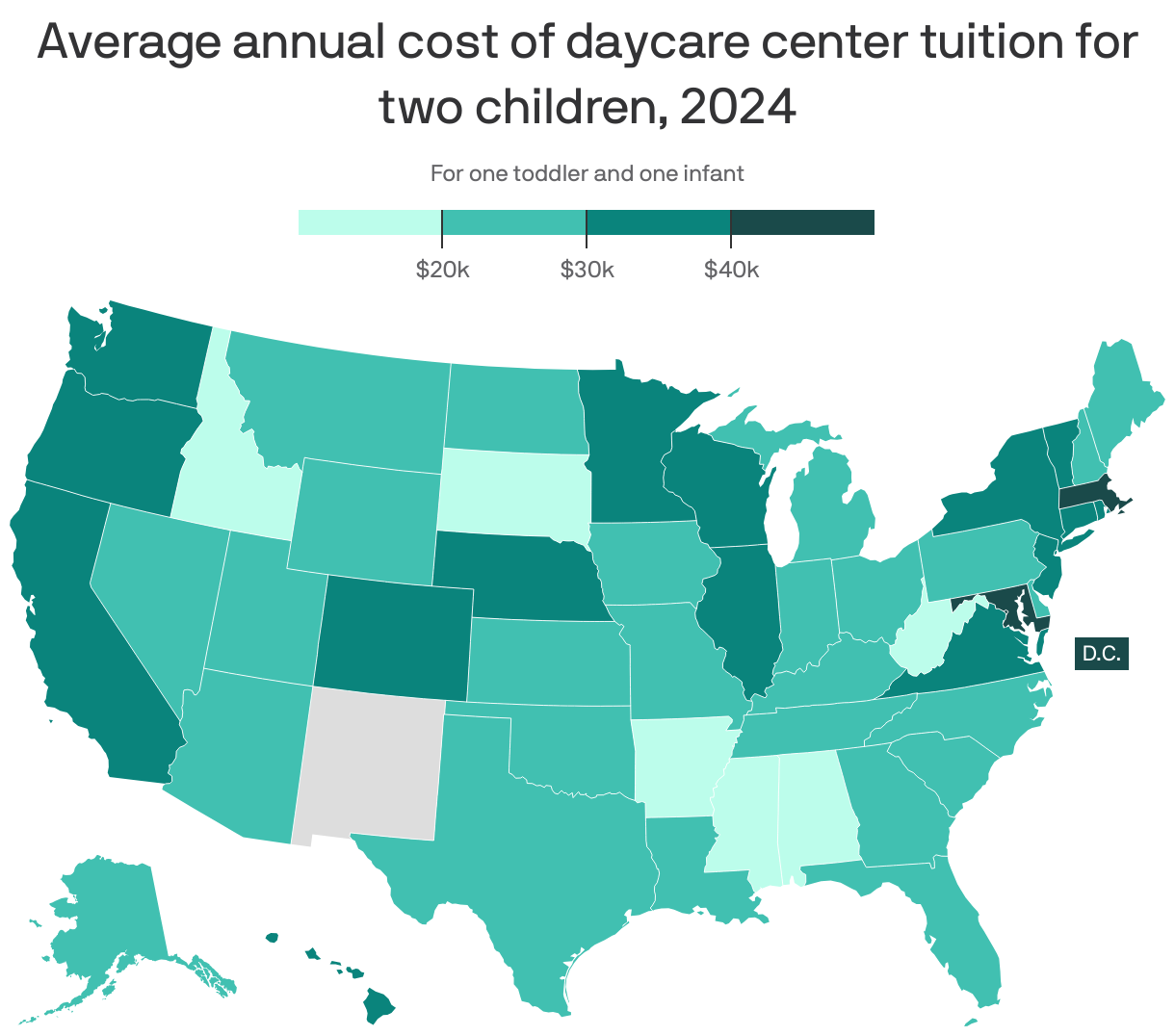
The cost of child care in the U.S. jumped 29% from 2020 to 2024, outpacing inflation, Axios' Emily Peck writes from a new report by advocacy group Child Care Aware.
- Why it matters: Rising child care costs put a huge financial strain on families, forcing some parents β typically women β to either cut back working hours or leave the labor force entirely.
π By the numbers: The average annual cost of daycare tuition nationwide for two children β one toddler and one infant β rose to $28,168 last year, the report finds.
- That's about 35% of median household annual income in the U.S., based on Census data released in 2024.
7. π¬ End of an era
Southwest Airlines will start operating a lot like other carriers next week.
- Why it matters: Southwest has prided itself on its "bags fly free" policy, flexible fares and open seating, but all of those perks are about to change, Axios Dallas' Naheed Rajwani-Dharsi reports.
π§³ Starting Wednesday, Southwest will impose checked bag fees and introduce a basic fare type that doesn't allow changes, same-day standby or transferable flight credits.
- Southwest will also switch to assigned seats next year.
8. ποΈ 1 for the road: Bookseller boom
A wave of new β and, often, younger β owners are helping the independent bookstores dramatically expand and diversify.
- By the numbers: In 2016, there were 1,244 members in the American Booksellers Association. As of this month, the ABA has 2,863 individual members β and 200+ stores in the process of opening, AP reports.
πΌ Case in point: Amber Salazar, 33, is a lifelong reader who told AP she felt angered "to the core" as she learned of book bans around the country.
- Last year, she opened Banned Wagon Books in her hometown of Colorado Springs, Colo., featuring frequently censored works like Maia Kobabe's "Gender Queer," Angie Thomas' "The Hate U Give" and Toni Morrison's "Beloved."
The bottom line: Independent stores will likely never recover their power of 50 years ago, before Barnes & Noble and Amazon. But the days of industry predictions of extinction seem well behind.
π¬ Thanks for reading! Please invite your friends to join AM.
Sign up for Axios AM


/2025/05/23/1748034062586.gif?w=3840)