Scoop: Trump, Rubio take aim at National Security Council's "Deep State"


Add Axios as your preferred source to
see more of our stories on Google.
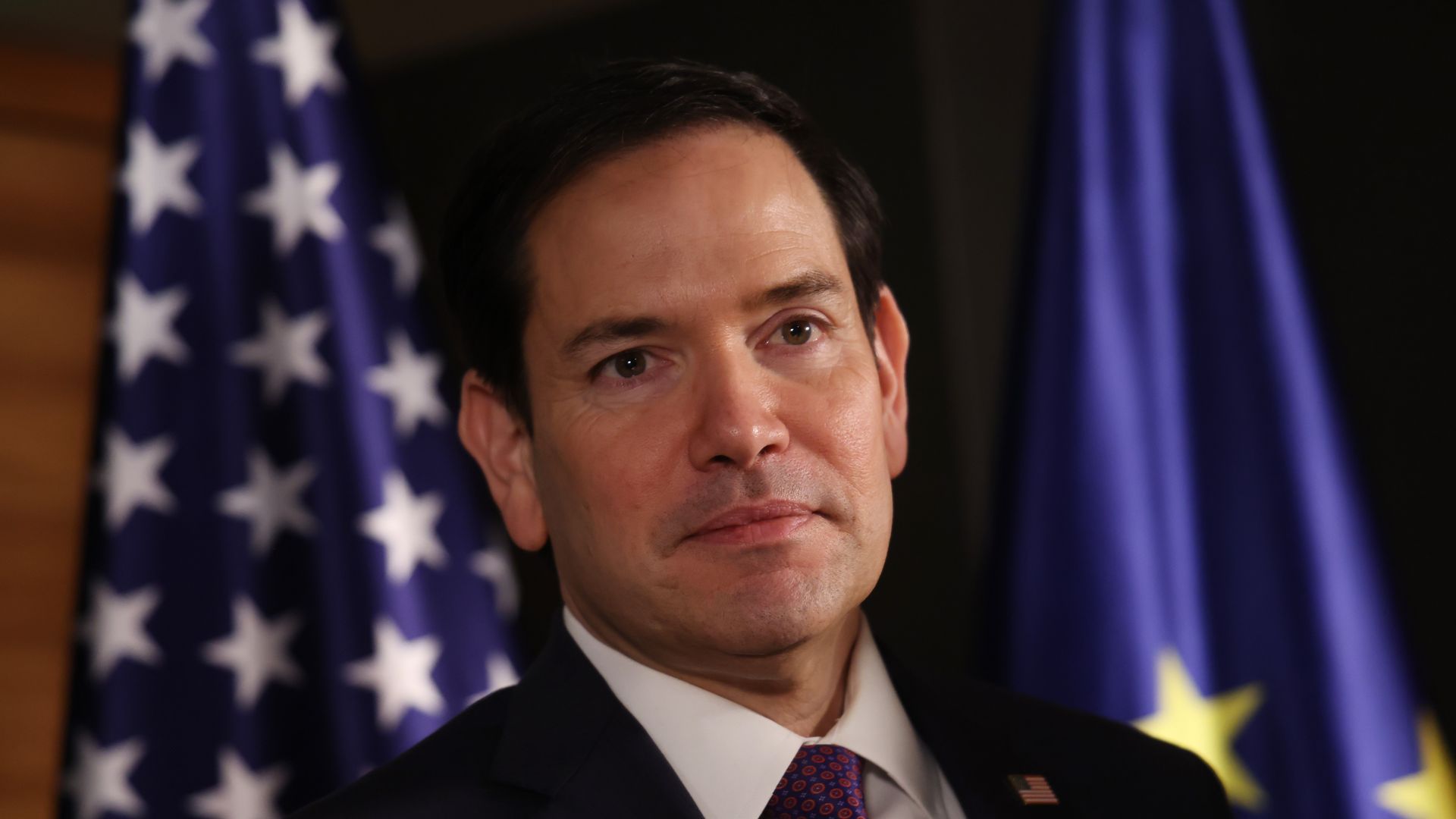
Secretary of State Marco Rubio at the 61st Munich Security Conference in February. Photo: Sean Gallup/Getty Images
President Trump and Secretary of State Marco Rubio have orchestrated a vast restructuring of the National Security Council, reducing its size and transferring many of its powers to the State and Defense departments.
Why it matters: Trump's White House sees the NSC as notoriously bureaucratic and filled with longtime officials who don't share the president's vision.
- A White House official involved in the planning characterized the reorganization as Trump and Rubio's latest move against what they see as Washington's "Deep State."
- "The NSC is the ultimate Deep State. It's Marco vs. the Deep State. We're gutting the Deep State," the official said of the move, which will cut the NSC staff to about half of its current 350 members. Those cut from the NSC will be moved to other positions in government, officials said.
- "The right-sizing of the NSC is in line with its original purpose and the president's vision," Rubio told Axios in a statement. "The NSC will now be better positioned to collaborate with agencies."
Zoom in: White House officials point to an NSC structure that's filled with committees and meetings that they say slow down decision-making and produce lots of jargon and acronyms.
- There's a "sub-PCC," an advisory body to the "PCC" (Policy Coordination Committees) and they feed the DCs (Deputies Committee), which in turn advise the PC (the Principals Committee of the Cabinet secretaries).
- "That's the bottom-to-the-top approach that doesn't work. It's going away," a senior White House official said. "All those things feeding up to principals are the unnecessary piece."
- A third senior White House official said the NSC's focus would be to "coordinate and advise — not carry out — policy."
Zoom out: Supporters of the NSC's longtime system have long said it promotes healthy debate and discussion about policies.
- A senior Trump administration official said the NSC's bureaucracy may have been necessary for other presidents who've had secretaries and agencies at war with each other — but not Trump's team.
- "If you have officials fighting each other and their agencies always involved in turf wars, you maybe need this process," the official said.
- "That's not what you have here. Rubio, [Treasury Secretary Scott] Besssent, [Defense Secretary Pete] Hegseth, [Attorney General Pam] Bondi — all of them know each other and like each other, and they know they're there to execute the president's will."
Administration officials cite the example Trump's move last week to call for the elimination of sanctions against Syria.
- After Trump made the announcement, a White House official said, Hegseth, Bessent and Rubio all told their deputies to follow Trump's orders. Bondi, whose department had classified Syria's leader as a terrorist did as well.
- "It was complete reverse workflow: Here's what the president wants, get it done," the official said. "It wasn't, 'Oh, let's get the sub-PCC to send it to the PCC to go to the DC to go to the PC.' "
Inside the room: Rubio will continue to also be the acting national security adviser, according to two people familiar with the shuffle.
- Trump wants Rubio there "as long as possible," according to one person with direct knowledge of the move. "Marco is the one in charge and calling the shots."
- Andy Baker and Robert Gabriel will serve as deputy national security advisers under the new arrangement. Baker currently is national security adviser to Vice President Vance, and he will continue in that role while taking on this new responsibility.
- Gabriel currently is assistant to the President for Policy.
Flashback: Rubio became acting national security adviser earlier this month, after Mike Waltz left the role and was nominated to be UN ambassador.
- Rubio, who presided over the gutting of USAID and is trying to streamline the State Department, has long viewed some career staffers in the agencies as impediments to Trump, which the then-senator mentioned to the president when he crafted his Cuba policy in 2017.
- "What you've committed to do on Cuba, what you want to do on Cuba, is never going to come from career staff. It's going to have to come from the top down. You're going to have to tell them what to do," Rubio told Trump.
