Axios AM

January 31, 2025

1 big thing: Trump's crisis chaos
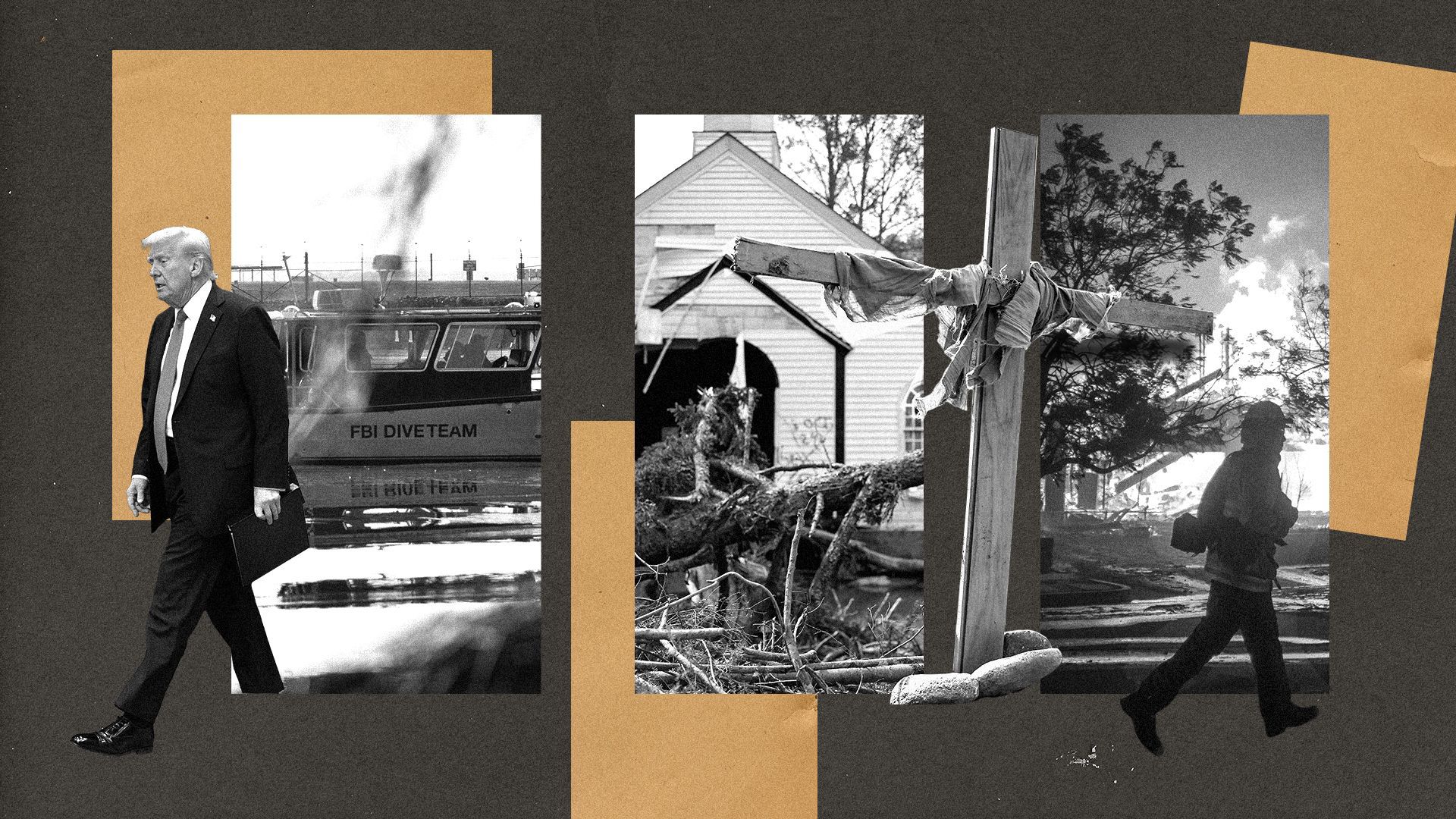
In his first national tragedy, President Trump posted like a pundit, speculated needlessly, and blamed Democrats and DEI even though the specifics were unknown, Axios' Zachary Basu writes.
- Why it matters: The traditional presidential playbook is boring by design — pray for the lost and their families, reassure the public, promise a swift investigation. That has never been Trump's style.
🖼️ The big picture: It's vintage Trump: His instincts for bare-knuckle brawling were a huge asset during his four years in the wilderness, helping to fuel a historic political comeback.
- But Trump is president now, not a powerless pundit. His words carry the weight of the U.S. government.
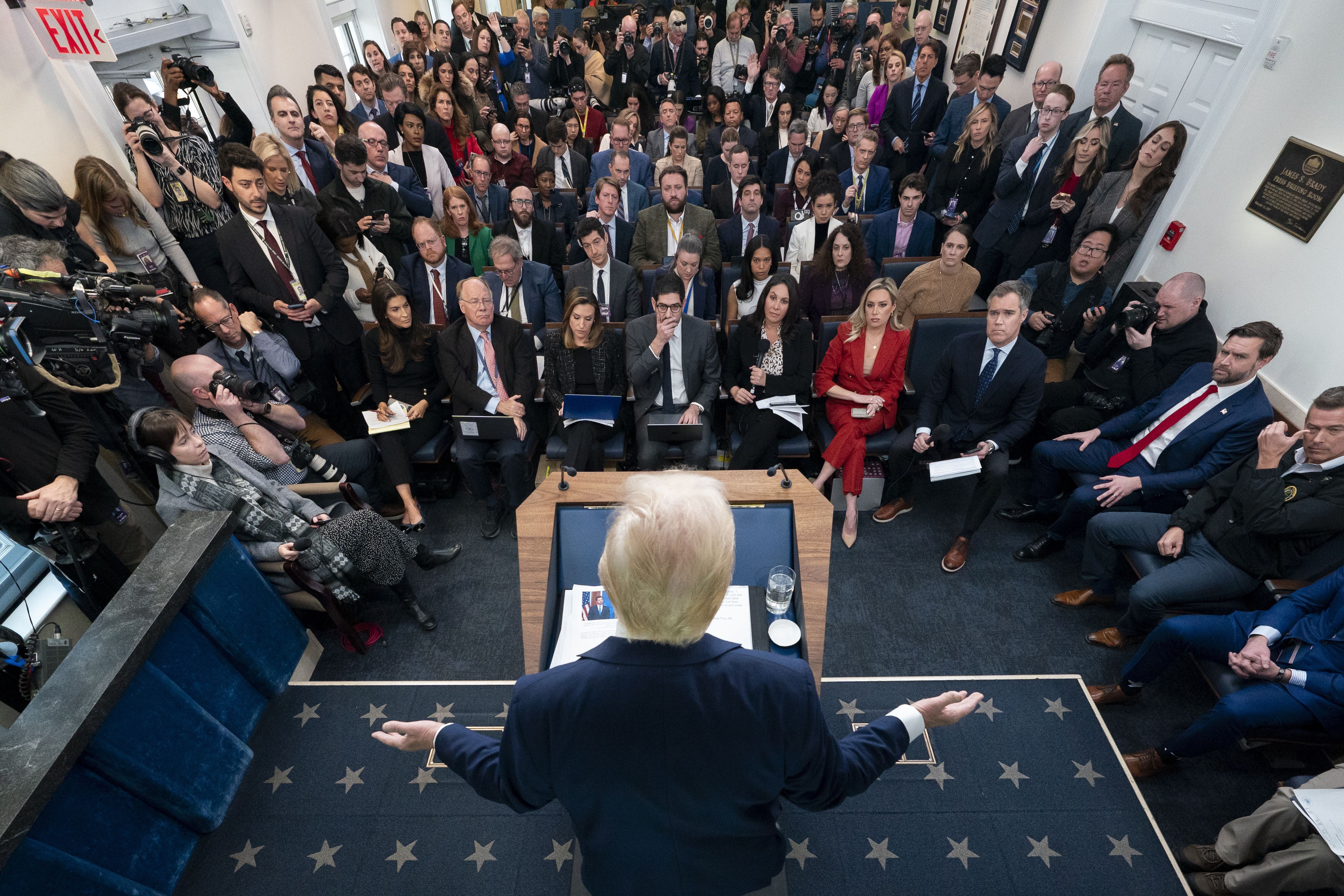
Zoom in: As bodies were still being recovered from the Potomac River, Trump began a press conference at the White House with a moment of silence and request for national unity.
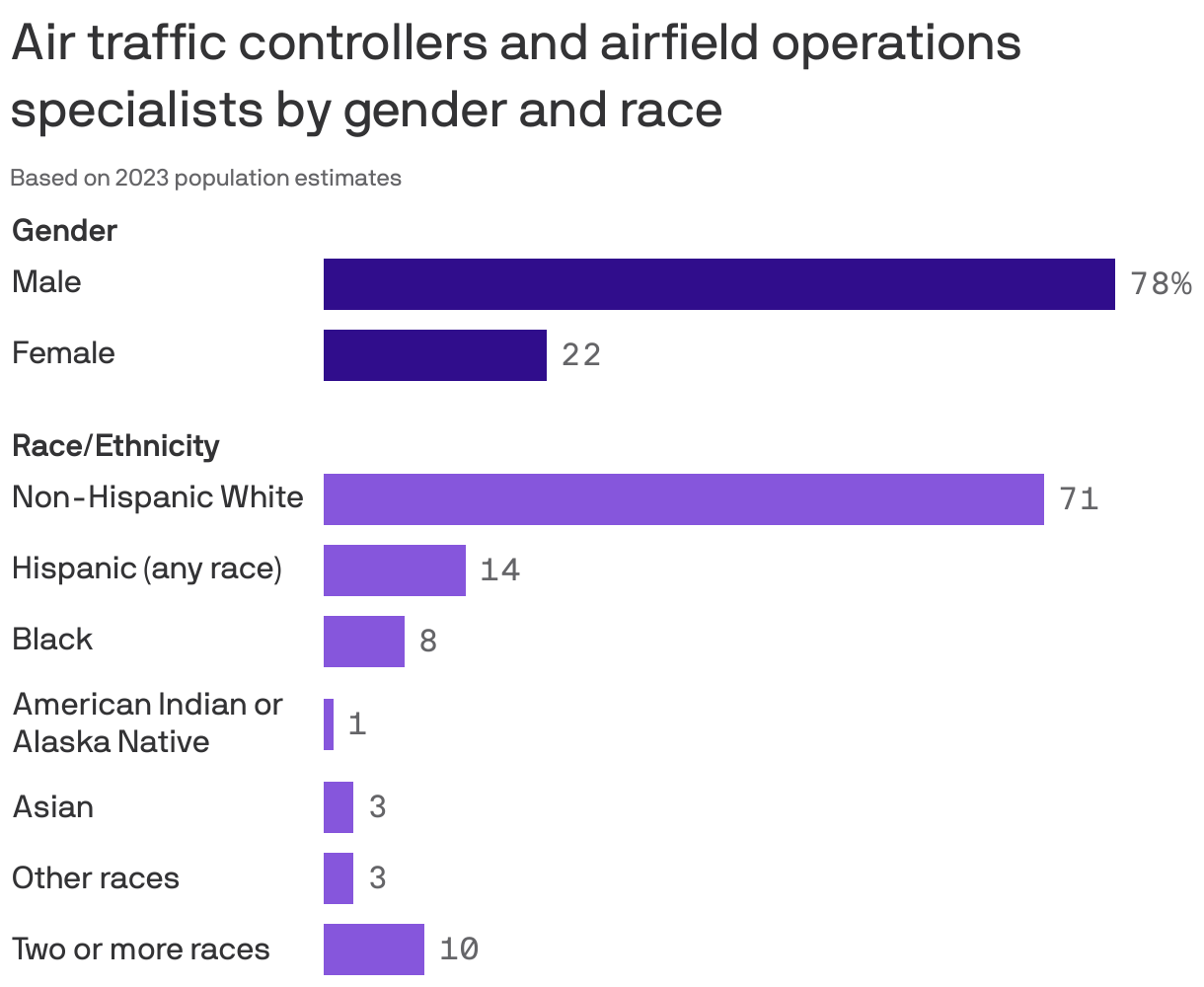
- Moments later, he pivoted to attacking his Democratic predecessors, Presidents Biden and Obama, and accusing the FAA of prioritizing diversity over air safety.
Trump acknowledged an investigation was needed to determine the exact causes of the crashes, but cited "common sense" when asked how he knew diversity hiring could have played a role.
- "They actually came out with a directive — 'too white,'" Trump claimed of the FAA under Obama. "Their policy was horrible and their politics was even worse."
Later yesterday, Trump signed a memo ordering a review of all federal aviation hiring and safety decisions — and explicitly blaming his predecessors for the collision.
- "This shocking event follows problematic and likely illegal decisions during the Obama and Biden Administrations that minimized merit and competence" in the FAA, the memo alleged.
🥊 Reality check: There's no evidence that Obama or Biden's hiring policies at the FAA led to any kind of decline in aviation safety.
- The "disabilities" language that Trump now opposes was in FAA regulations during his entire first term and first appeared around 2013, according to the fact-checking website Snopes.
The FAA administrator under Biden resigned when Trump took office, and the agency had been leaderless until Trump tapped Chris Rochealeau after the crash.
2. 🛬 Country's busiest runways
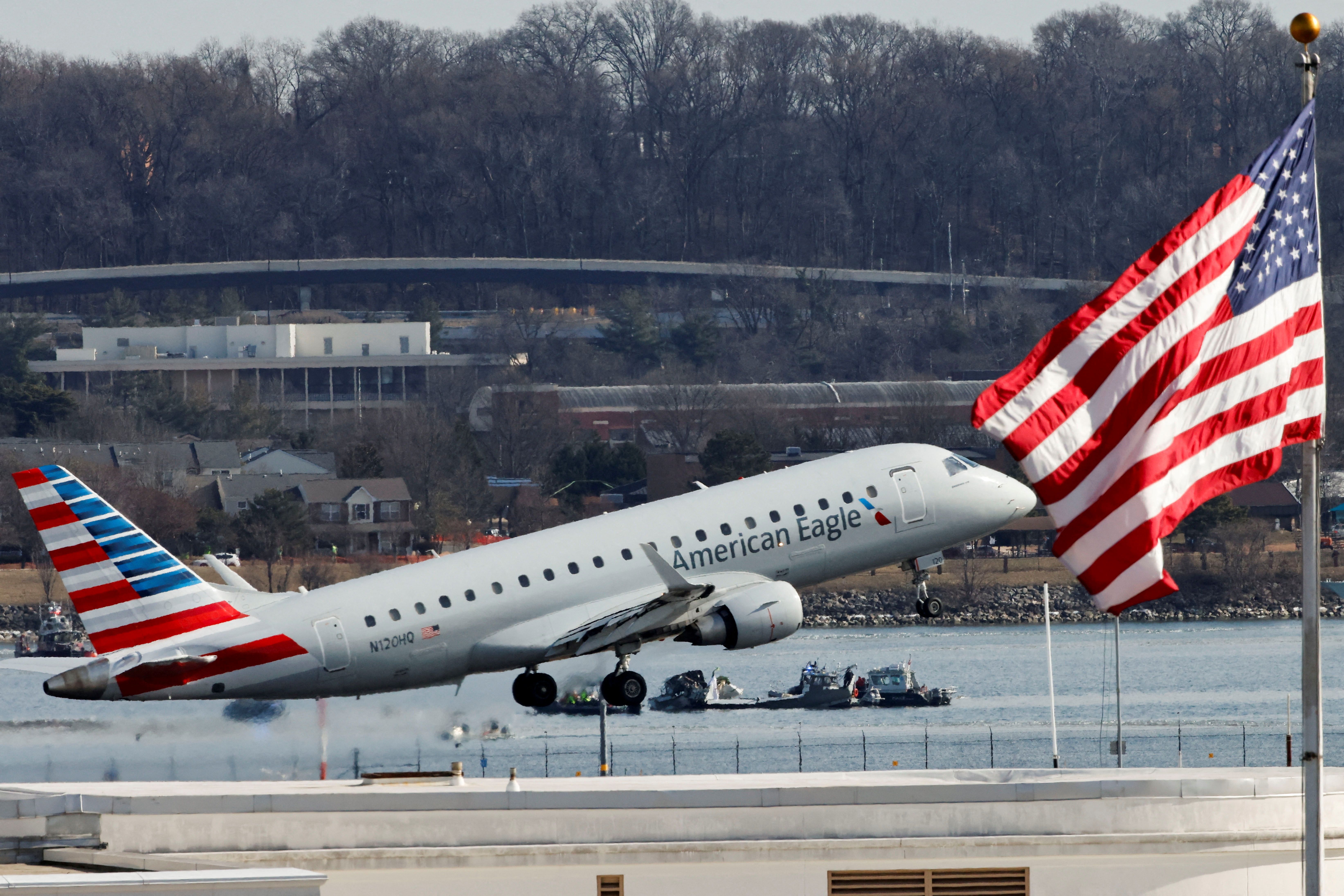
The midair collision at Reagan National Airport — which killed 67, making it the deadliest U.S. plane crash in 23 years — exacerbates long-held fears about the airport's overcrowding and air traffic control understaffing, Axios D.C.'s Mimi Montgomery writes.
- Just last year, Congress added more long-haul flights to DCA despite fears they would jeopardize safety. The airport saw at least two near-misses in 2024.
The main runway is now the country's busiest, according to the Metropolitan Washington Airports Authority (MWAA).
- The runway sees 800 takeoffs and landings a day — or one almost every minute.
🔎 Zoom in: Navigating the skies around the airport is notoriously tough.
- Its short runways sit along the Potomac River in one of the most protected airspaces in the country. Pilots often have to share the area with low-flying military helicopters.
The tussle for more flights has been driven by airlines and members of Congress, many of whom want direct flights home.
- The airport has become increasingly congested: It was built to accommodate 15 million passengers a year. It now sees 25 million.
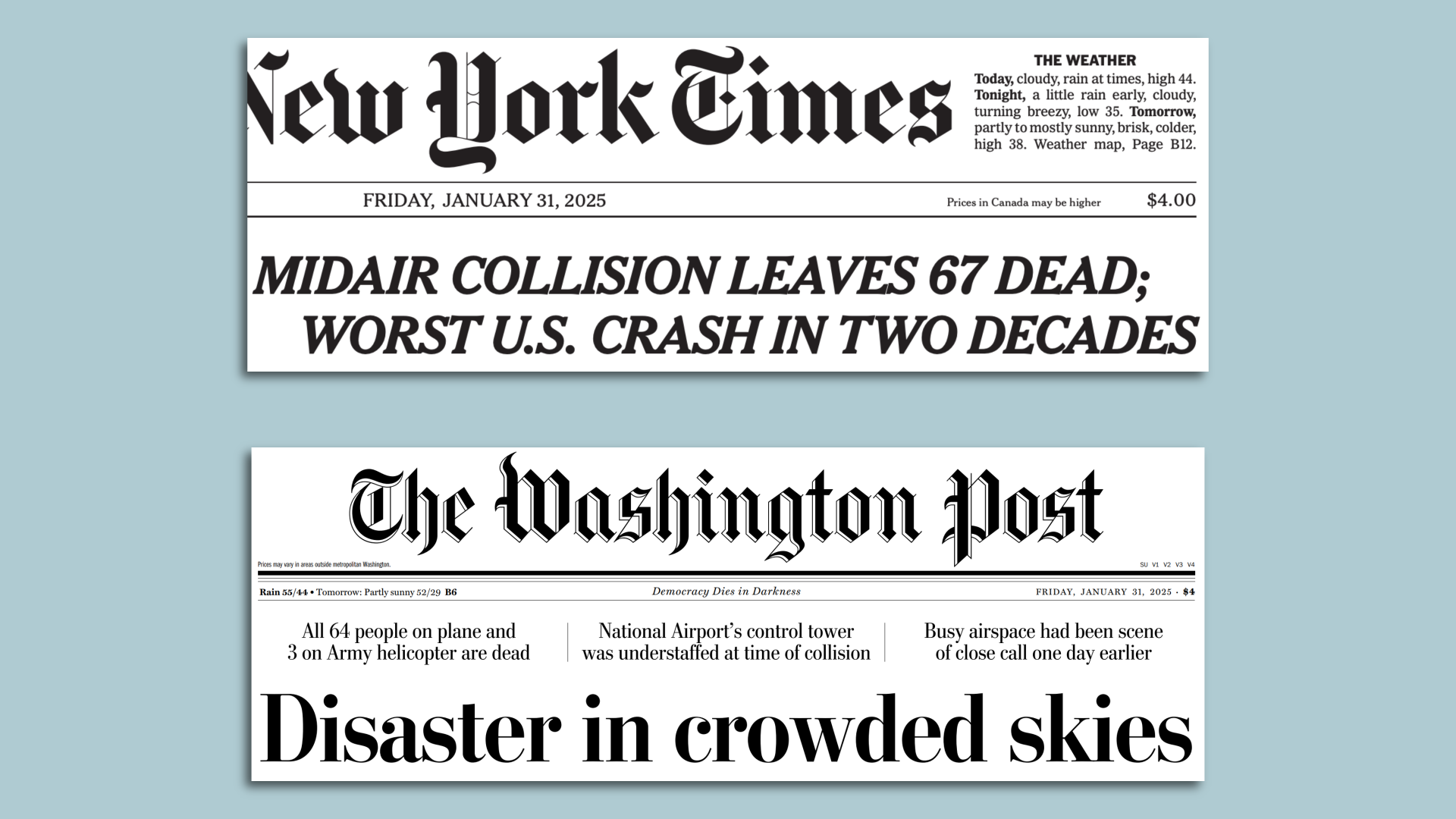
Multiple layers of the country's aviation safety apparatus apparently failed in the crash, the N.Y. Times reports:
- The helicopter flew outside its approved flight path — "above 300 feet, when it was supposed to be flying below 200 feet, and it was at least a half-mile off the approved route when it collided with the commercial jet."
- The American Airlines pilots most likely didn't see the helicopter close by as they made a turn toward the runway: "As the passenger jet's pilots were approaching the airport, they were asked by air traffic control to pivot the landing from one runway to another ... That request may have introduced another complication shortly before the collision."
- The air traffic controller was juggling two jobs: Staffing was "not normal for the time of day and volume of traffic," a preliminary FAA report said. Five current and former controllers told The Times that the tower "should have more proactively directed the helicopter and the plane to fly away from each other. Instead, the controller asked the helicopter to steer clear of the plane."
Keep reading (gift link).
3. 🎤 Axios interview: Trump's Middle East envoy

White House envoy Steve Witkoff said in an interview at the end of his trip to the Middle East that rebuilding Gaza could take between 10 and 15 years.
- "What was inescapable is that there is almost nothing left of Gaza," Witkoff told Axios' Barak Ravid.
- "People are moving north to get back to their homes and see what happened and turn around and leave ... There is no water and no electricity. It is stunning just how much damage occurred there."
Why it matters: The Trump administration wants to see the ceasefire continue and Gaza stabilized so it can move forward with its ambitious plans for the Middle East, including a peace agreement between Saudi Arabia and Israel and trying to get a deal with Iran on its nuclear program.
4. 🇨🇳 China builds nuke-resistant bunker

China's military is building a massive complex in western Beijing that would be the world's largest military command center — at least 10 times the size of the Pentagon, the Financial Times reports.
- Why it matters: The 1,500-acre construction site has "deep holes that military experts assess will house large, hardened bunkers to protect Chinese military leaders during any conflict — including potentially a nuclear war," per the FT.
Major construction started in mid-2024. Some intelligence analysts are calling the project "Beijing Military City."
- "Chinese leaders may judge that the new facility will enable greater security against U.S. 'bunker buster' munitions, and even against nuclear weapons," a former senior U.S. intelligence official told the FT.
5. 🦾 D.C.'s AI show-and-tell
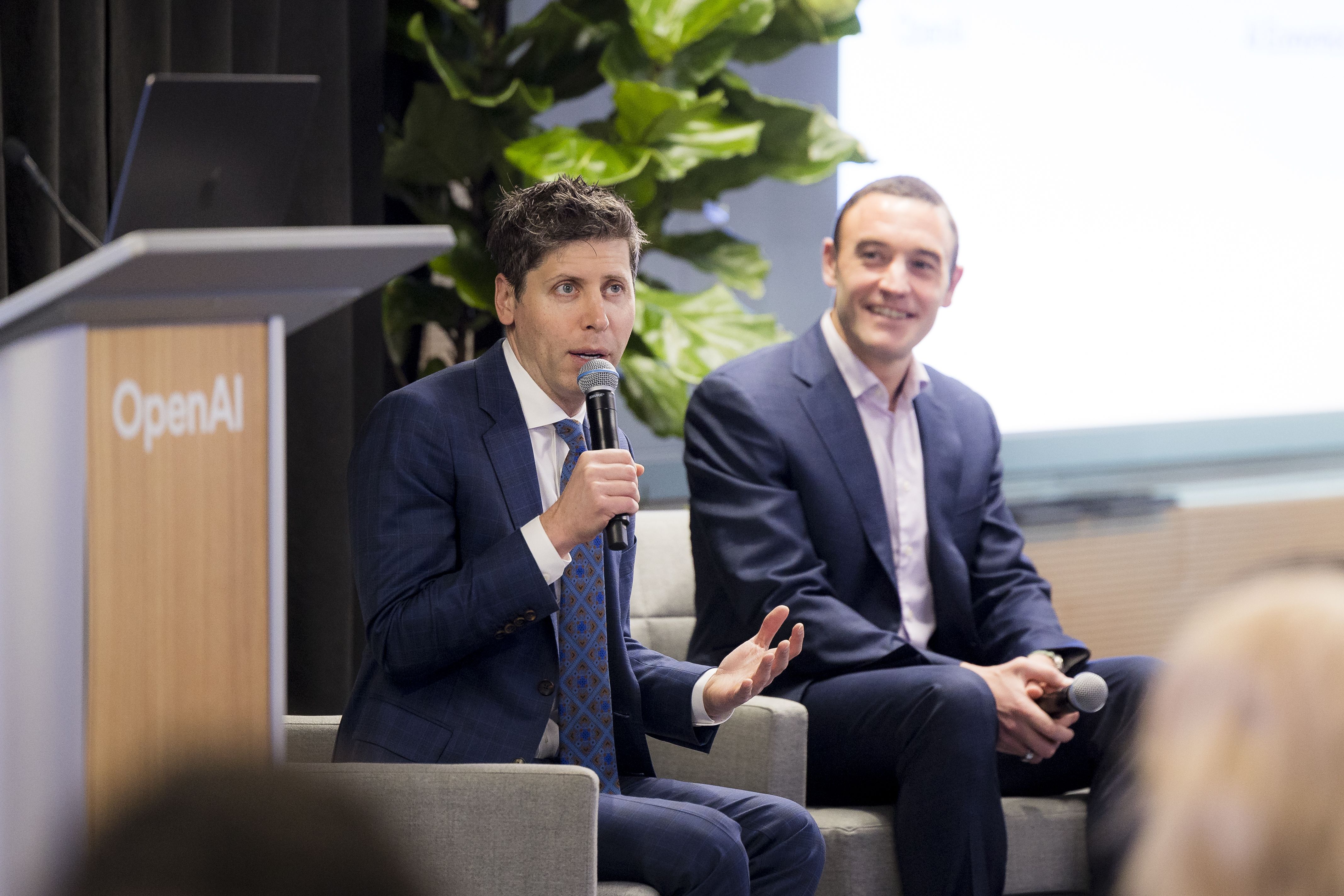
OpenAI CEO Sam Altman gave government leaders, policy experts and journalists a sneak peek at coming technology yesterday during an off-the-record demo near Capitol Hill.
- Why it matters: The briefing was designed both to show how the U.S. can maximize economic benefits of AI, and to warm D.C. leaders to coming capabilities so they're less likely to be caught off-guard.
Referring to new agentic technology that can independently complete tasks in the real world, Altman said:
- "My intuition would be that ... these things are [a] single-digit percent of the economic value we will pass to the U.S. economy. This is going to be a big, big efficiency gain."
🕶️ Spotted at the briefing: Interior Secretary Doug Burgum (confirmed yesterday) ... Lynne Parker, executive director of President Trump's Council of Advisors for Science and Technology (PCAST) ... Sriram Krishnan, White House senior policy adviser for AI ... Jacob Helberg, Trump's designee for Under Secretary of State for Economic Growth, Energy, and the Environment ... Sen. Mike Rounds (R-S.D.) ... Kellyanne Conway ... Wally Adeyemo, former deputy Treasury secretary under President Biden ... retired House Financial Services Chair Patrick McHenry ... former Sen. Laphonza Butler (D-Calif.).
6. 🙏 Episcopal churches see surge of interest, rage
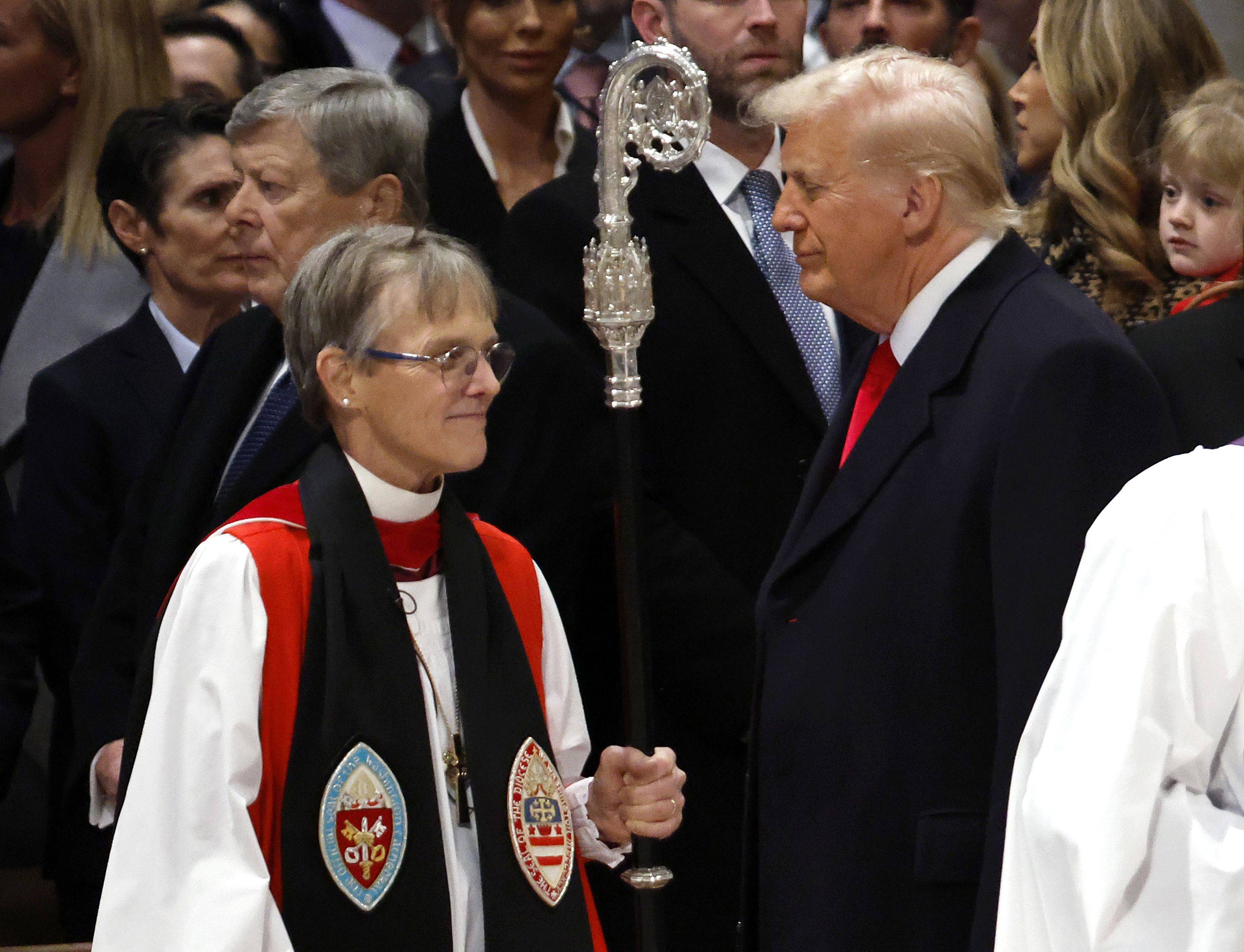
After an Episcopal bishop's viral sermon during an inauguration prayer service, parishes in the church are being targeted with anger as well as a surge of interest from prospective members, Axios Salt Lake City's Erin Alberty writes.
- Why it matters: Congregations reported a spike in attendance — along with angry calls — on the first Sunday after Bishop Mariann Budde's sermon in D.C. last week.
With President Trump in attendance, she implored him to "have mercy" for undocumented immigrants and LGBTQ+ people.
- Trump demanded an apology, saying, "She is not very good at her job!"
👓 Between the lines: Don't expect your local Episcopal priest to shy away from politics, said the Right Rev. Phyllis A. Spiegel, the bishop who oversees the Diocese of Utah.
- "I always make the distinction between partisan and political, because Jesus is one of the most political figures in history," Spiegel told Axios. "We cannot expect the gospel not to be political. Jesus came to speak truth to power. How is that not political?"
7. 🏆 Fortune's most admired companies

Apple leads Fortune's list of the world's most admired companies for the 18th straight year.
- Why it matters: The criteria include a company's "innovativeness, its wise use of corporate assets, and its responsibility to the community and environment," Fortune says.
The list is based on a survey of more than 3,300 executives. The top 10:
- Apple
- Microsoft
- Amazon
- Nvidia
- Berkshire Hathaway
- Costco
- JPMorgan Chase
- Walmart
- Alphabet
- American Express
8. 🐾 1 fun thing: Viral capybara cutie

Tupi, the San Antonio Zoo's capybara, is only two months old, but he has already captured the hearts of locals and animal lovers worldwide, Axios San Antonio's Madalyn Mendoza writes.
- Why it matters: Tupi's undeniable cuteness and quirky personality have turned the capybara into a viral sensation.
He's helping boost visibility for the San Antonio Zoo during a time when zoos are eager to replicate the viral success of animals like Moo Deng, the pygmy hippo.
- The buzz has generated a New York Times feature and a $TUPI memecoin (which the zoo doesn't profit from).
Axios AM