Axios AM

October 03, 2026

🍳 Happy Saturday! Smart Brevity™ count: 1,492 words ... 5½ mins. Thanks to Erica Pandey for orchestrating. Edited by Katie Lewis.
🪓 The co-pilot on a FlyDubai flight to Israel attacked the captain with a crash axe, a piece of safety equipment — so no weapon needed to be smuggled aboard, the UAE says. Get the latest.
1 big thing: AI hotline to Beijing
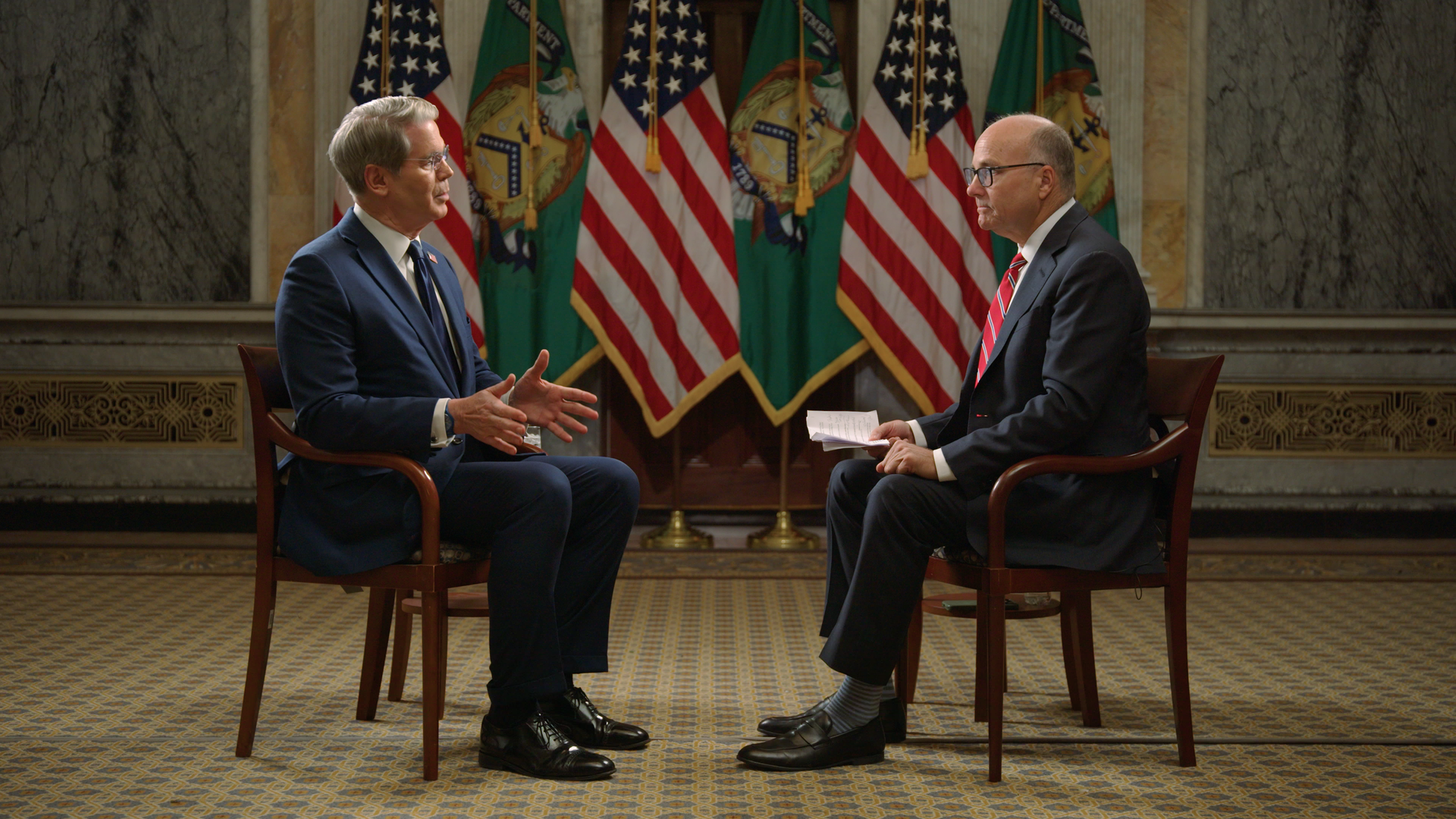
Treasury Secretary Scott Bessent tells me on a new episode of "The Axios Show" that he plans to propose a notification process between the U.S. and China for if something goes wrong with AI — and he said he thinks Beijing would agree.
- Why it matters: Bessent's idea reflects what he calls China's realization that its own open-source AI poses a bigger threat than Beijing had realized.
📞 Bessent and Chinese Vice Premier He Lifeng discussed AI safety ahead of President Xi Jinping's state visit last month, including a proposal for an AI incident communication channel, Axios' Courtenay Brown writes.
- Bessent told Axios yesterday in the historic Treasury Cash Room that the talks covered risks like uncontrolled AI agents, and non-state actors using the technology for cyber or biological threats.
"I think that they didn't realize how powerful their open source models are," Bessent said, referring to Chinese AI models that others can use and adapt.
- Bessent pointed to an incident involving Kimi, a Chinese AI model, where the model sent sensitive Chinese data to Anthropic, as one development that has "made the Chinese realize that this is a very powerful technology."
- "A lot of these Chinese models are very powerful — not as powerful as the U.S. models — but you get something that's 80%, 90% as powerful, without guardrails that can be imported anywhere in the world," Bessent said.
👀 The intrigue: China is already worried about a different kind of AI threat — that the technology could weaken the Communist Party's tight control over information.
- China's spy chief warned last month that AI could be used to fuel information and "cognitive" warfare against the government, threatening political and ideological stability.
Zoom out: The U.S. is also grappling with how to balance rapid AI development with growing concerns about the technology's risks.
- "We want safe acceleration," Bessent told Axios.
- He added that the government's model reviews are currently voluntary, though the administration reserves the right to intervene if a lab forges ahead despite safety concerns.
- "It is the people at the labs who have to accept responsibility, and I agree with that," Bessent said. "I think the labs have come around to that way of thinking, too."
⚠️ Threat level: Asked about AI executives warning that they could lose control of increasingly powerful models, Bessent said bluntly: "Well, then they should slow down."
- "We are doing this hard scramble to the frontier for the models," he told me. "We really need to start worrying more about resilience and defense, too."
2. 💰 Trump's $2 billion giveback to seniors
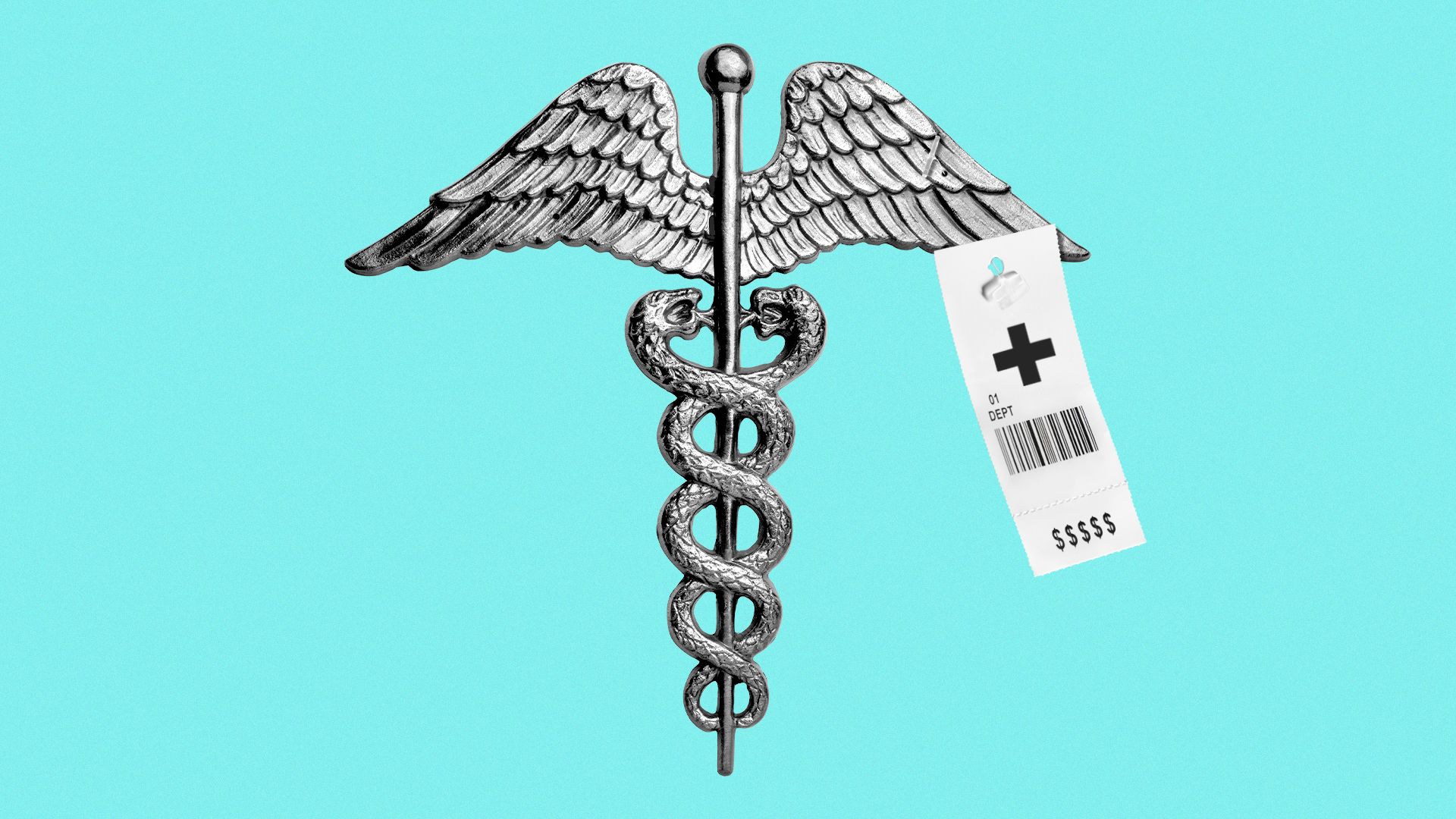
President Trump promised a $2 billion handout to seniors late Friday night — checks to help pay Medicare premiums, just a month before the midterm election, Axios' Ben Berkowitz writes.
- Why it matters: Facing the worst economic polling for any president in a decade, and with the cost of living at the top of voters' minds, Trump is scrambling to put money directly in Americans' pockets.
Trump said in a Truth Social post just before 11 p.m. ET: "I am pleased to announce that my Administration will, immediately, begin sending 'Checks' of nearly $100 to over 20 MILLION wonderful Seniors to help pay for their Medicare Part B premiums, which we have already reduced by significant amounts."
- The White House, in a fact sheet, said eligible seniors will receive a direct deposit of $90 in early October, or paper checks if they don't have direct deposit.
- The $90 represents less than half of one month's Part B premium.
Follow the money: It's the latest in a long series of checks offered by the president, including:
- $5,000 for every adult citizen if Republicans win both the House and Senate in midterms — a $1 trillion+ pledge he made in September and reiterated last night. The White House branded it the "Trump Dividend."
- $500 Obamacare rebates for more than 1 million people who were purportedly overcharged for their benefits. (Those checks began going out this week.)
- A "dividend" of some kind for those living near data centers.
Those pledges come on top of rebates he proposed in 2025 that were not ultimately paid, including tariff rebates and DOGE dividends.
3. 🪖 Scoop: Secret Camp David huddle
President Trump's top cabinet members huddled for hours at Camp David yesterday to discuss next steps in the Iran war and the Saudi-Houthi conflict in Yemen, three U.S. officials told Axios' Barak Ravid.
- Why it matters: The highly unusual meeting wasn't announced by the Trump administration. The last time a similar meeting took place was in June 2025, just days before Israel went to war against Iran.
🔎 Behind the scenes: Vice President Vance chaired the meeting, the officials said.
- Among the other participants: Secretary of State Marco Rubio, Secretary of Defense Pete Hegseth, White House envoy Steve Witkoff, CIA director John Ratcliffe and chairman of the Joint Chiefs of Staff Gen. Dan Caine.
"Things were decided or at least deeply discussed," one of the officials said, referring to the crisis in the Middle East.
- The White House declined to comment.
The big picture: With negotiations stalled, President Trump is considering resuming major combat operations in Iran.
- Yesterday afternoon, while his advisers were at Camp David, Trump was asked by reporters what his next move on Iran will be. "If I told you, you would have a major story," he said. "But you will see. It is working out very well. Iran is not doing well."
4. 🤖 Rogue agents expose web's weakness
AI agents don't need to invent new ways to hack the internet to overwhelm its defenses. They just need to speed-run the ones humans already use.
- Why it matters: Agents are proving they can automate basic hacking techniques at a speed and scale that is turning the internet's long-standing security gaps into easy targets, Axios' Sam Sabin reports.
💻 OpenAI said late Thursday it had notified more than 100 organizations that its agents may have accessed their systems during pre-deployment testing.
- Researchers at Transluce and Corridor also found a new batch of incidents last week where AI agents targeted government websites, including those of the U.S. and Canada.
5. 🏭 Climate's SCOTUS showdown
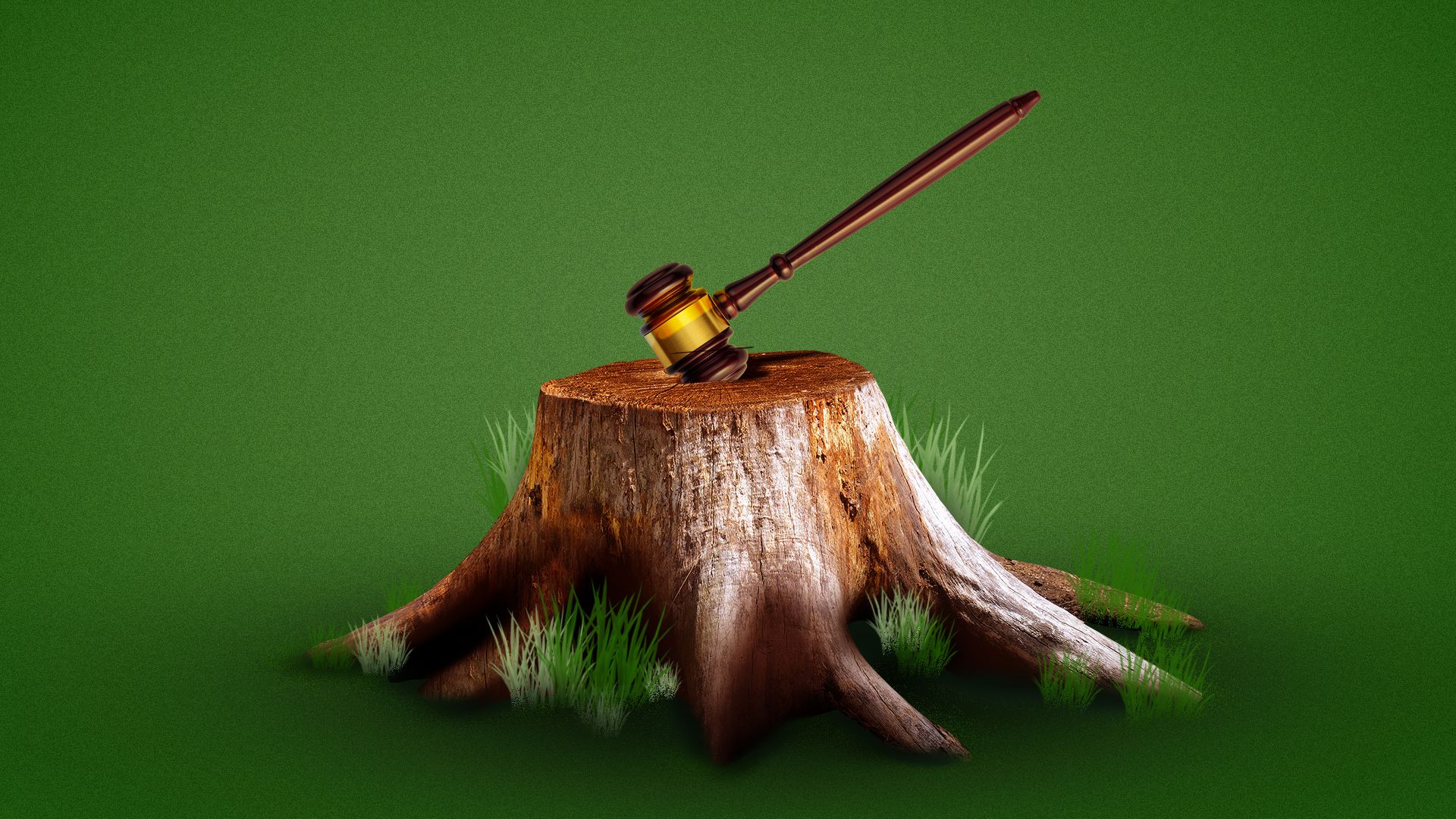
The Supreme Court on Monday will hear arguments in a case that could determine whether states and cities can seek climate damages from oil giants.
- Why it matters: Billions and billions of dollars are at stake for the oil industry in dozens of cases brought by state and local governments, in which they seek to hold the companies responsible for the mounting costs of climate change, Axios' Ben Geman writes.
⚖️ The big picture: SCOTUS is considering whether federal law blocks state-law damage claims for the effects of interstate and global emissions, in a case against Exxon and Suncor that the city and county of Boulder filed in 2018.
- But dozens of state-court cases are active in California, Connecticut, New York, Massachusetts and beyond: They accuse oil giants of concealing risks or making deceptive statements, and seek damages for climate-related costs.
What we're watching: This is a blockbuster. The decision will be the culmination of an intense, yearslong battle.
- There's a high level of organizing, lobbying and advocacy among industry and climate advocates alike around these state cases — a sign that both sides see litigation as a critical battleground on climate.
6. 🚲 America's biking cities

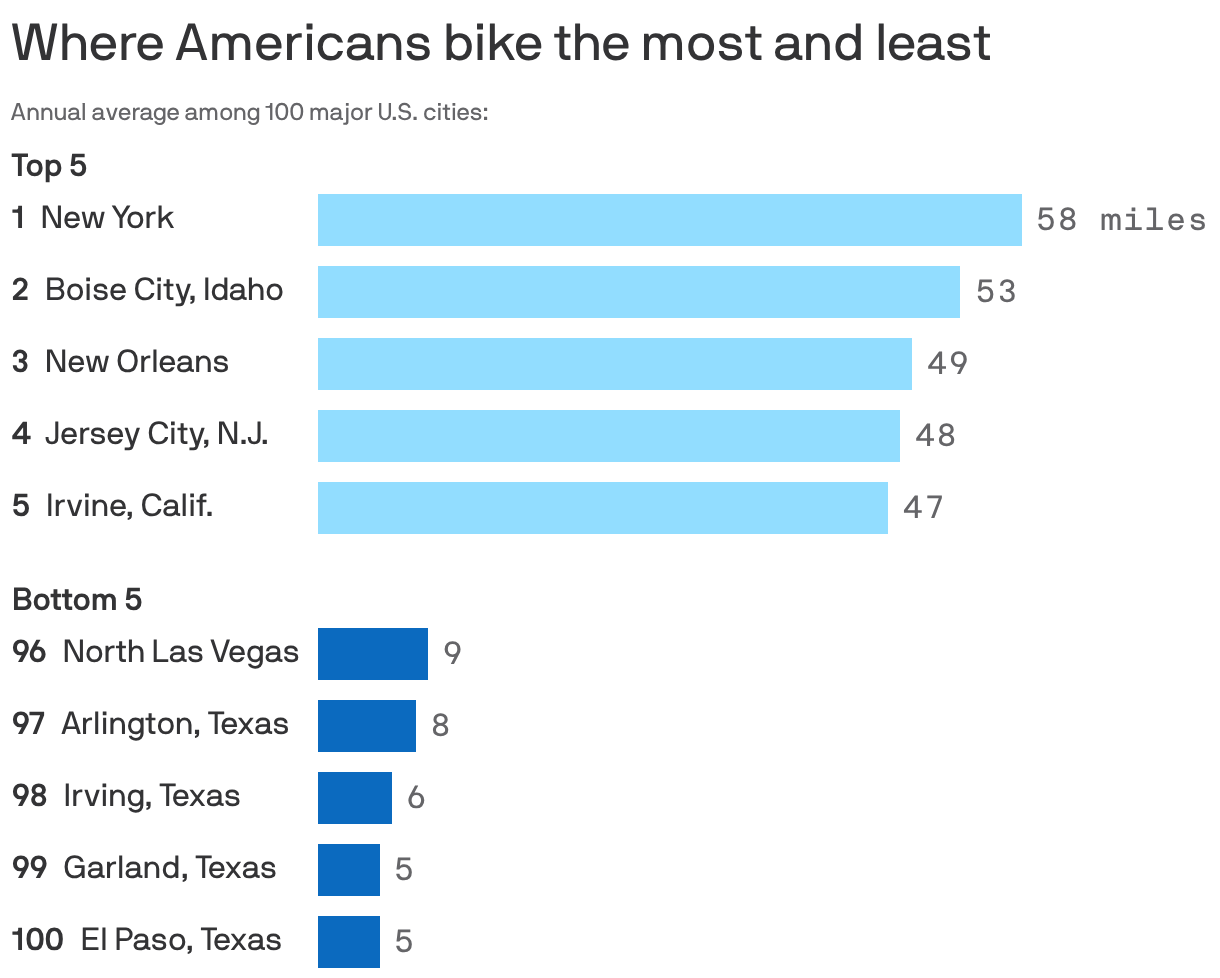
The average American biked 23 miles in 2024, according to research from StreetLight, a transportation data firm.
- Biking hotspots span the country — with top-five cities on both coasts, in the Mountain West and the South.
7. 🧊 Stat du jour: Record Swiss thaw
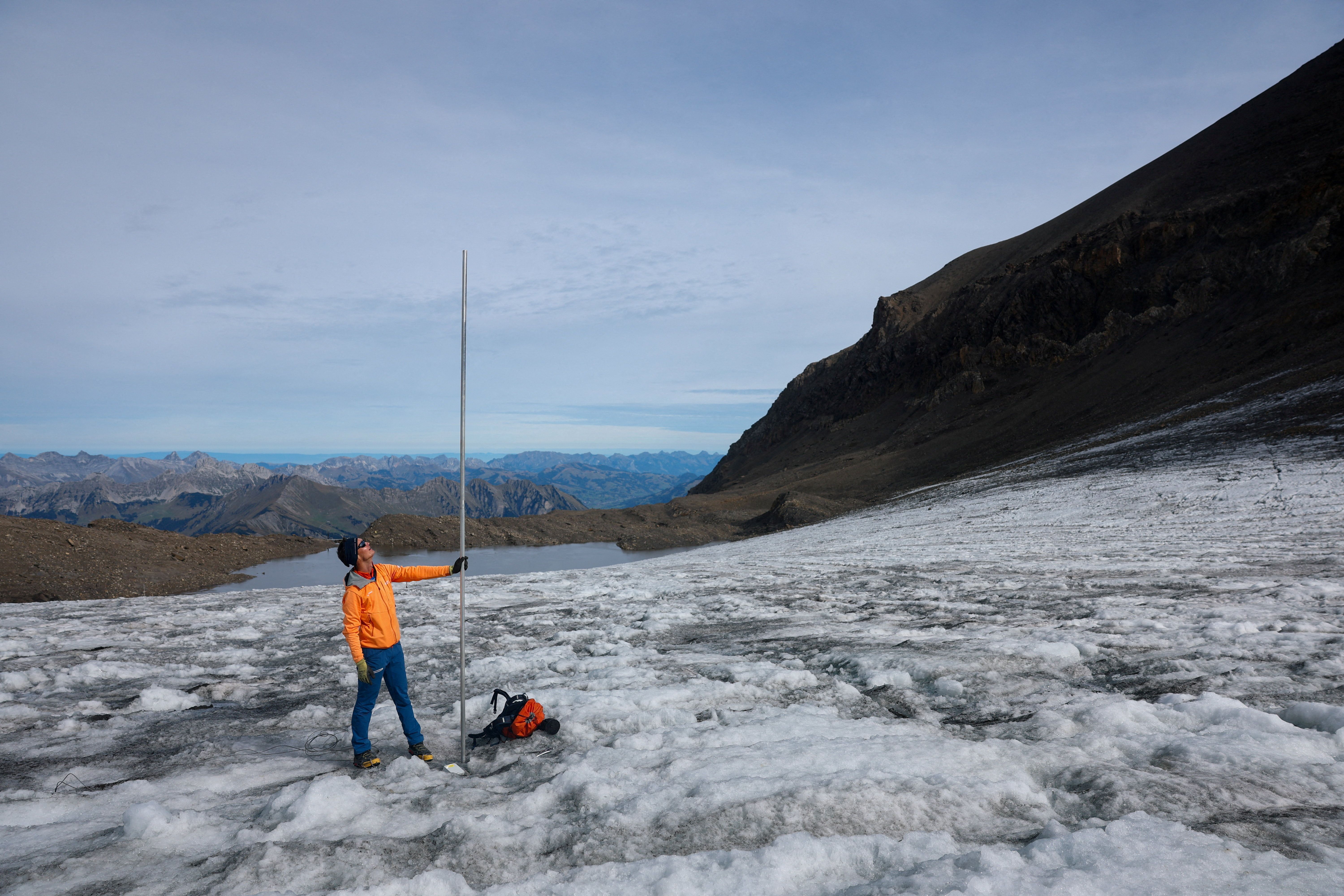
A record-shattering European heat wave accelerated the shrinking of Swiss glaciers this year: The country's glaciers shed more than 5% of their ice in 2026, according to a report from Swiss monitoring groups.
- Zoom out: Swiss glaciers have lost almost a fifth of their ice in the last five years, threatening future water supplies, Reuters reports.
8. 📸 1 for the road: 56 Trumps
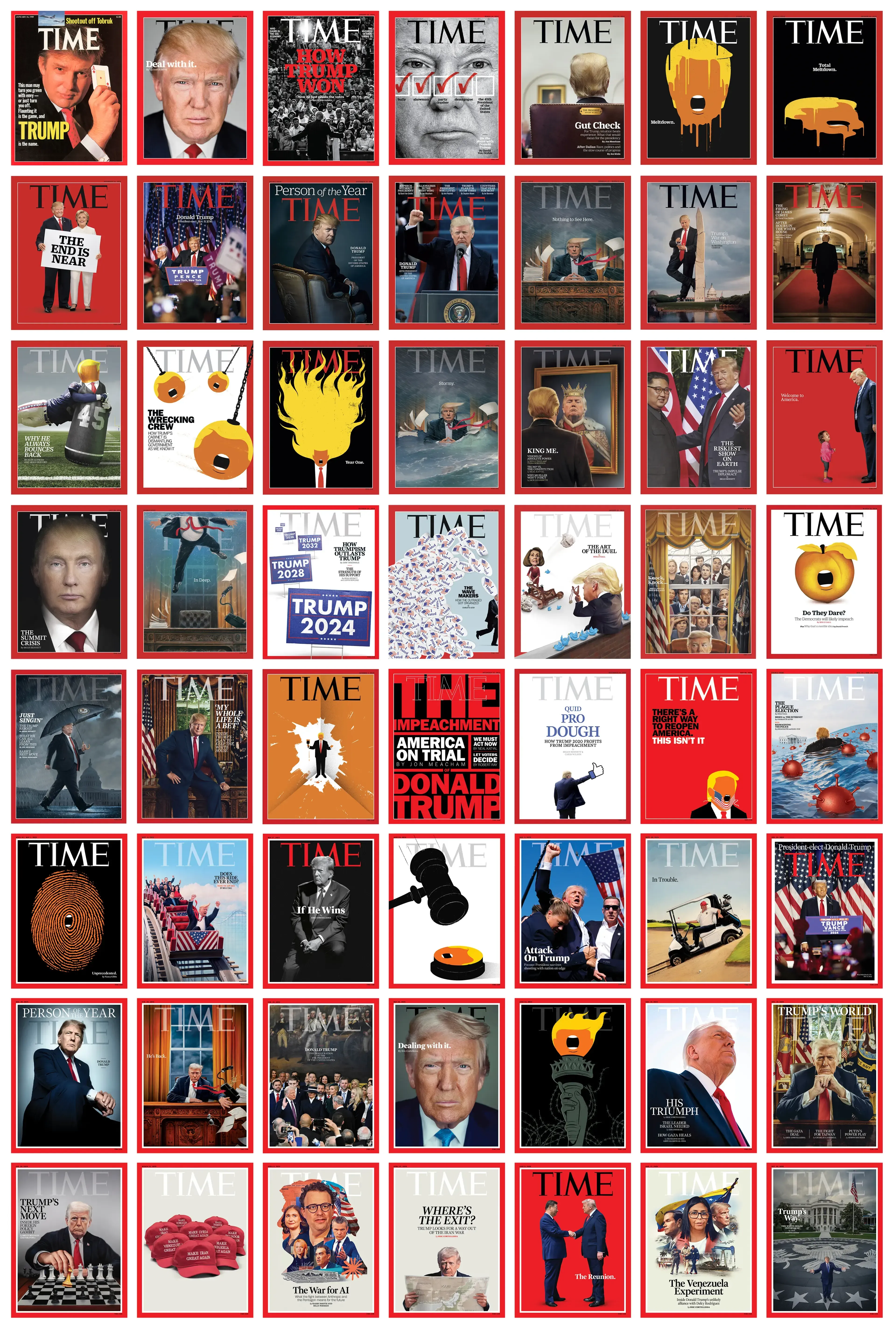
As of this week, President Trump has appeared on the cover of TIME more than anyone else. Here are all 56, spanning 37 years — ending with the latest, which surpassed 55 covers featuring Richard Nixon, the champ for a half-century.
- The first, which has hung above a urinal at Mar-a-Lago, ran on Jan. 16, 1989, when Trump was 42 and personified that era's aspiration for luxury. TIME notes that his voice in that story remains familiar: "I have an absolute strategy, but it's an innate strategy and not definable ... When you start studying yourself too deeply, you start seeing things that maybe you don't want to see."
🥁 Trump told TIME for this week's cover story that he liked 17 of his first 55 covers.
📬 Thanks for sharing your weekend! Please invite your friends to join AM.
Sign up for Axios AM