Axios AM

November 01, 2026

🍂 Happy Sunday, and welcome to November! If you feel refreshed, your phone's clock fell back an hour overnight. Fun fact: Halloween won't fall on a Saturday again until 2037, 11 years from now.
- Smart Brevity™ count: 1,853 words ... 7 mins. Erica Pandey is your weekend host. Edited by Andrew Pantazi.
1 big thing — Scoop: Post-election AI blitz

Right after Tuesday's midterms, OpenAI will unleash a policy and PR blitz to try to get in sync with the new Washington, including an effort to rebrand data centers as "AI compute campuses," Jim VandeHei and Mike Allen write in a "Behind the Curtain" column.
- Why it matters: After two years of a friendly White House, AI companies will face a harsher Washington after Tuesday, when Democrats will likely win the House. OpenAI also aims to help frame the AI debate for the big field of 2028 presidential contenders that'll start forming on Wednesday.
🗳️ "You can try to chase the moment, or seek to inform the moment via the power of ideas," OpenAI chief global affairs officer Chris Lehane tells us, calling Tuesday an "electoral portal from one era to the next."
- Since August, Lehane and his team have been stockpiling policy proposals, some new and some repackaged, to drive urgency and steer the AI debate.
- It'll all start during the lame-duck session of Congress — the awkward but often consequential weeks between the election and the swearing-in of new members and senators on Jan. 3. This year's lame duck opens Nov. 9.
The big picture: Other tech companies are also positioning themselves for a potential blue wave. Meta is taking steps to strengthen its ties with Democrats, Axios' Sara Fischer scooped Saturday. Other big AI and tech players can be expected to do the same.
- Tech titans who enjoy close relationships with President Trump will be top targets for Democrats, who are eager to ramp up scrutiny and regulatory pressure on the industry.
OpenAI's plans, being revealed here for the first time, all involve control — trying to send the message that AI is being built for people, not to displace people. The proposals include:
- 💨 Speed limits: Building on earlier proposals, OpenAI plans to unveil new ideas for mandatory safeguards for the most powerful AI systems — speed limits for AI that will allow humans to keep their hands on the wheel.
- ⚡️ Data centers: OpenAI hopes to stem the nationwide, bipartisan backlash by offering new community compacts and commitments to smooth the way for future data centers. In addition, the company will try to set a new industry standard by proposing state legislation that gives people a meaningful say in how projects are built and what benefits they receive. In an intentionally provocative rebranding effort, OpenAI will argue that the infrastructure it's building, in contrast to legacy data centers, should be called "AI compute campuses" that can economically transform host communities.
- 💼 Economic opportunity: OpenAI is developing ideas to help more people see AI as empowering for their daily lives and on the job, including supporting workers through disruption, widening access to education and training, and making it easier to start and grow a business.
- 🌐 International cooperation: OpenAI will push for the U.S. to shape global standards with AI built on democratic values.
Between the lines: OpenAI is trying to stake out a human-centered "third path" in a debate that often defaults to an artificial binary of doomers vs. accelerationists.
- OpenAI CEO Sam Altman, speaking to the UN Security Council in September, called for an AI approach that leads to a "new Renaissance of creativity and discovery."
🔮 What we're watching: OpenAI's overtures are aimed partly at 2028 presidential hopefuls, who'll be increasingly vocal about their plans starting Wednesday. "AI is going to be the issue in 2028," Lehane said, calling the midterms a "bit of a movie trailer for what you're going to see in 2028."
- "I don't think it's going to be good enough just to say 'AI bad,'" Lehane added. "The public gets that this is a much more complex, nuanced conversation. They're going to be looking for whoever their FDR or Lincoln is who's actually going to want to try to lead them through this journey."
The bottom line: The plans for the coming months are just the beginning of OpenAI's effort to inject more urgency in Washington and push the industry on frontier safety.
- Remember: Every day, AI models get more powerful — and tougher to corral.
Axios' Bradley Olson contributed.
- Disclosure: Axios has a content licensing and technology agreement with OpenAI, emphasizing expansion of local news coverage.
2. 🐊 Why Florida Republicans are "white-knuckled"
Florida Republicans aren't panicking about sluggish turnout for the midterms, but in the words of one GOP elder: "We're white-knuckled."
- Why it matters: Florida once looked like a much safer Republican bet for the midterms. Losing any statewide race would stun and embarrass its elite Republican residents, starting with President Trump, Axios' Marc Caputo and Andrew Pantazi report from Florida.
"I don't necessarily want to be the bearer of bad news, but I don't think the turnout is as strong as we would like to see," Florida Gov. Ron DeSantis fretted last week.
- The biggest GOP concern is U.S. Rep. Byron Donalds' campaign for governor, though most polls show him narrowly leading Democrat David Jolly. Donalds has raised $176 million; Jolly just $28 million.
📊 Zoom in: The GOP's jitters are rooted in early turnout data.
- Republicans led Democrats by 3 points in early ballots cast as of this morning. That's much lower than in the past two general elections — and it's despite a rising Republican registration advantage over Democrats: 11 points.
- Republican turnout is weakest in parts of the conservative Panhandle and rural North Florida, including many of the 17 counties Donalds lost in the Republican primary.
3. 👀 Third-party spoilers


More than 40 third-party candidates in pivotal House and Senate races across the country are receiving support from outside super PACs, many with ties to the two major parties, Axios' Andrew Solender reports.
- Why it matters: The sums being thrown around, which total more than $16 million, are far greater than virtually any of those candidates have raised or spent on their own.
💰 While it's a comparative drop in the bucket for a midterm that has already seen billions in ad spending nationally, the money will likely play an outsized role in races that are set to be decided by razor-thin margins.
- Those races, in turn, will help decide the balance of power in Congress next year.
Between the lines: Third-party candidates in Alaska are facing national scrutiny after The New York Times reported that Heikes and another self-proclaimed Republican on the ballot, Dan J. Sullivan, were recruited into the race.
- Republicans have long accused Dan J. Sullivan of being a spoiler meant to siphon votes from the incumbent senator by confusing voters with their shared name.
🔎 The "double-Dan" case is unique in that it reportedly included direct involvement from a political operative working with the Peltola campaign, who allegedly used pseudonyms as part of the effort.
- The Peltola campaign and the Democratic Senatorial Campaign Committee have denied recruiting any third-party candidates into the race.
4. 👟 5-borough marathon turns 50
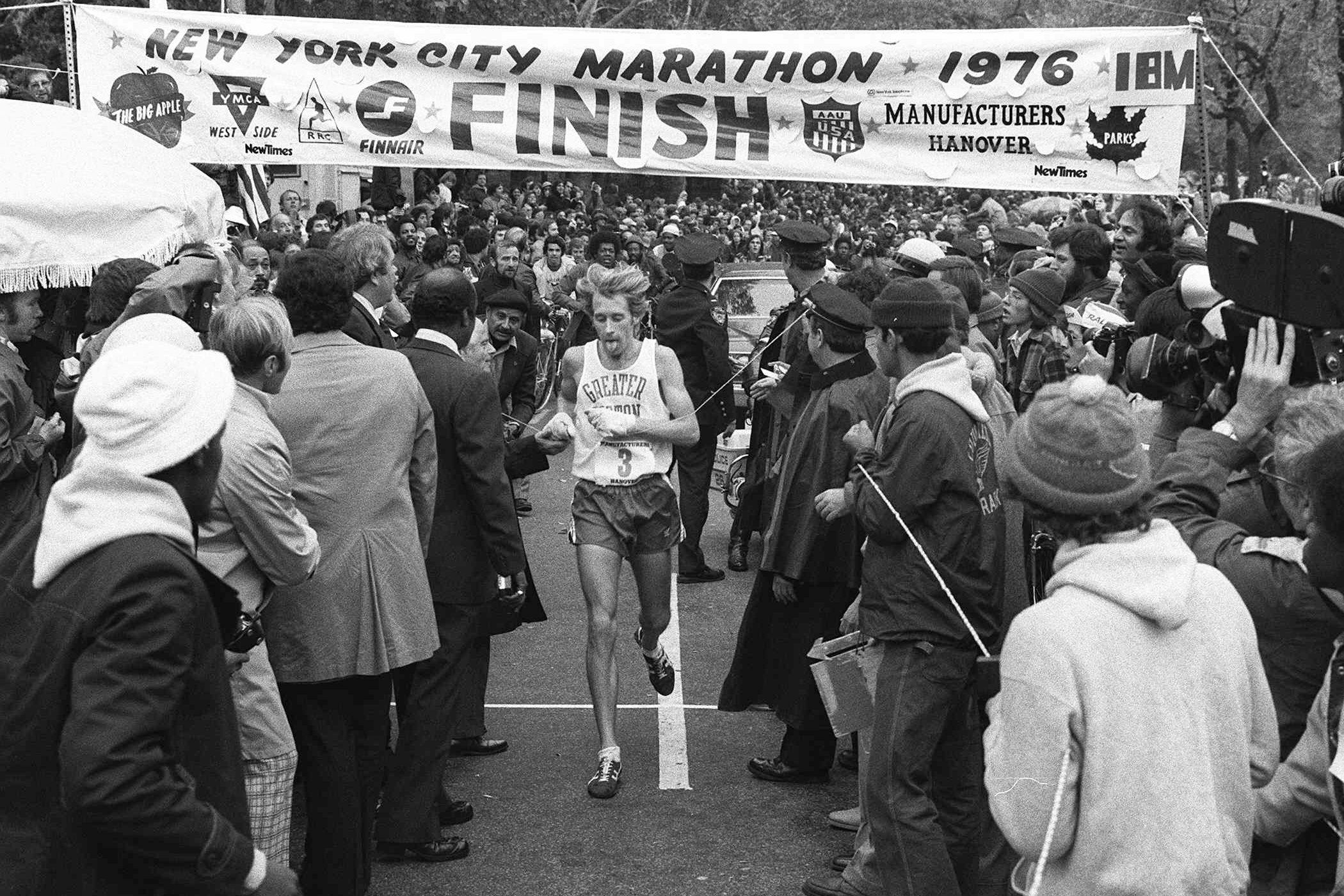
In 1976, the New York City Marathon ran through all five boroughs for the first time.
- There were just over 2,000 competitors in that seventh running of the race, including only 88 women. This morning, about 60,000 runners stepped up to the starting line, nearly half of them women.
5. 🍑 Trump's election probes find Georgia opening
On the eve of midterms, President Trump is facing setbacks left and right in his push to investigate alleged election fraud.
- But in Georgia, he has an opening, Axios' Brittany Gibson reports.
Why it matters: Six years ago, Georgia was at the epicenter of Trump's efforts to overturn the 2020 presidential election. Now the state's own election board has invited his administration to investigate its voting system.
- Georgia features two high-stakes statewide campaigns: Sen. Jon Ossoff (D) against Rep. Mike Collins (R) for Senate, and former Atlanta Mayor Keisha Lance Bottoms (D) against businessman Rick Jackson (R) for governor.
⚖️ The big picture: The Justice Department disclosed in court on Friday that the administration has sent letters to officials in California, Washington, Pennsylvania, New Jersey and Nevada, asking some states to segregate mail-in ballots from suspected noncitizen voters.
- A federal judge on Friday issued an emergency order that blocks federal officials from threatening to charge election officials who count ballots from voters the DOJ claims are ineligible.
But Georgia is different. "We've managed with duct tape and bubble gum to be able to bootstrap our way through one last round, but that's not a way of running elections," a Georgia election official told Axios.
6. ✊ Western despair: Youth protests spread across Europe

Hundreds of thousands of European youths took to the streets of France (for the third consecutive weekend), Germany, Portugal and Albania yesterday for anti-government protests against high living and education costs.
- In Frankfurt, a global business hub, Gen Z-led rallies turned to riots.
- Over the past two weeks, social unrest has also hit Spain and Italy, with cities turning into battlegrounds in top EU economies.
Why it matters: Despair "now is the dominant mood" in the West, New York Times opinion contributor Anton Jäger writes from Brussels. The rage, not strictly left or right, is rising from "generational futility."
🇫🇷 In France, police estimated 320,000 people, some in Halloween costumes, demonstrated nationwide yesterday, down from 550,000 and 410,000 on the previous two weekends.
- How it started: On Oct. 17, frustrated high-school students aired grievances about dilapidated schools and uncertain futures. Widespread rioting led to a week of curfews and mass nationwide police deployment. Labor unions, radical activists and other adults joined the movement.
🇩🇪 In Frankfurt late yesterday, hooded rioters looted stores after tens of thousands of demonstrators took to the streets across Germany's biggest cities to demand better education and lower living costs. Some rioters threw Molotov cocktails at police after pummeling them with stones and bottles.
- Shops boarded up windows along Berlin's luxury Kurfürstendamm shopping boulevard. (Reuters)
Weekend photos from across Europe.
7. ☎️ Modern landline
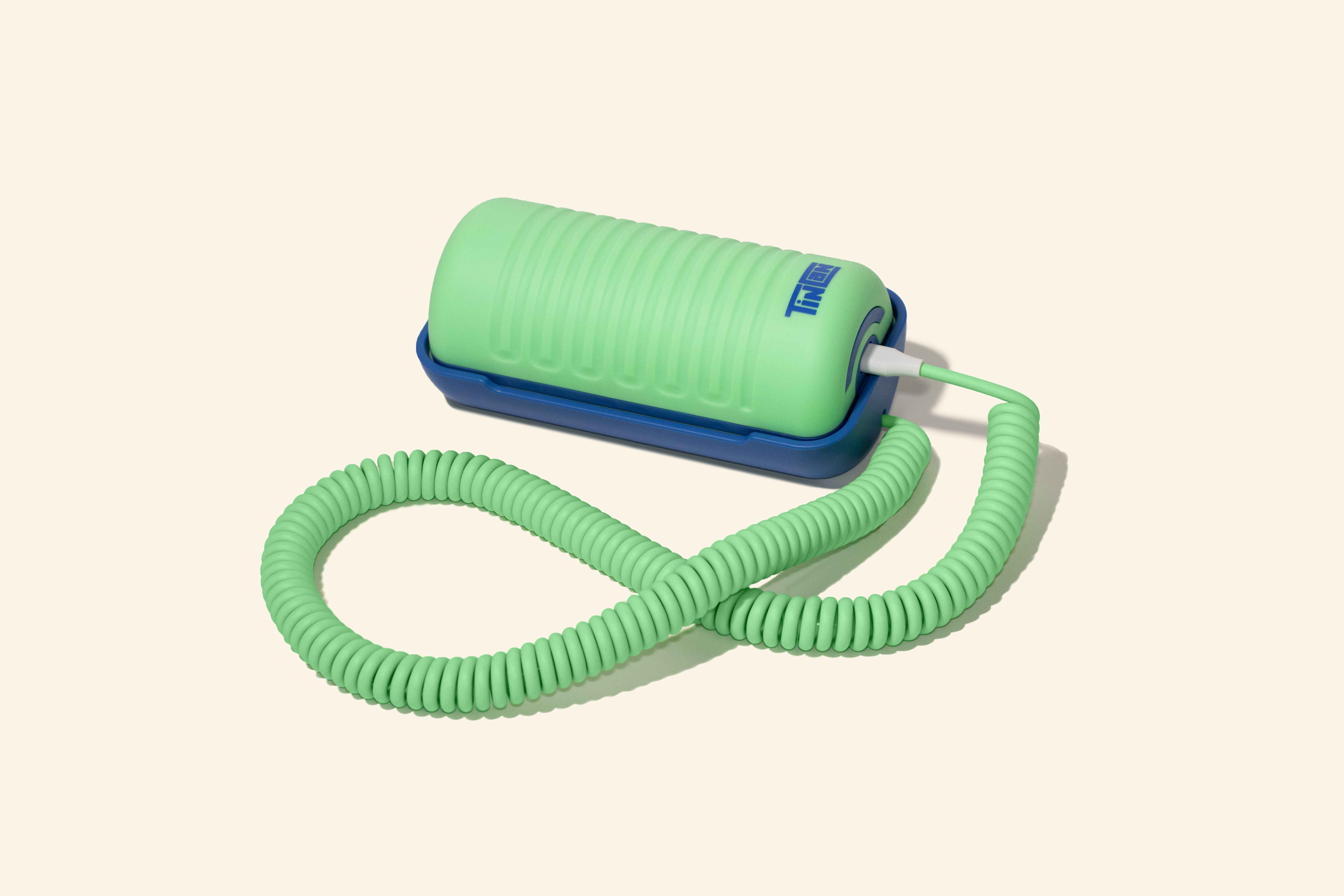
Parents who want to avoid smartphones are buying old-school phones so their kids can chat with friends, Axios San Diego's Claire Trageser reports.
Case in point: Tin Can, a $100 retro-style phone that runs on Wi-Fi, lets kids call only parent-approved numbers.
- Other companies offer similar products, including Pinwheel Home, Ooma MyPhone, Wiley Buddy, Ring Ring Club and Voiply's Kids Phone Plan.
Why can't you just get a landline?
- It's not that easy: Getting a traditional copper-wire connection has become harder. Plus, phones like Tin Can that ring for only approved numbers block spam calls.
8. 🏀 1 for the road: WNBA champ
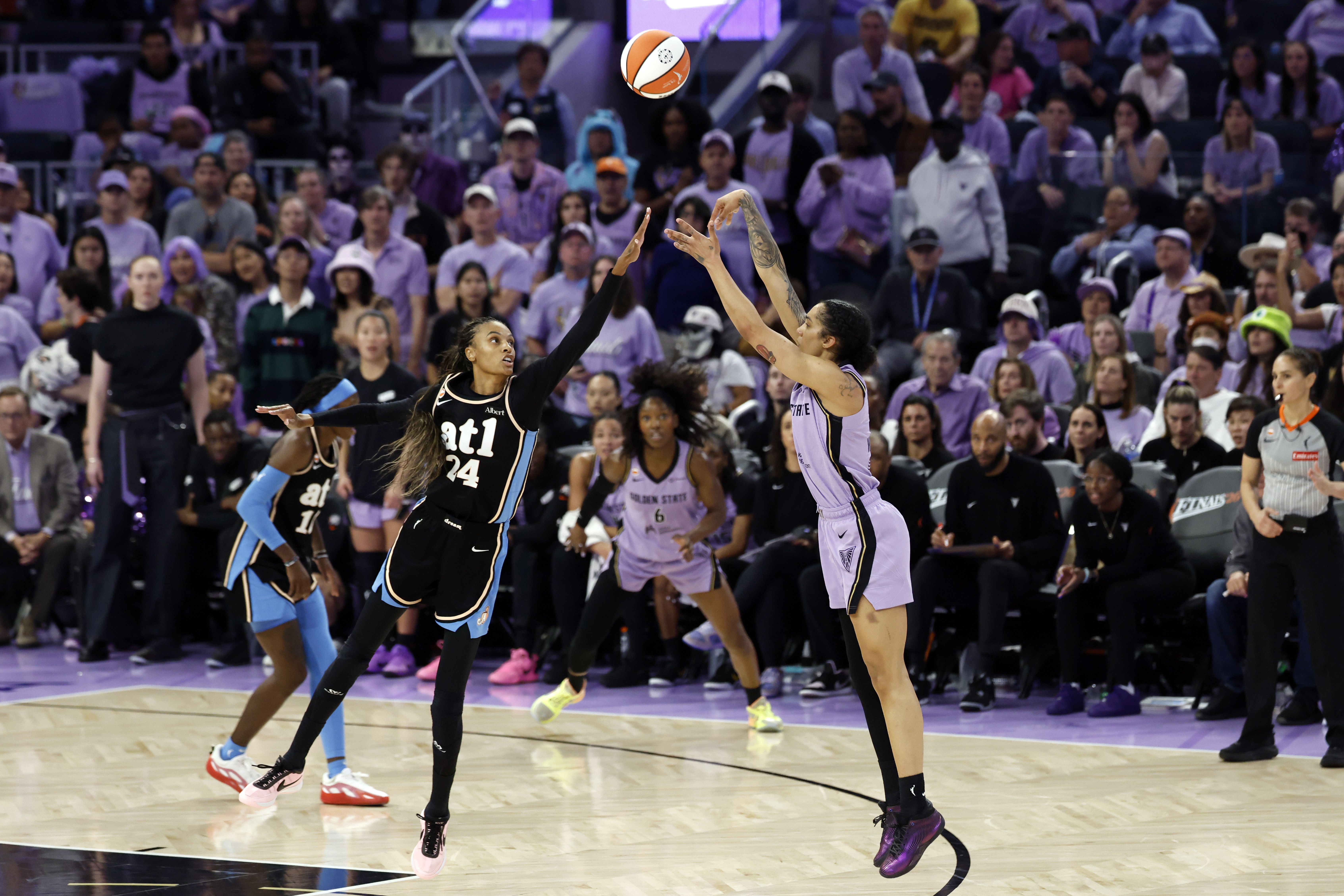
The Golden State Valkyries, led by Gabby Williams, survived a back-and-forth Game 7 battle to beat the Atlanta Dream 68-63 and win the 2026 WNBA Championship in the Valkyries' second season as a franchise.
- Williams, who scored 30 points in front of last night's violet-clad crowd at Chase Center in San Francisco, was named the 2026 WNBA Finals MVP.
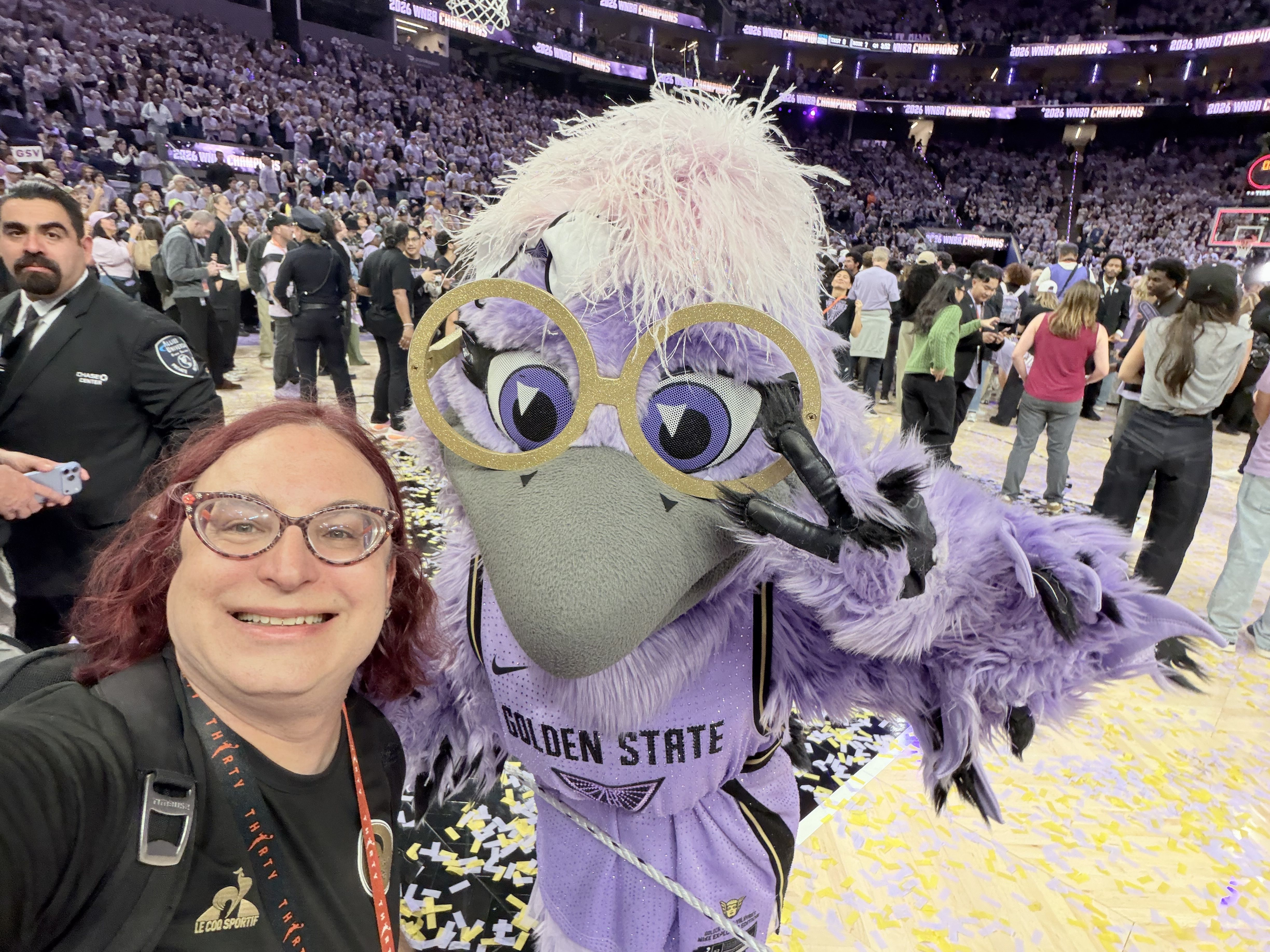
Ina Fried, Axios' chief tech correspondent, takes a selfie with the Golden State Valkyries mascot, Violet — a raven who goes by Vi.
📬 Thanks for reading! Please invite your friends to join AM.
Sign up for Axios AM