Axios AM

February 26, 2025

1 big thing: Trump's media-control strategy
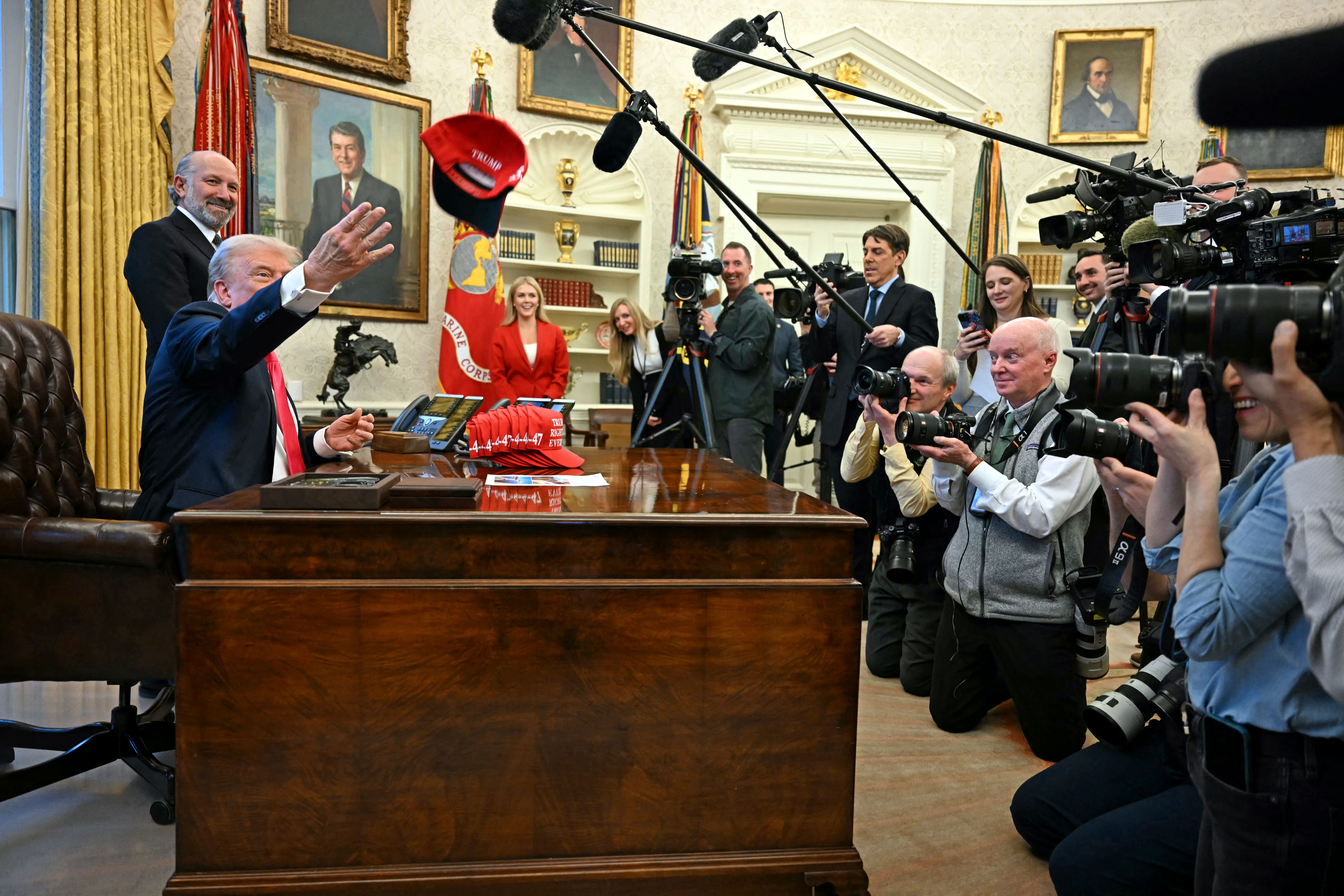
President Trump is setting a new precedent for tight, punitive government control over a free press, Jim VandeHei and Mike Allen write in a "Behind the Curtain" column.
- Why it matters: Trump and his administration are doing this systematically, gleefully and unmistakably. But as we've written before, this unprecedented shift could set the precedent for future Democratic presidents, too.
🔭 The big picture: Trump frames this as payback for what he calls incompetent, left-wing coverage, and the White House says it's expanding access to new voices and outlets. The White House Correspondents' Association says he's tearing "at the independence of a free press in the United States."
- The end result is twofold: much tighter control over media, and new tools and tactics to punish critics.
Here is what's different today than 38 days ago:
- Lawsuits. Before taking office, Trump sued ABC News, CBS News and a former Des Moines Register pollster over coverage. This is a new technique for a president or former president — and one getting results. ABC agreed to pay $15 million to Trump's future presidential library instead of fighting in court. CBS also appears to be heading toward settling. Hard to see how this doesn't encourage more lawsuits and entice future presidents pissed off about coverage to do the same.
- Blacklists. Trump barred AP from the Oval Office and Air Force One for refusing to use "Gulf of America" instead of "Gulf of Mexico" after he made the change by decree. AP, a global newswire that writes the stylebook most U.S. media outlets follow, has been a pillar of White House coverage for more than a century. Denying access, and mandating word choices, are new tactics for a president. Imagine a Democratic president renaming it the Gulf of Obama — and targeting Fox News for refusing to call it that. Fox and the conservative Newsmax were among the outlets protesting AP retribution. Jacqui Heinrich — Fox News senior White House correspondent, and a White House Correspondents' Association (WHCA) board member — wrote on X: "This is a short-sighted decision, and it will feel a lot different when a future Democratic administration kicks out conservative-leaning outlets and other critical voices."
- Stacking the deck. For decades, until yesterday, the White House had little say in the choice of media organizations responsible for covering official actions and trips via what's known as the press pool. In response to AP's suit over access, the White House seized control of this process, formerly run by WHCA. Trump has promised to keep traditional media companies part of the mix. But if the new system holds, he and future presidents could surround themselves with friendly reporters asking friendly questions — and punish those who don't.
- Shielding Cabinet officials. At the Pentagon, where reporters both work onsite and serve in a rotating pool that travels with the SecDef, a similar purge has unfolded. First, the Pentagon booted NBC News, the N.Y. Times, Politico and NPR from their physical workspace as part of a new "annual media rotation program" — substituting friendly outlets + HuffPost, which had no Pentagon reporter. A week later, CNN was ousted from its workspace. Good riddance, MAGA supporters say. But will a future Democratic president do unto conservative news sources as the Trump administration has done to the legacy media?
Behind the scenes: Taylor Budowich, a White House deputy chief of staff intimately involved in this process, told us there's more at play here, and insisted the moves aren't motivated by suppressing dissent. The White House feels access to limited areas like the Oval Office and Air Force One shouldn't be guaranteed to a select few legacy outlets — but instead should be opened up to include both MAGA voices, and other new or niche nonpartisan publications with more domain expertise.
- Budowich said the goal is to drive a "ratings bonanza" by leveraging the reach of traditional outlets with the fresh approach of some newer media players. "The established process doesn't serve people well," he said. "We want to provide more opportunities ... for those who want to do things differently."
- A New York Times statement last evening called the White House's move "an effort to undermine the public's access to independent, trustworthy information about the most powerful person in America."
The Axios approach: As we wrote a week ago, Axios takes a clinical approach, like a doctor. We simply want to give you the facts and insights to make better decisions and live better lives.
- But these changes curtail the free press, both now and if Trump or future presidents take it further.
Trump allies on X played up efforts by former President Biden to ensure friendly press interactions, including extremely limited press contact and prescreening of reporters' questions, in contrast to Trump's freewheeling sessions.
- The Biden administration culled the list of "hard pass" holders with permanent credentials — access the Trump team says it's restoring.
The bottom line: Tough questions, serious scrutiny, free thought, transparent access to key historical moments. These are decades-long precedents that keep the public informed.
- Go deeper: "Axios coverage in the Trump era," by CEO Jim VandeHei ... Share this column.
2. 🏛️ Stunning 13-minute reversal
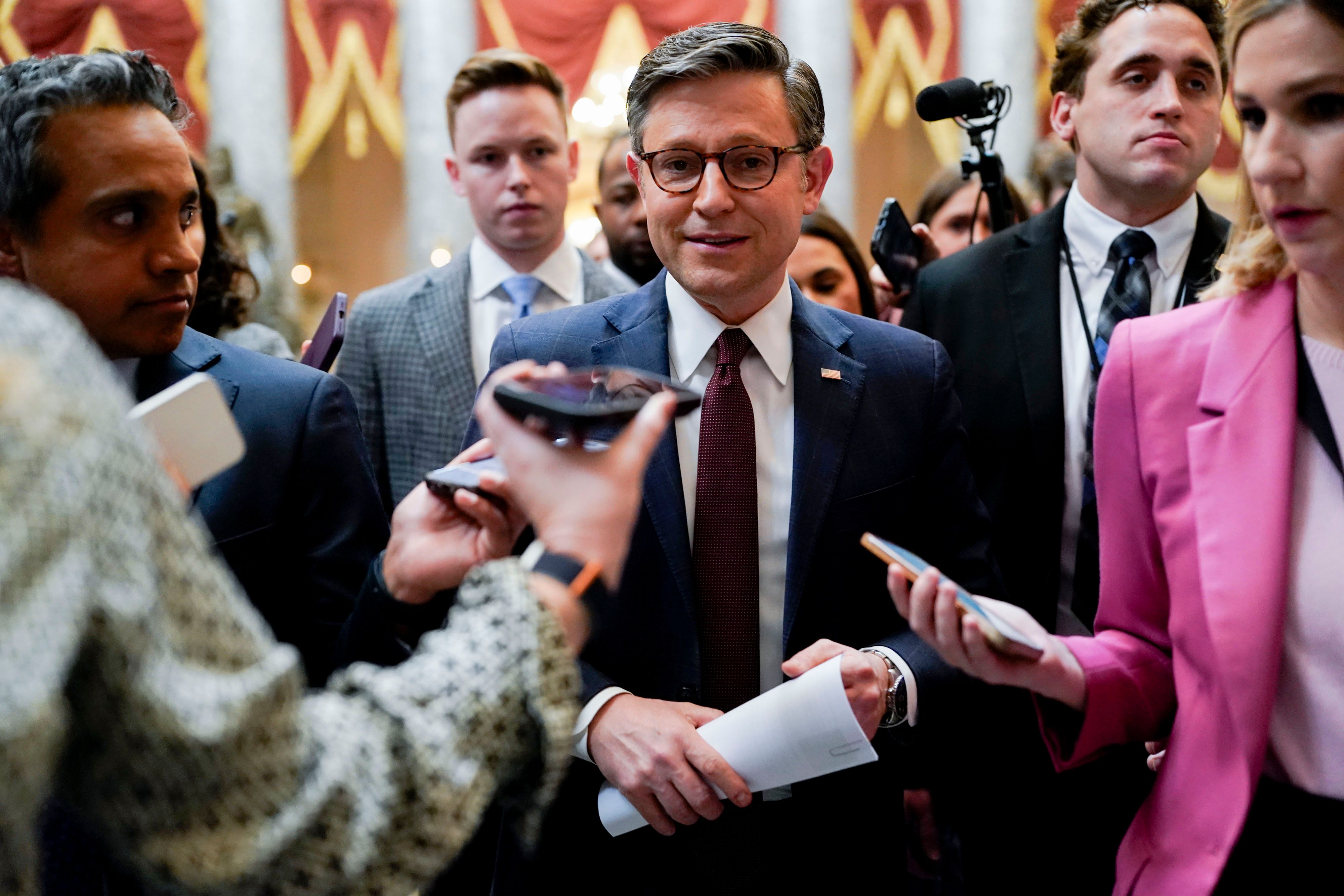
With the help of President Trump, Speaker Mike Johnson (R-La.) muscled a budget package through the House — a win he claimed will give him momentum to pass "Trump's full America First agenda — not just parts of it."
- Why it matters: The extraordinary evening was a taste of chaos to come. Johnson's dream of one "big, beautiful bill" will live. But so will the reality of his razor-thin majority, Axios' Hans Nichols and Andrew Solender write.
⏱️ Just before 7:30 p.m. ET, lawmakers began filing out of the House chamber after being told votes were done for the evening. Just 13 minutes later they were streaming back in — the vote was on.
- Some lawmakers had already been long gone. Several told Axios they were at dinner. At least one was at a Capitol Hill bar.
🔎 Between the lines: Both parties pulled out all the stops to try and ensure their preferred outcome.
- Rep. Brittany Pettersen (D-Colo.) showed up despite giving birth less than a month ago. Rep. Dan Crenshaw (R-Texas) showed up despite being sick.
- Rep. Kevin Mullin (D-Calif.), who is recovering from a blood clot in his leg and a knee infection contracted from surgery, showed up to vote using a walker.
🔮 What's next: Remember, this procedural bill was the easy part.
- Passing the actual bill — which could include deep cuts to Medicaid — will require Republicans of all stripes to subordinate their personal goals for the overall ambitions of the party and their president.
- House Minority Leader Hakeem Jeffries (D-N.Y.) is salivating at the opportunity to put Republicans on the record on their planned cuts, especially on social safety net programs.
📈 Josh Bolten — CEO of Business Roundtable, which represents 200+ top American CEOs — said in a statement: "The House's vote marks a pivotal moment in Congress's work to protect and boost the economic benefits that tax reform delivered for American businesses, workers and families. ... [W]e urge both chambers to find a path forward on a comprehensive, pro-growth tax package that builds on President Trump's signature 2017 tax reforms."
3. 🤖 Nvidia earnings = Silicon Valley heartburn

4. 💵 Mapped: How much federal workers make

D.C., Maryland and Virginia have the highest federal wages per worker, Axios' Alex Fitzpatrick writes from Labor Department data.
- Federal workers in D.C. make about $136,000 per worker, those in Maryland make about $126,000 per worker, and those in Virginia make about $111,000 per worker.
5. 💳 Trump's new "gold card"
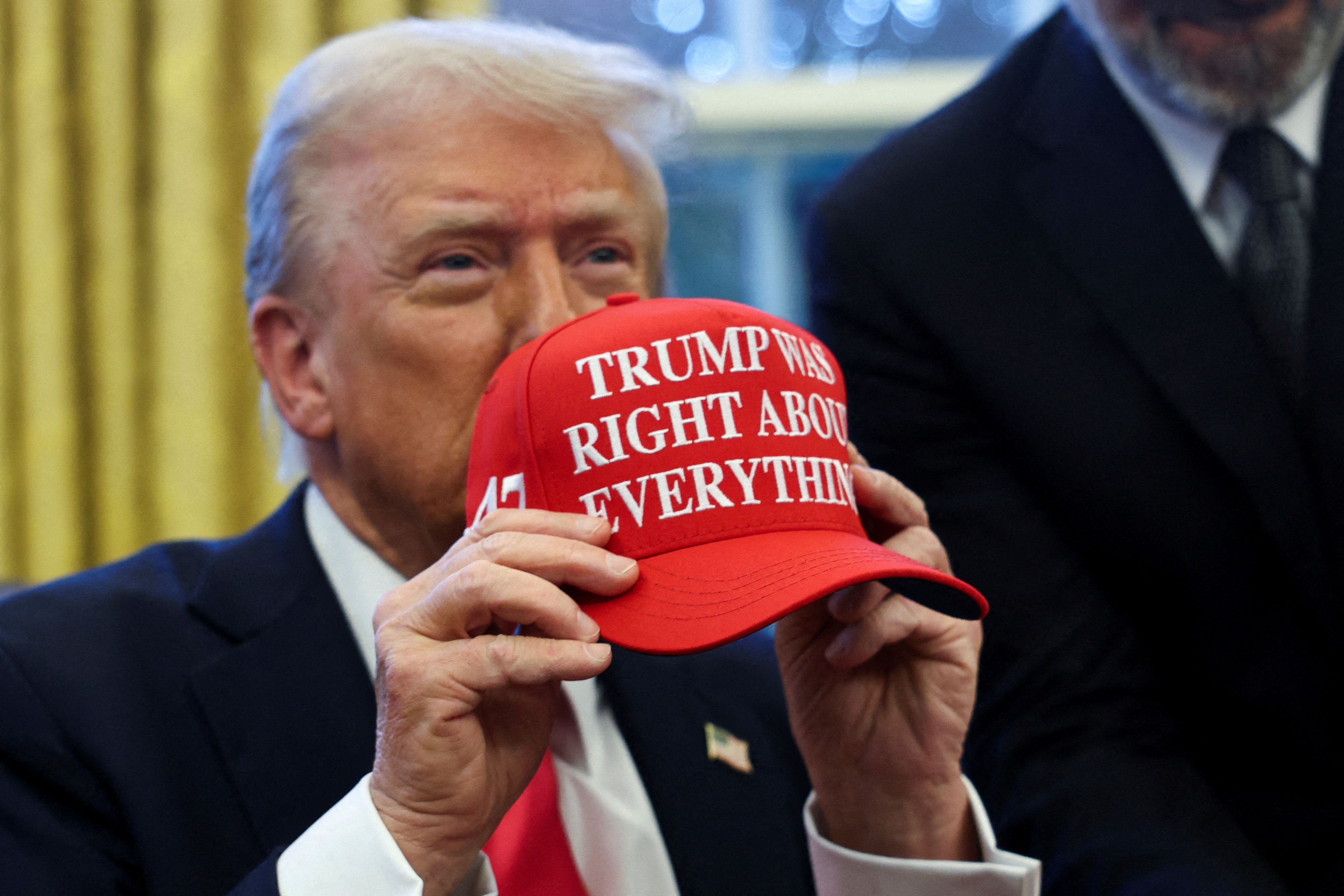
President Trump said yesterday he's planning to offer $5 million "gold card" visas that give wealthy foreigners permanent residency and a path to U.S. citizenship, Axios' Sareen Habeshian writes.
- Why it matters: The new proposal could replace the existing EB-5 program, which offers green cards to individuals who invest a certain amount — typically $1 million — in a U.S. business.
Commerce Secretary Howard Lutnick said the program could launch in two weeks.
Also yesterday, Homeland Security Secretary Kristi Noem said migrants in the country illegally must register with the federal government in an effort to "compel them to leave the country voluntarily." Go deeper.
- Watch: Trump's full announcement ... Share this story.
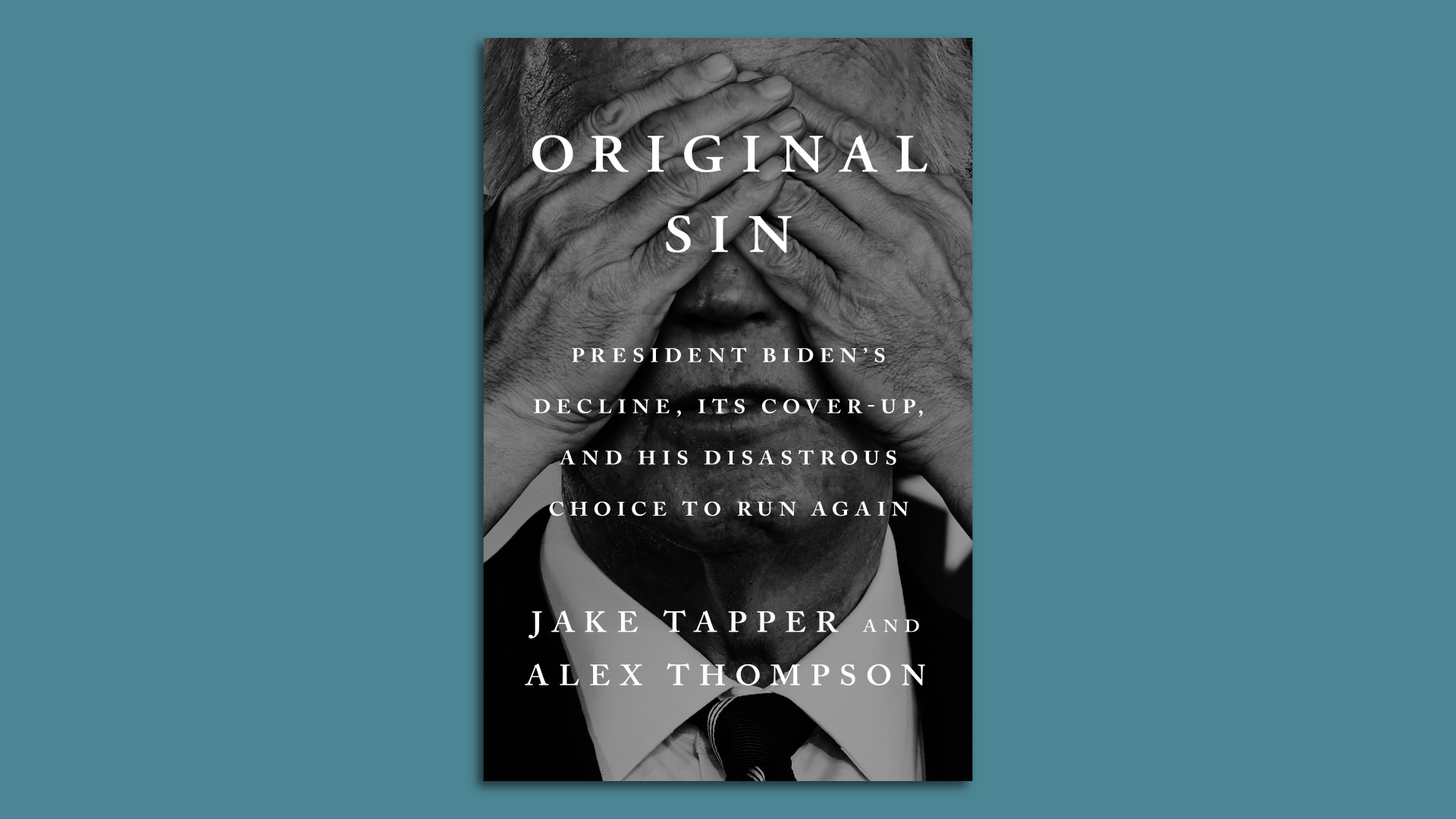
6. 📚 New book: Thompson + Tapper on Biden's "Original Sin"
7. 🤯 "Everywhere, all at once"
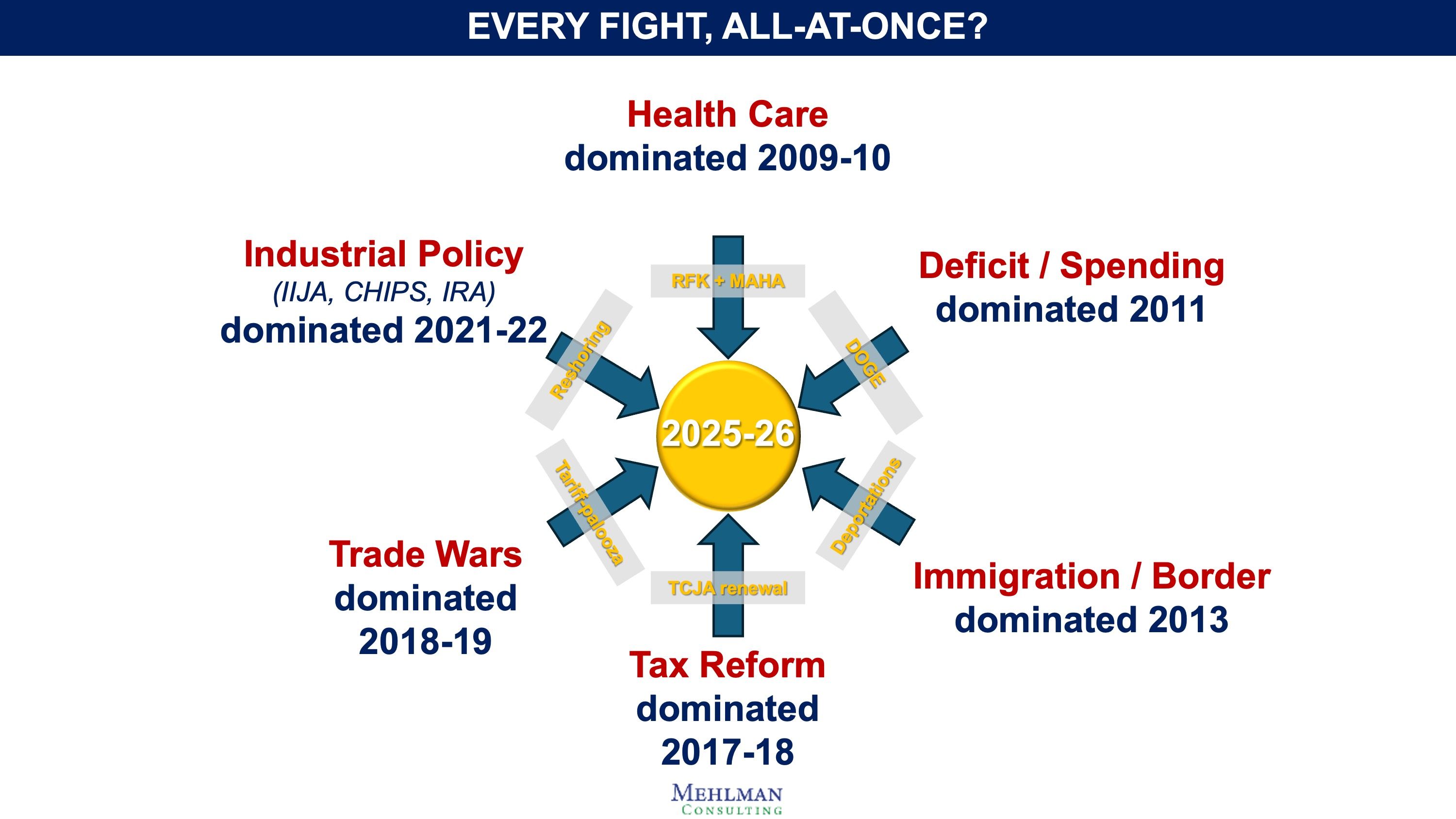
Washington generally has the bandwidth for one giant policy battle at a time, Bruce Mehlman writes on his Substack, Age of Disruption:
- In 2009-10, it was the Affordable Care Act. 2011 was consumed by Simpson-Bowles, the "Supercommittee" and national debt. In 2013, it was the Senate Gang of 8 advancing bipartisan immigration reform. 2017: Trump's tax cuts. 2018-19 was all about Trump's trade wars. 2020 was COVID,. 2021-22 was dominated by President Biden's pushes on infrastructure, IRA, CHIPs.
Mehlman points out that Trump 2.0 aims to advance on all of these fronts — tackling debt/spending, massive tax cuts, widespread new tariffs, mass deportations and broad health reforms.
8. 🎬 1 film thing: "Zero Day"

Eric Schultz — a political adviser to former President Obama, and former White House principal deputy press secretary and Senate aide — is credited on-screen as a political consultant for the new Netflix political thriller, "Zero Day," starring Robert De Niro.
- De Niro portrays a former U.S. president reckoning with a major cyberattack.
- Axios and its "morning newsletter" get a shout-out in Episode 1.
- Jeremy Bash of Beacon Global Strategies also consulted.
Schultz spent several weeks on-set for filming of White House and congressional scenes — advising the director, actors and crew on production, including set design, costumes, props, dialogue and blocking.
- Schultz advised on the energy and dynamics of the real Oval Office and briefing room — showing how reporters all scream over each other. and how officials respond to the barrage of questions.
- Pro tip: He warned not to make the reports look too polished — only the network correspondents in the front row usually look camera-ready.
Schultz told me: "The series is terrifying because of how real it feels."
- Schultz has also served as a political consultant to Netflix's "Designated Survivor" reboot, HBO's "Succession" and A24's "Civil War."
🎥 You're invited: At 6 p.m. in D.C. this evening, Axios is hosting "Zero Day" screening and conversation about enhancing U.S. cybersecurity. RSVP here.
Axios AM